The Ultimate Pallet Inverter Buyer’s Guide: Enhancing Efficiency and Safety in Material Handling

In modern warehousing and logistics, maximizing efficiency, ensuring worker safety, and maintaining product integrity are paramount. Pallet inverters are specialized material handling equipment designed to address these needs effectively. These machines facilitate the seamless handling and pallet exchange, significantly reducing manual labor and boosting operational throughput. Whether you are exploring pallet inverters for the first time or seeking to upgrade your existing systems, this comprehensive guide details the essential features, cost considerations, types, and applications to help you make an informed decision.
1. What is a Pallet Inverter?
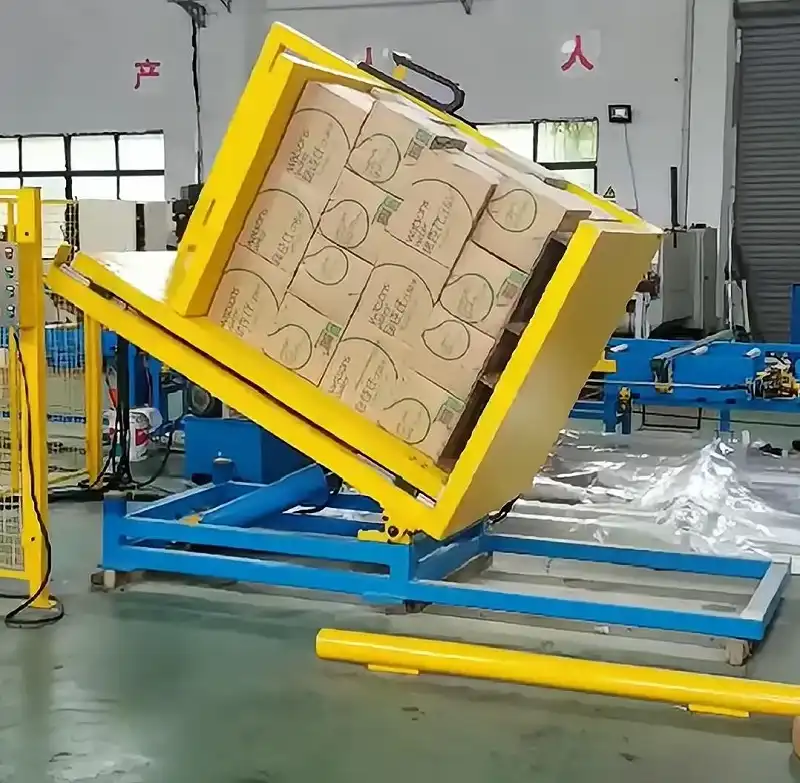
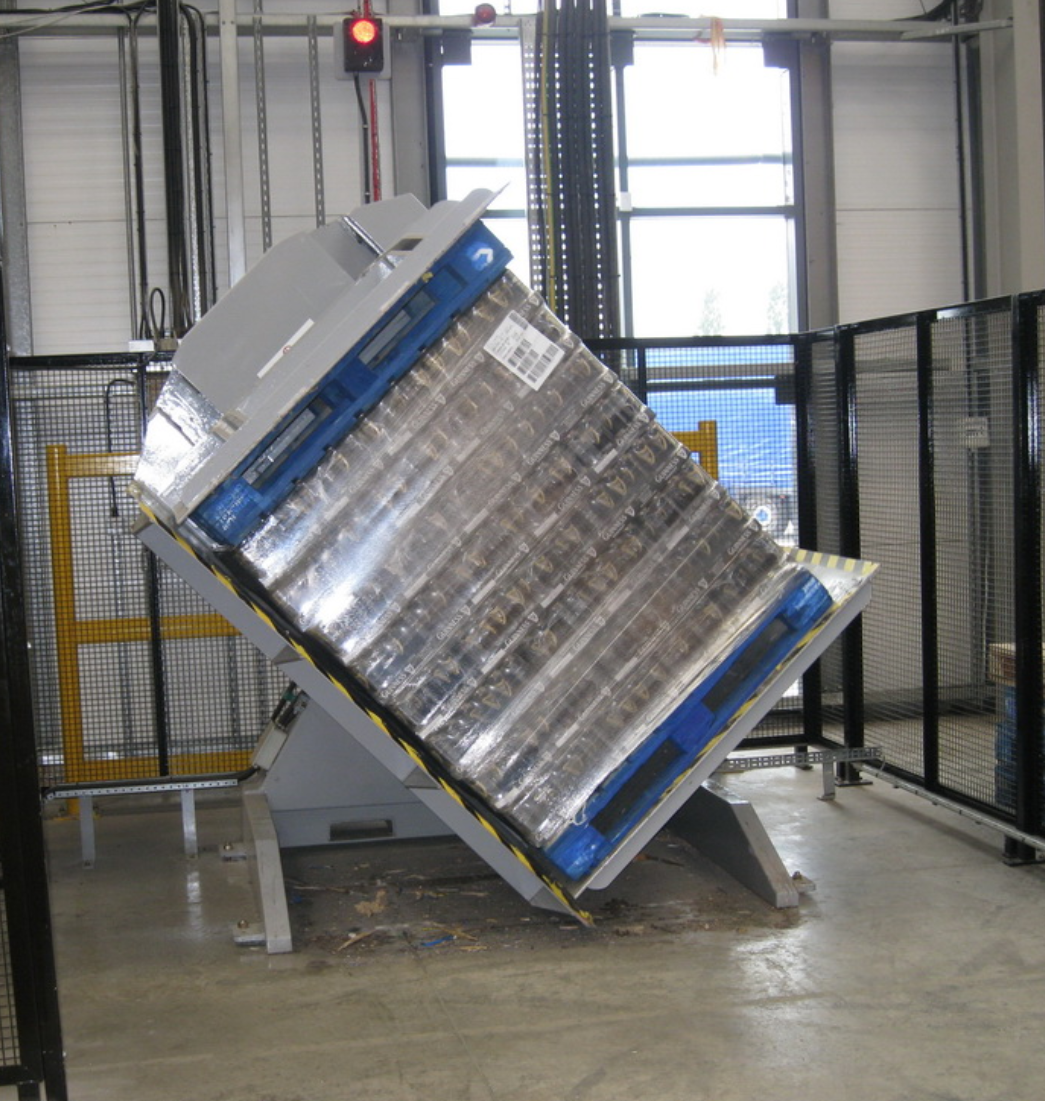
A pallet inverter, sometimes referred to as a load inverter or pallet flipper, is a piece of machinery designed to rotate a palletized load, typically by 180 degrees. This rotation allows operators to efficiently:
- Replace damaged or unsuitable pallets (e.g., swapping wood for plastic).
- Transfer goods from one type of pallet to another (e.g., in-house to shipping pallet).
- Access products at the bottom of a stack without manual unstacking.
- Turn goods over for processing or inspection.
The core function involves securely clamping the load and pallet together before initiating a controlled rotation. This minimizes the risk of product damage and eliminates hazardous manual handling tasks, making it indispensable in environments requiring high standards of safety and hygiene, such as food, pharmaceutical, and chemical industries.
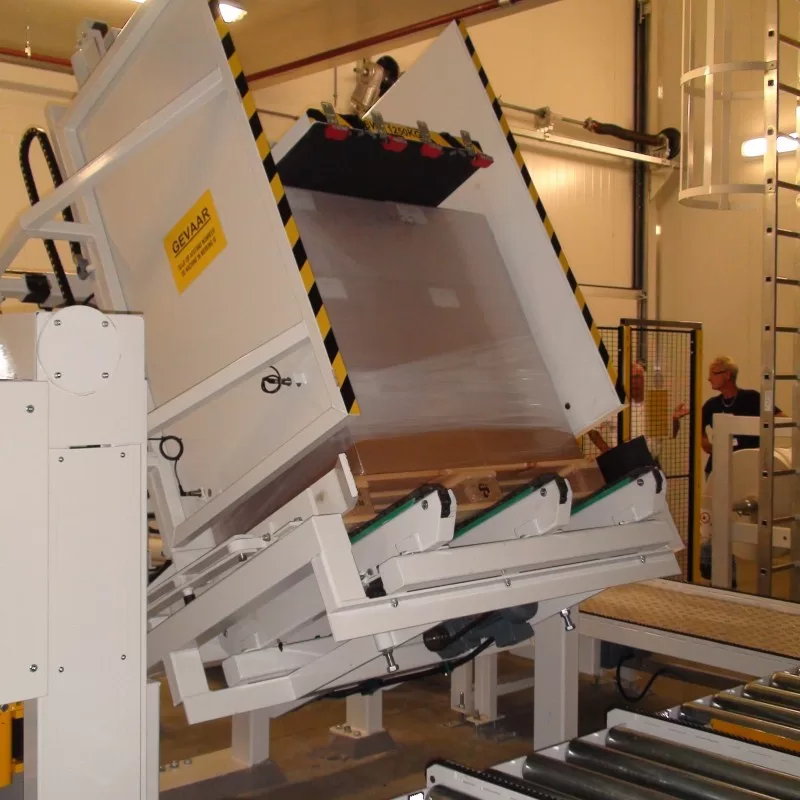
Watch a Pallet Inverter in Action:
2. Key Features to Evaluate in a Pallet Inverter
Selecting the right pallet inverter requires careful consideration of its features relative to your operational needs. Here are the critical aspects to evaluate:
a. Rotation Capability
Most standard pallet inverters provide a full 180-degree rotation. However, some applications might benefit from models offering 90-degree tilting for inspection or partial rotation capabilities. Assess your specific workflow to determine the necessary range of motion.
b. Load Capacity
The maximum weight the inverter can safely handle is crucial. Capacities typically range from 1,000 kg (approx. 2,200 lbs) to over 3,000 kg (approx. 6,600 lbs). Choosing a machine with adequate capacity for your heaviest loads prevents operational failures and safety hazards. Always factor in potential future needs for heavier loads.
c. Pallet and Load Size Compatibility
Ensure the inverter's opening range (jaw opening) accommodates your pallet dimensions (standard, Euro, CHEP, custom sizes) and load heights. Many models offer adjustable clamping ranges for flexibility, but verify compatibility with your specific load profiles.
d. Clamping Mechanism
The system used to secure the load during inversion is vital for preventing product damage. Look for:
- Adjustable clamping pressure: Allows tuning for delicate vs. robust loads.
- Clamping surface: Side clamps are common, while top clamps might be needed for unstable loads. Ensure the clamping surfaces won't damage your product or packaging.
- Mechanism type: Hydraulic systems are common for power, but electric options exist.
e. Automation Level
Pallet inverters range from manual control to fully automated systems:
- Manual/Semi-Automatic: Operator initiates clamping and rotation via controls.
- Fully Automatic: Integrated into conveyor lines, operating with minimal human intervention using sensors and PLC controls. Consider automation for high-throughput environments. [Link to relevant internal post about Warehouse Automation]
f. Construction and Durability
Warehouse environments demand robust equipment. Look for:
- Heavy-duty steel construction: Ensures longevity and stability.
- Durable finish: Powder coating or stainless steel (essential for food/pharma/washdown environments) protects against corrosion and wear.
g. Safety Features
Essential safety components include:
- Safety guarding/fencing: Prevents access during operation.
- Light curtains or safety scanners: Detect intrusion into the operating zone.
- Emergency stops (E-stops): Easily accessible buttons to halt operation instantly.
- Pressure relief valves: Prevent over-clamping.
3. Common Types of Pallet Inverters
Pallet inverters come in several configurations to suit different facility layouts and operational flows:
a. Stationary Free-Standing Units
These are the most common type, typically loaded via forklift or pallet jack. They require a dedicated floor space but offer robust performance for regular use.
b. Mobile Pallet Inverters
These units combine the functionality of an inverter with the mobility of a pallet jack, allowing loads to be inverted anywhere in the facility. Ideal for lower volume applications or where space is limited.
Watch a Mobile Pallet Inverter:
c. Inline Pallet Inverters
Designed for integration into automated conveyor systems, these allow for continuous flow operations without manual loading/unloading from the inverter itself. Best suited for high-volume, automated facilities.
4. Applications Across Industries
The versatility of pallet inverters makes them valuable assets in numerous sectors:
a. Food and Beverage
Crucial for hygiene compliance, enabling easy transfer from wooden pallets (common for transport) to clean plastic or aluminum pallets required in production areas. Helps prevent cross-contamination and meets strict food safety standards.
b. Pharmaceuticals and Chemicals
Similar to food/beverage, these sectors use inverters for hygiene control and transferring loads to cleanroom-compliant pallets. They also handle sensitive materials where gentle turning is necessary.
c. Logistics and Distribution Centers
Used extensively for replacing broken or damaged pallets without manually restacking goods, saving significant time and labor. Also used for transferring goods between different pallet types (e.g., rental pallets to internal pallets) or consolidating loads.
d. Manufacturing
Allows access to components at the bottom of pallets, inverts work-in-progress for subsequent manufacturing steps, or prepares finished goods for shipping on specific pallet types.
e. Cold Storage and Freezer Environments
Facilitates First-In, First-Out (FIFO) inventory management by allowing easy rotation of stock. Specialized freezer-grade models are available for low-temperature operations.
5. Understanding Pallet Inverter Costs
Acquiring a pallet inverter involves several cost components beyond the initial price tag:
a. Initial Purchase Price
Costs vary widely based on type, capacity, features, and automation level.
- Basic, manual/semi-automatic models: May start around $10,000 - $18,000.
- Heavy-duty or more automated models: Can range from $20,000 to $40,000+.
- Fully integrated inline systems: Can exceed $50,000, depending on complexity. These figures are indicative; always request specific quotes based on your requirements.
b. Installation and Integration Costs
Factor in costs for delivery, setup, potential floor anchoring, electrical connections, and integration if part of an automated line. Operator training is also essential. Installation might range from $1,500 to $5,000+.
c. Maintenance and Upkeep
Budget for routine preventative maintenance (lubrication, inspections, hydraulic checks) and potential repairs (parts replacement). An annual budget of $500 - $2,000 is a reasonable starting point, depending on usage intensity and machine complexity.
d. Operational Costs
Consider electricity consumption, especially for high-usage or continuously operating machines. While generally not high energy consumers, efficiency can vary between models.
e. Return on Investment (ROI)
Calculate ROI by considering savings from:
- Reduced labor costs (manual handling time).
- Minimized product damage during handling.
- Lowered risk of workplace injuries (See OSHA guidelines on materials handling).
- Increased throughput and efficiency.
- Extended pallet life (by replacing damaged ones promptly).
6. Benefits of Investing in a Pallet Inverter
The advantages of incorporating pallet inverters into your workflow often provide a strong justification for the investment:
- Enhanced Warehouse Safety: Dramatically reduces manual lifting and restacking, minimizing risks of musculoskeletal injuries and accidents associated with unstable loads.
- Increased Operational Efficiency: Significantly speeds up tasks like pallet exchange or load inversion compared to manual methods, boosting overall productivity.
- Reduced Product Damage: Controlled clamping and rotation handle loads more gently than manual restacking, preserving product integrity, especially for fragile items.
- Improved Hygiene Control: Essential for industries requiring pallet swaps to meet cleanliness standards, preventing contamination.
- Significant Cost Savings: Achieved through reduced labor hours, minimized product spoilage or damage, lower workers' compensation claims, and faster processing times.
- Operational Flexibility: Enables efficient handling of various load types and facilitates quicker response to damaged pallets or specific customer requirements.
7. Key Considerations Before Buying
Before finalizing your purchase, evaluate these critical factors:
a. Load Characteristics
Analyze the weight, dimensions (L x W x H), stability, and fragility of the loads you handle most frequently. This dictates the required capacity, opening range, and clamping pressure control.
b. Throughput Requirements
Determine the frequency of use (e.g., cycles per hour or per shift). High-volume operations benefit from faster cycle times and potentially higher levels of automation.
c. Facility Layout and Space
Assess the available footprint for the machine, including necessary clearance for loading/unloading (e.g., forklift maneuvering space) and safety zones. Consider power source availability (electrical, hydraulic).
d. Integration Needs
Decide if the inverter needs to operate standalone or be integrated into an existing or future automated material handling system (Consult resources like MHI for standards).
e. Operator Skill and Training
Consider the ease of use and the level of training required for operators. Ensure adequate training is provided for safe and efficient operation.
f. Supplier Support and Service
Evaluate the manufacturer's or supplier's reputation, warranty terms, availability of spare parts, and local service support for maintenance and repairs.
8. Conclusion: Making the Right Choice for Your Operation
Investing in a pallet inverter is a strategic move for businesses aiming to optimize material handling, improve safety standards, and boost overall productivity. By carefully evaluating the key features, types, costs, and benefits against your specific operational requirements—including load characteristics, throughput needs, and facility constraints—you can select the right machine to deliver significant long-term value. A well-chosen pallet inverter streamlines critical processes, reduces operational bottlenecks, minimizes costly damage and injuries, and ultimately contributes to a more efficient and competitive supply chain.
Get Your Best Solution !