In the demanding steel industry, securing reliable and cost-effective steel coil packing operations often hinges on long-term contracts. However, the market's volatility, supply chain complexities, and rapid technological advancements necessitate building flexibility into these agreements. Without adaptability, businesses risk being locked into outdated processes, inefficient terms, or unsustainable costs, hindering their competitiveness and growth.
This guide details strategies for structuring long-term steel coil packing line contracts with the necessary flexibility to navigate evolving demands, integrate new technologies, and manage unforeseen disruptions. Whether negotiating a new agreement or reviewing an existing one, embedding adaptability is key to avoiding pitfalls and ensuring operational resilience.
1. Why Flexibility in Long-Term Steel Packing Contracts is Crucial
In any long-term agreement, particularly within capital-intensive industries like steel manufacturing and processing, flexibility is paramount. The steel coil packing line sector is especially sensitive to fluctuations driven by economic shifts, technological breakthroughs, and supply chain disruptions.
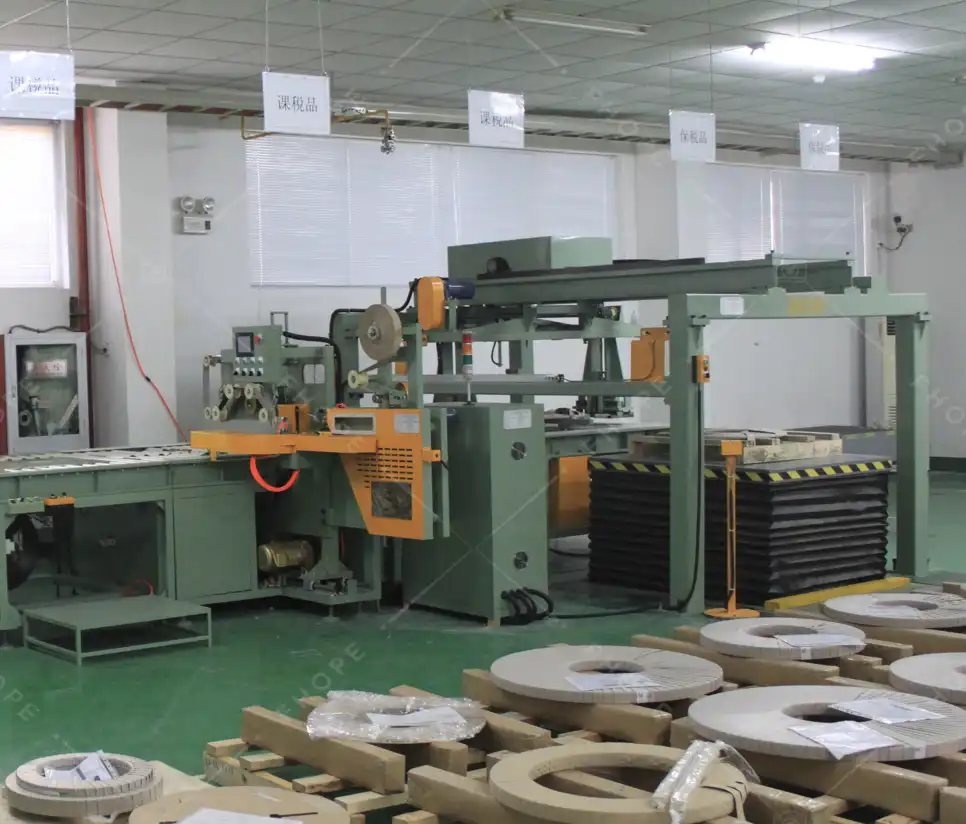
Key Benefits of Contractual Flexibility:
- Adapt to Technological Advancements: Innovations in packaging automation, robotics, IoT integration, data analytics, and AI-driven predictive maintenance are constantly emerging. A flexible contract allows seamless adoption of these advancements without triggering complex renegotiations, keeping your operations state-of-the-art.
- Respond to Market Dynamics: Steel demand can be notoriously volatile. Flexible contracts permit scaling operations—both up and down—in response to market conditions, preventing costly overcapacity or inability to meet surges, thus enhancing operational agility.
- Mitigate Financial and Operational Risks: Rigid contract terms expose businesses to risks like unfavorable price fluctuations, changing production specifications, or shifts in raw material availability. Flexibility clauses provide mechanisms to adjust terms, mitigating these risks and protecting profitability.
- Enhance Supplier Relationships: Flexibility often requires collaboration, fostering a stronger partnership built on mutual understanding and shared goals for efficiency and innovation.
Examples of Flexible Contract Provisions:
- Ability to adjust production throughput based on demand forecasts without penalties.
- Options to upgrade or retrofit machinery with newer, more efficient technology during the contract term.
- Provisions for modifying service levels (e.g., maintenance frequency, support hours) based on actual usage or performance data.
By strategically incorporating these elements, you ensure your long-term contract remains a valuable asset, supporting rather than hindering your business as the industry landscape evolves.
2. Key Contractual Areas for Incorporating Flexibility
When drafting or negotiating a long-term steel coil packing line contract, focus on embedding flexibility within these critical areas: pricing structures, technology adoption, production capacity, and service agreements.
2.1 Flexible Pricing Models
A static pricing model can quickly become misaligned with market realities or input cost fluctuations. Building flexibility into the pricing structure is essential for long-term viability.
Effective Pricing Adjustment Mechanisms:
- Indexed Pricing: Link contract pricing to relevant, pre-agreed market indices (e.g., steel commodity prices, energy costs, labor indices). This allows prices to adjust automatically based on external economic factors. Define the index, baseline, and adjustment frequency clearly.
- Volume-Based Pricing Tiers: Implement tiered pricing or discounts that adjust based on actual production volumes. Ensure mechanisms exist to review and potentially renegotiate tiers if volumes consistently deviate significantly from initial projections.
- Gainsharing/Incentive-Based Pricing: Incorporate clauses where cost savings achieved through efficiency improvements (e.g., reduced material waste, faster cycle times) are shared between the client and the supplier, incentivizing continuous improvement.
- Component Cost Transparency: For significant equipment or parts replacements, agree on a mechanism for adjusting prices based on transparent, verifiable supplier cost changes.
Including pricing flexibility protects against unforeseen cost escalations and ensures rates remain competitive and fair throughout the contract term.
2.2 Technology Upgrade and Integration Options
Steel coil packing technology is constantly advancing. To avoid technological obsolescence, your contract must facilitate the adoption of new systems and machinery.
Provisions for Technological Advancement:
- Technology Refresh Clauses: Define specific points or triggers within the contract term (e.g., after 3-5 years, or upon the release of significantly improved technology by the supplier) allowing for equipment upgrades or retrofits. Outline the process for evaluation, selection, and cost allocation (e.g., shared investment, buyout options).
- Future-Proofing Commitment: Require suppliers to design systems with modularity and interoperability in mind, facilitating easier integration with future technologies like advanced sensors, data analytics platforms, or enhanced packaging automation modules.
- Pilot Program Options: Include provisions for piloting new technologies on a smaller scale before full implementation, reducing the risk associated with adopting unproven solutions.
- Software & Firmware Updates: Clearly define the process and responsibility for implementing necessary software and firmware updates to maintain security, efficiency, and compatibility.
These options ensure your packing line remains efficient, competitive, and aligned with industry best practices.
2.3 Production Capacity Flexibility and Scalability
Market demand for steel products can fluctuate significantly. A contract with rigid capacity requirements can lead to inefficiencies or missed opportunities.
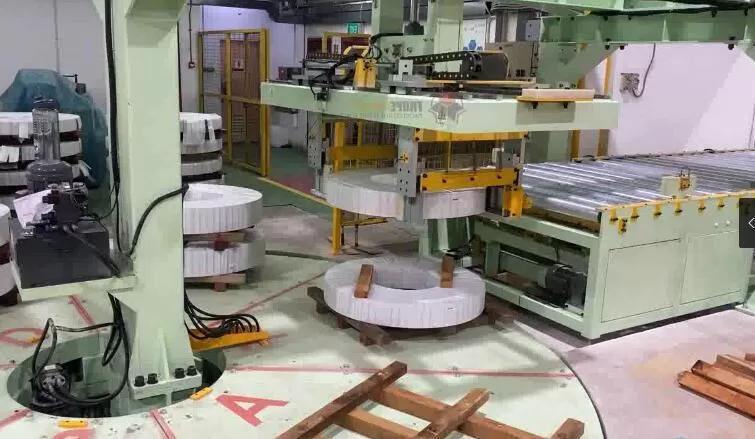
Clauses for Capacity Adjustment:
- Scalability Provisions: Ensure the contract allows for adjusting the packing line's throughput capacity—up or down—within defined parameters and notice periods. Specify any associated cost adjustments or limitations.
- Modular Design Preference: Where possible, favor packing line solutions with modular designs, allowing physical capacity changes (e.g., adding/removing wrapping stations, conveyors) more easily than fully integrated systems.
- Flexible Staffing Models: For lines requiring manual intervention, include terms allowing adjustments to labor requirements based on production volume, potentially linking staffing levels to throughput targets.
- Temporary Capacity Solutions: Define options for handling short-term demand peaks or troughs, such as temporary equipment rental (if feasible) or agreed-upon overtime/reduced shift protocols.
Incorporating capacity flexibility ensures your operations can adapt efficiently to changing market demands, optimizing resource utilization and cost-effectiveness.
3. Leveraging Multi-Year Service Agreements for Adaptability
Service agreements covering maintenance, repairs, and technical support are integral to long-term contracts. These agreements must also be flexible to truly support evolving operational needs.
Crafting Flexible Service Contracts:
- Condition-Based Maintenance (CBM): Move beyond fixed maintenance schedules. Incorporate terms allowing maintenance activities triggered by real-time equipment monitoring (e.g., sensors detecting wear) or performance data (predictive maintenance), ensuring service is performed when needed, potentially reducing costs and downtime.
- Adjustable Service Levels: Allow for changes in the scope or frequency of service based on actual production hours, equipment performance (KPIs), or changes in operational criticality.
- Remote Diagnostics and Support: Leverage IoT capabilities by including provisions for remote monitoring, diagnostics, and troubleshooting. This can significantly reduce response times and the need for costly on-site visits for minor issues. Ensure data security protocols are robust.
- Spare Parts Management Flexibility: Define flexible options for spare parts inventory (e.g., supplier-managed inventory, consignment stock) that can adapt to changing usage patterns or criticality assessments.
A flexible service level agreement (SLA) ensures optimal equipment uptime and performance without the rigidity and potential waste of fixed-schedule servicing.
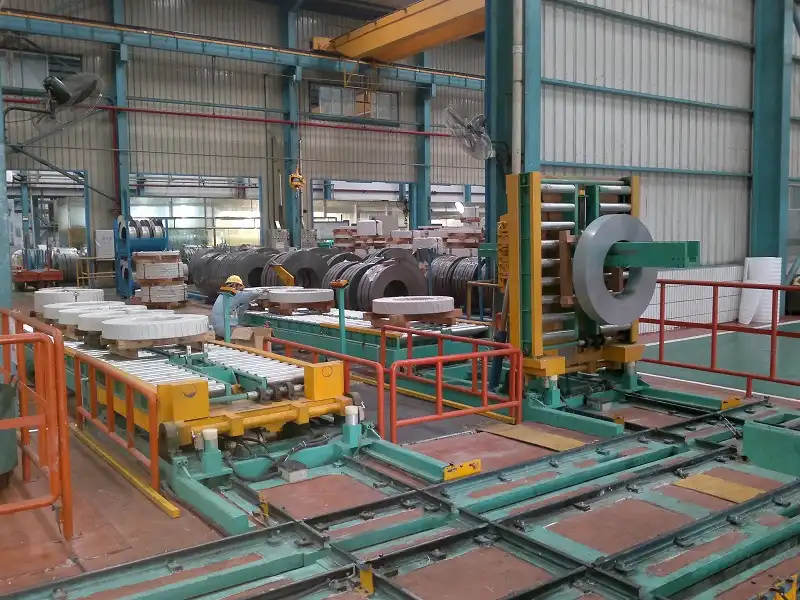
4. Balancing Long-Term Stability with Contractual Flexibility
While flexibility is vital, it must be balanced with the need for long-term stability and predictability that contracts are meant to provide. Excessive or poorly defined flexibility can introduce uncertainty and undermine the agreement's foundation.
Strategies for Achieving Balance:
- Define Core vs. Variable Terms: Clearly distinguish between core contract elements that remain stable (e.g., fundamental safety standards, intellectual property rights, base contract duration) and variable elements where flexibility is permitted (e.g., pricing adjustments, capacity scaling, technology upgrades).
- Establish Clear Change Control Procedures: Implement a robust, documented process for proposing, evaluating, negotiating, and approving any changes to the contract's flexible terms. This ensures modifications are deliberate, mutually agreed upon, and properly recorded.
- Define Trigger Events and Parameters: Specify the conditions or thresholds that must be met to activate flexibility clauses (e.g., market index change exceeding X%, sustained production volume deviation of Y%). Set clear limits on the extent of permissible adjustments.
- Mutual Risk/Reward Sharing: Structure flexibility clauses so that both parties share reasonably in the risks and potential benefits arising from adjustments (e.g., sharing cost savings from technology upgrades or jointly managing costs associated with unforeseen market downturns).
Finding this equilibrium ensures the contract provides a stable operational framework while remaining adaptable enough to meet future challenges and opportunities effectively. This is a cornerstone of effective contract lifecycle management.
5. Incorporating Clear Exit Clauses and Renegotiation Points
Even in the best long-term partnerships, unforeseen circumstances can arise that necessitate ending or significantly altering the agreement. Well-defined exit clauses and renegotiation points provide a necessary safety net.
Types of Exit and Review Provisions:
- Force Majeure: Include standard provisions addressing unforeseeable events (natural disasters, pandemics, major political upheaval) that prevent contract fulfillment, outlining the consequences (e.g., temporary suspension, termination rights).
- Termination for Cause: Define specific conditions under which one party can terminate the contract due to the other party's failure to meet critical obligations (e.g., consistent failure to meet agreed performance metrics, safety violations, insolvency). Specify cure periods and procedures.
- Termination for Convenience: Consider including clauses allowing termination without cause, typically requiring a longer notice period and potentially involving pre-agreed termination fees or compensation to protect the other party's investment.
- Scheduled Renegotiation Points: Build specific dates or milestones into the contract (e.g., every 3 or 5 years) where key terms (like pricing, service levels, technology relevance) are formally reviewed and potentially renegotiated based on current conditions and future forecasts.
- Change of Control Clauses: Address what happens if either party undergoes a significant ownership change (e.g., merger or acquisition), potentially triggering review or termination rights.
These clauses provide crucial exit strategies and adjustment opportunities, preventing businesses from being trapped in contracts that no longer serve their strategic interests.
6. Embedding Innovation and Continuous Improvement Clauses
A truly forward-looking contract encourages ongoing improvement. Incorporating innovation clauses ensures that both parties are motivated to seek and implement enhancements to the steel coil packing line throughout the contract term.
Elements of Innovation Clauses:
- Commitment to Evaluate New Technologies: Obligate both parties (or primarily the supplier) to regularly identify and evaluate relevant technological advancements (e.g., improved wrapping materials, faster robotic systems, enhanced safety features) for potential integration.
- Process Optimization Reviews: Schedule periodic reviews focused specifically on identifying opportunities for process optimization, waste reduction, energy efficiency improvements, and cycle time reduction.
- Collaborative Improvement Initiatives: Include provisions for joint working groups or projects aimed at developing or implementing innovative solutions, potentially outlining frameworks for sharing costs and benefits of successful initiatives.
- Benchmarking Requirements: Mandate periodic benchmarking of the packing line's performance against industry standards or best-in-class operations to identify areas for improvement.
Fostering a culture of continuous improvement within the contractual framework ensures the packing line delivers maximum value over its entire lifespan.

7. Establishing Robust Performance Monitoring and Reporting
Flexibility should be data-driven. Implementing clear performance monitoring and reporting mechanisms ensures that adjustments are based on objective evidence, not assumptions.
Key Monitoring and Reporting Components:
- Defined Key Performance Indicators (KPIs): Mutually agree on specific, measurable, achievable, relevant, and time-bound (SMART) KPIs. Examples include Overall Equipment Effectiveness (OEE), throughput rates, packing quality/defect rates, energy consumption per coil, and maintenance response times.
- Regular Performance Review Meetings: Mandate periodic meetings (e.g., monthly or quarterly) where performance data is reviewed, trends are analyzed, issues are discussed, and potential contract adjustments (activating flexibility clauses) are considered.
- Data Access and Transparency: Ensure both parties have timely access to accurate performance data generated by the packing line's control systems or monitoring tools. Define data ownership and usage rights clearly.
- Reporting Formats and Frequency: Specify the format, content, and frequency of performance reports to ensure consistency and ease of analysis.
Effective monitoring provides the visibility needed to manage the contract proactively and leverage flexibility clauses appropriately.
8. Ensuring Scalability Aligned with Business Growth
Your business needs will likely evolve. A flexible contract must anticipate potential growth (or contraction) by incorporating scalability provisions.
Building Scalability into the Contract:
- Modular Equipment Design: Prioritize suppliers offering modular equipment solutions where capacity can be increased or decreased by adding or removing specific modules (e.g., additional wrapping units, conveyor sections) without replacing the entire line.
- Pre-Defined Expansion Plans: If growth is anticipated, discuss and potentially outline pre-agreed expansion options, including technical specifications, estimated costs, and lead times for additional capacity.
- Utility and Space Planning: Ensure the initial installation considers potential future expansion in terms of floor space, power supply, compressed air, and data connectivity requirements.
- Capacity Adjustment Thresholds: Link scalability options to specific, sustained changes in production volume forecasts or actual output, triggering reviews or activating pre-agreed expansion/contraction plans.
Designing for scalability ensures your packing line investment can adapt to your long-term business trajectory.
9. Aligning Contract Length with Flexibility Needs
The required degree of flexibility is often related to the contract's duration. Longer contracts inherently face more potential changes in technology, markets, and business needs, thus demanding more comprehensive flexibility clauses.
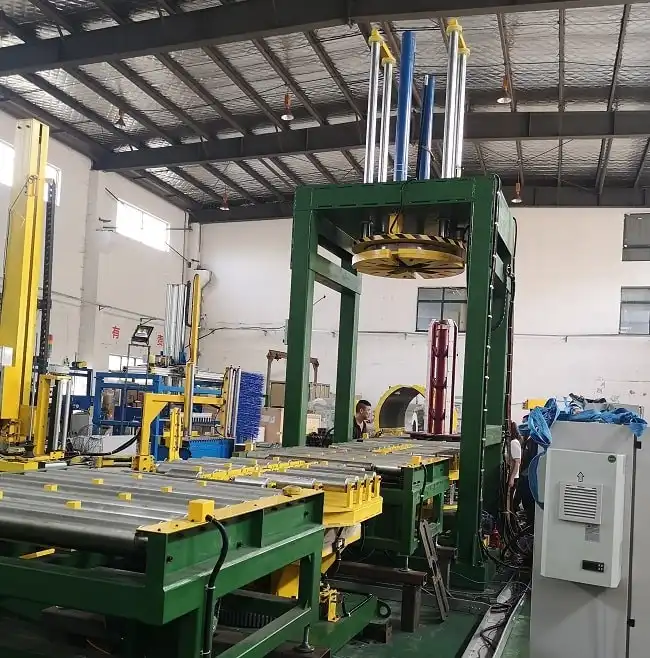
Considerations for Contract Length and Flexibility:
- Technology Lifecycle: Align the contract duration with the expected useful lifecycle of the core packing line technology. Very long contracts for rapidly evolving technology might require more frequent or robust upgrade/refresh clauses.
- Market Volatility: In highly volatile sectors, shorter contract terms or longer contracts with more frequent renegotiation points might be preferable to mitigate risks associated with locking in terms for extended periods.
- Investment Amortization: Balance the need for flexibility with the supplier's need to amortize their investment over a reasonable period. This might influence termination fees or the cost structure of flexibility options.
- Renewal Clauses: Include clear terms for contract renewal, specifying the process, notice periods, and the opportunity to renegotiate terms based on performance and current conditions before committing to another term.
Carefully consider the interplay between contract length and flexibility provisions to create an agreement that offers both stability and adaptability.
10. Fostering a Collaborative Partnership for Long-Term Success
Ultimately, a flexible and successful long-term contract relies on a strong, collaborative partnership between the client and the supplier. Flexibility clauses work best when implemented in an environment of open communication, mutual trust, and shared objectives.
Building a Strong Supplier Partnership:
- Establish Clear Communication Protocols: Define key points of contact, regular meeting schedules (beyond formal performance reviews), and preferred communication channels for operational issues, strategic discussions, and change management.
- Promote Joint Problem-Solving: Cultivate an atmosphere where challenges are addressed collaboratively rather than confrontationally. Encourage joint root cause analysis and solution development.
- Align Strategic Goals: Ensure both parties understand each other's strategic objectives related to the packing line (e.g., cost reduction, throughput increase, quality improvement) and structure incentives accordingly.
- Implement Fair Governance Structures: Establish clear governance mechanisms for decision-making, dispute resolution, and managing contract changes to ensure fairness and transparency.
A partnership approach transforms the contract from a static document into a dynamic framework for mutual success and continuous adaptation. For further reading on industry standards, consult resources from organizations like the Association for Iron & Steel Technology (AIST). (Note: Replace with a highly relevant, authoritative external link if a specific standard or report is applicable).
Conclusion: Achieving Enduring Value Through Flexible Steel Coil Packing Contracts
Embedding flexibility into your long-term steel coil packing line contract is not merely advantageous; it's a strategic imperative for navigating the complexities of the modern steel industry. By proactively incorporating adaptable provisions for pricing, technology integration, production capacity, service agreements, innovation, and performance monitoring, you create a resilient operational framework.
Balancing this flexibility with appropriate stability, clear exit strategies, and a commitment to partnership ensures your contract can withstand market shifts, technological evolution, and changing business requirements. Whether negotiating anew or optimizing an existing agreement, prioritizing flexibility empowers your business to reduce risk, control costs, maintain competitiveness, and extract maximum long-term value from your steel coil packing operations.