How Pallet Inverters Can Reduce Product Damage and Improve Handling Efficiency

In today's demanding logistics and warehousing environments, optimizing material handling processes, minimizing costly product damage, and boosting overall operational efficiency are critical goals. An innovative solution contributing significantly to these objectives is the pallet inverter. This specialized equipment is designed to safely rotate palletized loads, enabling efficient pallet exchange or load repositioning. By automating or simplifying this process, pallet inverters reduce reliance on manual handling, mitigate damage risks, and significantly improve workflow efficiency. This article explores how pallet inverters achieve these benefits, their key applications, and important factors to consider when implementing this technology.
1. Understanding the Pallet Inverter
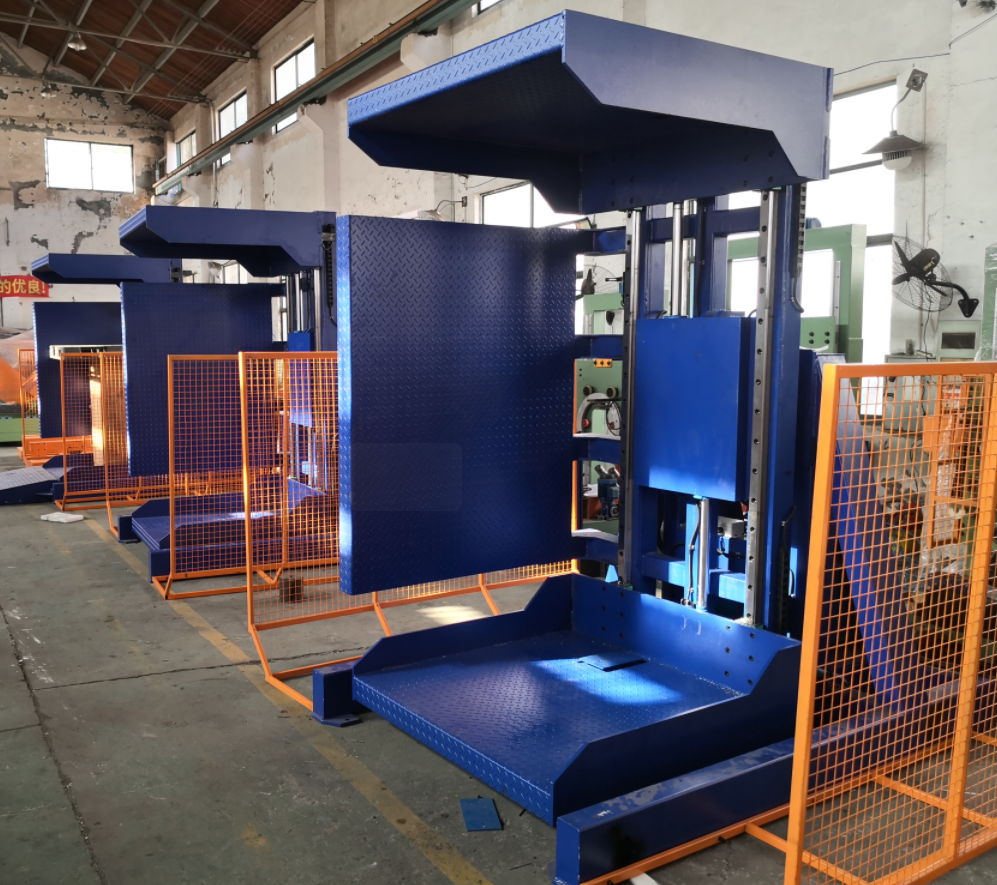
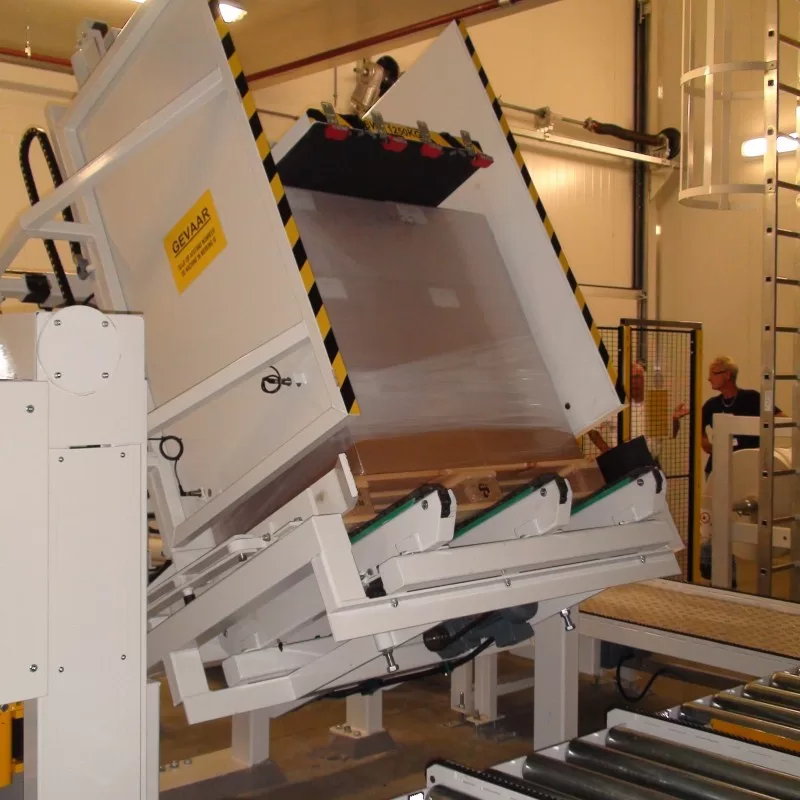
A pallet inverter is a piece of material handling equipment designed to rotate a pallet and its load, typically through 180 degrees. This allows warehouse personnel or automated systems to exchange pallets—perhaps from wood to plastic for hygienic areas, remove damaged pallets, or transfer goods to shipping pallets—without manually destacking and restacking the products. The core function is to clamp the load securely, rotate it, and allow the original pallet to be removed and replaced. This capability is particularly valuable in industries where product integrity and handling speed are crucial, such as food processing, pharmaceuticals, and distribution of fragile goods.
Key Characteristics:
- Load Rotation: Provides controlled rotation, usually 180 degrees, sometimes 90 degrees depending on the model and application.
- Operation Modes: Available in various configurations, from manual control to semi-automated and fully automated systems integrated into conveyor lines.
- Handling Capacity: Designed to accommodate a range of pallet dimensions (e.g., GMA, CHEP, Euro pallets) and load weights, often up to 2000 kg (4400 lbs) or more.
- Secure Clamping: Utilizes pressure-controlled clamping mechanisms to secure the load during inversion, preventing shifting or damage.
pallet1 2. How Pallet Inverters Minimize Product Damage
Product damage during material handling represents a significant cost through lost inventory, customer dissatisfaction, and operational delays. Pallet inverters directly address several common causes of damage:
a. Reducing Manual Handling Touchpoints
Excessive manual handling is a primary driver of product damage. Lifting, moving, and restacking individual cases or layers increases the risk of drops, impacts, and incorrect stacking. Pallet inverters automate the most strenuous and risky part of pallet exchange, keeping the load unitized and secure throughout the process, thus drastically lowering damage rates associated with manual intervention.
b. Ensuring Load Stability During Transfer
Manually transferring a load from one pallet to another can destabilize the stack. Pallet inverters clamp the entire load securely before rotation, maintaining its integrity. The controlled inversion process minimizes shocks and G-forces, which is critical for fragile items like glass containers, ceramics, electronic components, or unstable loads like bags or pails.
c. Preserving Product and Packaging Integrity
For industries with stringent quality standards (e.g., pharmaceuticals, food and beverage), maintaining pristine product condition and packaging is vital. Pallet inverters enable pallet exchange without needing to touch the primary product packaging. This prevents contamination, maintains cold chain integrity where applicable, and avoids damage to boxes or wrapping essential for branding and consumer safety. Transferring loads to hygienic plastic pallets before entering cleanroom environments is a common application driven by this benefit.
3. Visualizing the Process: How Pallet Inverters Work
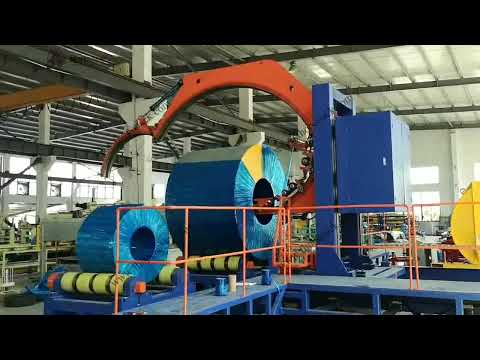
To better understand the mechanics, watch this short demonstration showing different types of pallet inverters in action:
4. Boosting Handling Efficiency with Pallet Inverters
Improving throughput and optimizing workflows are key performance indicators in logistics. Pallet inverters contribute significantly to handling efficiency:
a. Accelerating Pallet Exchange Cycles
Manual pallet exchange is labor-intensive and slow, potentially taking many minutes per pallet. A pallet inverter can complete the entire cycle—clamping, inverting, exchanging the pallet, and returning the load—often in 60 seconds or less, depending on the model and integration. This dramatic reduction in cycle time boosts warehouse throughput and frees up labor for other tasks.
b. Streamlining Diverse Handling Needs
Modern pallet inverters are versatile, often capable of handling various pallet sizes, types (wood, plastic, metal), and load configurations within specified limits. This flexibility allows a single machine to serve multiple functions or product lines, simplifying material flow and reducing the need for multiple specialized handling methods. Applications range from simple pallet swaps to recovering damaged goods at the bottom of a stack or rotating products for specific processes.
c. Enabling Automation and Integration
Many pallet inverters are designed for integration into automated systems. They can receive pallets via forklift, AGV (Automated Guided Vehicle), or conveyor, perform the inversion cycle automatically, and dispatch the load downstream. This level of automation minimizes human intervention, reduces labor costs, increases consistency, and eliminates errors associated with manual operations, leading to significant operational cost reduction.
5. Key Applications Across Industries
The benefits of pallet inverters make them valuable across numerous sectors where efficient and safe pallet load handling is essential:
a. Food and Beverage
Essential for managing perishable goods, ensuring hygiene standards by transferring loads from wooden pallets to sanitized plastic or aluminum pallets before entering production or storage areas. Also used to quickly replace damaged pallets under loads of canned goods, bottles, or bags without compromising the product.
b. Pharmaceuticals and Chemicals
Critical for maintaining product integrity and preventing contamination. Used to handle sensitive chemicals, bagged powders, or finished pharmaceutical goods safely. Facilitates compliance with strict handling protocols and cleanroom requirements.
c. Warehousing, Distribution, and Logistics
Widely used in high-volume distribution centers to manage incoming goods on non-standard or damaged pallets, transfer loads to uniform internal or shipping pallets (like CHEP or PECO), consolidate loads, or prepare outbound shipments. They help minimize handling bottlenecks and ensure smooth supply chain management.
d. Printing and Packaging
Used to invert stacks of paper or finished printed materials for feeding into presses or finishing equipment, or for transferring loads between processes without damaging delicate edges or surfaces.
Get Your Best Solution !
6. Reducing Labor Costs and Enhancing Worker Safety
Manual handling of heavy pallet loads is physically demanding and carries risks. Pallet inverters offer solutions:
a. Lowering the Risk of Musculoskeletal Injuries
Manually unstacking and restacking heavy loads is a major contributor to workplace injuries, particularly back strain. Pallet inverters eliminate this hazardous manual task, significantly improving ergonomics and worker safety. This aligns with guidelines from safety bodies like OSHA regarding safe material handling practices. (See OSHA resources on Material Handling and Storage).
b. Mitigating Worker Fatigue and Improving Focus
Repetitive heavy lifting causes fatigue, which slows productivity and increases the likelihood of errors and accidents. By automating the inversion process, pallet inverters reduce physical strain, allowing workers to remain more alert and focus on tasks requiring judgment and skill, rather than brute force.
7. Selecting the Right Pallet Inverter: Key Considerations
Choosing the appropriate pallet inverter requires careful assessment of your specific operational needs. Consider these parameters:
a. Load Specifications:
- Capacity: Maximum weight of the loads you need to handle.
- Dimensions: Range of load heights, widths, and depths.
- Type of Load: Stability, fragility, and nature of the product (boxes, bags, drums, etc.).
b. Pallet Compatibility:
- Types of pallets used (e.g., wood, plastic, metal, block, stringer).
- Pallet dimensions (standard and non-standard sizes).
c. Operational Requirements:
- Loading Method: Forklift, pallet jack, conveyor, AGV. Floor-level loading models eliminate the need for ramps or pits.
- Cycle Time: Required speed to meet throughput targets.
- Level of Automation: Manual control, push-button semi-automatic, or fully integrated automatic operation.
- Footprint: Available space for the machine installation.
d. Safety Features:
- Presence of safety guarding, light curtains, emergency stops, and controlled clamping pressure systems.
e. Integration and Maintenance:
- Compatibility with existing Warehouse Management Systems (WMS) or conveyor systems if automation is planned.
- Ease of maintenance access and availability of support/spares.
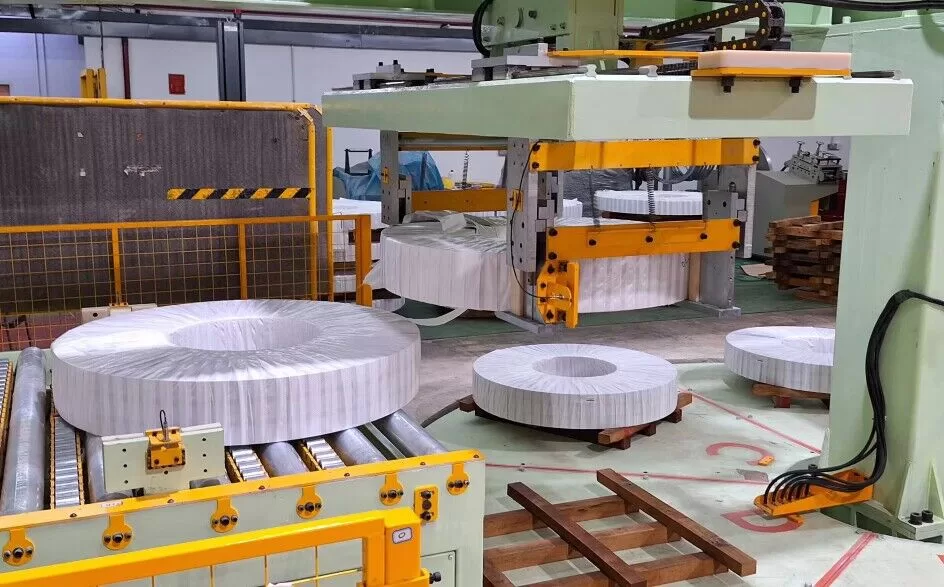
steel coil palletizing3 8. Illustrative Examples: Pallet Inverters in Practice
Real-world implementations highlight the tangible benefits:
a. Beverage Distribution Center
- Problem: High rates of product damage (broken bottles, crushed cans) during manual transfer from incoming pallets to standardized internal pallets. Significant labor time spent on this task.
- Solution: Implemented a free-standing, 180-degree pallet inverter near the receiving docks.
- Outcome: Reported a significant reduction in product damage (estimated 30-50%), faster receiving processes, and reallocation of labor previously tied up in manual restacking. Handling speed per pallet improved dramatically.
b. Pharmaceutical Facility
- Problem: Need to transfer temperature-sensitive raw materials from wooden pallets to sanitized plastic pallets before entering a clean production area, without compromising product integrity or risking contamination. Manual transfer was slow and raised compliance concerns.
- Solution: Integrated an automated, stainless steel pallet inverter into the material airlock system.
- Outcome: Achieved full compliance with hygiene protocols, eliminated contamination risks associated with wood pallets, significantly reduced transfer time, and maintained product temperature control throughout the process.
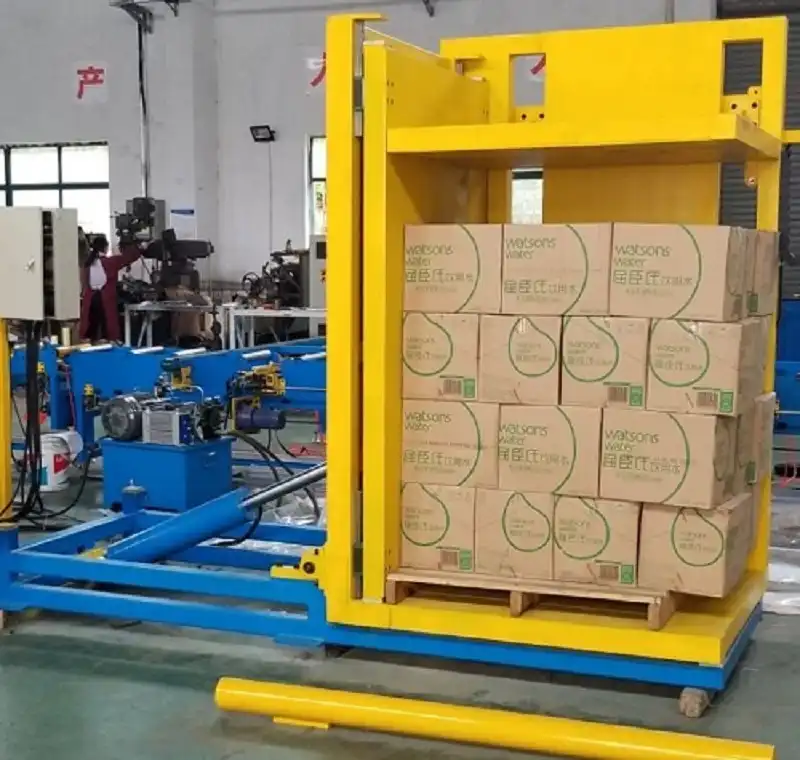
95 degree pallet tipper5 Conclusion
Pallet inverters are powerful tools for optimizing modern material handling operations. By significantly reducing the need for manual intervention in pallet exchange tasks, they directly address major challenges like product damage, handling inefficiencies, and worker safety risks. Their versatility makes them suitable for a wide array of industries, from food and beverage to pharmaceuticals and general logistics. Investing in the right pallet inverter technology can lead to substantial improvements in operational efficiency, reduced waste, lower labor costs, and a safer work environment. When evaluating handling solutions, carefully considering the capabilities and benefits of pallet inversion can unlock significant value for your supply chain.
Get Your Best Solution !