A Deep Dive into Quality Audits for Automatic Panel Strapping Machines
In modern manufacturing and logistics, the reliability of equipment like automatic panel strapping machines is paramount. These machines play a critical role in securing goods for transit and storage. Rigorous quality audits are essential to guarantee these machines meet demanding performance standards and operate safely and efficiently. This article outlines the key aspects of conducting thorough quality audits for automatic panel strapping equipment.
The Role of Automatic Panel Strapping Machines in Operations
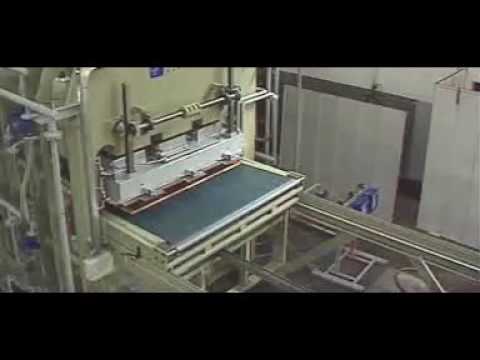
Automatic panel strapping machines are engineered to efficiently apply straps around panels or bundles, securing them for handling, shipping, and storage. By automating this process, they significantly enhance operational throughput, reduce the need for manual intervention, and improve the consistency of load securement. Given their importance, ensuring their operational quality is non-negotiable.
Why Quality Audits are Crucial for Strapping Equipment
A quality audit represents a systematic and independent examination to determine whether quality activities and related results comply with planned arrangements and whether these arrangements are implemented effectively and are suitable to achieve objectives. For automatic panel strapping machines, audits provide critical verification that the equipment:
- Adheres to design specifications and safety standards.
- Is constructed from durable, appropriate materials.
- Functions reliably under expected operational conditions.
- Meets industry regulations and customer expectations.
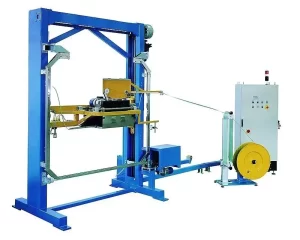
board strapping machine Core Elements of a Comprehensive Quality Audit

A robust quality audit for strapping machinery typically involves several key stages:
Design and Specifications Review
This initial phase scrutinizes the machine's engineering blueprints and technical specifications. The audit verifies that the design aligns with functional requirements, safety protocols, and relevant industry standards (e.g., ISO, ANSI). Key checks include load capacity calculations, component selection rationale, and safety feature integration.
Material Inspection and Verification
The longevity and performance of a strapping machine heavily depend on the materials used. Audits involve inspecting incoming raw materials and components. This includes:
- Verifying material certifications (e.g., steel grade, component compliance).
- Performing tests (where applicable) to confirm material properties.
- Ensuring materials can withstand the operational stresses and environmental conditions they will encounter.
Manufacturing Process Evaluation
The audit examines the entire manufacturing and assembly process. This includes assessing:
- Adherence to standardized assembly procedures.
- Calibration of tools and equipment used in production.
- Quality control checkpoints throughout the assembly line.
- Workmanship standards (e.g., welding quality, wiring neatness, fastener torque).
Rigorous Testing Protocols for Performance and Reliability
Post-assembly, the machine undergoes extensive testing, which is a critical part of the quality audit trail.
Functional Testing
This involves operating the machine across its full range of intended functions. Key aspects include:
- Testing with various panel sizes, weights, and configurations.
- Verifying strap tensioning accuracy and consistency.
- Checking cycle times and throughput against specifications.
- Assessing the performance of automated features (e.g., sensor accuracy, control logic).
Load and Endurance Testing
Simulating real-world conditions, load testing pushes the machine to its specified limits to confirm structural integrity and functional stability under stress. Endurance testing involves running the machine for extended periods to identify potential wear, fatigue, or overheating issues.

Safety System Verification
Safety is paramount. Audits meticulously verify all safety mechanisms:
- Functionality of emergency stops.
- Integrity and proper placement of safety guards and interlocks.
- Compliance with electrical safety standards.
- Clear and correct safety labeling and warnings.
Adherence to Industry Standards and Certifications
Compliance with recognized standards provides objective evidence of quality and safety.
ISO Standards Compliance
Conformance with standards like ISO 9001 (Quality Management Systems) demonstrates a commitment to quality throughout the design, manufacturing, and testing processes. Other relevant ISO standards pertaining to machinery safety might also apply.
Regulatory and Regional Compliance
Audits ensure the machine complies with all applicable national and international regulations. This can include CE marking for Europe, OSHA requirements in the US, or other specific safety and environmental directives pertinent to the machine's intended market.
Leveraging Audits and Feedback for Continuous Improvement
Quality audits are not just a final check; they are part of a cycle of continuous improvement.
Incorporating Audit Findings
Non-conformities or areas for improvement identified during audits feed back into the design and manufacturing processes. Corrective and preventive actions (CAPAs) are implemented to address root causes.
Utilizing Customer Feedback
End-user feedback provides invaluable real-world performance data. This information, combined with audit results, drives iterative enhancements to machine design, functionality, and user experience.
The Role of Operator Training and Technical Support
While not part of the machine audit itself, ensuring users are well-supported contributes to the machine's perceived quality and lifespan.
- Operator Training: Proper training ensures the machine is operated correctly and safely, maximizing efficiency and minimizing errors or misuse.
- Technical Support: Accessible and effective technical support aids in troubleshooting and maintenance, reducing downtime and ensuring long-term reliability.
Impact of Technological Advancements on Strapping Machine Quality
Modern strapping machines often incorporate advanced technologies that also fall under the scope of quality audits.
Smart Technology and Automation Integration
Audits may need to verify the functionality and reliability of integrated smart features, such as PLCs, HMIs, sensors, and automated diagnostic systems. Software validation becomes a crucial component.
IoT Connectivity and Data Analytics
For machines equipped with IoT capabilities, audits should assess data security, connectivity reliability, and the accuracy of data provided for remote monitoring and predictive maintenance.
Environmental Responsibility in Machine Design and Operation
Sustainability is increasingly important. Audits can also consider environmental aspects:
Use of Sustainable Materials
Preference for recyclable or sustainably sourced materials where feasible.
Energy Efficiency
Verification that the machine meets designed energy consumption targets, minimizing operational costs and environmental footprint.
Illustrative Examples: The Impact of Quality-Assured Machines
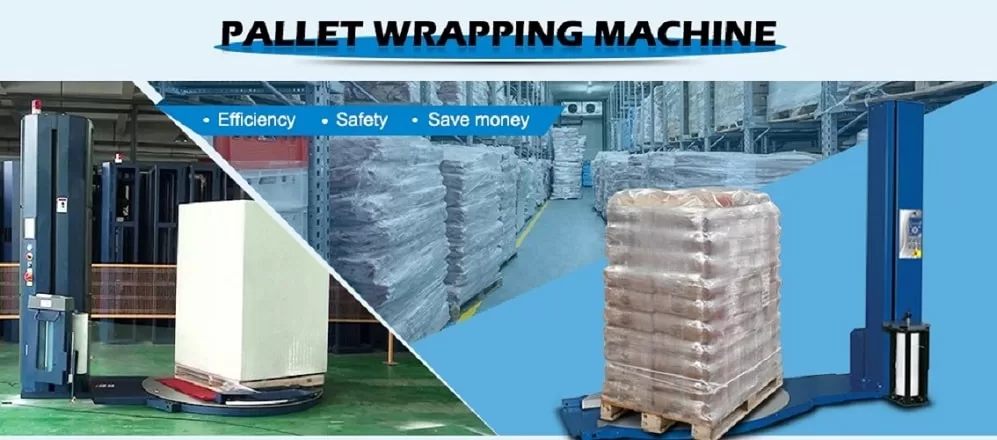
- Manufacturing: Facilities employing rigorously audited strapping machines report higher uptime, consistent package integrity, and reduced product damage during internal handling and outbound shipping.
- Logistics & Distribution: Companies benefit from reliable load securement, leading to fewer transit-related damages, improved customer satisfaction, and more efficient warehouse operations.
Conclusion: The Foundation of Reliable Panel Strapping Operations
Comprehensive quality audits are indispensable for ensuring that automatic panel strapping machines deliver the performance, reliability, and safety required in demanding industrial environments. By systematically reviewing design, materials, manufacturing processes, and performance testing, and by adhering to stringent industry standards, manufacturers can provide equipment that truly enhances productivity and protects valuable goods. This commitment to quality forms the bedrock of efficient and safe panel strapping operations worldwide.