Optimizing Tray Packaging Operations with Automated Software Solutions
Introduction to Automated Tray Packaging
In demanding manufacturing environments, tray packaging is essential for protecting, organizing, and presenting products across diverse sectors like food and beverage, pharmaceuticals, medical devices, electronics, and consumer goods. As businesses continuously seek operational improvements and cost efficiencies, integrating automated software technology into tray packaging lines offers a powerful competitive edge. This article details how automation transforms tray packaging operations, outlining the operational benefits, integration considerations, and key technological advancements shaping the industry.
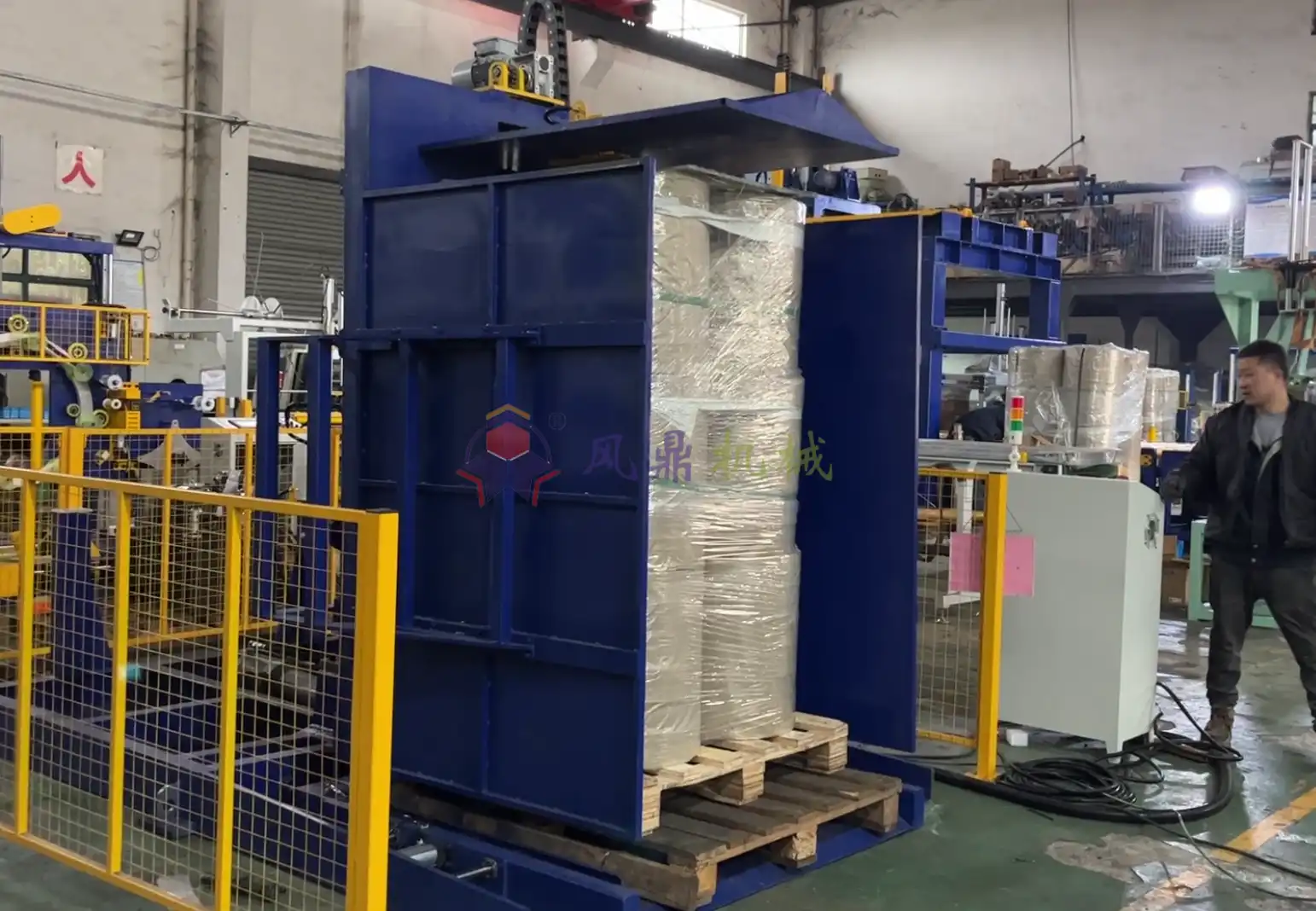
Understanding the Automated Tray Packaging Process
Tray packaging encompasses securing products within pre-formed trays for handling, storage, transport, and retail display. Automated systems manage various stages of this process, often including:
- Tray Denesting: Separating and feeding empty trays onto the line.
- Product Loading: Accurately placing products into trays (often using robotics or specialized mechanics).
- Sealing/Lidding: Applying and sealing lids or film to secure the contents.
- Labeling and Coding: Applying necessary labels, barcodes, or date codes.
- Inspection: Quality checks using vision systems or sensors.
- End-of-Line Handling: Case packing or palletizing finished trays.
Packaging automation software acts as the central nervous system, orchestrating these mechanical components, monitoring performance, managing different product recipes, and integrating the line with broader factory systems.
Key Benefits of Automating Tray Packaging Lines
Implementing automated software solutions yields significant operational advantages:
1. Enhanced Throughput and Efficiency
Automated systems operate continuously at high speeds with consistent precision, far exceeding manual capabilities. This dramatically increases production output, reduces cycle times, and helps meet fluctuating market demands effectively.
2. Improved Accuracy and Consistency
Automation minimizes human error in tasks like product placement, sealing integrity, and label application. This ensures uniform package quality, reduces rejects and rework, and maintains brand standards – crucial in highly regulated industries like pharmaceuticals and medical devices.
3. Reduced Operational Costs
While requiring initial investment, automation delivers long-term savings by:
- Lowering direct labor costs.
- Minimizing material waste through precise handling and sealing.
- Reducing product damage during packaging.
- Optimizing energy consumption through coordinated machine operation.
4. Greater Scalability and Flexibility
Automated lines controlled by sophisticated software can quickly switch between different product types or tray sizes with minimal downtime (often through recipe selection). This allows manufacturers to adapt production schedules rapidly and scale operations efficiently.
5. Enhanced Quality Control and Compliance
Integrated sensors and vision systems, managed by the automation software, provide real-time quality checks (e.g., seal integrity, label correctness, product count). The software logs production data, aiding traceability and compliance with industry regulations (e.g., FDA requirements in food and pharma).

Video Alt Text: Demonstration of a robotic arm precisely loading products into packaging trays on an automated line.
Core Capabilities of Modern Packaging Automation Software
Effective packaging automation software provides several key functionalities:
Process Control and Integration
The software directly controls motors, sensors, robotics, and other hardware components, ensuring synchronized operation across the entire packaging line.
Real-Time Monitoring and Analytics
Dashboards display key performance indicators (KPIs) like Overall Equipment Effectiveness (OEE), throughput rates, downtime reasons, and quality metrics. This allows operators and managers to monitor performance live and identify areas for improvement.

Image Alt Text: Screenshot of automated packaging software dashboard showing production metrics like OEE and throughput.
Recipe Management and Customization
Software enables storing and quickly recalling parameters (e.g., machine speeds, temperatures, robotic paths) for different products and packaging formats, facilitating fast changeovers. Customization options allow tailoring the system to specific operational needs.
System Integration (ERP/MES/SCADA)
Modern software seamlessly integrates with higher-level factory systems like Enterprise Resource Planning (ERP), Manufacturing Execution Systems (MES), and Supervisory Control and Data Acquisition (SCADA). This enables bidirectional data flow for production scheduling, inventory management, and comprehensive reporting. (Learn more about [MES integration benefits] - placeholder for internal link).
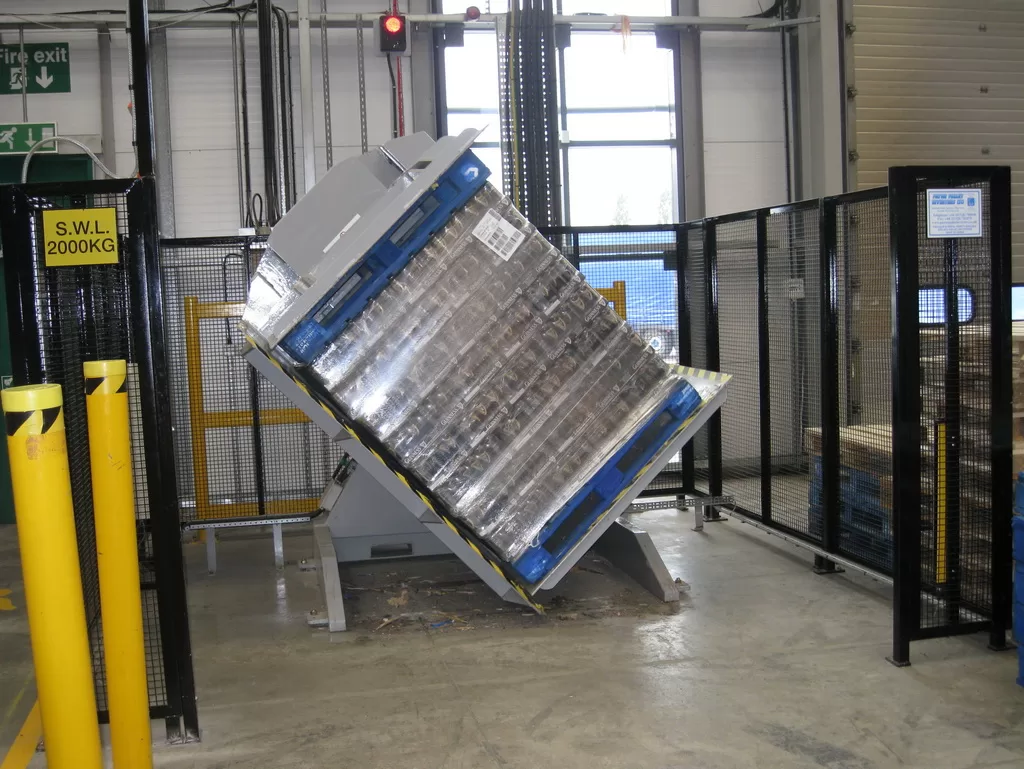
Implementing Automated Tray Packaging Systems: Key Considerations
Transitioning to automation requires careful planning:
1. Thorough Needs Assessment and ROI Analysis
- Clearly define project goals (e.g., increase throughput by X%, reduce errors by Y%).
- Analyze current processes to pinpoint bottlenecks best addressed by automation.
- Conduct a realistic Return on Investment (ROI) calculation, considering initial costs versus long-term savings in labor, waste, and quality improvements.
2. Strategic Vendor and Software Selection
- Choose vendors with proven experience in your specific industry and application.
- Evaluate software based on functionality, ease of use, integration capabilities, scalability, and support.
- Request demonstrations and check references.
3. Detailed Integration Planning
- Map out how the new automated system will fit within the existing production floor layout and workflow.
- Plan for necessary facility modifications (power, compressed air, data networks).
- Develop a clear strategy for integrating the new software with existing factory IT systems (ERP, MES).
4. Installation, Commissioning, and Training
- Allocate sufficient time and resources for professional installation and thorough commissioning (testing).
- Invest heavily in operator and maintenance technician training to ensure proper operation, troubleshooting, and upkeep of the system. Address potential resistance to change through clear communication about benefits and roles.
5. Continuous Improvement and Support
- Utilize the software's monitoring and analytics features to continually track performance and identify optimization opportunities.
- Establish a relationship with the vendor for ongoing technical support, software updates, and potential future upgrades.
Applications Across Key Industries
Automated tray packaging solutions are vital in:
- Food and Beverage: High-speed packaging of ready meals, fresh produce, meats, cheeses, and baked goods, ensuring product freshness, safety, and shelf appeal. Automation handles modified atmosphere packaging (MAP) and precise sealing crucial for shelf-life extension.
- Pharmaceuticals and Medical Devices: Critical for packaging pills, vials, syringes, and sterile devices, demanding extreme accuracy, traceability (serialization), and compliance with strict regulatory standards (e.g., GMP, FDA 21 CFR Part 11). (See [FDA packaging guidelines] - placeholder for external link to authoritative source).
- Electronics: Securely packaging sensitive components, preventing damage from static discharge or physical impact. Accuracy in placement and protective measures is key.
- Consumer Goods: Efficiently packaging items like cosmetics, hardware, or office supplies, balancing speed, cost-effectiveness, and attractive presentation.
Emerging Trends Shaping Automated Tray Packaging
The field is continually evolving with advancements like:
- Advanced Robotics and Vision Systems: More dexterous robots and AI-powered vision systems enable handling of complex or delicate products, improve inspection accuracy, and enable adaptive automation.
- AI and Machine Learning: Used for predictive maintenance (anticipating machine failures), dynamic scheduling adjustments, and optimizing process parameters in real-time for peak efficiency and quality.
- Sustainability Focus: Automation software helps optimize material usage (e.g., thinner films, right-sized trays) and manage lines designed for recyclable or compostable packaging materials, supporting corporate sustainability goals.
- IoT and Enhanced Connectivity: Increased use of IoT sensors provides richer data streams, enabling better remote monitoring, diagnostics, and integration within the broader smart factory ecosystem (Industry 4.0).
Video Alt Text: Industry expert discussing future trends in packaging automation, including AI and sustainability.
Conclusion: Embracing Automation for Competitive Advantage
Automated software technology is fundamental to modernizing tray packaging operations. By significantly boosting efficiency, accuracy, and flexibility while reducing long-term costs, automation empowers manufacturers to meet market demands, comply with regulations, and maintain a competitive edge. While implementation requires careful planning and investment, the operational benefits are compelling. As technology advances, particularly in robotics, AI, and connectivity, the capabilities of automated tray packaging systems will only expand, making strategic adoption essential for forward-thinking manufacturers seeking operational excellence.