Optimizing Wire and Cable Handling: A Look at Automated Coiling and Packaging Systems
Efficiently managing wire and cable is a critical aspect of many manufacturing and distribution operations. Automated cable coiling machines and coil packaging lines represent significant advancements in streamlining these processes, enhancing productivity, ensuring product integrity, and improving workplace safety. Let's explore the functionality and application of these essential industrial systems.
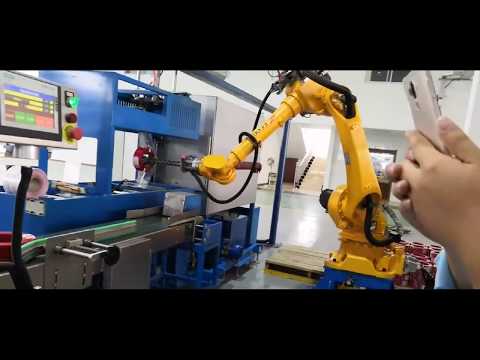
Video demonstrating an example of automated cable coiling and packaging in operation.
Understanding Automated Cable Coiling Machines
The primary function of a cable coiling machine is to automate the winding of wires and cables into neat, consistent coils. These machines replace manual coiling methods, offering several key advantages:
- Consistency: Produces uniform coils with precise lengths and winding patterns.
- Speed: Significantly increases throughput compared to manual coiling.
- Damage Prevention: Controlled tension systems prevent stretching or kinking of the cable during winding.
- Automation: Integrates seamlessly with upstream processes like extrusion or cutting.
Key components typically include drive systems, cable guides, traversing units for layering, tension control mechanisms, and programmable logic controllers (PLCs) for managing coiling parameters like diameter, length, and speed.
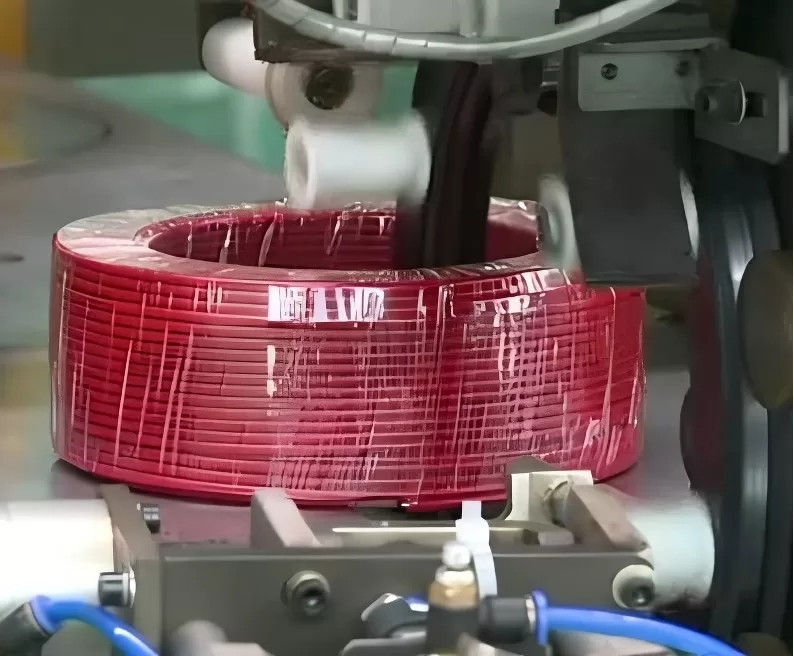
Exploring Cable Coil Packaging Lines
Following the coiling process, a coil packaging line takes the formed coils and prepares them for storage, transport, or sale. This automated sequence typically involves:
- Coil Transfer: Moving the finished coil from the coiler to the packaging stations.
- Wrapping/Securing: Applying protective materials such as shrink wrap or stretch film.
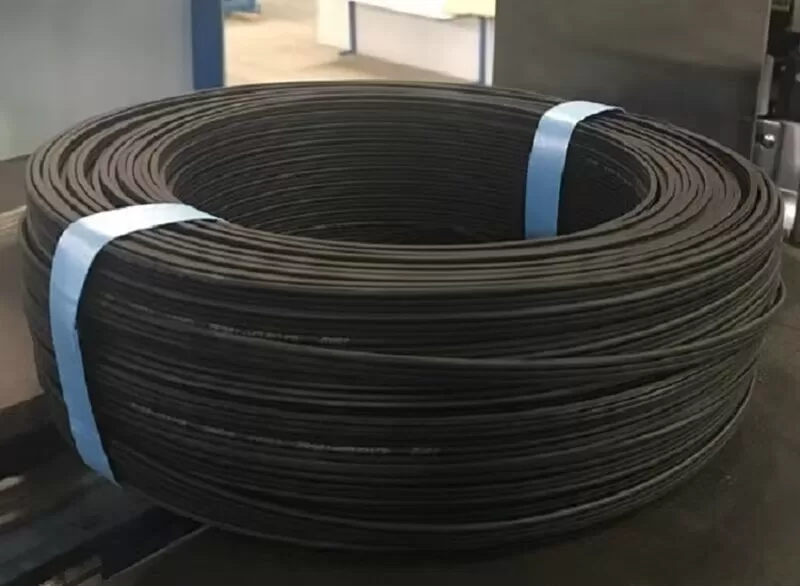
- Strapping: Securing the coil (and potentially its wrapping) with plastic or metal straps for stability.
- Labeling/Stacking (Optional): Integrating automated labeling or robotic stacking for palletizing.
These lines ensure coils are securely packaged, protected from environmental factors, and easier to handle throughout the logistics chain.
Typical Operational Parameters
Specifications for cable coiling and packaging systems vary widely based on the application requirements. The parameters below represent a general range and may not correspond exactly to the equipment shown in the video. For precise specifications tailored to your needs, direct consultation is necessary.
- System Function: Automated Coiling and Packaging of Cable Coils
- Applicable Cable Diameters: Typically 1mm to 20mm (Varies significantly by model)
- Maximum Coil Outer Diameter: Up to 800mm (Larger capacities available)
- Typical Production Speed: Up to 10 coils per minute (Dependent on coil size and packaging steps)
- Common Packaging Options: Shrink wrap, stretch film, strapping (PET/PP/Steel)
- Standard Power Supply: 220V/380V, 50/60Hz (Configurable)
- Approximate Machine Footprint: 4000mm x 3000mm x 2100mm (Highly variable based on configuration)
- Operator Interface: Touchscreen control panel, often with multilingual support
- Standard Safety Features: Emergency stop buttons, safety guarding/enclosures, interlocks
- Maintenance Considerations: Designed for accessibility to key components for routine servicing and cleaning
Applications Across Key Industries
Feedback and implementation case studies highlight the value of automated coiling and packaging lines in various sectors:
-
Electrical Wire and Cable Manufacturing: Producers utilize these systems to improve packing efficiency and material handling. Consistent coiling and secure packaging protect the structural integrity of building wire, power cables, and specialty electrical conductors, minimizing damage during transit and storage.
-
Data Communication Cable Production: Manufacturers of coaxial, twisted pair (e.g., Cat 5e, Cat 6), and fiber optic cables rely on the precision of automated coiling. Maintaining exact tension and avoiding physical deformities is crucial for preserving the signal transmission characteristics of these sensitive cables.
-
Renewable Energy Sector: Cables used in solar farms and wind turbine installations often require robust handling and packaging. Automated systems ensure these large-diameter, often heavy cables are coiled correctly and protected against environmental exposure during transportation and staging at installation sites, contributing to project reliability.
cable winding3 Integration and Selection Considerations
When considering automated coiling and packaging systems, factors such as integration with existing production lines (e.g., extruders, cutters, palletizers), required throughput speeds, cable types and sizes, available floor space, and desired level of automation are critical. The use of PLCs allows for communication and synchronization with other equipment, creating a more cohesive and efficient overall production flow.
In summary, automated cable coiling machines and coil packaging lines are vital tools for modern wire and cable manufacturers and distributors seeking to enhance efficiency, ensure product quality, and improve operational safety in their handling processes.