Automated HDPE Pipe Handling: The Process of Coiling, Strapping, and Packing
Efficient downstream processing is crucial in modern pipe manufacturing. Automating the handling of finished pipes, particularly HDPE (High-Density Polyethylene), significantly enhances productivity and consistency. This guide explores the functionality and benefits of automatic HDPE pipe coiling, strapping, and packing machines.
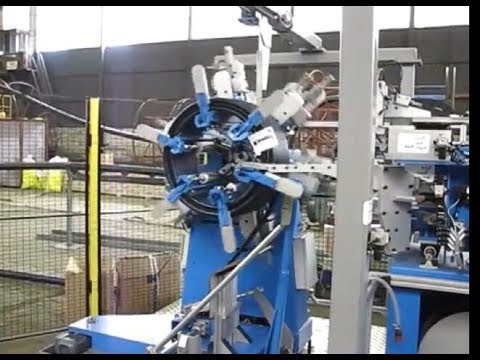
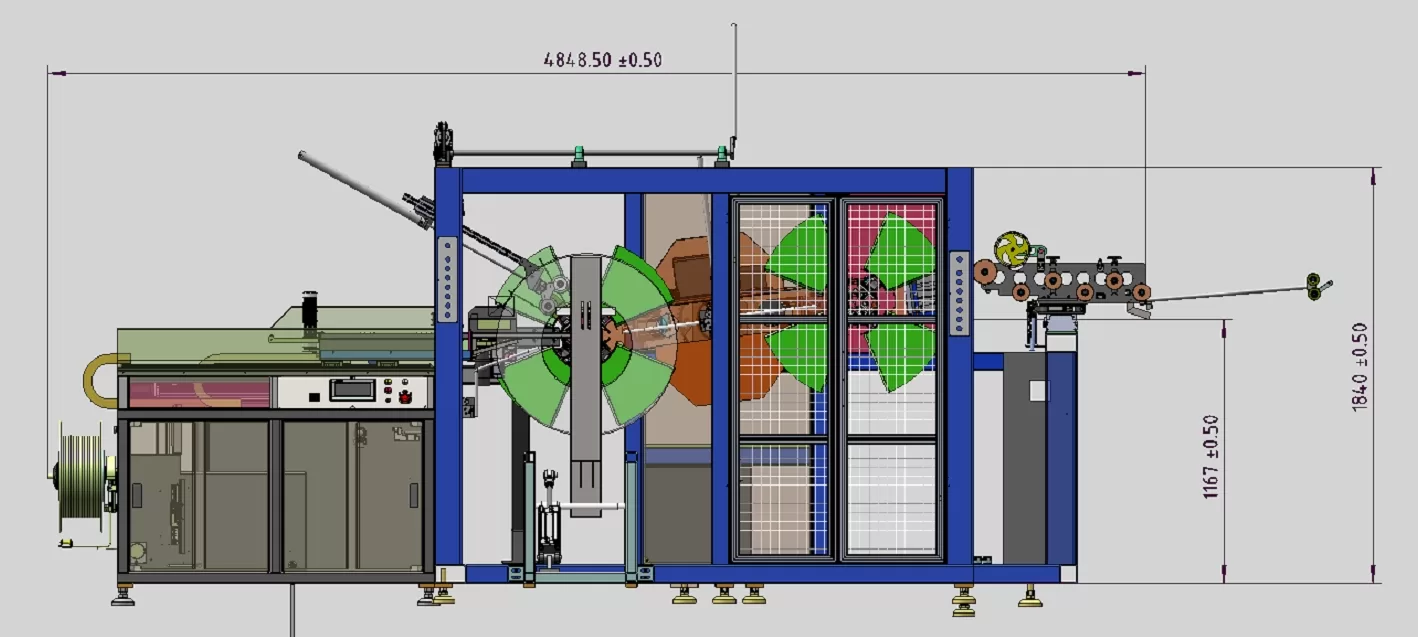
Understanding the capabilities of an Automatiac HDPE pipe coiling, strapping and packing machine reveals its value in streamlining operations. These integrated systems automate the entire process from receiving the pipe to producing a ready-to-ship coil.
1. The Automated Workflow: From Extruder to Packaged Coil
An automatic vertical HDPE pipe coiling, strapping, and packing machine executes a sequence of operations without manual intervention, ensuring speed and uniformity.
1.1 Pipe Feeding and Synchronization
The system typically integrates directly with the pipe extrusion line. As the pipe exits the extruder and cooling process, it is fed into the coiling machine. Sensors often monitor the pipe speed to synchronize the coiling rate with the extrusion output, preventing tension or slack.

1.2 Precision Coiling
The pipe is guided onto a coiling head or drum. Advanced systems use servo-driven traversers to wind the pipe neatly layer by layer, creating a compact and stable coil of a predetermined length or weight. The coiling parameters (coil ID, OD, width) are usually adjustable via the control interface.
1.3 Secure Strapping
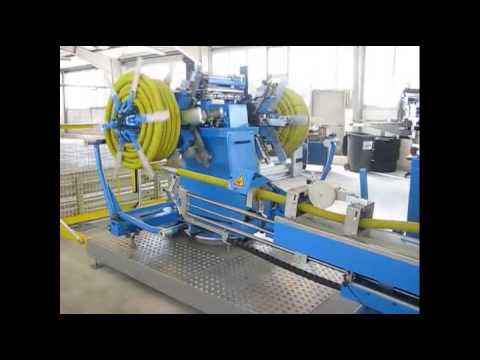
Once the desired length is coiled, the pipe is automatically cut. The completed coil is then transferred to a strapping station. Here, typically 2-4 straps (usually PP or PET) are automatically applied radially around the coil circumference and tightened, securing the pipe ends and maintaining the coil's shape during handling and transport.
1.4 Final Packing and Handling
After strapping, the coil may undergo further packing steps, such as stretch wrapping for added protection against dust and moisture, depending on the machine's configuration. Finally, the finished, secured coil is ejected or transferred onto a conveyor, pallet, or collection area, ready for storage or shipment.
2. Key Components and Controlling Technology
The reliability and precision of these machines stem from their sophisticated components and control systems:
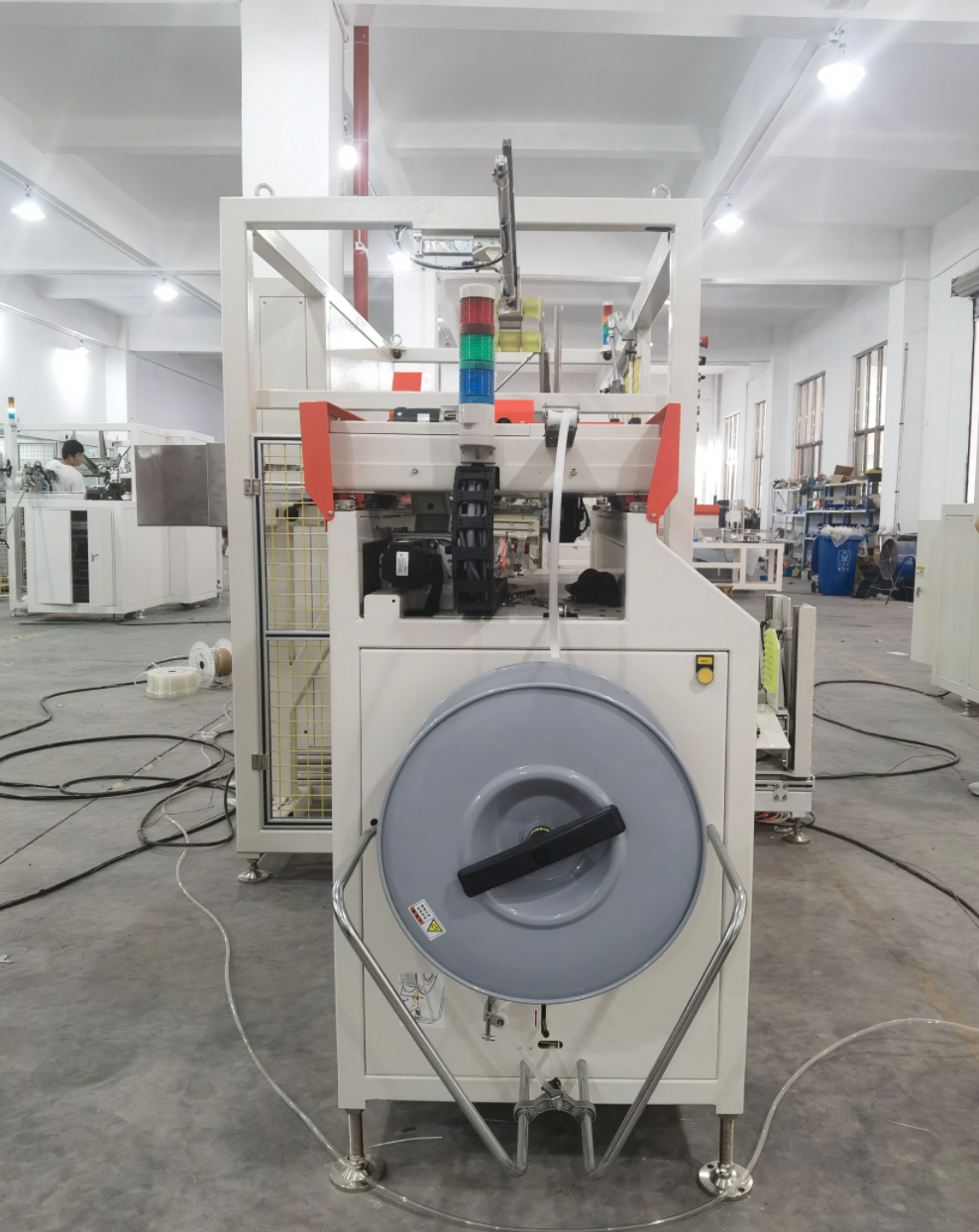
- PLC (Programmable Logic Controller): Acts as the central brain, managing the sequence of operations, timing, and coordination between different stations (coiling, cutting, strapping, ejecting).
- HMI (Human-Machine Interface): Typically a touchscreen panel allowing operators to set parameters (coil size, strap number/position, line speed), monitor the process, and diagnose faults.
- Servo Control: Often used for the coiling traverse mechanism and sometimes the main coiling drive, providing high precision, speed control, and repeatability for consistent coil quality.
- Sensors: Various sensors detect pipe presence, measure length, monitor tension, confirm strap application, and ensure safety interlocks are active.
- Conveyor System: Transports the pipe into the machine and moves the finished coil out.
- Coiling Station: Includes the winding drum/head and the traverse mechanism.
- Strapping Station: Houses the strapping head(s) that feed, tension, seal, and cut the straps.
- Cutting Mechanism: A synchronized cutter for precise pipe length control.
3. Versatility: Handling Various Pipe Materials
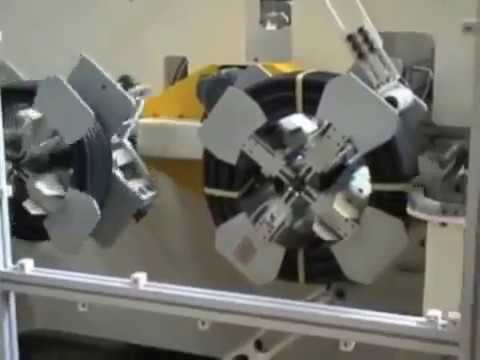
While often highlighted for HDPE, these automatic systems are frequently adaptable for coiling and strapping other types of flexible and semi-rigid pipes and hoses, including:
- PE (Polyethylene) pipes
- PB (Polybutylene) pipes
- PEX pipes
- Rubber hoses
- Corrugated pipes (depending on flexibility and diameter)
The specific configuration of the automatic coiler and its gripping/handling mechanisms may need adjustments based on the pipe's material, diameter, and wall thickness.
4. Seamless Integration with Extrusion Lines
A key feature is the ability to connect directly to the pipe extruder outlet. This creates a continuous, automated production flow, minimizing manual handling, reducing the need for large buffer zones, and maximizing overall line efficiency. The automatic system adjusts its speed based on the extruder's output.
5. Advantages of Automated Pipe Coiling and Packing
Implementing an automatic coiling, strapping, and packing machine offers significant operational benefits:
- Increased Throughput: Continuous, high-speed operation significantly boosts the number of coils processed per shift compared to manual methods.
- Consistent Quality: Automation ensures every coil meets predefined specifications for length, dimensions, winding neatness, and strapping tension, leading to uniform product presentation.
- Reduced Labor Costs: Eliminates the need for manual labor dedicated to coiling, strapping, and handling, freeing up personnel for other tasks and reducing operational expenses.
- Enhanced Safety: Removes operators from potentially hazardous tasks involving moving machinery and heavy coils.
- Improved Product Protection: Secure strapping and optional wrapping minimize pipe damage during storage, handling, and transportation.
- Efficient Management: PLC control allows for easy parameter changes, production tracking, and integration into plant-wide monitoring systems.
In conclusion, automatic vertical HDPE pipe coiling, strapping, and packing machines are essential investments for pipe manufacturers seeking to optimize production efficiency, ensure consistent product quality, reduce labor dependence, and improve workplace safety. By automating these critical end-of-line processes, businesses can enhance their overall productivity and competitiveness.