Safety Hazards in Coil Handling and How to Avoid Accidents
(Table of Contents block will be automatically generated by WordPress plugin)
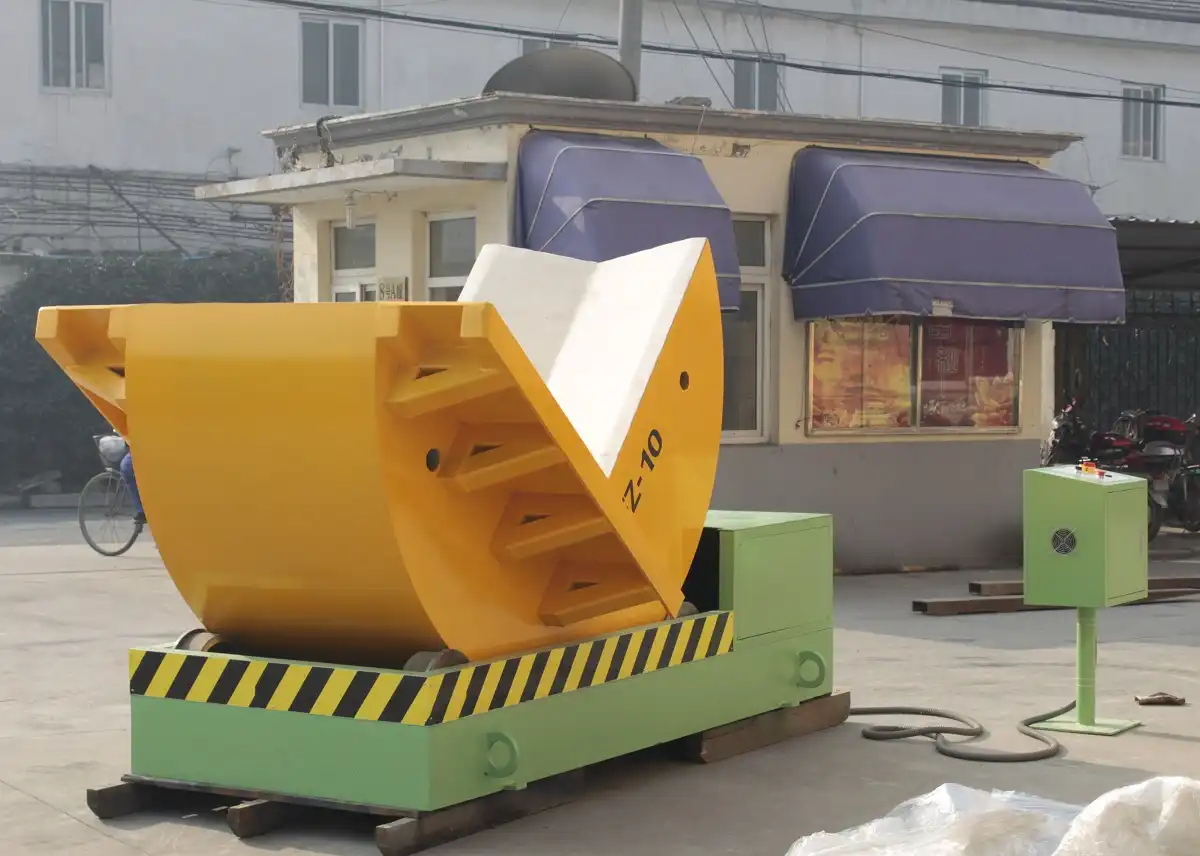
Handling large metal coils—whether steel, aluminum, or other materials—is a fundamental operation in many industrial settings, but it carries significant inherent risks. These heavy, often cumbersome items require specialized equipment and meticulous procedures for safe transport and storage. Failure to adhere to proper coil handling safety protocols dramatically increases the likelihood of severe accidents. This article details common safety hazards encountered during coil handling operations and outlines effective strategies and best practices to minimize risks, prevent accidents, and ensure workforce safety, a critical aspect of operational excellence.
1. The Critical Importance of Coil Handling Safety
Industrial environments dealing with heavy coil handling face numerous safety challenges due to the coils' weight, size, and potential instability. Loading, unloading, transporting, and storing these items expose employees to various hazards. Incidents involving coils can lead to severe injuries, including crushing, amputations, and even fatalities, often resulting from improper handling techniques, inadequate training, faulty equipment, or unsecured loads.
Neglecting safety in coil transport and storage has far-reaching consequences beyond the immediate human cost. Accidents can trigger substantial operational delays, costly equipment damage, significant downtime, potential legal liabilities, and increased insurance or workers' compensation costs. Therefore, implementing robust coil safety measures is not just a regulatory requirement but a business imperative for protecting employees and maintaining operational efficiency. Compliance with standards, such as those outlined by the [Occupational Safety and Health Administration (OSHA)], is crucial.
2. Common Safety Hazards in Coil Handling Operations
Understanding the specific risks involved is the first step toward prevention. Key hazards include:
a) Falling or Tipping Coils
One of the most severe dangers is the risk of falling or tipping coils. Coils stored improperly, stacked too high, placed on unstable surfaces, or inadequately secured during transport can easily topple or roll. The immense weight means a falling coil can cause catastrophic damage and fatal injuries. Loose banding or failure to use proper chocks or racks exacerbates this risk, especially in busy storage areas or during movement.
b) Pinching and Crushing Injuries

The sheer weight and bulk of metal coils create significant pinch and crush hazards. Workers' limbs can become trapped between a coil and lifting equipment, storage racks, transport vehicles, or other coils. These incidents often occur during rigging, securing, positioning, or releasing coils if workers place themselves in hazardous zones or if the coil shifts unexpectedly. Such injuries frequently result in fractures, amputations, or other permanently disabling conditions.
c) Improper Lifting and Transporting Techniques
Moving heavy coils demands specialized equipment like overhead cranes with C-hooks or coil grabs, forklifts with appropriate attachments, or dedicated coil upenders and tilters. Accidents frequently stem from:
- Using equipment with insufficient load capacity.
- Improper rigging or attachment of lifting devices.
- Lack of operator training or certification for the specific equipment.
- Traveling too fast or making sudden maneuvers with a suspended or loaded coil.
- Faulty machinery or lack of pre-operational checks.
A dropped coil during transport is a high-risk event, potentially causing severe injury and significant material damage.
d) Coil Instability and Uncontrolled Movement
Due to their cylindrical shape, coils are inherently unstable and prone to rolling if not properly secured on flatbeds, storage surfaces, or handling equipment. Unexpected movement can occur due to vibrations, inclines, or minor impacts, catching nearby workers off-guard and leading to entrapment or collision injuries. Securement methods like chocks, wedges, banding, and specialized cradles are essential.
e) Inadequate Equipment Maintenance
Failure to maintain coil handling equipment properly is a major contributor to accidents. Worn cables or slings on cranes, malfunctioning hydraulics on forklifts or tilters, or structural defects in C-hooks can lead to catastrophic failures during operation. A rigorous preventive maintenance schedule, including regular inspections and timely repairs by qualified personnel, is vital to ensure equipment operates safely and reliably.
3. The Essential Role of Training in Preventing Coil Handling Accidents
A significant portion of coil handling accidents can be attributed to insufficient or inadequate safety training. Workers unfamiliar with the specific risks, safe operating procedures for equipment like cranes or coil upenders, load securing techniques, or emergency protocols are far more likely to make critical errors.
Employers must invest in comprehensive, task-specific training programs covering:
- Hazard identification and risk assessment for coil handling tasks.
- Correct operating procedures for all relevant lifting and transport equipment.
- Proper inspection and use of rigging gear (slings, hooks, grabs).
- Safe stacking, storage, and securing methods.
- Manual handling techniques (where applicable and unavoidable).
- Emergency response procedures in case of an incident.
- Importance and correct use of Personal Protective Equipment (PPE).
Regular refresher training and competency assessments ensure that safety knowledge remains current and protocols are consistently followed.
4. Best Practices for Safe Coil Handling
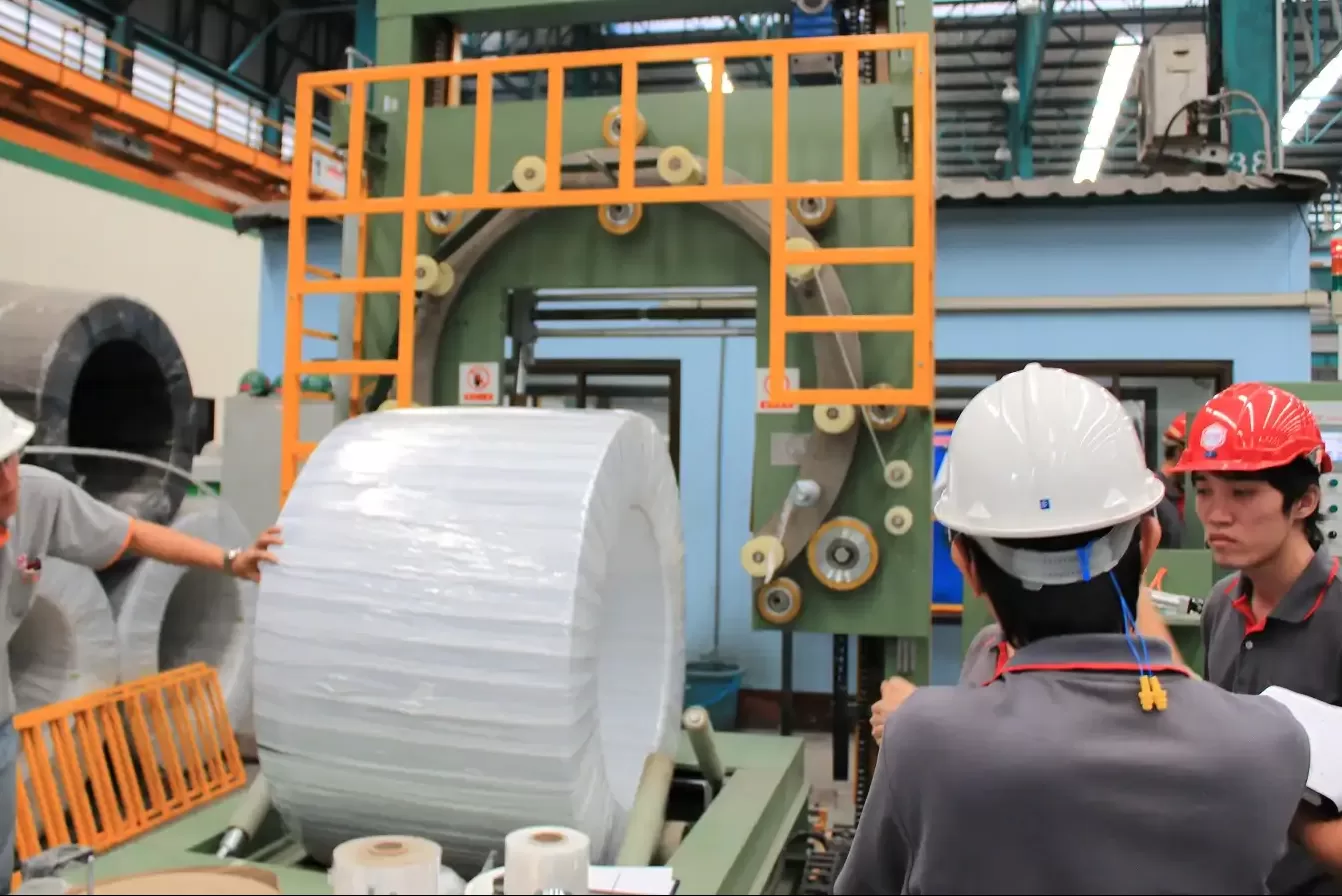
Implementing established best practices is key to mitigating risks:
a) Use of Appropriate and Well-Maintained Equipment
Selecting the right tool for the job is paramount. Utilize equipment specifically designed for coil handling, such as:
- Coil Upenders/Tilters: For safely rotating coils between horizontal and vertical orientations.
- C-hooks, Coil Grabs, and Lifting Magnets: Designed for secure crane lifting.
- Specialized Forklift Attachments: Like coil rams or probes.
- Automated Guided Vehicles (AGVs) or Rail Systems: For transport in some facilities.
Ensure all equipment has the appropriate load rating for the coils being handled and is subject to regular inspection and maintenance programs as per manufacturer recommendations and regulatory requirements (e.g., OSHA standards for lifting devices).
b) Rigorous Equipment Inspections
Before each shift or use, operators should perform pre-operational checks on all coil handling equipment. This includes inspecting hydraulics, cables, hooks, safety latches, brakes, and structural components for any signs of wear, damage, or malfunction. Documented periodic inspections by qualified personnel are also essential to catch potential issues before they lead to failure. Defective equipment must be immediately removed from service until repaired and certified safe.
5. Proper Storage and Stacking of Coils
Safe coil storage practices are fundamental to preventing accidents in warehouse or yard areas.
a) Implementing Safe Stacking and Storage Methods
- Stable Foundations: Store coils only on level, stable surfaces capable of supporting the load.
- Securement: Use appropriate chocks, cradles, or approved racking systems designed for coils. Never rely solely on banding to prevent rolling.
- Stacking Procedures: Follow established guidelines for stacking height and configuration (e.g., pyramid stacking). Avoid placing smaller coils precariously on larger ones. Consider the coil's dimensions, weight, and banding integrity.
- Aisles and Clearance: Maintain clear, wide aisles around storage areas for safe equipment maneuvering and pedestrian traffic. Ensure adequate clearance between stacks.
b) Clear Designation and Organization of Storage Areas
Clearly mark designated storage areas for coils, segregated from production zones, walkways, and emergency exits. Implement good housekeeping practices to keep storage areas free of clutter and debris that could create tripping hazards or obstruct movement. A well-organized storage system improves efficiency and significantly enhances safety by reducing the chances of collisions or accidental contact with stored coils.

6. The Impact of Automation on Coil Handling Safety
The integration of automation technologies offers significant potential for improving coil handling safety. Automated systems can take over repetitive, strenuous, or high-risk tasks, reducing direct human interaction with heavy loads.
a) Automated Coil Handling Systems
Examples include:
- Automated Storage and Retrieval Systems (AS/RS): For efficient and safe coil storage and access.
- Robotic Coil Handling: Robots equipped with specialized grippers for lifting, rotating, and placing coils.
- Automated Coil Cars or Conveyors: For transporting coils between process stages.
These systems operate with high precision and consistency, minimizing the potential for human error, which is a frequent factor in handling accidents.
b) Reducing Human Exposure to Hazards
By automating dangerous tasks like lifting, tilting (using automated coil upenders), and transporting heavy coils, companies can significantly minimize worker exposure to crush zones, pinch points, and ergonomic risks. While automation requires investment, the return often includes substantial safety improvements, reduced injury rates, lower compensation costs, and enhanced operational efficiency.
7. The Ongoing Role of Personal Protective Equipment (PPE)
Even in highly automated environments or workplaces with robust engineering controls, Personal Protective Equipment (PPE) remains a crucial last line of defense. Workers involved in or near coil handling operations must wear appropriate PPE.
a) Specific PPE for Coil Handling Tasks
Based on a thorough risk assessment, required PPE typically includes:
- Hard Hats: To protect against falling objects or overhead hazards.
- Steel-Toed Safety Boots: With metatarsal guards for foot protection against rolling or dropped coils.
- Impact-Resistant Gloves: To protect hands from sharp edges, pinch points, and impact.
- Safety Glasses or Goggles: To protect eyes from debris or potential impacts.
- High-Visibility Clothing: To ensure workers are easily seen by equipment operators.
b) Ensuring Consistent Use and Maintenance of PPE
Providing PPE is insufficient; employers must ensure it fits correctly, is maintained in good condition, and is used consistently. Training should cover the proper use, limitations, and care of PPE. Supervisors play a key role in enforcing PPE compliance and fostering a workplace culture where safety protocols, including PPE use, are strictly adhered to.
8. Emergency Preparedness in Coil Handling Areas
Despite comprehensive prevention strategies, the potential for accidents always exists. A well-defined and practiced emergency response plan is essential for any facility handling coils.
a) Training for Emergency Scenarios
All personnel working in or near coil handling areas must be trained on emergency procedures, including:
- How to safely stop equipment in an emergency.
- Evacuation routes and assembly points.
- Procedures for reporting accidents and near misses.
- How to respond to specific incidents like a fallen coil, equipment failure, or worker injury.
Regular emergency drills help reinforce training and ensure workers can respond effectively under pressure.
b) First Aid and Immediate Response Capabilities
Prompt and effective first aid can significantly mitigate the severity of injuries resulting from coil handling accidents. Workplaces must have:
- Adequately stocked first aid kits readily accessible in coil handling areas.
- Personnel trained in first aid and CPR available on each shift.
- Clear procedures for summoning professional medical assistance.
A rapid and coordinated response can prevent minor injuries from escalating and can be life-saving in critical situations.
Conclusion
Coil handling inherently involves high risks, demanding unwavering commitment to safety protocols to prevent serious accidents and injuries. Recognizing common hazards like falling coils, pinch points, improper equipment use, and the consequences of inadequate training is fundamental. By implementing robust safety measures—including the use of appropriate coil handling equipment like coil upenders, rigorous equipment inspections, adherence to safe storage practices, investment in automation where feasible, consistent use of PPE, comprehensive safety training, and thorough emergency preparedness—employers can create a significantly safer working environment.
Prioritizing coil handling safety is not merely about regulatory compliance; it's about protecting the workforce, minimizing operational disruptions, and fostering a culture where safety is integral to every task. Investing in the right technologies, training, and procedures protects employees and contributes to greater operational efficiency and long-term business success.