How to Find the Optimal Steel Coil Packing Solution for Future Business Growth
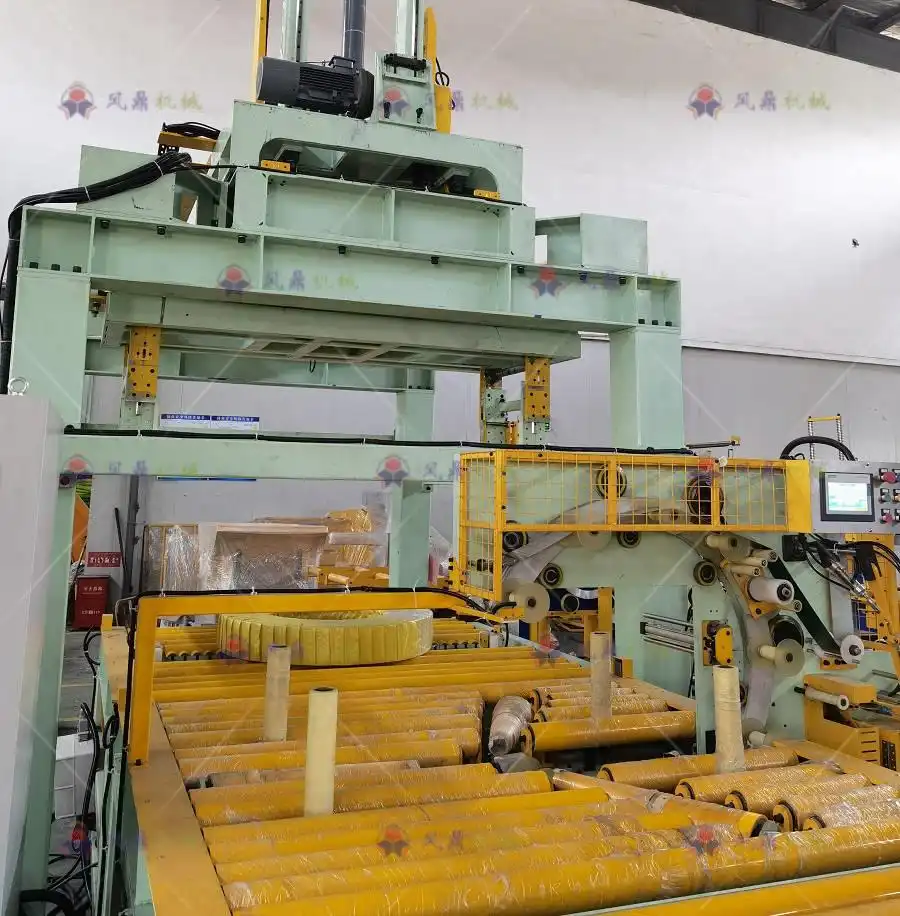
In today’s dynamic steel industry, selecting a steel coil packing solution that not only meets current operational needs but also strategically supports long-term business objectives is paramount. As your company expands, the demand for efficient, scalable, and dependable steel coil packaging systems intensifies. While often overlooked in growth planning, investing in the right packing line significantly impacts operational costs, enhances product protection during transit, and facilitates a smoother, more adaptable workflow – all essential elements for sustainable growth. This guide details how to identify and choose a steel coil packing solution designed for both present demands and future expansion.
Why the Right Steel Coil Packing Solution Matters for Growth
While strategic planning often focuses on production capacity or market reach, the role of packaging in operational efficiency, product integrity, and customer satisfaction cannot be understated. An optimal steel coil packing solution acts as a crucial safeguard, protecting valuable coils from corrosion, handling damage, and transit mishaps. This directly minimizes costs associated with returns, rework, or material loss. Furthermore, the right system, particularly one incorporating automation, streamlines the entire packing process. It reduces bottlenecks, minimizes manual labor requirements, cuts down on cycle times, and provides the operational flexibility needed to scale production up or down without proportional increases in workforce or resources.
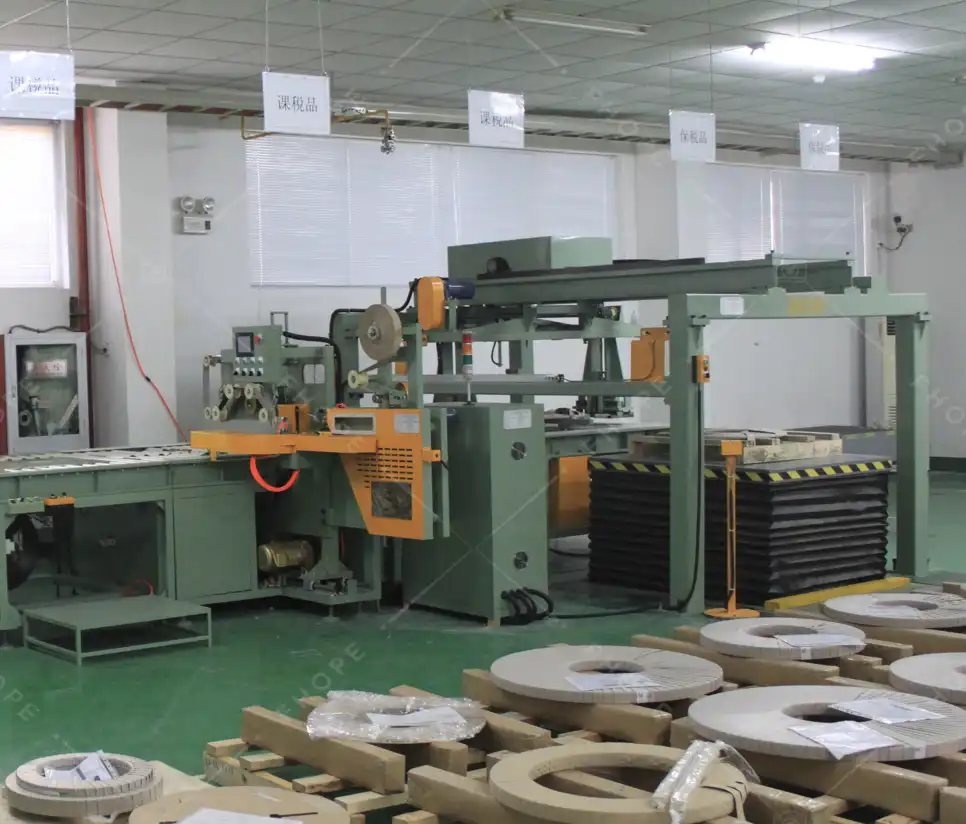
Key Considerations When Choosing a Future-Proof Steel Coil Packing Solution
Selecting a steel coil packing solution that aligns with ambitious growth goals requires a thorough analysis of both immediate operational requirements and projected future needs. Below are critical factors to evaluate when searching for a packaging system capable of evolving alongside your business.
1. Analyze Current and Future Production Volume Requirements
The foundational step is accurately assessing your current steel coil production volume and forecasting potential increases over the next 3-5 years. This foresight enables the selection of machinery capable of managing today’s workload efficiently while possessing the inherent capacity or upgrade path for future growth. Prioritizing systems with modular designs or scalable components is highly advantageous, allowing for increased throughput without necessitating a complete system replacement.
Factors to Consider for Production Volume:
- Current Production Output: Establish a baseline by calculating your average daily, weekly, or monthly output of steel coils requiring packaging.
- Projected Growth: Incorporate realistic business growth projections, considering factors like market expansion plans, anticipated new customer contracts, and overall market demand trends.
- Scalability Potential: Seek out packing solutions offering inherent scalability. This could mean modular designs where additional wrapping stations or conveyors can be added, or automated systems with adjustable speed and capacity settings.
Choosing machinery with flexible capacity ensures your packing line remains an asset, not a bottleneck, avoiding costly replacements and operational disruptions as your business expands.
2. Evaluate Automation Levels for Enhanced Efficiency and Scalability
In the modern steel industry, automation is a primary driver of operational excellence and competitiveness. Integrating the appropriate level of automation into your steel coil packing solution significantly reduces manual labor dependency, minimizes the potential for human error in wrapping consistency, and boosts overall throughput. As your business scales, automation ensures that packing speed and efficiency can keep pace with increasing production demands without linearly scaling labor costs.
Benefits of Automation in Steel Coil Packing:
- Labor Optimization: Automated systems handle repetitive tasks like coil feeding, wrapping, cutting, and ejection, freeing up skilled operators for more complex or value-added responsibilities.
- Consistent Quality Control: Automation guarantees uniformity in wrapping tension, material overlap, and sealing integrity, enhancing packaging quality and coil protection. Consider integration with quality control sensors for added assurance.
- Future-Proofing Operations: An automated or semi-automated system provides a foundation that can handle significantly higher workloads with minimal physical modifications, crucial for businesses anticipating rapid growth. Look for systems capable of integrating with broader plant automation (e.g., MES or ERP systems).
Explore solutions offering varying degrees of automation. A semi-automatic wrapper might suffice initially, but ensure it has a clear upgrade path to full automation as production volumes dictate.
3. Focus on Material Compatibility and Customization Flexibility
Steel coils vary significantly in size, weight, surface sensitivity, and end-use requirements. Consequently, they demand tailored packing materials, specific wrapping tensions, and appropriate protective measures (e.g., edge protection, VCI application). A packing solution offering broad material compatibility and extensive customization options provides the versatility needed to handle diverse coil specifications effectively, ensuring optimal protection and process efficiency. This flexibility is vital if your business processes multiple types or grades of steel.
Key Customization Aspects to Explore:
- Material Versatility: Confirm the machine's capability to handle various wrapping materials, such as stretch film (different gauges and types), VCI paper or film, woven fabrics, or specialized protective layers as needed.
- Adjustable Parameters: Precise control over wrapping tension, film overlap percentage, rotation speed, and number of wraps is essential to secure coils properly without causing damage or material stress.
- Optional Integrated Modules: Investigate available add-ons like automatic film cutters and clampers, top sheet applicators, integrated weighing systems, automated labeling, strapping integration, and coil tilters or stackers to create a comprehensive packing line.
Customizable solutions not only deliver superior protection tailored to specific coil needs but also allow for agile adaptation when product requirements change due to evolving market demands or new customer specifications.
4. Assess Integrated Safety Features and Regulatory Compliance
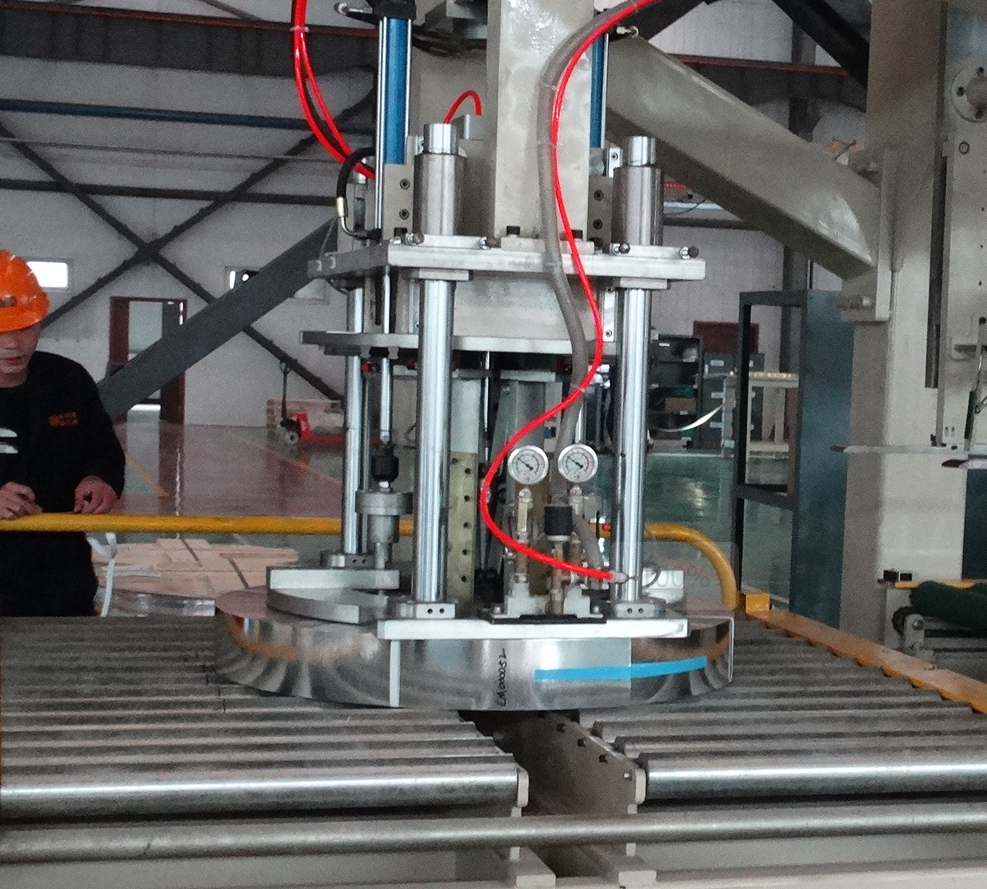
Workplace safety is paramount, especially within the demanding environment of steel processing and handling. An effective steel coil packing solution must prioritize operator safety alongside product protection and adhere strictly to relevant industry safety standards. As production volumes increase and operations potentially become more complex, inherent safety risks can rise; therefore, selecting equipment with robust, built-in safety features is non-negotiable.
Important Safety Features to Look For:
- Emergency Stop Systems: Clearly marked, easily accessible emergency stop buttons and safety interlocks are critical for halting machine operation instantly in unsafe situations.
- Physical Guarding and Safety Zones: Protective fencing, light curtains, and physical barriers around moving components (wrapping arms, turntables, conveyors) are essential to prevent accidental contact and injury.
- Compliance with Standards: Ensure the machinery meets or exceeds recognized safety regulations and certifications, such as OSHA guidelines (in the US) or CE marking (in Europe). Verify the manufacturer provides documentation confirming compliance.
Investing in equipment with comprehensive safety features protects your workforce, minimizes the risk of accidents and associated liabilities, and supports a culture of safety crucial for sustainable long-term growth.
Get Your Best Solution !
5. Optimize Space Utilization with Efficient Machine Design
Floor space is often a premium resource in manufacturing facilities. Efficient space utilization can significantly impact operational flow and cost, especially in facilities with limited area or those planning phased expansions. Opting for steel coil packing solutions with compact footprints or modular configurations allows seamless integration into existing layouts without compromising performance or requiring extensive facility modifications.
Space-Saving Features to Consider:
- Vertical vs. Horizontal Orientation: Depending on coil dimensions and plant layout, systems offering vertical (eye-to-sky) or horizontal (eye-to-wall) wrapping orientations can optimize space usage differently.
- Modular System Design: Modular packing lines allow components (e.g., conveyors, wrappers, stackers) to be arranged flexibly, adapting to available space and allowing for future additions without a complete overhaul.
- Integrated Functions: Machines combining multiple functions (e.g., wrapping and weighing, wrapping and strapping) into a single unit can save considerable floor space compared to separate machines.
A space-efficient design ensures your packing solution can adapt to layout changes or production expansions more easily, avoiding costly and disruptive facility adjustments.
6. Evaluate Energy Efficiency and Environmental Considerations
Sustainability is increasingly becoming a core business principle and a factor in purchasing decisions. Choosing energy-efficient steel coil packing solutions offers dual benefits: reducing operational expenditures through lower power consumption and demonstrating environmental responsibility, which can enhance brand reputation and appeal to environmentally conscious customers and partners.
Eco-Friendly Features to Look For:
- Energy-Efficient Components: Look for machines utilizing high-efficiency motors, variable frequency drives (VFDs), and intelligent power-saving modes (e.g., standby or sleep modes during inactivity).
- Optimized Material Usage: Systems designed for precise control over stretch film tension and pre-stretch capabilities can significantly reduce the amount of wrapping material consumed per coil, lowering costs and waste.
- Compatibility with Sustainable Materials: Inquire about the machine's ability to effectively run thinner gauge films or those made from recycled or biodegradable materials, supporting corporate sustainability goals.
An energy-efficient packing solution contributes directly to bottom-line savings while aligning operations with growing environmental expectations.
7. Consider Long-Term Reliability and Ease of Maintenance
As production demands grow, equipment uptime becomes increasingly critical. Unexpected downtime due to machine failure can severely disrupt productivity and delivery schedules. Therefore, selecting a steel coil packing solution known for its robustness, reliability, and ease of maintenance is vital. Partnering with a supplier offering responsive service and readily available spare parts further minimizes potential disruptions.
Maintenance and Reliability Features to Consider:
- Predictive Maintenance Capabilities: Advanced systems may offer self-diagnostic features or connectivity for remote monitoring, alerting maintenance teams to potential issues before they cause breakdowns.
- Simplified Maintenance Procedures: Look for designs facilitating easy access to key components, tool-less adjustments where possible, and clear maintenance schedules outlined by the manufacturer.
- Manufacturer Support and Parts Availability: Evaluate the manufacturer's reputation for technical support responsiveness, service technician availability, and the guaranteed availability of critical spare parts over the machine's lifespan.
A reliable, low-maintenance packing solution ensures operational continuity, allowing your team to focus on meeting production targets rather than constantly addressing equipment issues.

8. Look for User-Friendly Interfaces and Operator Training Support
In a fast-paced production environment, an intuitive and user-friendly machine interface (HMI) is crucial for efficient operation, quick parameter adjustments, and minimizing operator errors. As your business grows and potentially requires more operators or cross-training, selecting equipment with a shallow learning curve reduces training time and accelerates operator proficiency.
Features That Enhance Usability:
- Clear Touchscreen Controls: Modern graphical touchscreen interfaces with logical menu structures simplify machine operation, setup, and troubleshooting compared to older button-based controls.
- Multilingual Support and Visual Cues: HMIs offering multiple language options and using clear icons or visual aids can improve usability for diverse workforces.
- Available Training Resources: Inquire about the training programs, manuals, and support resources provided by the vendor to ensure your operators can quickly and safely master the equipment.
A user-friendly system enhances operator efficiency, reduces the likelihood of errors, and facilitates smoother integration of new personnel as your team expands.
9. Evaluate the Total Cost of Ownership (TCO) and ROI Potential
Beyond the initial purchase price, a comprehensive understanding of the Total Cost of Ownership (TCO) is essential for making a financially sound investment that supports growth. TCO includes the upfront cost plus ongoing expenses like energy consumption, wrapping materials, maintenance, spare parts, and labor. Evaluating TCO alongside the potential Return on Investment (ROI)—derived from increased efficiency, reduced labor, minimized product damage, and material savings—provides a realistic assessment of the solution's long-term financial viability.
Factors Affecting TCO and ROI:
- Initial Investment vs. Long-Term Value: While highly automated or feature-rich systems may have a higher upfront cost, their long-term savings in labor, material usage, and improved uptime often result in a lower TCO and faster ROI compared to basic models.
- Operational Expenditures: Accurately estimate ongoing costs, including electricity consumption (based on motor ratings and usage cycles), annual wrapping material expenditure, and preventative maintenance requirements.
- Machine Lifespan and Durability: Factor in the expected operational lifespan of the machine. Robustly built equipment using high-quality components will likely offer a longer service life, delaying costly replacements and improving overall ROI.
Analyzing TCO and ROI ensures your chosen packing solution aligns with your company's financial strategy and represents a sustainable investment that facilitates, rather than hinders, future growth.

10. Conclusion: Investing Wisely in a Future-Proof Steel Coil Packing Solution
Selecting the right steel coil packing solution is a strategic investment that directly impacts your company's ability to grow efficiently and competitively. It requires a holistic approach, balancing current operational needs with future scalability requirements. By carefully evaluating factors such as production volume forecasts, automation potential, material handling flexibility, safety integration, energy efficiency, reliability, usability, and long-term cost-effectiveness (TCO/ROI), you can identify and implement a system tailored to your growth trajectory.
Prioritizing adaptability, reliability, and overall efficiency in your packing operations ensures this critical function supports, rather than restricts, your expansion efforts. A future-proof steel coil packing solution enhances operational performance, protects valuable products, reduces operating costs, and ultimately contributes to the sustained success and profitability of your steel business.
Get Your Best Solution !