How Automated Steel Coil Packing Enhances Operational Safety in Factories
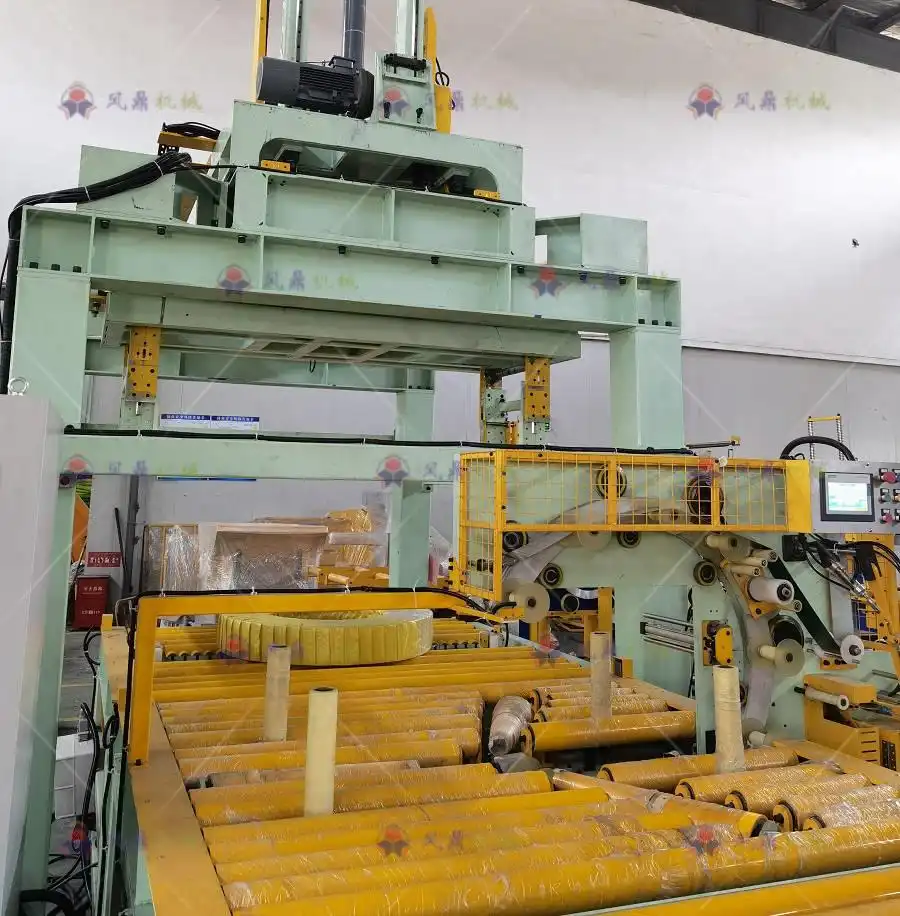
In today’s demanding industrial landscape, ensuring operational safety is paramount, especially in facilities handling heavy materials like steel coils. Automating processes, particularly through advanced steel coil packing systems, represents a significant leap forward in mitigating workplace hazards while boosting overall efficiency.
This article explores how automated steel coil packing significantly enhances safety within factory environments, detailing the benefits related to risk reduction, productivity gains, and improved operational workflows aligned with current industry best practices.
1. Understanding the Hazards of Manual Steel Coil Packing
Factories relying on manual labor for steel coil packing face inherent risks alongside inefficiencies. Steel coils, due to their size and weight, present significant handling challenges. Common hazards include:
- Musculoskeletal Injuries: Repetitive lifting and maneuvering of heavy coils often lead to strains and long-term injuries affecting the back, shoulders, and arms.
- Slips, Trips, and Falls: Manually transporting coils increases the risk of accidents, particularly on uneven surfaces or during awkward lifts.
- Crush Hazards: Accidental drops or slips during manual handling can cause severe crushing injuries to personnel.
- Inconsistent Packaging: Manual wrapping can lack uniformity, potentially leading to load instability during storage or transit. This increases risks if damaged coils need subsequent manual repacking.
Despite these well-documented dangers, manual processes persist in some facilities, often underestimating the profound safety and productivity advantages offered by modern automation.
2. How Automation Mitigates Safety Challenges in Coil Packing
Automated steel coil packing systems directly address the core safety concerns associated with manual handling. By leveraging technology, these systems perform packing tasks with minimal direct human involvement, drastically reducing exposure to hazards. Key safety enhancements include:
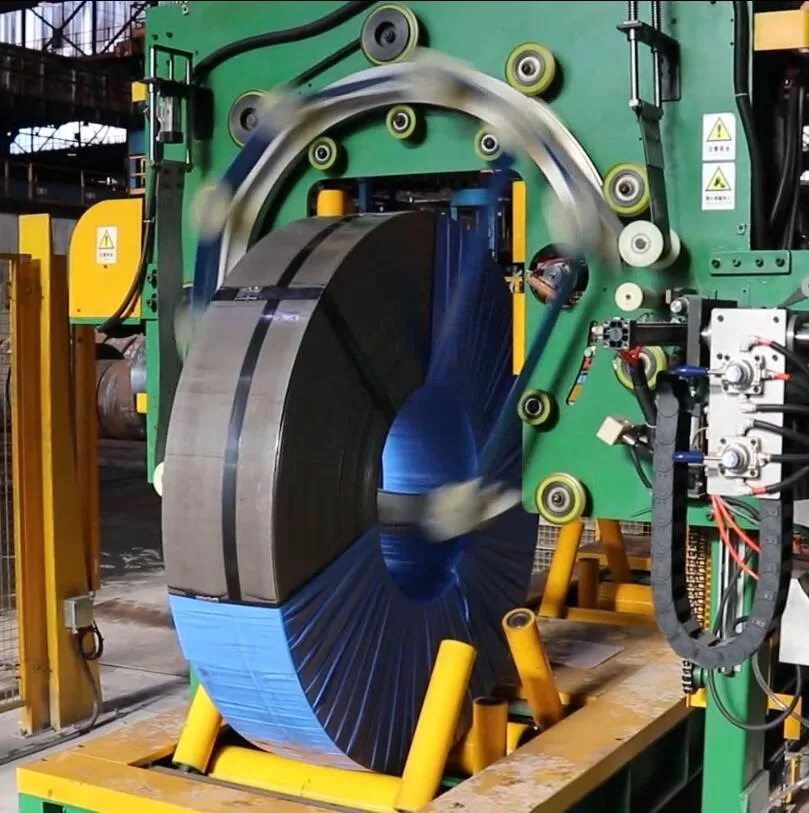
- Elimination of Heavy Manual Lifting: Automation takes over the physically demanding tasks of lifting, rotating, and wrapping coils, virtually eliminating the risk of strains and crush injuries associated with these actions.
- Precision and Consistency: Automated systems ensure each coil is packed uniformly according to pre-set parameters, minimizing errors and reducing risks linked to poorly secured loads.
- Improved Workplace Ergonomics: By removing strenuous physical tasks, automation allows workers to transition to oversight, quality control, and system maintenance roles, reducing physical strain and fatigue.
By tackling the most hazardous elements of the coil packing process, automation enables factories to achieve significant reductions in injury rates while simultaneously improving packaging quality and consistency.
3. Essential Safety Features of Automated Steel Coil Packing Systems
Modern automated steel coil packing lines incorporate numerous features specifically designed for safety and operational excellence:
- Automated Coil Handling: Systems often feature automated loading and unloading sequences using conveyors, turnstiles, and robotic arms equipped with sensors (like photoelectric or proximity sensors) for precise, hands-free coil positioning, minimizing human interaction during movement.
- Integrated Safety Controls: Robust safety mechanisms are standard, including emergency stop buttons accessible at multiple points, safety fencing or light curtains to restrict access to hazardous areas, and interlocking guards that halt operation if opened.
- Real-Time System Monitoring: Advanced control systems (often PLC-based) provide operators with real-time diagnostics and status updates. Malfunctions or unsafe conditions can trigger automatic shutdowns and alerts, preventing accidents before they occur.
- Controlled Operating Parameters: Packing speed, tension, and material usage can be precisely controlled and adjusted based on coil dimensions and weight, ensuring safe and optimal packaging without manual guesswork.
- Integration Capabilities: Many systems can integrate with plant-level control systems (MES/ERP) for better tracking, scheduling, and safety data logging.
These integrated features create a highly controlled and significantly safer environment for handling and packing steel coils.

4. Reducing Operational Downtime and Human Error through Automation
A crucial but sometimes overlooked safety benefit of automation is the reduction of downtime caused by human error. Fatigue, distraction, or lack of training in manual operations can lead to mistakes, safety protocol violations, accidents, and equipment damage.
Automated systems perform tasks repetitively and accurately, eliminating variability inherent in manual processes. Consistent, error-free packing reduces the likelihood of incidents like coils falling from conveyors due to improper wrapping. Furthermore, automated machinery does not experience fatigue or distraction, maintaining consistent performance and safety levels throughout operation shifts.
Reduced downtime from accidents and errors translates directly to higher productivity and throughput, reinforcing the link between safety and operational efficiency.
5. Enhancing Compliance with Occupational Safety Standards
Implementing automated steel coil packing helps factories adhere to stringent national and international safety regulations, such as those mandated by the OSHA (Occupational Safety and Health Administration). Manual handling of heavy items is a frequent source of citations and penalties following workplace accidents.
Automated systems are typically designed with regulatory compliance in mind, often exceeding minimum safety requirements. Features like enclosed moving parts, fail-safe braking systems, load capacity limits, and documented safety procedures help companies demonstrate a proactive approach to workplace safety.
Investing in compliant automated systems mitigates the risk of costly fines and legal issues, reinforcing a corporate commitment to employee well-being.
6. The Long-Term Impact of Automation on Factory Safety and Performance
While the initial investment in automated steel coil packing technology can be substantial, the long-term safety and operational benefits provide a compelling return:
- Reduced Injury-Related Costs: Lowering accident rates directly reduces expenses associated with workers' compensation, medical treatment, and lost workdays.
- Potential for Lower Insurance Premiums: A demonstrable commitment to safety and a lower incident rate can lead to reduced insurance costs over time.
- Improved Employee Morale and Retention: A safer working environment fosters trust and boosts morale. Employees who feel valued and protected are generally more productive and loyal.
- Enhanced Company Reputation: Prioritizing safety through modern automation strengthens a company's image among customers, partners, potential hires, and the community, potentially opening doors to new opportunities.
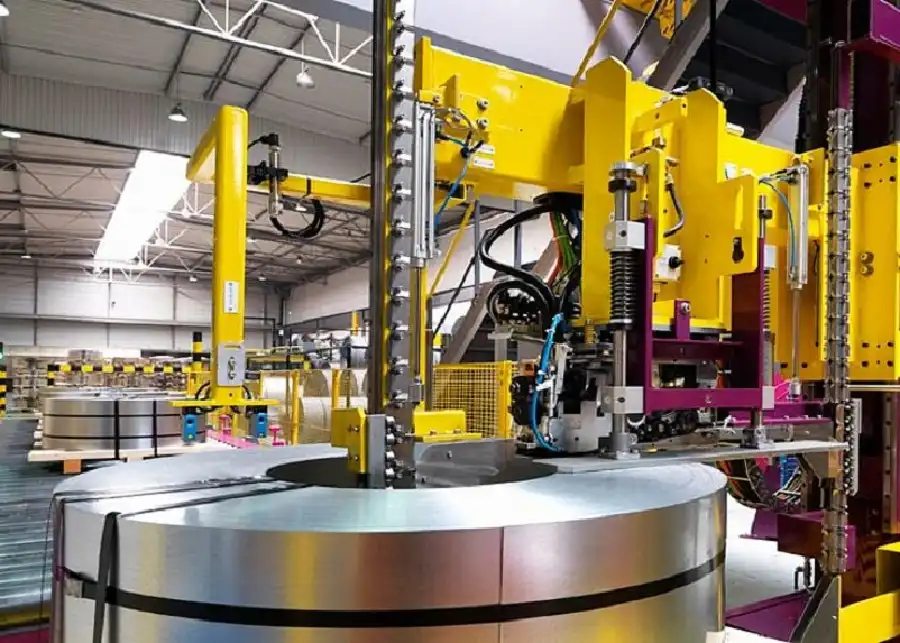
steel strip strapping machine china Conclusion
The shift towards automated steel coil packing systems represents a fundamental improvement in factory operations, extending far beyond mere efficiency gains. It is a strategic move to prioritize worker safety, ensure consistent product quality, and maintain compliance with rigorous safety standards. By minimizing manual handling risks, reducing human error, and operating within strict safety parameters, automation creates a more secure and productive workplace.
For facilities still engaged in manual coil packing, the inherent risks pose ongoing challenges to safety and operational stability. Embracing automation in steel coil packing is not just an upgrade; it's an essential step towards building a safer, more efficient, and ultimately more profitable future for manufacturing operations. The advancements in automation technology continue to redefine safety benchmarks across industries, with steel coil handling being a prime example of its positive impact.