Case Study: Boosting Efficiency by 70% with an Automated Steel Coil Packing Line

Introduction
In today's competitive industrial landscape, enhancing operational efficiency and productivity is critical. Automation stands out as a key driver of progress, particularly in high-volume sectors like steel manufacturing. This case study examines how implementing an automated steel coil packing line led to a significant 70% improvement in efficiency for one company. We will explore the challenges of traditional packing methods, the specific automated solutions adopted, and the measurable outcomes achieved, offering practical insights for manufacturers considering similar automation projects for their steel coil packaging needs.
The Traditional Approach to Steel Coil Packing
Manual Packing: Time-Consuming and Labor-Intensive
Before automation, the steel coil packing process was primarily manual, presenting significant operational hurdles. Workers handled each coil individually, performing wrapping and securing tasks by hand. This approach, while seemingly direct, was inherently time-consuming, labor-intensive, and susceptible to inconsistencies. The need to adapt techniques for varying coil sizes, weights, and customer specifications made standardization difficult.
Challenges with Manual Packing
- High Labor Costs: Efficient manual packing required a substantial workforce, often across multiple shifts, to meet production demands due to the repetitive and physically demanding nature of the work.
- Inconsistent Quality: Reliance on manual execution resulted in variable packing quality. Improperly wrapped coils were common, increasing the risk of damage during transport or storage.
- Worker Fatigue and Safety Risks: Handling heavy steel coils manually led to worker fatigue, heightening the risk of workplace injuries and errors, especially during long shifts.
- Slow Turnaround Times: The manual packing stage frequently caused bottlenecks, slowing down the entire production line and delaying order fulfillment.
Recognizing the Need for Automation
Analyzing Operational Bottlenecks
Facing pressure to increase packing speed and reduce operational costs, the company conducted an internal audit. This analysis identified manual packing as the primary bottleneck hindering efficiency. Delays at this stage negatively impacted delivery schedules, led to customer dissatisfaction, and strained labor resources. Management concluded that continuing with manual operations would limit growth and erode their competitive position.
Benefits of Automation for Steel Coil Packing
- Increase throughput by accelerating the packing process.
- Improve consistency and quality in packaging.
- Reduce labor dependency and associated operational costs.
- Minimize product damage during handling and transportation.
With these goals defined, the search for a suitable automated packing solution commenced.
Choosing the Right Automated Steel Coil Packing Line
Evaluating System Options
The company assessed various automated packing systems, prioritizing solutions that could seamlessly integrate with their existing production flow. Evaluation criteria included:
- Scalability: The system needed the capacity to handle future increases in production volume.
- Flexibility: Ability to process steel coils of diverse sizes, weights, and specifications was essential.
- Reliability: High uptime and ease of maintenance were critical to avoid costly disruptions.
- Cost-effectiveness: The long-term operational savings needed to provide a clear return on the initial investment.
Final Selection: Advanced Automated Packing Solution
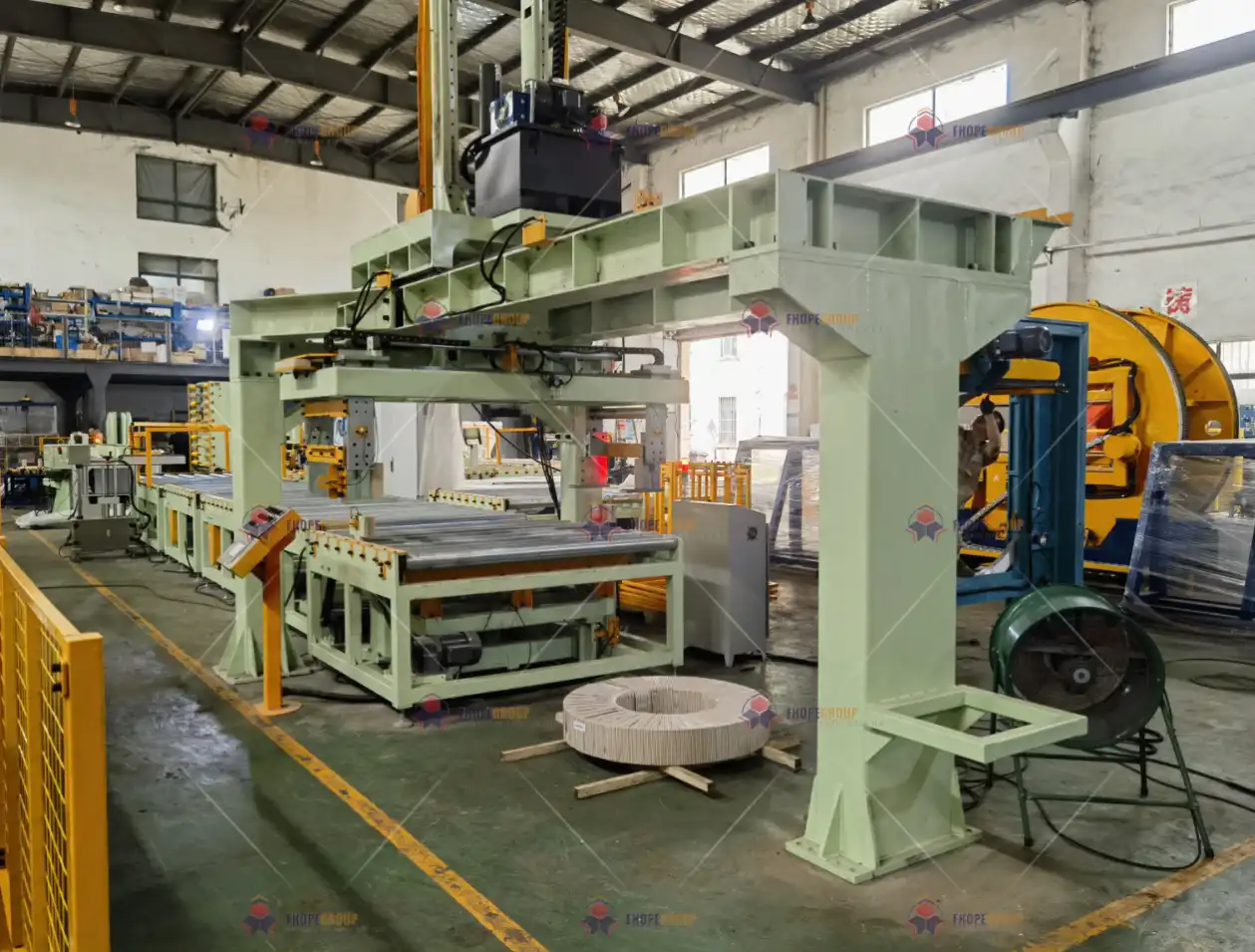
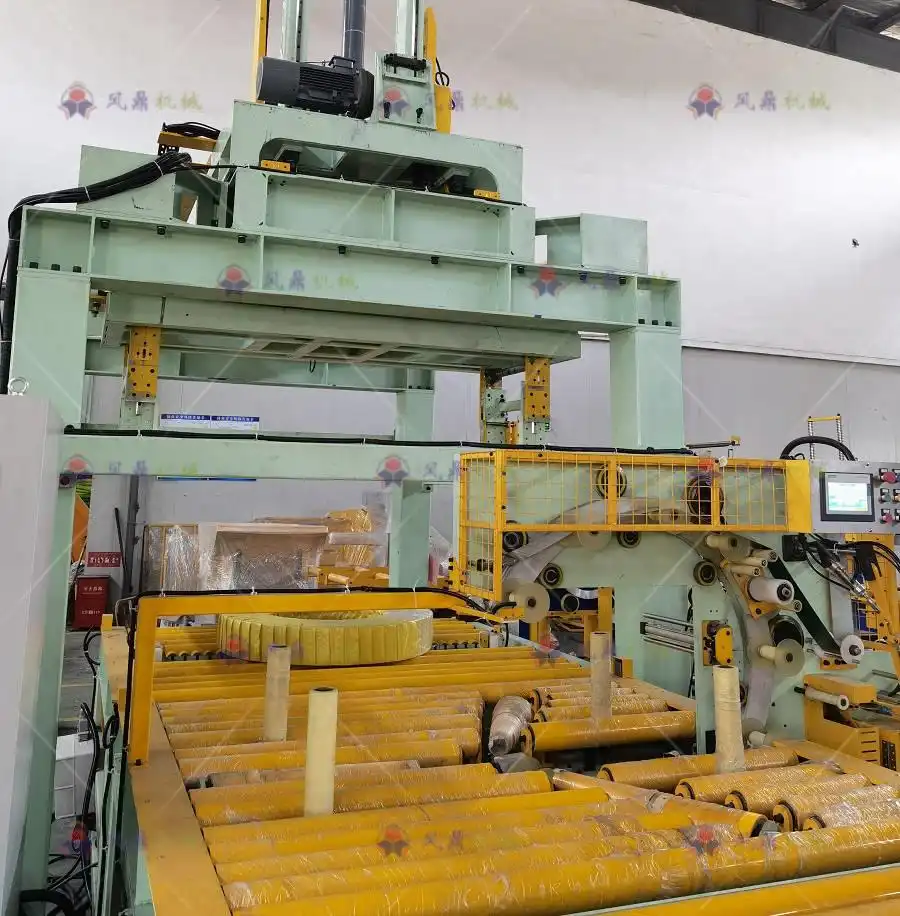
After careful consideration, the company selected an advanced automated steel coil packing line featuring:
- Automated wrapping: Precise mechanisms ensured consistent and secure wrapping for each coil.
- Automated strapping: Integrated strapping systems applied durable straps to withstand transport stresses.
- Palletizing automation: The system automatically placed finished coils onto pallets, minimizing manual handling.
Implementation and Setup Process
Transitioning from Manual to Automated Systems
Following the selection, the implementation phase began. Transitioning from a manual system required meticulous planning and execution, overseen by a dedicated project management team responsible for installation, integration, and testing.
Challenges During Installation
The transition encountered some hurdles:
- Downtime During Setup: Installing the new line necessitated a temporary shutdown of existing operations. Minimizing this downtime was crucial to limit production disruptions.
- Employee Training: Staff previously involved in manual packing required training to operate and maintain the new automated system. Effective change management, including clear communication and support, was vital to address concerns and ensure a smooth transition.
Overcoming Initial Hurdles
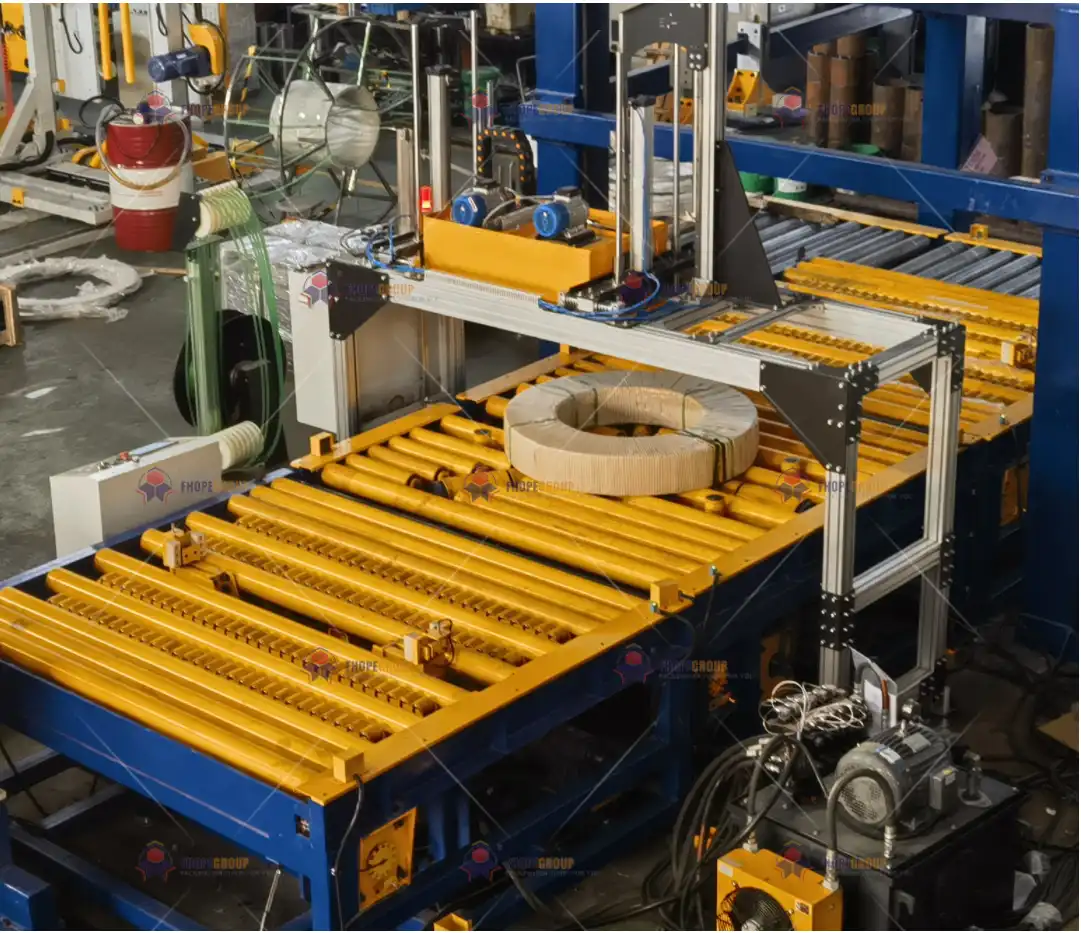
The initial weeks post-implementation involved fine-tuning. Minor technical issues were resolved, the system layout was optimized for efficient coil flow, and packaging parameters were refined to maximize performance.
Efficiency Gains Post-Automation
Measuring Success with Key Performance Indicators (KPIs)
The impact of the automated system was tracked using several KPIs:
- Packing Time Per Coil: Time required to wrap and secure each steel coil.
- Labor Costs: Reduction in labor hours allocated to packing.
- Product Damage Rates: Frequency of coil damage during transport or storage.
- Production Throughput: Number of coils packed per hour compared to pre-automation rates.
Remarkable Efficiency Improvements
The results demonstrated substantial gains across packing speed, labor costs, product protection, and overall throughput.
1. 70% Increase in Packing Speed: Revolutionizing Time Efficiency
A standout result was a 70% increase in packing speed. This significantly reduced bottlenecks and enabled faster order fulfillment. Compared to the manual process, which could take several minutes per coil, the automated system completed packing in seconds using:
- Automated Wrapping Technology: High-speed wrapping arms applied protective materials and straps simultaneously, replacing slow manual winding. Optimized tension and layering ensured speed without compromising quality.
- Precision Sensors: Sensors and vision systems detected coil dimensions, allowing real-time adjustments to the wrapping process, eliminating manual measurements and boosting speed.
- Automated Strapping Mechanisms: High-precision pneumatic or electric tensioners rapidly and consistently applied straps, ensuring uniform tension and secure coils, replacing time-consuming manual strapping.
This streamlined process reduced packing time to under 30 seconds per coil for many standard sizes, compared to 3-5 minutes manually. This allowed the company to clear backlogs and improve delivery times, enhancing its market competitiveness.
2. 40% Reduction in Labor Costs: Efficiency in Workforce Utilization
Automation led to a 40% reduction in labor costs. Key factors included:
- Reduction in Manpower: The automated line handled wrapping, strapping, and palletizing, requiring only a small team for oversight and basic maintenance, drastically cutting direct labor needs.
- Skilled Labor Reallocation: Workers transitioned from manual packing to higher-value roles like system monitoring, maintenance, and quality control, optimizing workforce utilization and reducing reliance on overtime.
- Fewer Human Errors: Automation eliminated inconsistencies and errors common in manual packing, reducing rework, delays, and the associated labor costs.
These improvements resulted in sustainable labor cost reductions, achieving greater cost-efficiency.
3. 50% Decrease in Product Damage: Enhancing Product Integrity and Safety
Inconsistent manual packing often led to coil damage. The automated system achieved a 50% decrease in product damage through:
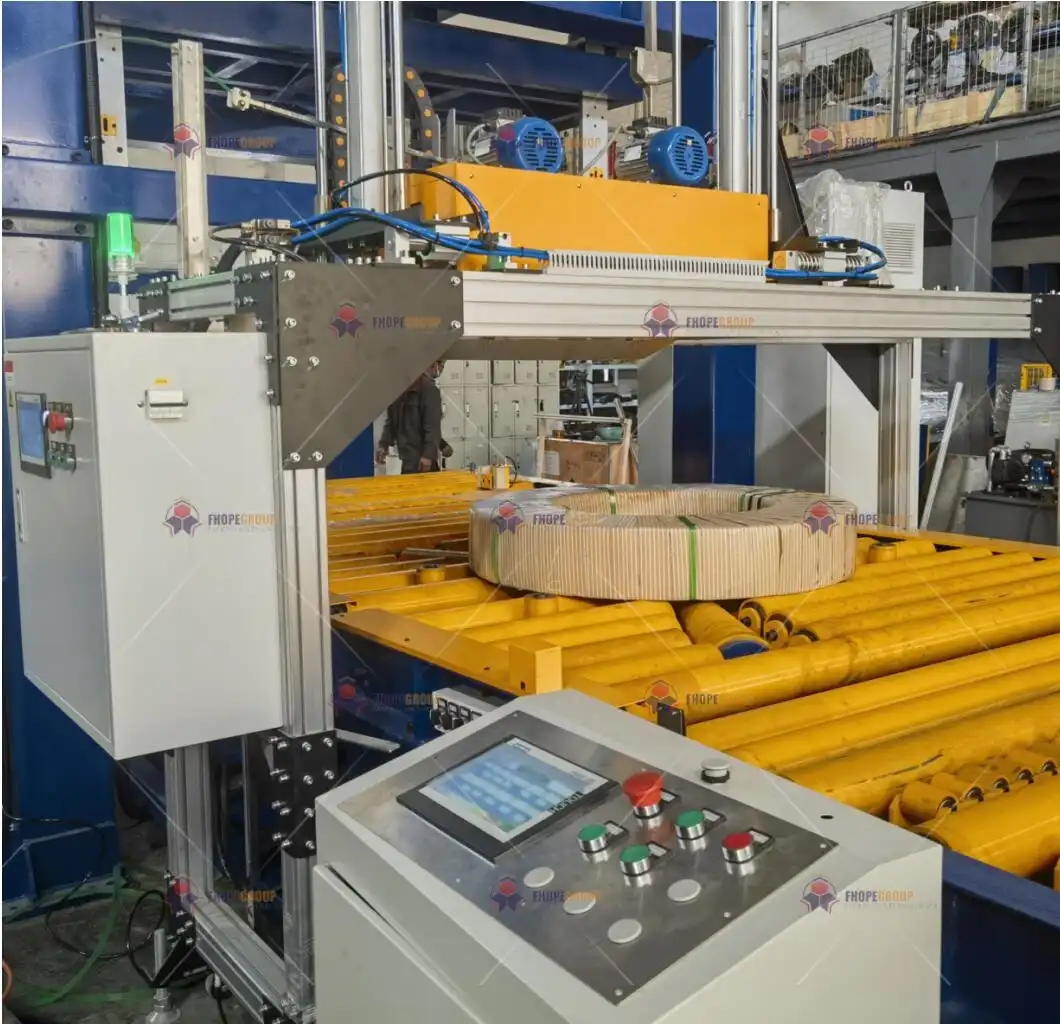
- Uniform Wrapping Techniques: Pre-programmed algorithms ensured the optimal amount of wrapping material was applied consistently, providing ideal protection without waste.
- Consistent Tensioning and Strapping: Precise tension control mechanisms applied straps uniformly, reducing the risk of coils shifting or becoming deformed during transit.
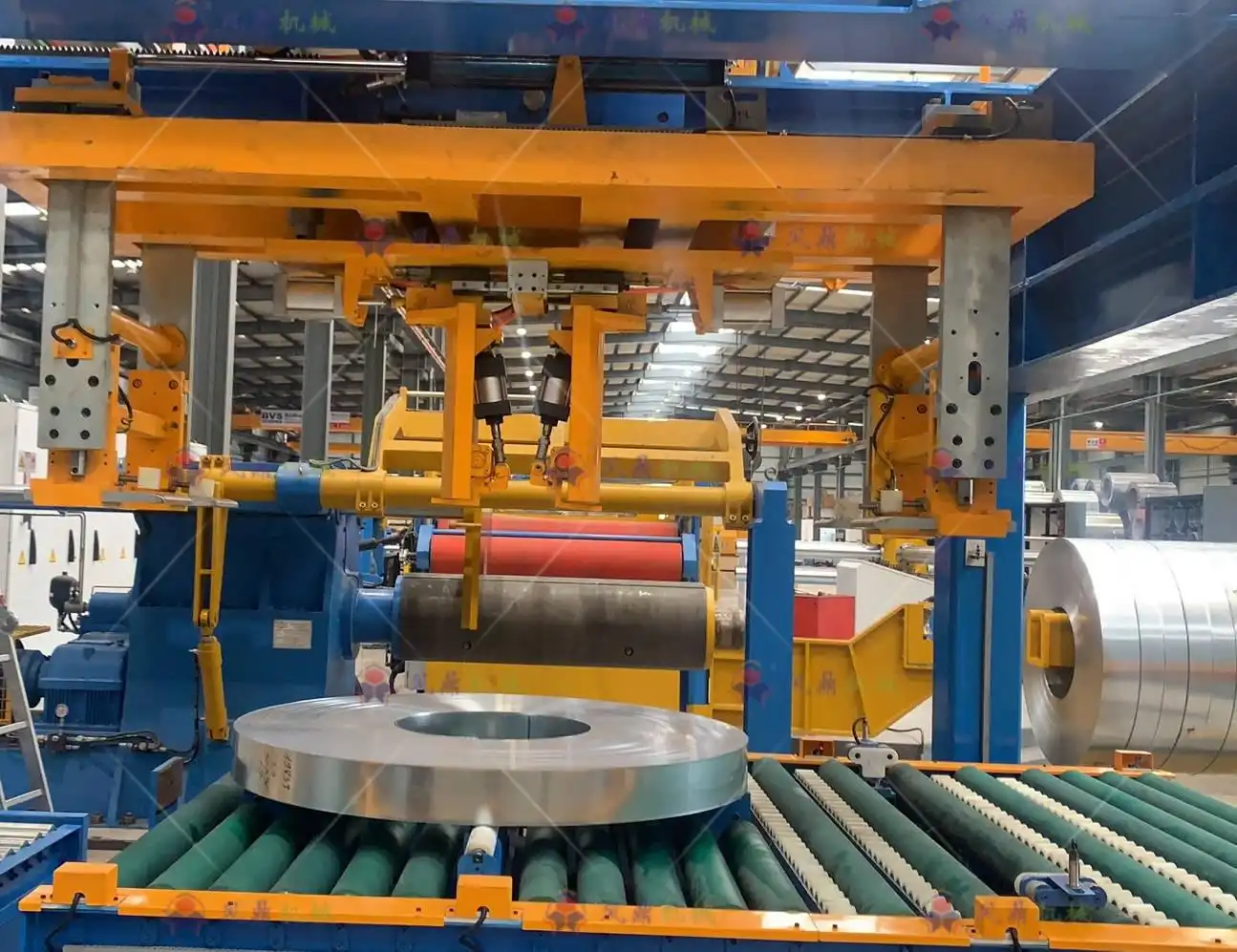
- Minimization of Handling Damage: Automated conveyors and robotic arms transported coils smoothly between stations, reducing manual handling and minimizing the risk of scratches, dents, or other physical damage.
Reduced damage saved replacement costs and strengthened customer relationships by ensuring delivery of high-quality, intact products.
4. 70% Increase in Overall Production Throughput: Eliminating Bottlenecks
The most significant outcome was a 70% increase in overall production throughput, driven by:
- Continuous Operation: The automated line operated continuously with minimal downtime, unlike manual systems subject to fatigue, shift changes, and errors. This maximized daily output.
- Integrated System Workflow: Seamless integration of wrapping, strapping, and palletizing eliminated idle time between manual process stages.
- Reduced Downtime and Maintenance Efficiency: Features like predictive maintenance alerts based on sensor data minimized unplanned downtime. Proactive maintenance scheduling and modular system design allowed for quicker service, maximizing operational availability.
By removing bottlenecks, the highly efficient, streamlined packing process dramatically increased output capacity, enabling the company to fulfill more orders faster.
Impact on Employee Roles and Work Environment
Shifting Labor Requirements
Addressing concerns about job security, the company invested in reskilling its workforce. Many employees transitioned from manual labor to roles involving system oversight, monitoring, and maintenance. This approach retained jobs while offering opportunities for skill development and career growth.
Improved Workplace Safety
Automation significantly reduced hazards associated with manually handling heavy steel coils. By taking over strenuous and repetitive tasks, the system lowered the risk of musculoskeletal injuries and accidents, contributing to a safer work environment for employees.
Enhanced Customer Satisfaction Through Automation
Faster Order Fulfillment
The increased throughput directly translated to faster order fulfillment. The company could meet deadlines more reliably and offer shorter lead times, boosting customer satisfaction by minimizing delays and ensuring on-time delivery. This improved reliability also attracted new customers seeking dependable suppliers.
Improved Product Quality
The consistent quality of packed steel coils was another major benefit. Uniform wrapping and strapping minimized transit damage. Fewer customer complaints about damaged goods and reduced returns strengthened the company's reputation for reliability and customer loyalty.
The Financial Impact of Automation
Cost Savings from Reduced Labor
The significant reduction in labor costs (approximately 40% annually) provided immediate financial benefits. Savings also came from reduced overtime pay, as the automated system operated consistently without fatigue-related breaks or shift limitations.
Decreased Maintenance and Operational Costs
While requiring an initial investment, the automated system proved cost-effective through lower ongoing operational expenses. Durable components designed for high-volume use required less frequent repair than manual tools. Furthermore, greater precision led to reduced waste of packing materials, contributing to further cost savings.
The Role of Data in Optimizing the Packing Line
Real-Time Monitoring and Analytics
The automated system provided valuable real-time data on performance metrics like packing speed, material usage, and equipment status. This data enabled continuous improvement efforts. For instance, analyzing wrapping tension and strapping placement data allowed for material usage optimization, reducing costs and environmental impact.
Preventive Maintenance and Reduced Downtime
Performance data facilitated a preventive maintenance program. By monitoring component wear and predicting potential failures, maintenance could be scheduled proactively, drastically reducing unplanned downtime and ensuring smooth, uninterrupted production.
Environmental Impact of Automation
Reduction in Material Waste
Automation contributed positively to the company's environmental footprint. Precise material application eliminated the excess material use common in manual packing, reducing consumption of wrapping films and strapping bands. This efficiency aligned with corporate sustainability goals and promoted greener operations.
Energy Efficiency
Modern automated systems are often designed for energy efficiency. Optimized operation and reduced idle times resulted in lower overall electricity consumption compared to older, less integrated manual or semi-automated processes, reducing energy costs and supporting sustainable manufacturing practices.
Future Outlook: Expansion and Continued Innovation
Scaling Up Operations
Buoyed by the initial success, the company explored scaling up automation. Plans included implementing similar systems in other facilities and integrating automation into adjacent processes like automated coil handling and warehouse management. The insights gained provided a blueprint for successful future expansions.
Staying Ahead with Technological Advancements
The company remains committed to leveraging technology. It actively monitors advancements in automation, including artificial intelligence (AI) and machine learning (ML), exploring their potential to further enhance efficiency. AI-driven predictive maintenance could virtually eliminate downtime, while ML algorithms could analyze performance data to drive continuous optimization, keeping the company at the forefront of steel coil processing technology. (Read about AI in Manufacturing).
Conclusion
The adoption of an automated steel coil packing line delivered transformative results, boosting overall efficiency by a remarkable 70%. This case study highlights how strategic automation, through careful planning, system selection, and ongoing optimization, can yield substantial benefits beyond cost reduction, including improved product quality, enhanced workplace safety, increased throughput, and greater customer satisfaction.
This investment has generated significant long-term financial returns, reduced environmental impact, and solidified the company's competitive standing. By embracing automation and remaining open to future technological innovations, the company is well-positioned for continued growth and leadership in efficient, sustainable steel processing operations.
Get Your Best Solution !