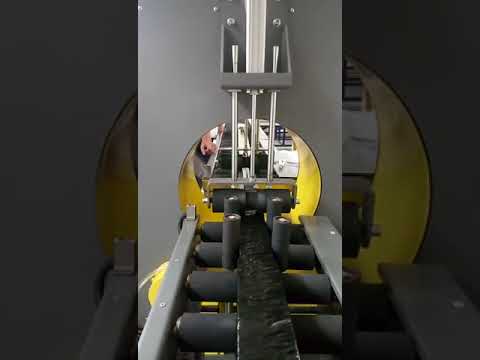

Uncovering Hidden Costs in Aluminum Profile Packaging and Effective Avoidance Strategies
In manufacturing and logistics, the way aluminum profile packaging is handled significantly impacts product integrity and safety during transit. However, beneath the surface of standard operating procedures often lie substantial hidden costs. Recognizing and addressing these overlooked expenses is vital for optimizing profitability and maintaining efficient operations. This article explores the common hidden costs in aluminum profile packaging and provides practical strategies to mitigate them effectively.
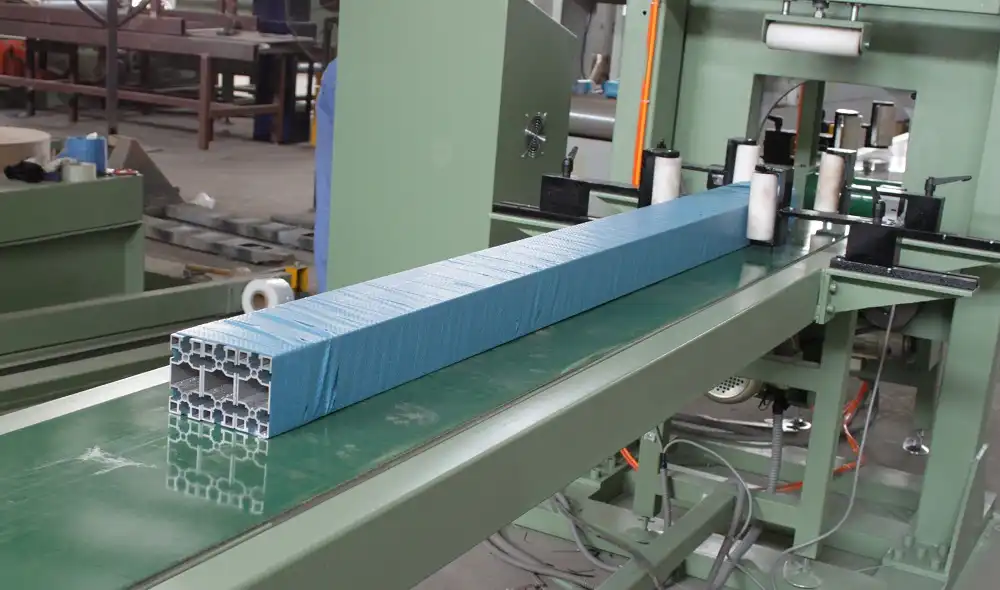
Understanding Aluminum Profiles and Their Packaging Needs
What Exactly Are Aluminum Profiles?
Aluminum profiles, also known as aluminum extrusions, are shapes created by forcing aluminum alloys through a die. Renowned for their lightweight nature combined with high strength and corrosion resistance, they are fundamental components in sectors like construction, automotive manufacturing, electronics, and industrial equipment. Their diverse applications necessitate careful handling and specialized packaging solutions.
Why is Proper Packaging Crucial?
Effective packaging for aluminum extrusions goes beyond mere presentation. Its primary function is to ensure these profiles reach their destination undamaged, protecting intricate designs and surface finishes. Proper protective packaging for aluminum profiles is essential for:
- Preventing Damage: Shielding against scratches, dents, bending, and corrosion during handling, storage, and shipping.
- Maintaining Quality: Ensuring the product meets customer specifications upon arrival.
- Enhancing Customer Satisfaction: Delivering pristine products builds trust and loyalty.
- Avoiding Costly Returns: Minimizing the financial and logistical burden of replacements and reverse logistics.
However, the packaging process itself can introduce unforeseen expenses if not managed carefully.
Identifying the Hidden Costs in Aluminum Extrusion Packaging
Many factors contribute to the total cost of packaging beyond the obvious material expenses. Let's delve into the less apparent costs:
1. Suboptimal Material Selection
While using cheaper packaging materials might seem like an initial saving, it often leads to higher costs down the line due to inadequate protection. Flimsy materials can result in transit damage.
- Insight: The cost of replacing a damaged aluminum profile (including shipping and labor) almost always outweighs the savings from using inferior packaging.
- Strategy: Invest in quality materials (e.g., appropriate gauge films, robust corner protectors, suitable interleaving materials) specifically designed for the weight, shape, and finish of your aluminum profiles. Evaluate the total cost of ownership, not just the purchase price.
2. Inefficient Labor and Processes
Manual packaging processes, especially complex ones, can be time-consuming and prone to inconsistencies. The labor costs associated with inefficient packing methods, excessive handling, or rework due to errors can accumulate significantly.
- Insight: Bottlenecks in the packaging line directly translate to higher operational costs and potentially delayed shipments.
- Strategy: Streamline the packaging workflow. Implement standardized procedures, optimize workstation layouts, and consider automation (like stretch wrappers or strapping machines specifically designed for long profiles) where feasible to improve speed, consistency, and reduce manual labor dependency.
3. Unoptimized Shipping and Freight Costs
Packaging directly influences shipping expenses. Bulky, oversized, or unnecessarily heavy packaging increases dimensional weight (DIM weight) charges and fuel costs. Poorly unitized loads can also lead to inefficient container or truck space utilization.
- Insight: Carriers often charge based on DIM weight or actual weight, whichever is greater. Inefficient packaging can inflate these costs significantly.
- Strategy: Design packaging to be as compact and lightweight as possible while maintaining protection. Optimize palletization and load configuration. Work with logistics providers to understand their pricing structures and tailor packaging accordingly. Explore options like reusable packaging systems where applicable.
4. Damage, Returns, and Reputational Impact
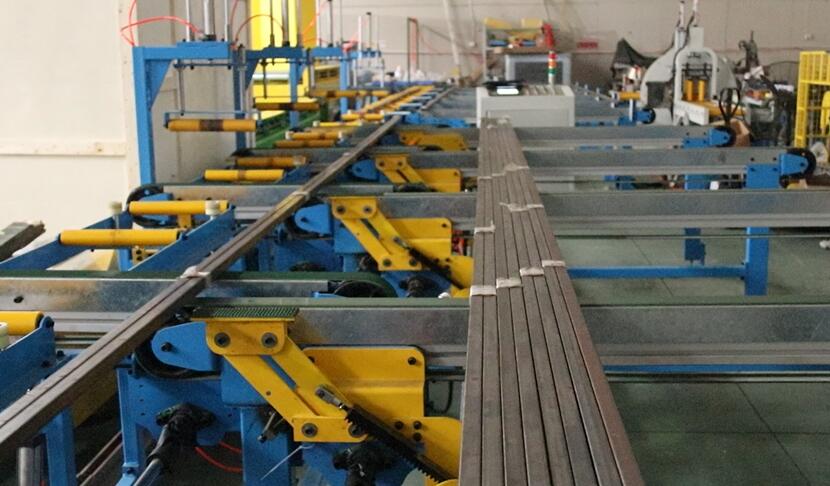
This is perhaps the most significant hidden cost. Product damage during transit necessitates costly replacements, return shipping, administrative processing, and potential inventory write-offs. Furthermore, frequent damage erodes customer trust and brand reputation.
- Insight: The cost of damage extends beyond the physical product to include lost customer goodwill and potential future sales.
- Strategy: Implement robust protective measures tailored to the profile type (e.g., foam inserts, edge protectors, anti-scratch films, secure bundling). Conduct transit testing (ISTA standards can be a reference) to validate packaging effectiveness before widespread use.
5. Waste Management and Sustainability Concerns
Excessive or non-recyclable packaging materials contribute to waste disposal costs and environmental impact. Increasingly, customers and regulations favor sustainable practices.
- Insight: Poor packaging choices can lead to higher disposal fees and may negatively impact brand perception among environmentally conscious clients.
- Strategy: Optimize packaging design to minimize material usage (right-sizing). Prioritize recyclable or reusable materials. Clearly label materials to facilitate proper recycling by the end-user. Explore partnerships for packaging take-back programs.
6. Inventory Holding Costs
Storing bulky packaging materials or finished goods with inefficient packaging takes up valuable warehouse space, increasing inventory holding costs (rent, utilities, insurance). Damaged goods awaiting processing also tie up space and capital.
- Insight: Space occupied by unnecessary packaging materials or damaged stock is space that could be used for revenue-generating inventory.
- Strategy: Implement just-in-time (JIT) principles for packaging materials where practical. Optimize packaging design for stackability and space efficiency. Maintain an efficient inventory system to track packaging supplies and damaged goods accurately.
7. Regulatory Compliance Fines and Delays
Packaging, especially for international shipments, must adhere to various regulations (e.g., wood packaging material standards like ISPM 15, labeling requirements, material restrictions). Non-compliance can result in customs delays, fines, and forced repackaging.
- Insight: Ignorance of packaging regulations is not an excuse and can lead to significant disruptions and financial penalties.
- Strategy: Stay informed about packaging requirements in all destination markets. Work with packaging suppliers and logistics partners knowledgeable about international compliance. Ensure all documentation is accurate.
8. Opportunity Costs
Time and resources spent dealing with packaging issues – handling damage claims, resolving shipping errors, manually intensive packing – detract from core business activities like production, sales, and innovation.
- Insight: Every hour spent on fixing preventable packaging problems is an hour not spent on growing the business.
- Strategy: Invest in optimizing the packaging process upfront to free up resources. Empower staff with the right tools and training to handle packaging efficiently.
9. Rising Insurance Premiums
A high rate of shipping damage claims can lead to increased insurance premiums, as insurers perceive your shipments as higher risk.
- Insight: Consistently poor packaging performance signals higher risk to insurers.
- Strategy: Document your improved packaging processes and reduced damage rates. Discuss these improvements with your insurance provider, as demonstrating lower risk may help negotiate better premiums.
10. Customer Churn and Lost Sales
Ultimately, unreliable deliveries due to packaging failures can drive customers away. If buyers frequently receive damaged aluminum profiles or experience delays, they are likely to seek more dependable suppliers.
- Insight: The lifetime value of a lost customer due to poor packaging far exceeds the cost of implementing better solutions.
- Strategy: Prioritize packaging as a critical component of the customer experience. Invest in reliable aluminum extrusion packaging solutions that ensure products arrive consistently intact and on time.
Strategic Solutions for Mitigating Packaging Costs
Identifying hidden costs is the first step. Implementing targeted strategies is key to reducing them:
1. Optimize Packaging Design Holistically
- Action: Use CAD tools or work with packaging engineers to design solutions that minimize material use while maximizing protection. Consider the entire lifecycle, from packing efficiency to end-user unpacking and disposal.
2. Embrace Automation and Technology
- Action: Evaluate semi-automatic or fully automatic packaging machinery (wrapping, strapping, bundling systems) for high-volume operations. Explore smart sensors or data loggers for monitoring transit conditions on high-value shipments.
3. Select Knowledgeable Packaging Partners
- Action: Collaborate with suppliers who specialize in industrial packaging, particularly for metals or extrusions. They can offer material expertise, design assistance, and insights into cost-effective innovations.
4. Invest in Workforce Training
- Action: Conduct regular training on proper packing techniques, material handling, quality checks, and the importance of adhering to standards. Ensure staff understands why certain procedures are necessary.
5. Implement Lean Principles
- Action: Apply lean methodologies (e.g., 5S, value stream mapping) to identify and eliminate waste (excess motion, waiting time, over-processing, excess inventory) in the packaging area.
6. Leverage Data Analytics
- Action: Track key metrics like damage rates (by product, destination, carrier), packaging costs per unit, and processing times. Analyze this data to pinpoint problem areas and measure the impact of changes.
7. Foster Strong Supplier Relationships
- Action: Build collaborative partnerships with packaging material suppliers. This can lead to better pricing, priority service, and early access to new, potentially more cost-effective materials or solutions.
8. Regularly Evaluate Packaging Materials
- Action: Periodically review the materials you use. Are there lighter, stronger, more sustainable, or more cost-effective alternatives available now that weren't previously? Conduct performance tests before making changes.
9. Explore Custom Packaging Solutions
- Action: While potentially having a higher initial cost, custom-designed packaging tailored specifically to your aluminum profiles can offer superior protection, reduce material waste, improve pack density, and lower overall costs in the long run.
10. Stay Informed and Adaptable
- Action: Keep up-to-date with industry trends, new packaging technologies, changing regulations, and evolving customer expectations (especially regarding sustainability). Be prepared to adapt your strategies accordingly.
Conclusion: Turning Packaging from a Cost Center to a Value Driver
Hidden costs in aluminum profile packaging can significantly erode profits if left unaddressed. By taking a systematic approach to identify these expenses – from materials and labor to shipping and damage – and implementing targeted mitigation strategies, businesses can transform their packaging operations. Investing in optimized design, appropriate technology, staff training, and strong partnerships not only reduces costs but also enhances product protection, improves customer satisfaction, and strengthens your brand's reputation in a competitive market. Proactive management of packaging is not just about saving money; it's about ensuring the quality and integrity of your aluminum profiles from your facility to the end-user.