Optimizing Packaging for Aluminum Extrusions: Combining Wrapping and Shrinking Technologies
In metal fabrication and distribution, ensuring product integrity from the production line to the end-user is paramount. For delicate items like aluminum profiles (also known as aluminum extrusions), robust packaging isn't just beneficial – it's essential. Damage during handling, storage, or transit can lead to costly rework or replacement. This article examines an effective automated solution: integrating an orbital wrapping machine with a heat shrink tunnel (shrinking machine) to protect aluminum extrusions. We will delve into the characteristics of aluminum profiles, the mechanics of this packaging combination, its advantages, operational considerations, and best practices for implementation.
Understanding Aluminum Profiles and Their Packaging Needs
What Are Aluminum Profiles?
Aluminum profiles, or extrusions, are engineered shapes created by forcing heated aluminum alloy through a die. Their unique combination of properties – lightweight, high strength-to-weight ratio, corrosion resistance, and design flexibility – makes them indispensable in industries ranging from construction (window frames, curtain walls) and automotive (structural components, trim) to electronics (heat sinks) and industrial equipment.
However, aluminum extrusions often have critical tolerances and surface finishes that are susceptible to damage. Scratches, dents, bends, or surface contamination can render a profile unusable for its intended application.
Why Proper Packaging is Critical
Effective packaging for aluminum extrusions serves several crucial functions:
- Surface Protection: Prevents scratches, abrasions, and contact marks on visible or functional surfaces.
- Structural Integrity: Minimizes the risk of bending, twisting, or denting, especially for long or thin-walled profiles.
- Environmental Shielding: Protects against moisture, dust, dirt, and potential corrosion, particularly during storage or transport in varying conditions.
- Handling Efficiency: Bundled and securely wrapped profiles are easier and safer to handle, load, and unload using forklifts or cranes.
- Cost Reduction: Significantly reduces financial losses associated with damaged goods, customer claims, and product returns.
- Professional Presentation: Quality packaging reflects positively on the supplier's commitment to quality control.

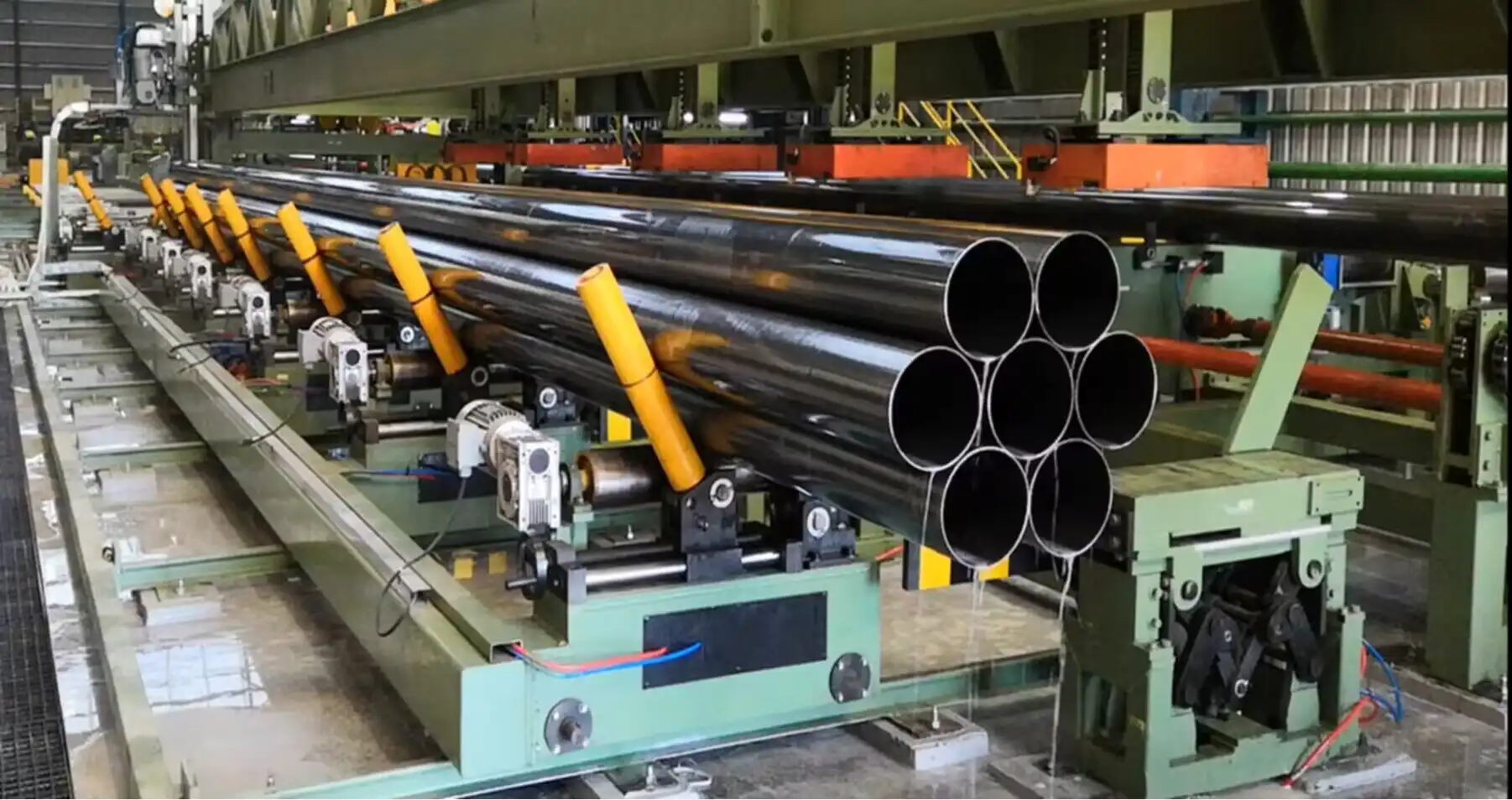
steel tube packing line3 Key Packaging Machinery Components
Orbital Stretch Wrapping Machine
An orbital stretch wrapping machine is specifically designed for long products like pipes, lumber, and aluminum extrusions. The product passes horizontally through a rotating ring carrying a roll of stretch film. The film is dispensed and wrapped tightly around the profile bundle as it moves through the machine, creating a secure, conforming layer. These machines are ideal for providing primary protection against surface damage and bundling multiple profiles together.
Heat Shrink Tunnel (Shrinking Machine)
A shrinking machine, typically a heat tunnel, works in conjunction with shrink film (often polyethylene-based). After the profiles are loosely covered or wrapped in shrink film (which can be done manually or automated, sometimes following the stretch wrapping), they pass through the tunnel. Controlled hot air circulation causes the film to shrink uniformly, conforming tightly to the shape of the profiles or bundle. This creates a taut, robust, weather-resistant outer layer.
Advantages of Combining Wrapping and Shrinking for Aluminum Profiles
Integrating orbital stretch wrapping with heat shrink wrapping provides a multi-layered defense system, offering compelling benefits:
1. Superior Protection
The stretch wrap provides a primary layer against scratches and holds bundles securely. The subsequent shrink wrap adds a tough, tight, puncture-resistant outer layer that further immobilizes the profiles, shields against moisture and dirt, and adds rigidity to the bundle. This dual approach significantly minimizes damage risk.
2. Enhanced Bundle Stability
The combination ensures profiles within a bundle do not shift or rub against each other during transit, a common cause of surface damage. The tight shrink wrap unitizes the bundle effectively.
3. Improved Operational Efficiency
Automating both processes in sequence streamlines the packaging line. Compared to manual methods or single-step wrapping, an integrated system increases throughput, reduces manual labor requirements, and ensures consistent packaging quality.
4. Versatility and Customization
Modern systems allow adjustments for different profile lengths, bundle sizes, film types, wrap tensions, and shrink temperatures. This flexibility enables optimization for various extrusion types and end-use requirements. Common film materials include Low-Density Polyethylene (LDPE) for shrink wrapping and Linear Low-Density Polyethylene (LLDPE) for stretch wrapping.
5. Cost-Effectiveness
While requiring initial investment, the reduction in product damage, labor costs, and material waste (through optimized film usage) often results in a lower total cost of ownership and a strong return on investment over time.

Operational Workflow: Wrapping Followed by Shrinking
The typical automated process for packaging aluminum profiles using this combined method involves:
Step 1: Infeed and Bundling (Optional)
Profiles may be manually or automatically gathered into bundles of a specific size or count. Spacers (e.g., paper or foam interleaving) might be inserted between sensitive profiles before bundling.
Step 2: Orbital Stretch Wrapping
The bundle is conveyed into the orbital wrapping machine.
- The rotating ring applies stretch film circumferentially as the bundle moves horizontally through the machine's aperture.
- Parameters like film overlap, tension, and ring speed are pre-set based on the bundle requirements.
- Automatic film clamping and cutting mechanisms complete the wrap cycle.
Step 3: Shrink Film Application (if not pre-bagged)
Depending on the system, a sleeve or bag of shrink film might be applied automatically after stretch wrapping, or the stretch-wrapped bundle might proceed directly to the shrink tunnel if the stretch wrap is the layer to be shrunk (less common, typically requires specific film). More commonly, a separate shrink film layer is applied.
Step 4: Heat Shrink Tunnel
The wrapped bundle enters the heat shrink tunnel.
- Recirculating hot air, precisely controlled for temperature and airflow, envelops the bundle.
- The shrink film shrinks tightly around the contours of the bundle. Dwell time within the tunnel is critical for proper shrinking without overheating the aluminum or film.
- Exit-zone cooling fans may help set the film quickly.
Step 5: Outfeed and Staging
The fully packaged bundle exits the system, ready for labeling, storage, or shipment.

Selecting the Right Packaging System
Choosing the appropriate machinery requires careful consideration:
1. Production Volume and Speed
Match the machine's throughput capacity (bundles per hour) to your production output and peak demands. Consider acceleration/deceleration rates and cycle times.
2. Profile Dimensions and Bundle Sizes
Ensure the machine's aperture (for orbital wrappers) and tunnel dimensions (for shrink tunnels) can accommodate the full range of profile lengths, widths, heights, and bundle configurations you handle.
3. Film Compatibility and Requirements
Specify the types and gauges of stretch film and shrink film intended for use. The machines must handle these materials effectively. Consider film costs, recyclability, and required barrier properties (e.g., UV resistance if stored outdoors).
4. Level of Automation and Integration
Determine the desired level of automation – from semi-automatic systems requiring manual loading/unloading to fully integrated lines connected to upstream extrusion and downstream logistics. Consider PLC controls, HMI interfaces, and potential integration with plant management software.
5. Maintenance, Support, and Training
Evaluate the manufacturer's reputation for reliability, availability of spare parts, technical support responsiveness, and provision of operator/maintenance training. Factor in routine maintenance requirements to minimize downtime.
Best Practices for Packaging Aluminum Profiles
- Pre-Packaging Inspection: Ensure profiles are clean, dry, and free from defects before packaging.
- Use Interleaving: For high-value finishes or sensitive profiles, use non-abrasive interleaving materials (paper, foam, plastic sheeting) between layers within the bundle before wrapping.
- Optimize Machine Settings: Regularly calibrate wrap tension, film overlap, tunnel temperature, and conveyor speed for different profile types and bundle sizes to ensure consistent quality without wasting film or energy.
- Quality Control Checks: Periodically inspect finished bundles to verify wrap integrity, shrink tightness, and absence of damage.
- Operator Training: Ensure operators are thoroughly trained on machine operation, safety procedures, film loading, and basic troubleshooting.
- Preventative Maintenance: Adhere strictly to the manufacturer's recommended maintenance schedule for lubrication, cleaning, and component inspection (e.g., heating elements, sealing jaws, film rollers).
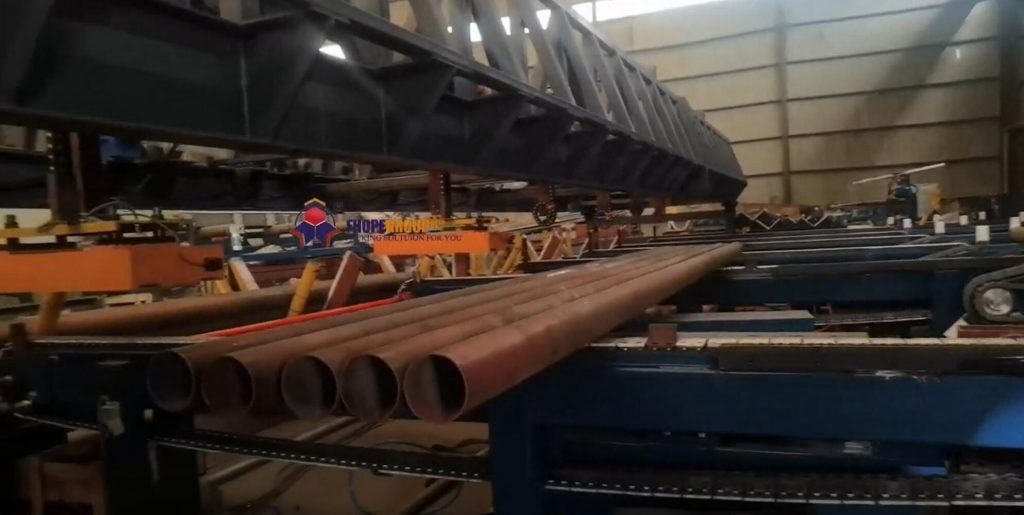
steel tube bundle strapping machine Environmental Considerations
Sustainability is an increasing focus in manufacturing and packaging:
- Recyclable Films: Opt for stretch and shrink films made from recyclable materials like LDPE (Code #4) or LLDPE (Code #4). Clearly label packaging to facilitate recycling by the end-user.
- Film Gauge Optimization: Use the thinnest gauge film that still provides adequate protection ("downgauging") to reduce plastic consumption.
- Energy Efficiency: Select modern wrapping machines and shrink tunnels designed with energy-saving features, such as improved insulation, efficient heat transfer systems, and variable speed drives.

Real-World Impact: Case Examples
Example 1: Architectural Aluminum Extruder
An extruder supplying profiles for window and door systems faced high damage rates during LTL (Less Than Truckload) shipping. Implementing an integrated orbital wrapper and shrink tunnel system reduced reported shipping damage by over 60%. The secure, weather-resistant bundles also allowed for more efficient truck loading and reduced handling errors.
Example 2: Automotive Components Supplier
A Tier 1 supplier of aluminum structural components needed to meet stringent packaging standards set by automotive OEMs, requiring both surface protection and bundle rigidity. A combined stretch-and-shrink solution provided consistent, compliant packaging, eliminated manual inconsistencies, and increased packaging line throughput by 35%, helping meet demanding production schedules.
Future Outlook in Extrusion Packaging
Packaging technology continues to evolve:
- Smart Automation: Increased use of sensors, IoT connectivity for remote monitoring and diagnostics, and robotic integration for bundle handling and palletizing.
- Advanced Materials: Development of higher-performance films offering greater strength with less material, improved recyclability, and potentially bio-based alternatives.
- Data-Driven Optimization: Utilizing machine data to fine-tune settings, predict maintenance needs, and track packaging quality Cpk values.
Conclusion
For manufacturers and distributors of aluminum profiles, protecting product quality during handling and transit is non-negotiable. Combining the strengths of orbital stretch wrapping and heat shrink wrapping offers a robust, efficient, and increasingly automated solution. This dual-layer approach provides superior protection against physical damage and environmental factors compared to single methods alone. By carefully selecting equipment based on production needs, implementing operational best practices, and considering environmental impacts, companies can leverage this technology to reduce costs, enhance customer satisfaction, and maintain a competitive edge in the market. Investing in the right packaging system is investing in the integrity of the final product.