Optimizing Bearing Protection: Choosing Between Standard and Custom Wrapping Machines
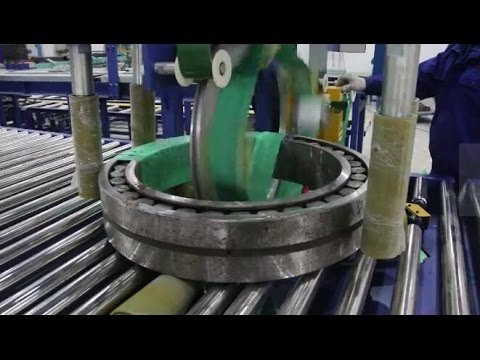
Custom Features vs. Standard Models: Selecting the Right Bearing Wrapping Machine
Protecting components during storage and transit is non-negotiable in manufacturing, particularly for precision items like bearings. Contamination or damage can compromise performance in critical applications. A crucial piece of equipment in this process is the bearing wrapping machine. Fabricators and manufacturers often face a decision: invest in a standard model or specify a machine with custom features? This guide examines the differences, benefits, and drawbacks of each approach to help you select the optimal bearing packaging solution for your operation.
Understanding Bearing Wrapping Machines
What is a Bearing Wrapping Machine?
A bearing wrapping machine is specialized industrial equipment designed to apply protective materials, such as VCI (Volatile Corrosion Inhibitor) paper, plastic stretch film, or barrier materials, around bearings. The goal is to create a secure, sealed package that shields the bearing from environmental hazards before shipping or storage. This automated or semi-automated process ensures consistency and efficiency in packaging operations.
The Critical Role of Wrapping in Bearing Logistics
Bearings are susceptible to damage from various sources:
- Corrosion: Moisture and atmospheric contaminants can quickly lead to rust, compromising bearing surfaces and internal components.
- Contamination: Dust, dirt, and debris can ingress into the bearing, causing abrasive wear and premature failure.
- Physical Damage: Impacts during handling and transit can cause dents or brinelling.
Effective wrapping provides a vital barrier against these threats, preserving the bearing's integrity from the factory floor to the point of installation. Consistent, high-quality packaging is essential for maintaining product quality and reducing warranty claims.
 automatic bearing packing machine[/caption]
Standard Bearing Wrapping Machines: The Baseline Solution
What Defines a Standard Model?
Standard model bearing wrapping machines are pre-designed, off-the-shelf units built for common bearing sizes and general packaging requirements. They typically offer a fixed set of features and capabilities based on prevalent industry needs.
Advantages of Standard Models
- Lower Initial Cost: Generally more affordable than custom machines due to economies of scale in manufacturing.
- Faster Delivery: Readily available stock often means shorter lead times and quicker implementation.
- Proven Designs: Based on established technology with a history of performance across many users.
- Simplified Operation & Maintenance: Often feature user-friendly interfaces and common components, simplifying training and upkeep.
Disadvantages of Standard Models
- Limited Flexibility: May not efficiently handle unusual bearing dimensions, weights, or specific packaging material requirements.
- Potential Inefficiencies: Lack of optimization for a specific workflow can lead to slower cycle times or require more manual intervention.
- Difficult Integration: May require extra effort or intermediate equipment to integrate seamlessly into existing automated production lines.
- May Lack Specialized Features: Might not offer advanced capabilities like specific VCI application methods, integrated labeling, or data logging required for certain quality standards.
Custom Bearing Wrapping Machines: Tailored for Performance
What Constitutes Custom Features?
Custom features involve tailoring a bearing wrapping machine to precise operational demands. This can range from minor modifications to a standard design to a completely bespoke machine. Examples include:
-
Extended Size/Weight Range: Handling exceptionally small, large, or heavy bearings.
-
Variable Speed Control: Adjusting wrapping speed based on bearing type or material.
-
Specialized Material Handling: Accommodating specific wrapping films (e.g., VCI, anti-static) or multi-layer wraps.
-
Automation & Integration: Seamless connection with upstream/downstream conveyors, robotic loading/unloading, MES/ERP data exchange for tracking and quality control.
-
Integrated Peripherals: Built-in weighing scales, labeling systems, or vision inspection.
-
Unique Wrapping Cycles: Custom programs for specific wrap patterns or tension control.
-
Enhanced Safety Features: Tailored guarding, interlocks, or specific ergonomic considerations for the application.
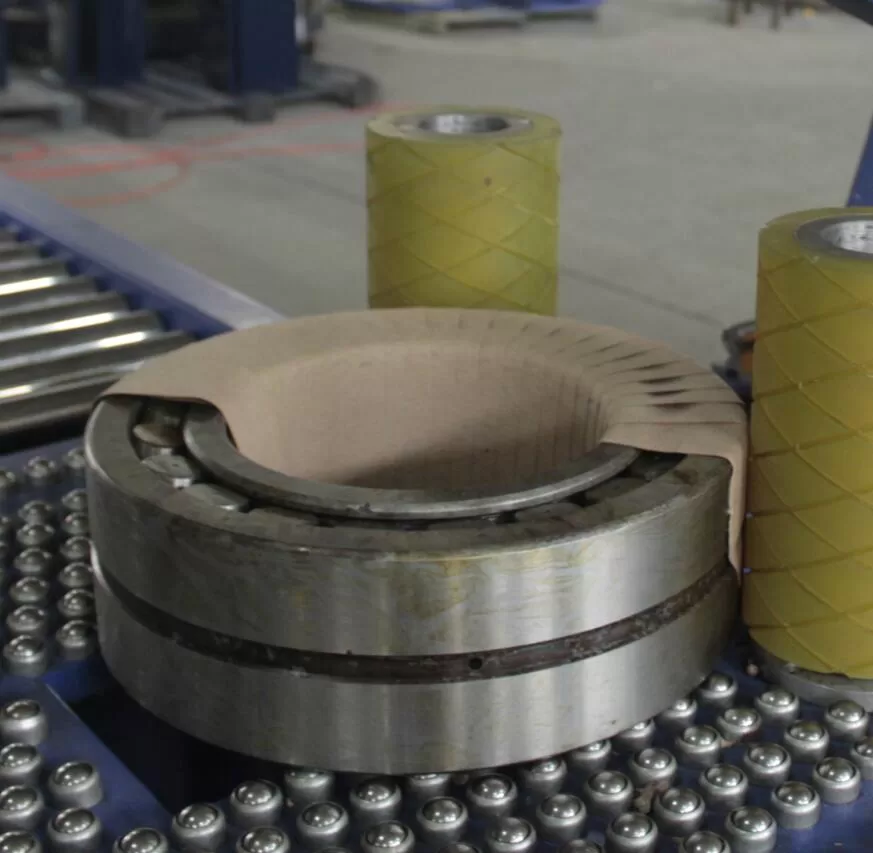 bearing wrappign machine for sale[/caption]
Advantages of Custom Features
-
Optimized Performance: Designed specifically for your products and workflow, maximizing throughput and packaging quality.
-
Improved Efficiency: Can reduce labor requirements, minimize material waste, and streamline the overall packaging process.
-
Enhanced Product Protection: Tailored wrapping techniques ensure optimal protection for unique or sensitive bearing types.
-
Seamless Integration: Designed to fit perfectly within existing production lines and data systems.
-
Future-Proofing: Can be designed with scalability and future operational changes in mind.
Disadvantages of Custom Features
- Higher Initial Investment: Design, engineering, and specialized components increase the upfront cost significantly.
- Longer Lead Times: The customization process requires more time for design, manufacturing, and testing.
- Potential Complexity: May require more specialized operator training and maintenance expertise.
- Supplier Dependency: Maintenance and parts might be more reliant on the specific machine builder.
Standard vs. Custom: A Quick Comparison
| Feature | Standard Model | Custom Model |
|---|---|---|
| Cost | Lower initial investment | Higher initial investment |
| Lead Time | Shorter | Longer |
| Flexibility | Limited | High, tailored to needs |
| Efficiency | Generally good | Optimized for specific application |
| Integration | May require adaptation | Designed for seamless integration |
| Complexity | Simpler operation & maintenance | Potentially more complex |
| Best For | Common bearing types, lower volume | Unique needs, high volume, automation |
Key Factors to Consider When Choosing
Making the right choice requires a careful evaluation of your specific circumstances:
- Production Volume & Speed: How many bearings per hour/day do you need to wrap? High volumes often justify the investment in custom automation for speed and efficiency.
- Bearing Characteristics: What are the size ranges, weights, and types of bearings? Are there unique handling or protection requirements?
- Packaging Material: What type of wrap is required (VCI paper, stretch film, specific grades)? Does it require special handling or application techniques?
- Workflow & Integration: How will the machine fit into your production line? Is integration with conveyors, robots, or data systems required?
- Available Footprint: How much space is available in your facility? Custom machines can sometimes be designed for tight spaces.
- Budget & ROI: What is your budget? Critically, calculate the potential Return on Investment (ROI) considering efficiency gains, labor savings, and reduced damage/scrap rates over the machine's lifespan.
- Operator Skill Level: Consider the technical expertise available for operation and maintenance.
- Future Needs: Do you anticipate changes in production volume, product types, or automation levels?
- Safety Requirements: Ensure the machine meets or exceeds all relevant plant and industry safety standards (e.g., OSHA, CE).
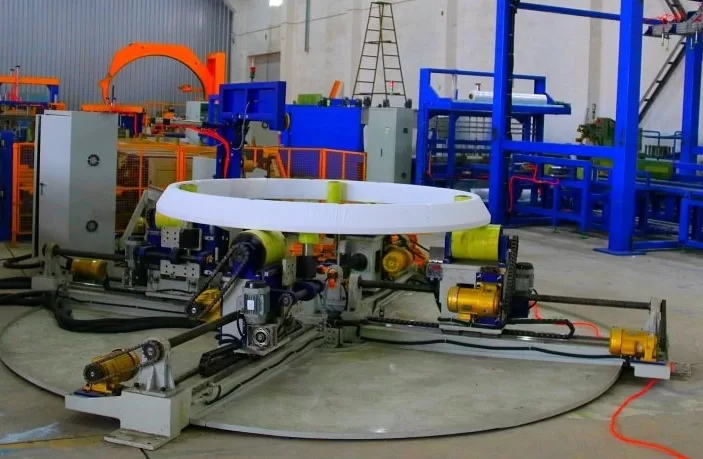
big size bearing packing machine3 Comparing Costs: Beyond the Purchase Price
Evaluating cost solely on the initial purchase price is short-sighted. Consider the Total Cost of Ownership (TCO):
- Initial Purchase Price: The sticker price of the machine.
- Installation & Commissioning: Costs associated with setup, integration, and initial testing.
- Training: Time and resources needed to train operators and maintenance staff.
- Operating Costs: Energy consumption, wrapping material usage, and routine maintenance.
- Downtime: Potential production losses due to breakdowns or changeovers. Standard machines might have more readily available parts, potentially reducing downtime. Custom machines, while potentially more reliable if well-built, might have longer waits for specialized parts.
- Labor Costs: Manual intervention required vs. potential savings through automation.
- Scrap/Damage Reduction: Savings from improved packaging quality reducing product loss.
While a standard model has a lower upfront cost, a custom machine might offer a lower TCO over several years due to higher efficiency, reduced labor, less material waste, and better integration, especially in high-volume or complex operations.
Making the Decision: Key Questions to Ask
Before committing, ask these critical questions:
- What specific problems does our current wrapping process present? (e.g., bottlenecks, damage rates, labor costs) Can a standard machine solve these, or are custom features necessary?
- What level of automation truly benefits our operation? Avoid over-specifying automation if a simpler solution suffices.
- Have we clearly defined our requirements for bearing types, throughput, and integration? Ambiguity leads to poor machine selection.
- What is the realistic long-term ROI for both standard and custom options based on our TCO analysis?
- What level of technical support and spare parts availability can potential suppliers offer for both standard and custom machines?
Real-World Scenarios
-
Scenario 1: Standard Model Success A regional distribution center handling moderate volumes of common automotive bearings found a standard orbital wrapping machine met their needs perfectly. Its affordability, ease of use, and adequate speed allowed them to improve consistency over manual wrapping without a major capital investment.
-
Scenario 2: Custom Feature Justification A large aerospace bearing manufacturer producing high-value, sensitive components required precise VCI paper application and integration with their MES for traceability. They invested in a custom wrapping machine featuring robotic loading, automated VCI dispensing control, integrated barcode scanning, and data logging. The higher initial cost was justified by near-elimination of corrosion issues, reduced labor, and enhanced quality control mandated by their customers.
Conclusion: Aligning Equipment with Operational Strategy
The choice between a standard bearing wrapping machine and one with custom features hinges on a detailed analysis of your specific operational needs, production volume, budget, and long-term strategy. Standard models offer a cost-effective and readily available solution for many common applications. However, for operations with unique requirements, high throughput demands, or complex integration needs, the upfront investment in custom features can yield significant long-term benefits in efficiency, quality, and overall cost of ownership.
Carefully evaluate the factors outlined above, perform a thorough TCO analysis, and engage with potential equipment suppliers to discuss your specific application. Making an informed decision will ensure your bearing packaging process effectively protects your products and supports your operational goals for years to come.