Complying with OSHA Guidelines Using Automated Steel Coil Packaging Equipment

Introduction
The Occupational Safety and Health Administration (OSHA) establishes and enforces strict guidelines designed to protect workers from hazards across various industries, including metal fabrication and steel production. Within this sector, steel coil packaging is a crucial step in the supply chain, but it often involves significant risks related to manual handling, heavy lifting, operating machinery, and repetitive motions. For facilities aiming to enhance safety protocols and maintain compliance with OSHA regulations, integrating automated steel coil packaging equipment presents a robust solution.
This article examines how implementing automated systems can help businesses meet OSHA guidelines, improve workplace safety, mitigate operational risks, and boost overall productivity. By significantly reducing or eliminating the hazards inherent in manual packaging operations, automation serves as a vital tool for modernizing steel coil handling while ensuring regulatory compliance and protecting personnel.
1. Understanding OSHA Guidelines for Steel Coil Packaging
Overview of OSHA’s Role
OSHA's mission is to ensure safe and healthful working conditions. In the context of steel coil packaging, relevant OSHA guidelines focus on mitigating key risks inherent to handling heavy, bulky materials and operating associated machinery. These include:
- Material Handling and Lifting Injuries: Steel coils are extremely heavy. OSHA standards emphasize minimizing manual lifting and awkward postures to prevent musculoskeletal disorders (MSDs).
- Machine Guarding: Packaging machinery involves moving parts, rollers, and strapping mechanisms that pose pinching, crushing, and entanglement hazards. OSHA requires proper guarding to protect operators.
- Lockout/Tagout (LOTO): Procedures must be in place to ensure machinery is properly de-energized during maintenance or servicing, preventing accidental startup.
- Walking/Working Surfaces: Packaging areas must be kept clear of debris, strapping remnants, and spills to prevent slip, trip, and fall hazards.
- Ergonomics: OSHA encourages employers to design workplaces and tasks to minimize ergonomic stressors like repetitive motions, forceful exertions, and awkward postures.
Adhering to these guidelines is fundamental for worker safety. However, achieving consistent compliance can be particularly challenging with manual processes, highlighting the value of automation.
2. The Risks of Manual Steel Coil Packaging
Common Injuries in Manual Operations
Manually handling and packaging steel coils exposes workers to numerous physical risks that frequently lead to injuries:
- Back Injuries: Lifting, pushing, or attempting to maneuver heavy steel coils, even with assistance, can severely strain the back, potentially causing chronic pain, sprains, strains, or herniated discs.
- Hand and Arm Injuries: Operating strapping tools, handling sharp-edged coils, or interacting with packaging machinery manually can result in cuts, lacerations, punctures, pinching, and crushing injuries to hands and arms.
- Repetitive Strain Injuries (RSIs): Tasks like manually wrapping film or applying strapping involve repetitive motions that can lead to RSIs such as tendonitis or carpal tunnel syndrome over time.
- Fatigue-Related Accidents: The physical exertion required for manual packaging contributes to worker fatigue, which impairs judgment and reaction time, increasing the likelihood of accidents and errors.
These inherent hazards not only endanger workers but also make it difficult for companies relying on manual methods to consistently meet OSHA standards. Automation effectively mitigates many of these risks.
3. How Automation Addresses OSHA Guidelines
Key Safety Features of Automated Packaging Systems
Automated steel coil packaging equipment is specifically engineered with safety features that directly align with OSHA's injury prevention guidelines. These systems minimize the need for workers to interact with the most hazardous aspects of the packaging process. Key safety features often include:
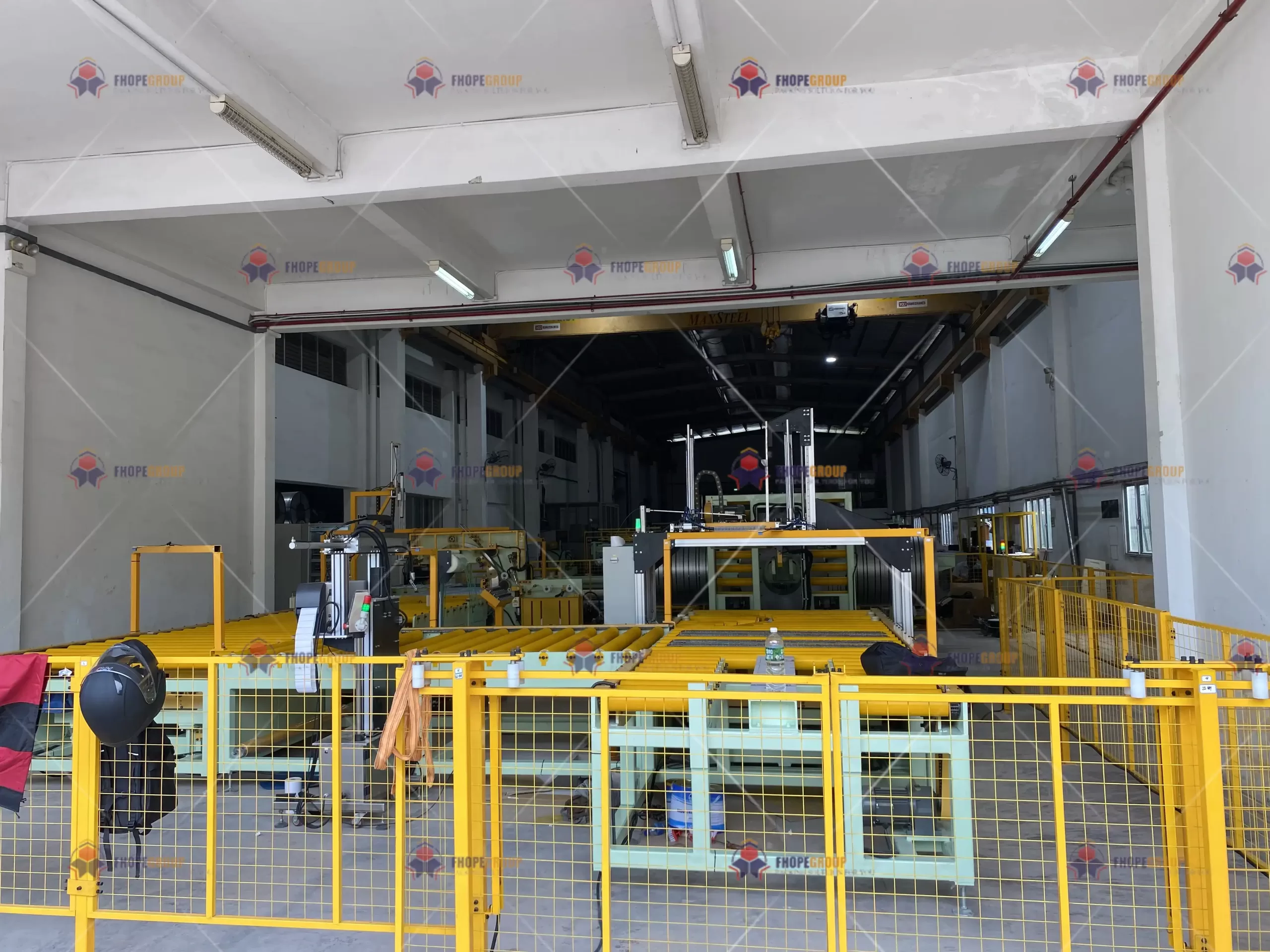
- Automated Coil Handling, Wrapping, and Strapping: Robots or automated conveyors handle the transport, lifting, and positioning of coils. Automated wrappers and strappers apply packaging materials without requiring manual intervention near the coil or moving machinery parts, drastically reducing lifting and entanglement risks.
- Comprehensive Machine Guarding: Systems incorporate physical barriers, safety fencing, light curtains, and presence-sensing devices that comply with OSHA's machine guarding standards (29 CFR 1910.212). If a worker enters a restricted area during operation, the system automatically stops, preventing contact with hazardous motion.
- Integrated Safety Controls: Automated systems utilize safety-rated PLCs (Programmable Logic Controllers) and emergency stop circuits readily accessible to operators. These ensure reliable cessation of hazardous motion when needed.
- Ergonomic Design: Automation eliminates the most strenuous and repetitive manual tasks. While some operator interaction may still be required (e.g., loading materials, monitoring), the physical demands are significantly reduced, aligning with ergonomic principles.
Reducing Human Error
Human error is a significant factor in many workplace accidents. Fatigue, distraction, or misjudgment during manual operations can lead to improper handling, incorrect machine operation, or bypassing safety procedures. Automated systems perform tasks with high precision and consistency according to pre-programmed parameters, minimizing the variability and potential for error inherent in manual work. This operational consistency is key to reliable safety performance.
4. Increasing Workplace Safety with Automated Systems
Minimizing Direct Interaction with Heavy Loads
A primary OSHA focus is reducing injuries from heavy lifting and manual material handling. Automated steel coil packaging systems excel in this area. Conveyors, tilters, lifters, and robotic arms manage the movement and manipulation of coils throughout the packaging process. This automation removes the need for workers to manually lift, push, pull, or otherwise exert force on heavy objects, significantly cutting the risk of MSDs and acute injuries like strains and sprains.
Benefits of Reducing Manual Labor
- Fewer Lifting Injuries: By assigning the heavy lifting to machines, the primary cause of back injuries and other MSDs in manual packaging is virtually eliminated.
- Decreased Worker Fatigue: Automating physically demanding and repetitive tasks reduces worker fatigue, leading to increased alertness and a lower probability of errors or accidents.
- Improved Focus on Safety Oversight: Workers can shift their focus from physically strenuous tasks to monitoring the automated system, ensuring smooth operation, and overseeing safety protocols.
- Enhanced Morale: Reducing physical strain and the risk of injury contributes to higher job satisfaction and morale, as employees feel safer and more valued.
Enhancing Safety Through Integrated Protocols
Modern automated systems often include advanced safety protocols:
- Clearly Marked Emergency Stops: E-stop buttons are strategically placed for quick access in emergencies.
- Automated Fault Detection and Alerts: Systems can monitor operations and alert operators to issues like material jams, improper coil positioning, or sensor faults, allowing for timely intervention before a hazardous situation develops.
- Controlled Access: Safety interlocks on gates and guards ensure that machinery cannot operate if access points are open.
5. OSHA Compliance Through Consistent Machine Operation
Consistency in Operations
OSHA guidelines emphasize the importance of consistent and standardized safety practices. In manual operations, ensuring every worker performs tasks identically and adheres strictly to safety protocols every time can be challenging. Variations in technique or moments of inattention can lead to safety lapses.

Streamlined Training Requirements
Manual operations necessitate extensive training on safe lifting techniques, machine-specific operating procedures, hazard recognition, and emergency responses. This training must be reinforced regularly. While automation doesn't eliminate the need for training, it shifts the focus. Workers primarily need training on:
- System monitoring and control interface operation.
- Recognizing and responding to system alerts and faults.
- Basic troubleshooting and maintenance procedures.
- Lockout/Tagout procedures specific to the automated system.
- Emergency stop and restart procedures.
This more focused training can be more manageable while still ensuring workers understand how to interact safely with the automated environment.
6. The Role of Automation in Reducing Slip, Trip, and Fall Hazards
Maintaining a Clean and Organized Work Environment
OSHA places significant emphasis on maintaining clear and safe walking and working surfaces to prevent slips, trips, and falls ([29 CFR 1910 Subpart D]. Manual packaging operations can contribute to clutter from discarded strapping, wrapping materials, tools, and dunnage. Workers moving frequently between stations or maneuvering around coils also increases exposure to potential trip hazards.
Automated systems help mitigate these risks:
- Streamlined Workflow: Automated conveyors transport coils smoothly between processes, reducing the need for workers to constantly walk through the active packaging area.
- Reduced Material Handling Clutter: Automated systems can be designed with better containment for scrap materials (e.g., cutoff strapping) and more organized storage for consumables, leading to less debris on the floor.
- Minimized Foot Traffic: With machines performing most tasks, fewer personnel are required within the immediate machine envelope, reducing exposure to potential floor hazards.
Benefits of a Cleaner Work Environment with Automation
- Reduced Clutter: Less manual intervention means less potential for dropped tools or scattered materials. Automated scrap handling can further improve housekeeping.
- Clearer Pathways: Reduced need for workers to be physically present near the moving coils keeps walkways clearer.
- Enhanced Overall Safety: A clean, organized workspace inherently reduces slip, trip, and fall risks, contributing to a safer environment beyond just machine interaction hazards.
Integrated Features for Floor Safety
Some advanced automation projects consider floor safety explicitly, potentially incorporating designated walkways, enhanced lighting in the work area, or even integration with automated cleaning systems, further supporting OSHA's goals for safe working surfaces.
7. Reducing the Risk of Machine-Related Injuries
Machine Guarding and Lockout/Tagout Procedures
- Comprehensive Guarding: Systems utilize fixed guards, interlocked gates, light curtains, and presence-sensing mats to establish a safe perimeter and prevent access to hazardous areas during operation. Guarding is designed to prevent reaching over, under, around, or through to contact moving parts.
- Integrated Lockout/Tagout Provisions: Automated equipment includes clearly designated energy isolation points (electrical, pneumatic, hydraulic) that facilitate proper LOTO procedures during maintenance, cleaning, or servicing. Control systems are designed to be de-energized and secured against accidental reactivation.
Automated Shutdowns for Enhanced Safety
Automated systems incorporate safety logic that monitors critical functions. If a safety device (like a light curtain or interlocked gate) is triggered, or if a critical fault occurs, the system is designed to enter a safe state, typically involving an immediate stop of hazardous motion. This rapid, automated response minimizes the potential for injury if a worker inadvertently enters a dangerous zone or if a malfunction occurs, providing a crucial layer of protection aligned with OSHA principles.
8. Improving Ergonomics with Automation
Addressing Ergonomic Hazards
Manual steel coil packaging frequently involves tasks laden with ergonomic risk factors: forceful exertions (lifting, pushing heavy coils), awkward postures (bending, reaching), and high repetition (wrapping, strapping). These factors contribute significantly to the development of Musculoskeletal Disorders (MSDs) such as back injuries, shoulder strains, and wrist problems. OSHA encourages employers to address ergonomic hazards to reduce the frequency and severity of these injuries.
Automation directly targets these high-risk manual tasks:
- Elimination of Heavy Lifting: Automated systems handle the coil weight, removing the primary source of forceful exertion.
- Reduction of Repetitive Motions: Automated wrapping and strapping eliminate the repetitive hand, wrist, and arm movements associated with manual application.
- Improved Postures: Workers monitoring automated systems typically do so from control stations designed with better ergonomics than performing tasks directly on the line.
Benefits of Improved Ergonomics

- Reduced MSD Risk: By removing the most physically demanding and repetitive tasks, automation dramatically lowers the risk factors associated with work-related MSDs.
- Less Physical Strain: Workers experience significantly less physical wear and tear, contributing to better long-term health and potentially reducing injury-related absenteeism.
- Opportunity for Skill Enhancement: Workers previously engaged in strenuous manual labor can be retrained for roles involving system operation, monitoring, quality control, or maintenance – often less physically demanding and potentially more skilled positions.
- Compliance with Ergonomic Guidelines: Implementing automation is a proactive measure that strongly supports compliance with OSHA's general duty clause regarding providing a workplace free from recognized hazards, including ergonomic ones.
9. Training and Safety Education with Automated Systems
Shift in Training Focus
While automation reduces the need for extensive manual handling training, it introduces new requirements focused on safely operating and interacting with sophisticated machinery. Effective training remains crucial for OSHA compliance and worker safety.
Instead of focusing on how to manually lift or operate specific tools, training for automated systems emphasizes:
- System Operation: Understanding the control interface, startup/shutdown procedures, and different operating modes.
- Safety Systems Awareness: Knowing the location and function of E-stops, guards, interlocks, and light curtains, and understanding why they must never be bypassed.
- Basic Troubleshooting: Recognizing common error messages or system stoppages and knowing the appropriate initial response (e.g., notifying maintenance).
- Lockout/Tagout Procedures: Rigorous training on the specific LOTO procedures required for the automated equipment before any maintenance or servicing.
- Emergency Procedures: Understanding how to respond safely in case of system malfunction, fire, or other emergencies within the automated cell.
Ongoing Safety Education
Safety is not a one-time training event. Continuous reinforcement and education are necessary, particularly with automated systems:
- Regular Refresher Training: Periodically reviewing safety procedures, especially LOTO and emergency responses.
- Updates on System Modifications: Training on any changes or upgrades made to the automated system or its safety features.
- Incident Reviews: Discussing any near-misses or incidents related to the automated system to reinforce learning and prevention.
- Promoting a Safety Culture: Encouraging workers to report potential hazards or concerns related to the automated equipment without fear of reprisal.
10. Achieving Long-Term OSHA Compliance with Automation
The Benefits of Continuous Compliance
OSHA compliance is an ongoing obligation, not a single achievement. It involves maintaining safe equipment, adhering to safe work practices, providing regular training, and keeping accurate records. Automated steel coil packaging systems provide a strong foundation for sustained compliance.
How Automation Supports Long-Term Compliance
- Built-in Safety Features: Automation inherently incorporates many required safety elements like guarding and controls, making compliance less dependent on constant human vigilance for those specific hazards.
- Consistency and Predictability: The reliable and repeatable nature of automated processes ensures that safety protocols embedded in the machine's operation are consistently followed, reducing deviations that could lead to non-compliance.
- Reduced Exposure: By minimizing worker interaction with the most hazardous tasks, automation fundamentally reduces the potential for incidents and associated OSHA violations.
- Data Logging Potential: Many automated systems can log operational data and faults, which can potentially assist in monitoring performance, identifying potential issues, and documenting safe operation over time.
- Adaptability: While requiring careful management of change, automated systems can often be updated or reprogrammed to align with evolving OSHA standards or specific workplace needs, potentially more easily than retraining an entire workforce on new manual procedures.
Implementing and properly maintaining automated steel coil packaging equipment is a strategic investment that supports long-term OSHA compliance, fostering a safer, more reliable, and efficient operation.
Conclusion
Integrating automated steel coil packaging equipment offers a significant advantage for facilities seeking robust compliance with OSHA guidelines. By directly addressing the high-risk elements inherent in manual handling – such as heavy lifting, repetitive motions, and proximity to moving machinery – automation fundamentally enhances workplace safety. Features like comprehensive machine guarding, integrated safety controls, automated material handling, and consistent operation directly align with OSHA requirements for injury prevention, ergonomics, and machine safety.
Beyond compliance, automation contributes to a safer overall work environment by reducing physical strain, minimizing human error, improving housekeeping, and allowing workers to focus on oversight rather than hazardous manual tasks. Investing in automation is a proactive step towards achieving sustainable OSHA compliance, reducing the risk of costly injuries and violations, boosting operational efficiency, and improving worker morale. As technology advances, automated systems will continue to be essential tools for modernizing steel processing operations while prioritizing the safety and well-being of the workforce.