Mastering Material Handling: A Guide to Upenders with Base Rotation
1. Introduction to Upenders with Base Rotation
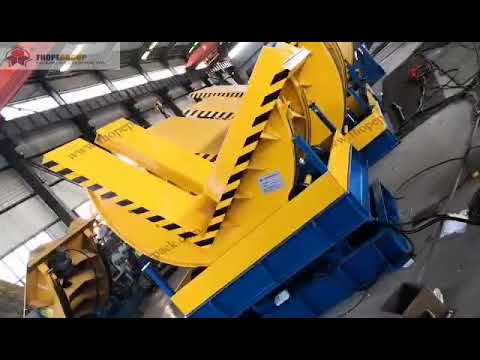
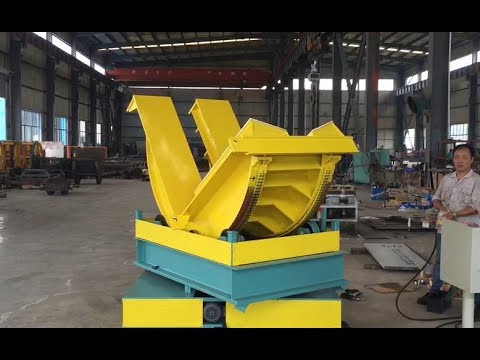
An Upender with Base Spin, also known as a rotating upender or heavy load rotator, is a specialized piece of industrial material handling equipment. Its primary function is to safely and efficiently tilt, rotate, and precisely position heavy, large, or awkwardly shaped items. Common loads include molds, dies, steel coils, paper rolls, large fabrications, or containers. This equipment plays a vital role in manufacturing, assembly, warehousing, and logistics operations where manipulating substantial loads is necessary, enhancing both operational efficiency and workplace safety. Models typically offer either 180-degree or full 360-degree rotation capabilities to meet diverse application needs.
2. How Rotating Upenders Function
These robust machines operate through a combination of mechanical and powered systems:
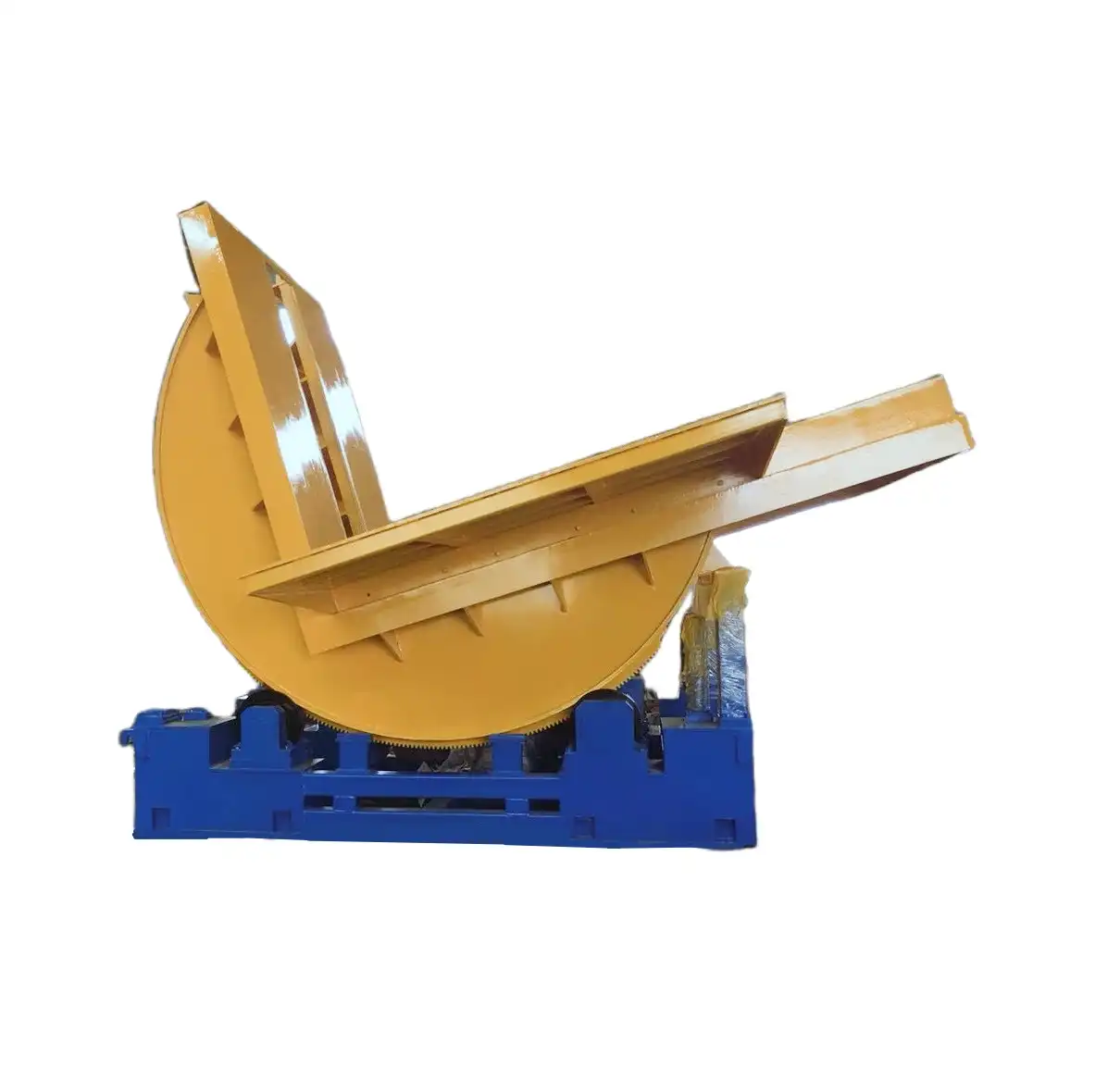
- Stable Base: Provides a solid foundation for the entire mechanism, ensuring stability during operation, even under maximum load.
- Tilting Platform: The surface where the load is placed. This platform tilts, typically up to 90 degrees, to change the orientation of the object from horizontal to vertical or vice versa.
- Rotating Mechanism: Integrated into the base, this allows the entire tilted platform and load assembly to spin horizontally around a central axis. This is usually powered by a hydraulic or electric motor system.
- Drive System: Powerful motors (often hydraulic for heavy loads) provide the force needed for both tilting and rotating actions.
- Control System: Modern upenders often feature Programmable Logic Controllers (PLCs) with user-friendly interfaces (like touchscreens) allowing for precise control over speed, rotation angle, and tilting motion. Remote control capabilities can also be integrated for operator convenience and safety.
3. Key Features and Technical Specifications
While specific configurations vary, typical features and parameters include:
- Type: Hydraulic or Electro-mechanical Upender with Base Spin function.
- Rotation Capability: Available in models offering 180-degree or 360-degree horizontal rotation.
- Load Capacity: Designed to handle significant weight, often ranging from 1,000 kg up to 20,000 kg (2,200 lbs to 44,000 lbs) or more, depending on the model.
- Platform Size: Customizable dimensions to accommodate specific load sizes (e.g., 2000mm x 2500mm).
- Power Systems: Commonly use industrial power supplies (e.g., 480V, three-phase) with motor power ratings adjusted to the load capacity (e.g., 10 kW).
- Control: PLC systems offering precise, often variable speed control for smooth acceleration and deceleration during tilting and rotation.
- Safety Features: Essential components include emergency stop buttons, anti-fall locking mechanisms, overload protection, and potentially safety guards or light curtains.
Important Note: The parameters listed above are indicative. The equipment shown in the videos may have different specifications. For exact technical details matching your requirements, please contact the manufacturer or supplier directly.
4. Understanding Rotation Options: 180° vs. 360°
- 180-Degree Rotation: Allows the load to be spun halfway around. This is sufficient for many applications where access is needed to opposite sides or for specific positioning tasks.
- 360-Degree Rotation: Provides full rotation capability, offering maximum flexibility for accessing all sides of the load without repositioning the upender itself. This is particularly useful in complex assembly, inspection, or maintenance operations.
The choice between 180° and 360° depends on the specific workflow, space constraints, and the level of access required to the workpiece.
5. Core Benefits of Using Rotating Upenders
Integrating an Upender with Base Spin into material handling processes offers significant advantages:
- Enhanced Safety: Drastically reduces the risks associated with manually handling or using less stable methods (like cranes and slings in tandem) for rotating heavy items, minimizing potential accidents and injuries.
- Increased Efficiency: Speeds up the process of tilting and rotating loads compared to manual methods or multi-step processes involving other equipment. Smooth, controlled motion minimizes handling time.
- Improved Ergonomics: Reduces physical strain on workers, contributing to a healthier and more productive workforce.
- Load Protection: Controlled movement prevents damage to sensitive or valuable loads during reorientation.
- Precise Positioning: Allows for accurate alignment of heavy components for assembly, processing, or inspection tasks.
- Versatility: Can handle a wide variety of load types and sizes within its capacity limits.
6. Common Industrial Applications
Upenders with base rotation are indispensable in various sectors:
- Steel and Metal Processing: Essential for handling large steel coils, sheet packs, or metal plates. They facilitate rotating coils for slitting, inspection, or transitioning between horizontal and vertical storage/processing orientations safely and efficiently. This improves throughput in steel service centers and processing plants.
- Heavy Machinery Manufacturing: Used extensively in the assembly of large equipment like engines, turbines, transmissions, or construction machinery components. Rotating heavy parts allows workers 360-degree access for assembly, welding, or inspection without relying solely on overhead cranes, improving workflow and safety on the assembly line.
- Aerospace Industry: Critical for handling large, high-value components such as fuselage sections, wings, or engine parts during manufacturing, assembly, and MRO (Maintenance, Repair, Overhaul). The precise, stable rotation ensures components can be accessed safely without risk of damage, crucial for meeting strict aerospace quality standards.
- Mold and Die Handling: Facilitates the safe rotation of heavy molds and dies for maintenance, cleaning, or preparation. This prevents damage to critical tooling surfaces and ensures worker safety when handling these cumbersome items.
- Paper and Pulp Industry: Used for handling large paper rolls, allowing them to be safely tilted and rotated for processing, wrapping, or transport.
7. Safety Considerations
Operating heavy machinery like rotating upenders requires strict adherence to safety protocols:
- Ensure operators are fully trained and certified.
- Always operate the equipment within its specified load capacity and limits.
- Regularly inspect and maintain the upender, particularly safety features like locks and E-stops.
- Keep the operating area clear of personnel not involved in the operation.
- Utilize all provided safety features during operation.
- Follow manufacturer guidelines and facility-specific safety procedures.
By understanding the functionality, benefits, and applications of Upenders with Base Rotation, industries can leverage this powerful equipment to optimize their heavy material handling processes, improving safety, efficiency, and overall productivity.