Optimizing Coil Handling Processes to Minimize Equipment Damage and Ensure Safety
Effective coil handling is fundamental in industries like steel, aluminum, and paper manufacturing. These large, heavy coils, often weighing several tons, require meticulous transport, storage, and processing to prevent costly damage. Damage to coils or handling equipment can lead to significant operational downtime, financial losses, and safety hazards. This guide outlines key strategies and best practices for minimizing equipment damage risks during coil handling, emphasizing the role of appropriate machinery, automation, maintenance, and training in creating a safer, more efficient work environment.
1. Understanding the Unique Challenges of Coil Handling
Coils of materials such as steel, copper, aluminum, or paper are inherently difficult to manage due to their weight, size, and shape. Improper handling can easily lead to various forms of damage:
- Surface Damage: Scratches, scuffs, or gouges often caused by contact with forks, chains, improper dunnage, or stacking without protective layers.
- Deformation: Dents, edge damage (crimping), out-of-roundness (ovality), or telescoping (uneven winding) resulting from impacts, drops, excessive pressure, or inadequate support.
- Structural Integrity Issues: Damage from rough handling, improper lifting points, or inadequate strapping can compromise the coil itself.
Beyond material damage, the heavy loads place significant stress on handling equipment like forklifts, cranes, lifters, and tilters. Furthermore, manual or improper handling poses serious risks of worker injury.
2. Identifying Common Causes of Coil Handling Damage
Damage during coil handling often originates from a combination of factors, including inadequate procedures, equipment issues, and human error. Key causes include:
- Improper Lifting Techniques: Using incorrect lifting attachments (e.g., C-hooks, magnets, slings) or applying lifting forces improperly can damage coil edges or surfaces.
- Manual Handling Errors: While minimized with automation, residual manual tasks can still lead to drops, collisions, or incorrect positioning if not performed carefully.
- Inadequate or Poorly Maintained Equipment: Using undersized, worn, or malfunctioning equipment (forklifts, cranes, upenders, lifters) significantly increases the risk of failure and subsequent coil damage.
- Incorrect Storage Practices: Stacking coils directly on concrete, stacking too high without proper support, using inadequate dunnage, or storing in unsuitable environmental conditions can cause deformation, corrosion, or surface damage.
- Insufficient Load Securement: Improperly secured coils during transport (internal or external) can shift, leading to impacts and damage.
- Lack of Comprehensive Training: Personnel unfamiliar with the specific risks and correct procedures for handling heavy coils are more prone to making costly errors.
Understanding these root causes is the first step toward implementing effective preventative measures.
3. Selecting and Implementing the Right Equipment for Safe Coil Handling
Investing in purpose-built coil handling equipment is paramount for minimizing damage and ensuring operational safety. Standard equipment is often insufficient for the unique demands of heavy coils. Essential machinery includes:
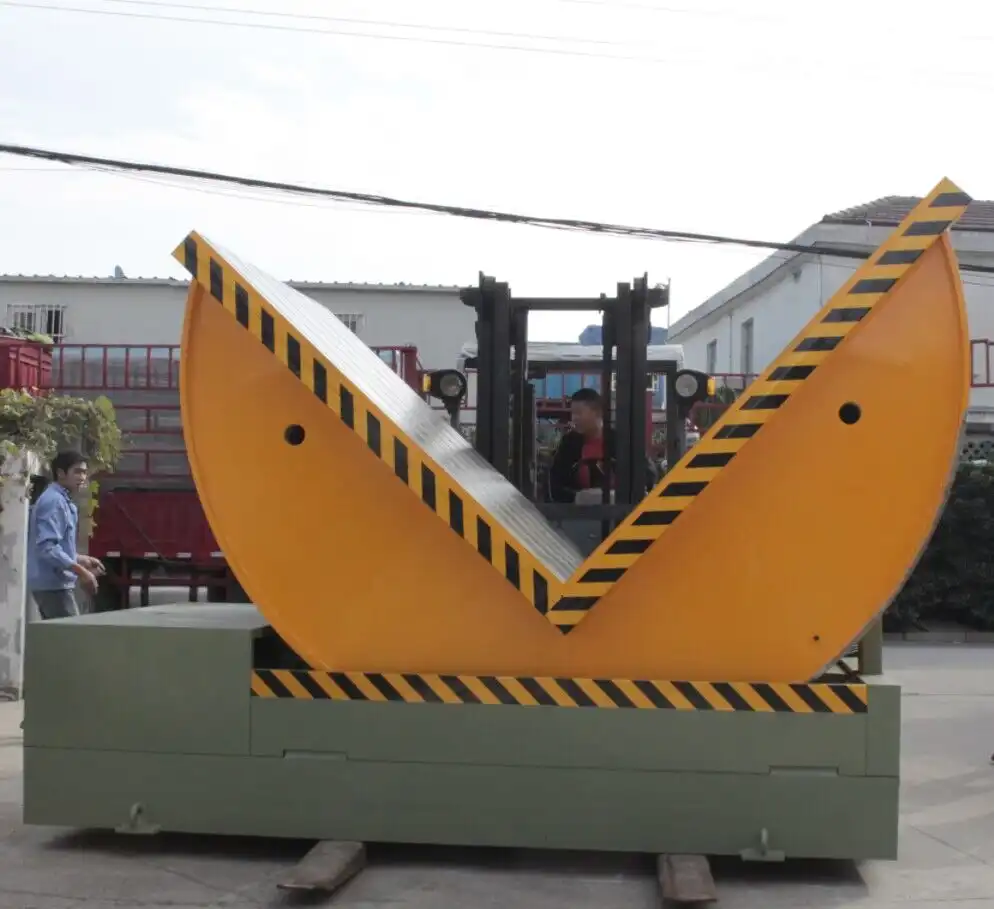
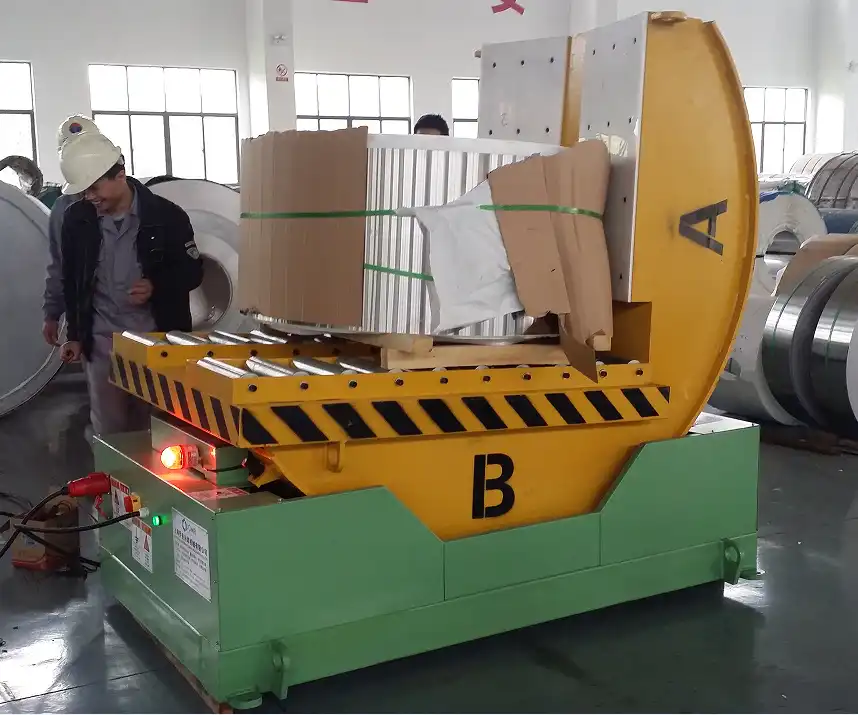
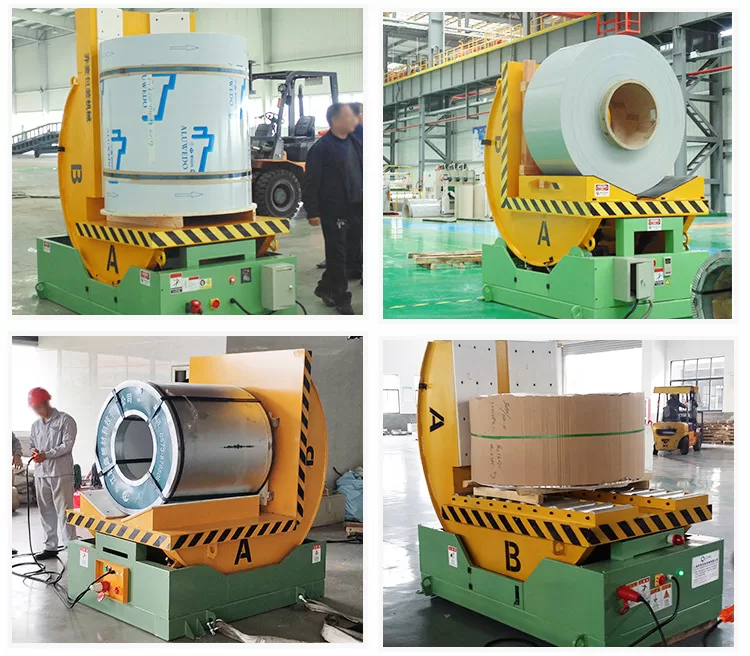
- Coil Upenders/Tilters: These machines safely rotate coils between horizontal (eye-to-sky) and vertical (eye-to-wall) orientations, eliminating the risks associated with manual tilting or using inappropriate equipment like forklifts for rotation. They provide controlled movement, preventing drops and impacts.
- Coil Lifters: Various designs (C-hooks, vertical eye grabs, rotating grabs, magnets) are available to suit different coil sizes, weights, and orientations. Choosing the correct lifter ensures secure attachment and minimizes surface contact damage.
- Coil Cars and Transfer Systems: Used to move coils efficiently between processing lines, storage areas, or transport vehicles, reducing the need for repeated lifting and lowering, which increases damage potential.
- Specialized Forklift Attachments: Coil rams or probes designed specifically for handling coils horizontally prevent edge damage often caused by standard forks.
- Automated Guided Vehicles (AGVs): For repetitive transport tasks, AGVs provide consistent, predictable movement, reducing the potential for collisions and handling errors.
- Pallet Inverters: Useful for safely transferring coils from one pallet type to another without direct manual handling of the coil itself.
The selection criteria should consider coil weight, dimensions, material type, required orientation changes, and integration with existing workflows.
4. Leveraging Automation to Enhance Coil Handling Safety and Efficiency
Automation significantly reduces reliance on manual intervention, a primary source of handling errors and damage. Implementing automated systems offers numerous advantages:
- Reduced Human Error: Programmed robotic systems or automated transfer lines perform tasks consistently and precisely, minimizing risks like dropping, misalignment, or impacts.
- Increased Throughput: Automated systems often handle coils faster and more continuously than manual methods, improving overall operational efficiency.
- Enhanced Worker Safety: Removing operators from the immediate vicinity of heavy moving loads drastically reduces the risk of accidents and injuries.
- Precise and Gentle Handling: Automation allows for controlled acceleration, deceleration, and positioning, minimizing stress on both the coil and the handling equipment. Sensors can detect obstacles and ensure proper placement.
- Data Logging and Traceability: Automated systems can record handling operations, providing valuable data for quality control and process optimization.
While requiring initial investment, automation often yields long-term benefits through reduced damage, lower labor costs, and improved safety metrics.

5. Establishing Rigorous Preventive Maintenance Schedules
Regular preventive maintenance (PM) of all coil handling equipment is non-negotiable for preventing failures that can lead to catastrophic damage or injury. A robust PM program should include:
- Routine Inspections: Daily operator checks and periodic detailed inspections (weekly, monthly, annually based on usage and manufacturer recommendations) of critical components like hydraulics, chains, cables, hooks, electrical systems, and structural members. Look for wear, fatigue, leaks, or damage.
- Lubrication: Ensuring all moving parts (bearings, gears, pivot points) are adequately lubricated according to manufacturer specifications reduces friction, wear, and the risk of seizure.
- Component Replacement: Proactively replacing worn or near-end-of-life parts (e.g., hydraulic hoses, wire ropes, brake pads) before they fail.
- Calibration and Adjustment: Regularly verifying the accuracy of load sensors, positioning systems, and control parameters. Adjusting brakes, limit switches, and guides as needed.
- Software Updates: For automated systems, keeping control software up-to-date ensures optimal performance, security, and access to new features or bug fixes.
- Record Keeping: Maintaining detailed logs of all maintenance activities, inspections, and repairs provides a history for tracking trends and planning future work.
A well-executed PM program extends equipment life, ensures reliability, and is crucial for safe operations.
6. Implementing Best Practices for Safe Coil Handling Operations
Standardized operating procedures (SOPs) and adherence to best practices are essential for minimizing risks across all coil handling activities. Key practices include:
- Comprehensive Employee Training: Ensure all personnel involved in coil handling receive thorough, role-specific training on equipment operation, load limits, safe lifting techniques, hazard recognition, and emergency procedures. Refresh training periodically.
- Use of Protective Dunnage: Always use appropriate padding (e.g., rubber mats, wood blocks, plastic separators) between coils and contact surfaces (floors, racks, other coils, transport vehicles) to prevent scratches, dents, and corrosion points.
- Adherence to Load Limits: Never exceed the rated capacity of cranes, forklifts, lifters, or storage racks. Ensure load weights are known and clearly marked.
- Proper Storage Procedures: Implement clear rules for coil storage:
- Store on clean, dry, level surfaces.
- Use designated storage areas with adequate spacing.
- Follow specific stacking height limits and patterns (e.g., pyramid stacking, racking systems).
- Ensure stable stacking to prevent shifting or collapse.
- Smooth and Controlled Movements: Operate equipment smoothly, avoiding sudden starts, stops, or sharp turns that can cause load shifts or stress equipment.
- Clear Communication: Use standardized hand signals or radio communication between crane operators, forklift drivers, and ground personnel to ensure coordinated movements.
- Regular Area Housekeeping: Keep aisles and handling areas clear of debris and obstacles to prevent collisions and ensure clear lines of sight.
Consistency in applying these practices across shifts and departments is crucial.
7. Fostering a Culture of Safety Through Training and Awareness
Beyond procedures and equipment, a strong safety culture is vital. This involves continuous training and awareness programs that empower employees to prioritize safety. Effective training should cover:
- Equipment-Specific Operation: Detailed instruction on the safe and efficient use of each piece of handling machinery (upenders, lifters, forklifts, cranes).
- Risk Identification: Training employees to recognize potential hazards associated with different coil types, handling methods, and equipment conditions.
- Manual Handling Techniques (When Unavoidable): Proper lifting techniques, use of personal protective equipment (PPE – hard hats, steel-toed boots, gloves), and awareness of ergonomic risks.
- Emergency Response: Clear procedures for responding to equipment malfunctions, dropped loads, spills, or injuries. Regular drills can reinforce these procedures.
- Reporting Near Misses: Encouraging employees to report near misses or unsafe conditions without fear of reprisal allows for proactive correction before an accident occurs.
Ongoing communication, safety meetings, and visible management commitment reinforce the importance of safe coil handling practices.
8. Integrating Quality Control Throughout the Handling Process
Implementing robust quality control (QC) checks at various stages helps identify potential issues before they lead to significant damage. Key QC measures include:
- Receiving Inspections: Inspecting incoming coils for pre-existing damage upon arrival and documenting findings.
- In-Process Checks: Visually inspecting coils before and after specific handling steps (e.g., lifting, tilting, transporting) to catch any newly incurred damage.
- Equipment Calibration Verification: Regularly confirming that load cells, weighing systems, and dimensional sensors on handling equipment are accurate.
- Storage Environment Monitoring: Periodically checking storage conditions (temperature, humidity, cleanliness) to prevent environmental damage like corrosion.
- Documentation and Traceability: Maintaining records of coil movements, handling procedures used, and inspection results can help identify patterns or problematic areas in the process.
Effective QC acts as a feedback loop, ensuring that handling procedures consistently meet standards designed to minimize damage.
9. Conclusion: A Holistic Approach to Reducing Coil Handling Risks
Minimizing equipment damage and ensuring safety in coil handling requires a comprehensive strategy encompassing appropriate technology, rigorous procedures, and a well-trained workforce. By investing in specialized handling equipment like coil tilters and lifters, leveraging the precision of automation, adhering to strict preventive maintenance schedules, implementing best practices and quality control, and fostering a strong safety culture through continuous training, manufacturers can significantly mitigate the risks. This holistic approach not only protects valuable coils and equipment but also enhances operational efficiency, reduces costs associated with damage and downtime, and most importantly, safeguards personnel from injury.