Real-World Examples of Coil Upenders Enhancing Workplace Safety in Metal Fabrication
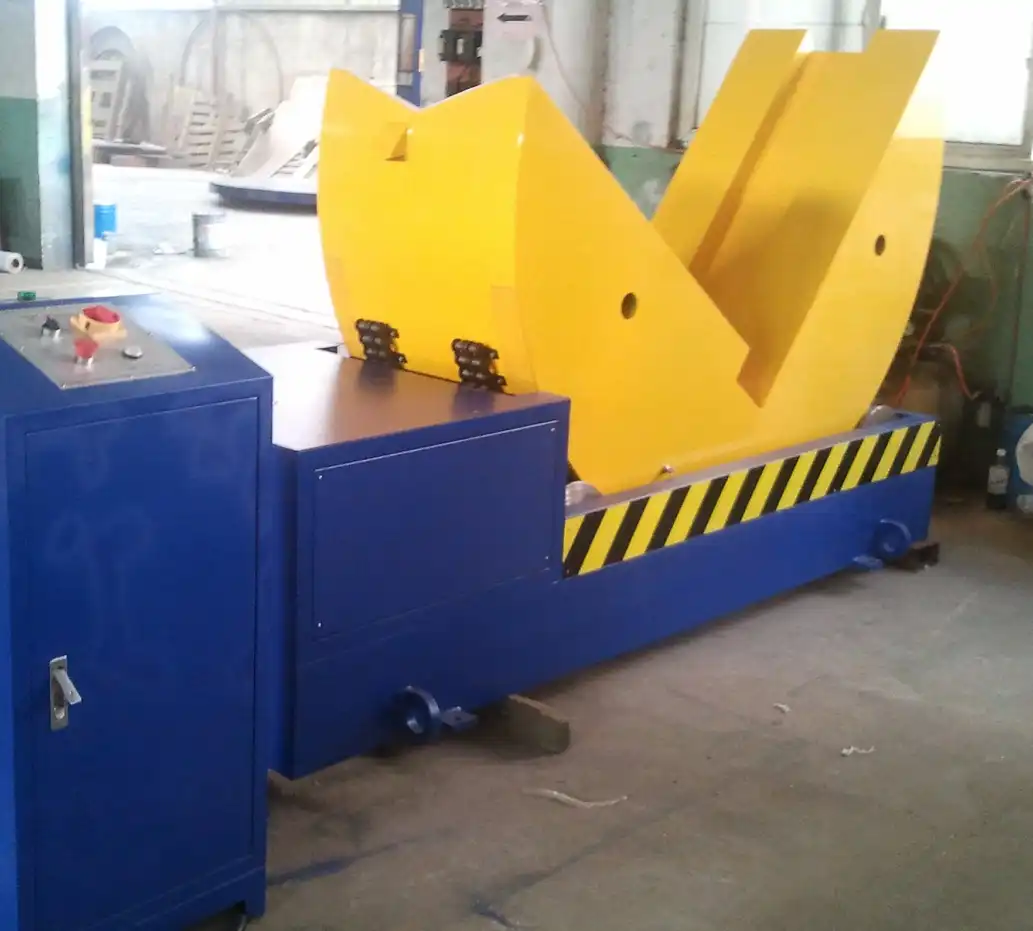
In modern metal fabrication and processing environments, ensuring worker safety during material handling is a primary concern. Heavy equipment like coil upenders plays a crucial role in improving workplace safety, particularly in facilities handling large, heavy coils of steel, aluminum, or other metals. These machines are engineered to minimize accident risks, reduce physical strain on workers, and contribute to a more efficient operational workflow. This article explores real-world applications, demonstrating how coil upenders enhance safety standards in various industrial scenarios.
1. Understanding Coil Upenders: Functionality and Safety Significance
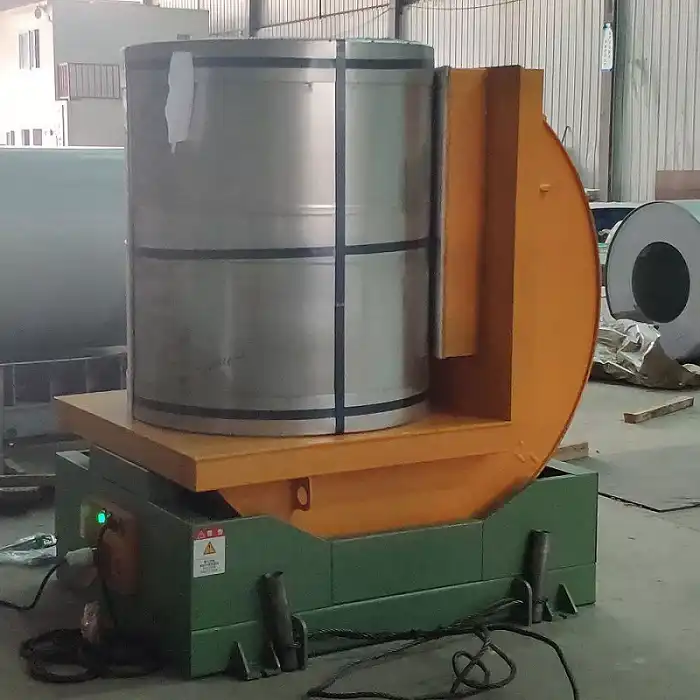
Before examining specific examples, it's important to understand the function of a coil upender. Also known as a coil tilter or positioner, a coil upender is specialized material handling equipment designed to rotate heavy coils—often weighing several tons—between horizontal (eye-to-sky) and vertical (eye-to-wall) orientations.
Manually repositioning such massive and unwieldy loads using cranes, forklifts, or physical labor is inherently dangerous, posing significant risks of:
- Crushing injuries
- Musculoskeletal disorders (MSDs) from strains and awkward postures
- Damage to valuable coil material
- Accidents due to load instability
Coil upenders mitigate these risks by providing a stable, controlled method for rotation. Their significance lies in enhancing both operational efficiency and, critically, workplace safety by automating a high-risk manual handling task.
2. Case Study 1: Steel Service Center – Drastically Reducing Handling Injuries
A steel service center specializing in processing heavy-gauge steel coils faced persistent challenges with worker safety. Manually tilting coils using overhead cranes and C-hooks was a standard procedure, but it frequently resulted in near misses and recorded injuries, including severe back strains and foot injuries from shifting loads. Downtime associated with these incidents and the slow pace of manual tilting also impacted productivity.
Implementation: The facility integrated heavy-duty hydraulic coil upenders into their main processing lines. These machines featured robust clamping mechanisms and smooth, controlled rotation cycles.
Results:
- Injury Reduction: Within the first year, reported injuries related to coil tilting decreased by over 70%. Specifically, incidents involving strains and crush hazards during repositioning were virtually eliminated.
- Efficiency Gains: The automated tilting process reduced the time required to reorient a coil by approximately 50%, leading to less operational downtime and increased throughput.
- Improved Morale: Workers reported feeling significantly safer performing tasks around the coil handling area.
This example highlights how investing in appropriate material handling automation directly translates to a safer environment and tangible operational benefits.
3. Case Study 2: Automotive Stamping Plant – Enhancing Ergonomics and Workflow
In the high-volume automotive industry, coils of sheet metal are constantly fed into stamping presses. An automotive parts manufacturer identified that the manual process of upending coils received from suppliers was a major ergonomic bottleneck. Workers were required to use pry bars and assist forklifts in tilting coils, leading to high rates of reported worker fatigue and shoulder or back discomfort, consistent with risks for MSDs.
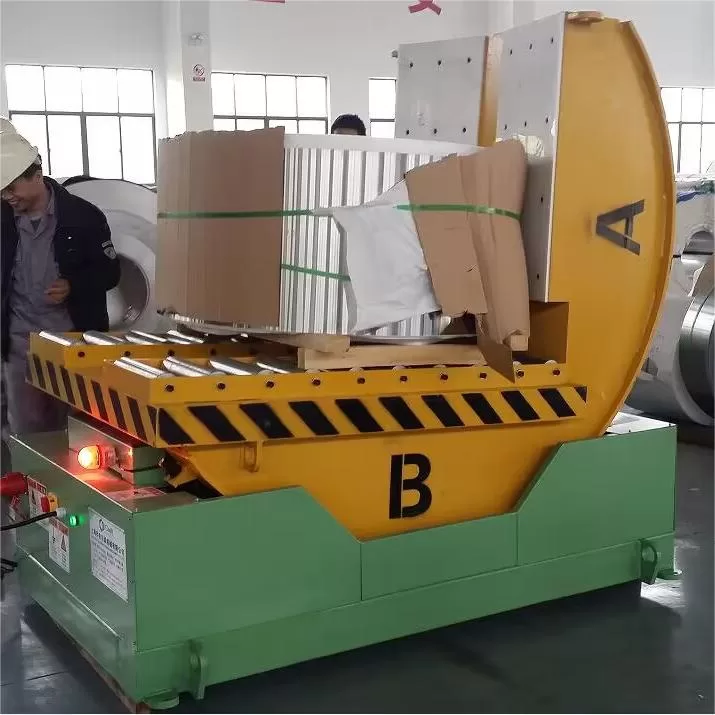
Implementation: The plant installed mechanical coil upenders equipped with conveyor sections to integrate seamlessly into their receiving and production lines.
Results:
- Ergonomic Improvement: The need for manual prying and awkward maneuvering was eliminated. The physical strain on workers responsible for coil preparation dropped significantly, reflected in a 45% reduction in ergonomic-related incident reports.
- Reduced Fatigue: Automating the tilting process lessened overall physical exertion, contributing to reduced end-of-shift fatigue and improved worker alertness.
- Streamlined Workflow: Coil orientation became a predictable, automated step, improving the flow of materials to the stamping presses and reducing delays.
This case underscores the importance of considering ergonomic factors in material handling and how equipment like coil upenders can be a solution.
Get Your Best Solution !
4. Case Study 3: Aluminum Rolling Mill – Preventing Material Damage and Associated Hazards
Handling delicate materials like aluminum coils requires precision to prevent costly damage. An aluminum rolling mill experienced frequent issues with edge damage and telescoping coils during manual tilting operations using forklifts. Damaged coils not only represent material loss but can also create unstable loads, posing additional safety hazards.
Implementation: The mill adopted specialized coil upenders featuring wider platforms and protective padding designed specifically for softer materials like aluminum. These units provided full support and gentle rotation.
Results:
- Damage Reduction: Incidents of coil damage during tilting fell by over 35%, saving significant costs in scrap and rework.
- Enhanced Safety: By ensuring coils were handled securely and maintained their integrity, the risk of unexpected load shifts or collapses during subsequent handling or storage was greatly reduced. Workers felt more secure handling the tilted coils.
This example shows that coil upenders contribute to safety not only by protecting workers directly but also by preserving the integrity of the materials being handled.
5. How Coil Upenders Directly Address Key Workplace Safety Issues
Coil upenders are engineered solutions targeting specific, high-risk aspects of industrial material handling. They effectively address several common safety challenges:
- Manual Handling Overexertion: Automating the tilting process eliminates the need for workers to exert significant physical force, drastically reducing the risk of strains, sprains, and other MSDs. This aligns with ergonomic principles recommended by organizations like OSHA.
- Crush and Pinch Point Hazards: Manual methods often involve unstable loads and require workers to be in close proximity, increasing exposure to crush and pinch point hazards. Upenders handle coils within a defined, controlled space, often with safety barriers or light curtains.
- Load Instability: Improper lifting or tilting with cranes or forklifts can lead to dropped or shifting coils. Upenders securely clamp or cradle the coil throughout the rotation, ensuring stability.
- Repetitive Strain: The repetitive nature of manually assisting coil tilting contributes to long-term strain injuries. Automation removes this repetitive physical burden.
6. Additional Safety Contributions of Modern Coil Upenders
Beyond mitigating direct handling risks, coil upenders contribute to a safer work environment through:
- Precision Control: Modern upenders (often hydraulic or electro-mechanical) provide smooth, predictable, and precise rotation, minimizing jarring movements that could destabilize the load or endanger personnel.
- Integrated Safety Features: Reputable machines include features like emergency stops, overload protection, safety interlocks (preventing operation if guards are open or coils are improperly positioned), and secure clamping systems.
- Improved Workflow and Reduced Rushing: Automating this step creates a more predictable workflow, reducing the pressure on workers to rush, which can often lead to mistakes and accidents.
- Clear Operating Zones: Upenders typically operate within a well-defined footprint, often marked or guarded, helping to keep personnel clear during operation.
7. Key Considerations When Selecting a Coil Upender for Optimal Safety
Choosing the right coil upender requires careful consideration of safety aspects:
- Load Capacity and Coil Dimensions: Select a machine rated significantly above the maximum weight and size of coils handled. Overloading is a primary cause of equipment failure and accidents.
- Safety Features:
- Emergency stop buttons easily accessible.
- Overload sensors and alarms.
- Physical guarding or light curtains for operator safety zones.
- Robust clamping or platform design to secure the coil.
- Limit switches to control the degree of tilt accurately.
- Compliance with relevant safety standards (e.g., ANSI/ASME B20.1 - Safety Standard for Conveyors and Related Equipment).
- Control System: Intuitive, reliable controls minimize operator error. Consider options like pendant controls or remote operation.
- Stability and Construction: Ensure the machine has a stable base and is constructed from durable materials suitable for the industrial environment.
- Maintenance Requirements: Regular maintenance is crucial for safety. Choose a design that allows for easy inspection and maintenance access. Consult resources like OSHA's guidelines on material handling and storage for broader context on safe practices.
coil upender232 8. Conclusion: Coil Upenders as an Essential Investment in Industrial Safety
In industries reliant on heavy coil processing, coil upenders represent a significant advancement in workplace safety technology. The real-world examples demonstrate their effectiveness in reducing injuries, minimizing material damage, improving ergonomics, and enhancing overall operational efficiency.
By automating the hazardous task of coil tilting, companies can proactively protect their workforce from serious risks associated with manual handling. Investing in a well-designed, properly rated coil upender with appropriate safety features is not merely an operational upgrade but a fundamental commitment to creating a safer, more sustainable, and productive work environment. As industries continue to prioritize worker well-being and operational excellence, the role of automation, exemplified by coil upenders, will only grow in importance.
Get Your Best Solution !