Optimizing Your Coil Packing Line: Common Problems and Effective Solutions
In modern industrial operations, an efficient automatic coil packing line is fundamental to preserving the quality of coiled materials like wire, cable, steel, and aluminum. Effective packaging safeguards these products during transit and storage, minimizes material waste, enhances operational efficiency, and maintains customer satisfaction. While automation has significantly improved coil packaging processes, several persistent challenges can arise, potentially leading to product damage, increased costs, and workflow disruptions. Understanding these common coil packing line problems and implementing preventative measures is key to maximizing productivity and ensuring consistent packaging quality.
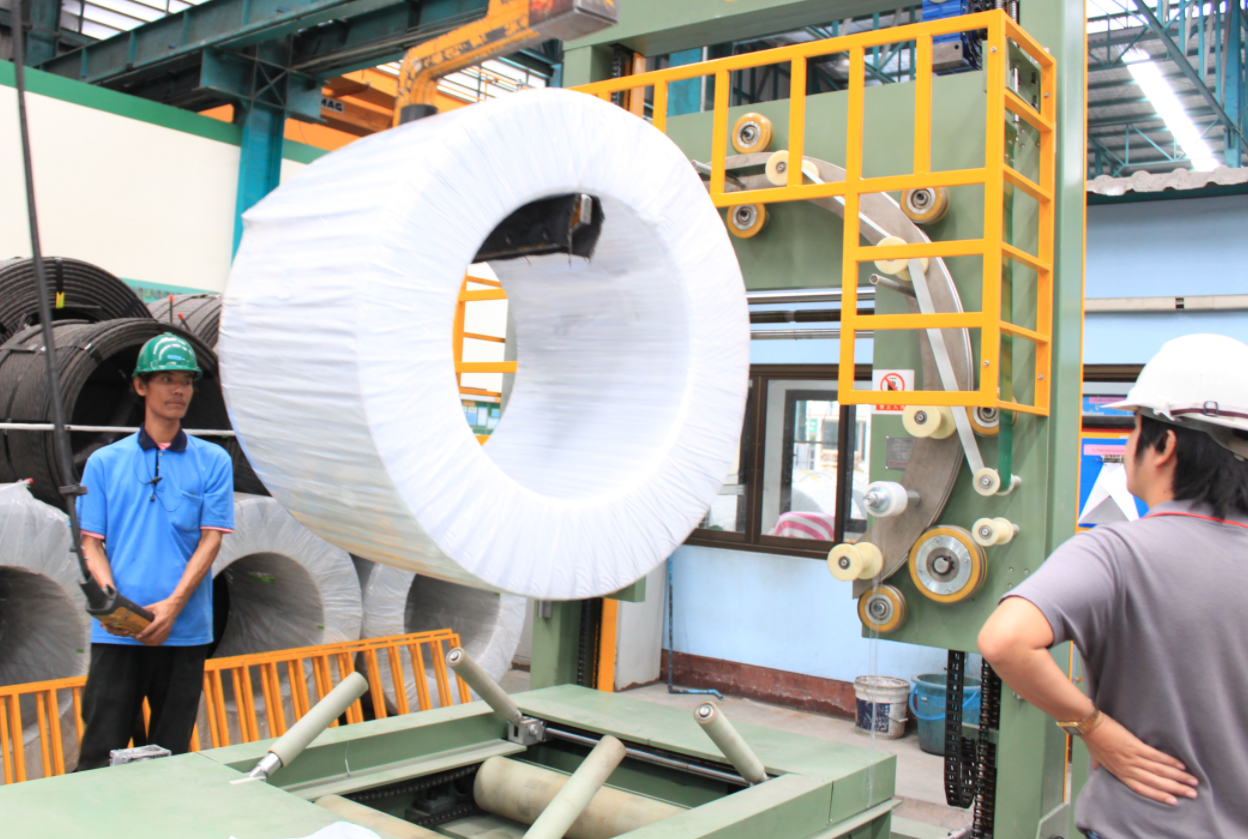
This guide delves into frequent issues encountered on coil packing lines, exploring their root causes and offering practical, actionable solutions. By addressing these challenges proactively, manufacturers can significantly improve packaging integrity, streamline operations, and uphold high production standards.
1. Coil Misalignment and Damaging Overlaps
1.1 Problem Description
During the packaging process, coils can become improperly positioned (misaligned) or physically overlap one another. This often occurs due to factors like inconsistent conveyor movement, imprecise robotic arm control, or inadequate spacing during coil handling. Such issues can cause significant problems, including:
- Surface Damage: Increased friction between misaligned or overlapping coils can scratch, scuff, or dent the product's surface, compromising quality.
- Material Waste: Improper positioning often leads to inefficient application of wrapping materials, increasing consumption and costs.
- Transport Instability: Poorly aligned coils result in unstable loads, raising the risk of shifting, collapsing, or damage during shipping and handling.
1.2 Common Causes
Misalignment typically stems from:
- Fluctuations in conveyor belt speed or vibrations.
- Inaccurate calibration or programming of automated handling equipment (robots, lifters).
- Incorrect initial placement or centering of the coil when introduced to the packing line.
- Lack of adequate guiding mechanisms along the conveyor path.
1.3 Preventative Solutions
To mitigate coil misalignment and overlap:
- Stabilize Conveyance: Ensure conveyor systems operate at a consistent, optimized speed. Implement regular maintenance to address worn belts or rollers that cause vibration.
- Calibrate Automation: Regularly calibrate robotic arms, sensors, and positioning systems for accuracy. Use preventative maintenance schedules for all automated components.
- Improve Infeed: Implement precise centering and guiding mechanisms at the line's entry point to ensure coils start their journey correctly aligned.
- Utilize Sensors: Install vision systems or proximity sensors to detect misalignment early and trigger corrective actions or alerts.
2. Insufficient or Inconsistent Wrapping Tension
2.1 Problem Description
Applying the correct amount of tension during the wrapping process (e.g., with stretch film) is critical for securing the coil. Insufficient tension leads to loose packaging, which offers poor protection against environmental factors and handling stresses. Loose wraps allow coils to shift within the package, potentially causing unwinding, tangling, or impact damage. Conversely, excessive tension can deform softer coils or damage sensitive materials.
2.2 Common Causes
Issues with wrapping tension often arise from:
- Malfunctions or wear in the tension control mechanisms (e.g., rollers, brakes, motors) of the wrapping machine.
- Incorrect tension settings programmed into the wrapping machinery, not accounting for coil type, size, or weight.
- Variations in coil dimensions (diameter, width) that the system doesn't automatically adjust for.
- Inconsistent quality or properties of the wrapping material itself.
2.3 Preventative Solutions
To achieve and maintain optimal wrapping tension:
- Regular Maintenance: Conduct frequent inspections, cleaning, and calibration of tension control systems as per manufacturer recommendations. Replace worn parts proactively.
- Adaptive Settings: Utilize wrapping machines with programmable settings that can be easily adjusted for different coil specifications. Consider systems with automatic tension adjustment based on coil diameter.
- Feedback Systems: Implement load cells or tension sensors that provide real-time feedback to the control system, allowing for dynamic tension adjustments during the wrapping cycle.
- Material Quality Control: Ensure consistent quality of wrapping materials (stretch film, strapping) by sourcing from reliable suppliers and performing incoming quality checks.
3. Inadequate Coil Edge Protection
3.1 Problem Description
The edges (inner and outer diameter) of coils are particularly susceptible to damage during handling, stacking, and transportation. Nicks, dents, scratches, or deformations on the edges can render parts of the coil unusable, leading to costly scrap or customer complaints. Inadequate edge protection is a common oversight that significantly impacts product integrity.
3.2 Common Causes
Edge damage often results from:
- Using insufficient or inappropriate edge protection materials (e.g., cardboard, plastic, foam that is too thin or not durable enough).
- Incorrect or inconsistent placement of edge protectors by manual operators or automated applicators.
- Lack of standardized procedures for applying edge protection across different coil types or sizes.
- Rough handling during loading, unloading, or intra-plant movement.
3.3 Preventative Solutions
To enhance coil edge protection:
- Select Appropriate Materials: Use robust, specialized edge protection materials designed for the specific coil type, weight, and handling environment. Consider VCI (Vapor Corrosion Inhibitor) options if corrosion is a risk.
- Standardize Procedures: Develop clear, documented standard operating procedures (SOPs) for edge protector application. Ensure operators are thoroughly trained on these procedures.
- Automate Application: Where feasible, implement automated systems for consistent and precise placement of edge protectors.
- Quality Checks: Incorporate visual or sensor-based checks to verify correct placement and adequacy of edge protection before the final wrapping or strapping stages. Consult resources like the Packaging Machinery Manufacturers Institute (PMMI) for best practices in protective packaging.
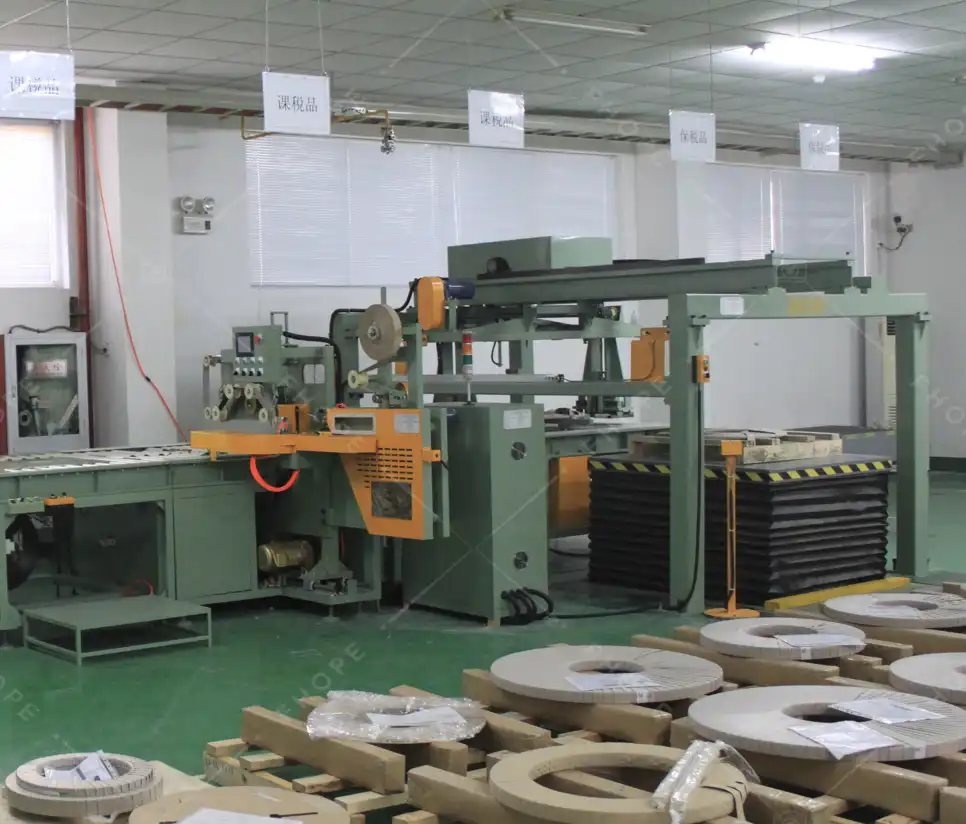
steel coil packing line(1)
4. Excessive Packaging Material Consumption
4.1 Problem Description
Using more packaging material (stretch film, strapping, edge protectors) than necessary increases operational costs and generates avoidable waste, conflicting with sustainability objectives. This inefficiency often occurs when packing lines are not optimized to tailor material usage to the specific requirements of each coil.
4.2 Common Causes
Overuse of materials typically stems from:
- Lack of accurate systems to measure coil dimensions (diameter, width, weight) automatically.
- Fixed or inflexible packaging parameters that apply a "one-size-fits-all" amount of material, regardless of coil size.
- Outdated or poorly configured automation software that doesn't optimize wrapping patterns or strap placements.
- A "better safe than sorry" approach without data-driven optimization.
4.3 Preventative Solutions
To optimize material usage and reduce waste:
- Automated Measurement: Integrate sensors (laser, ultrasonic, vision systems) to accurately measure the dimensions of each incoming coil.
- Dynamic Recipe Adjustment: Use advanced PLC or control software that automatically adjusts the amount of film, number of wraps, strap positions, and tension based on the measured coil dimensions and pre-defined packaging recipes.
- Software Optimization: Regularly review and update wrapping patterns and strapping configurations within the machine software to ensure optimal balance between security and material efficiency.
- Continuous Improvement: Establish key performance indicators (KPIs) for material usage per coil or per ton. Regularly analyze this data to identify trends and opportunities for further reduction.
5. Inconsistent or Inaccurate Labeling and Marking
5.1 Problem Description
Accurate, legible, and consistently placed labels are vital for product identification, traceability, inventory management, and shipping logistics. Errors such as incorrect information, poor print quality, missing labels, or improper placement can lead to significant downstream problems, including:
- Lost or delayed shipments.
- Inventory discrepancies.
- Difficulties in tracking products for quality control or recall purposes.
- Compliance issues with customer or regulatory requirements (e.g., ISO standards related to labeling).
5.2 Common Causes
Labeling and marking inconsistencies often result from:
- Malfunctions in printing equipment (e.g., clogged print heads, low ink/ribbon).
- Errors in the data sent to the printer (incorrect product codes, batch numbers, dates).
- Manual data entry errors.
- Labels peeling off or becoming damaged due to poor adhesive quality or surface contamination (oil, dust).
- Failure of automated label applicators to place labels correctly.
- Lack of verification steps to ensure label accuracy and readability.
5.3 Preventative Solutions
To ensure consistent and accurate labeling:
- Maintain Equipment: Implement a rigorous maintenance schedule for printers and label applicators, including regular cleaning and consumable replacement.
- Automate Data Transfer: Minimize manual data entry by integrating the labeling system directly with production management or ERP systems to pull accurate product information.
- Implement Verification: Use barcode scanners or vision systems immediately after label application to verify readability and data accuracy against the production order.
- Quality Control Checks: Incorporate regular quality control checks where operators visually inspect label placement, adhesion, and print quality.
- Durable Labels: Select label materials and adhesives suitable for the coil surface and environmental conditions encountered during storage and transit.
Conclusion: Achieving Optimal Coil Packaging Performance
Addressing the common challenges in coil packing lines—misalignment, improper tension, inadequate edge protection, material waste, and labeling errors—is essential for protecting product value, controlling costs, and improving overall packing line efficiency. By understanding the root causes and implementing targeted solutions involving regular maintenance, precise automation, robust quality control, standardized procedures, and continuous improvement, manufacturers can significantly mitigate these risks. An optimized coil packing line not only ensures products reach customers in perfect condition but also enhances operational throughput, reduces waste, and strengthens the company's reputation for quality and reliability in a competitive market.