Pallet Inverter Integration: How to Connect It with Existing Systems

In today's fast-paced warehousing and logistics environments, maximizing operational efficiency and ensuring workplace safety are paramount. A crucial piece of equipment aiding these objectives is the pallet inverter. However, simply acquiring this technology isn't enough; realizing its full potential hinges on successful pallet inverter integration with your existing systems. Properly connecting a pallet inverter into your material handling workflow streamlines operations, enhances safety, and maximizes the return on investment. This guide offers a detailed, step-by-step approach to integrating a pallet inverter seamlessly within your current warehouse infrastructure and automation landscape.
1. Understanding Core Pallet Inverter Functionality
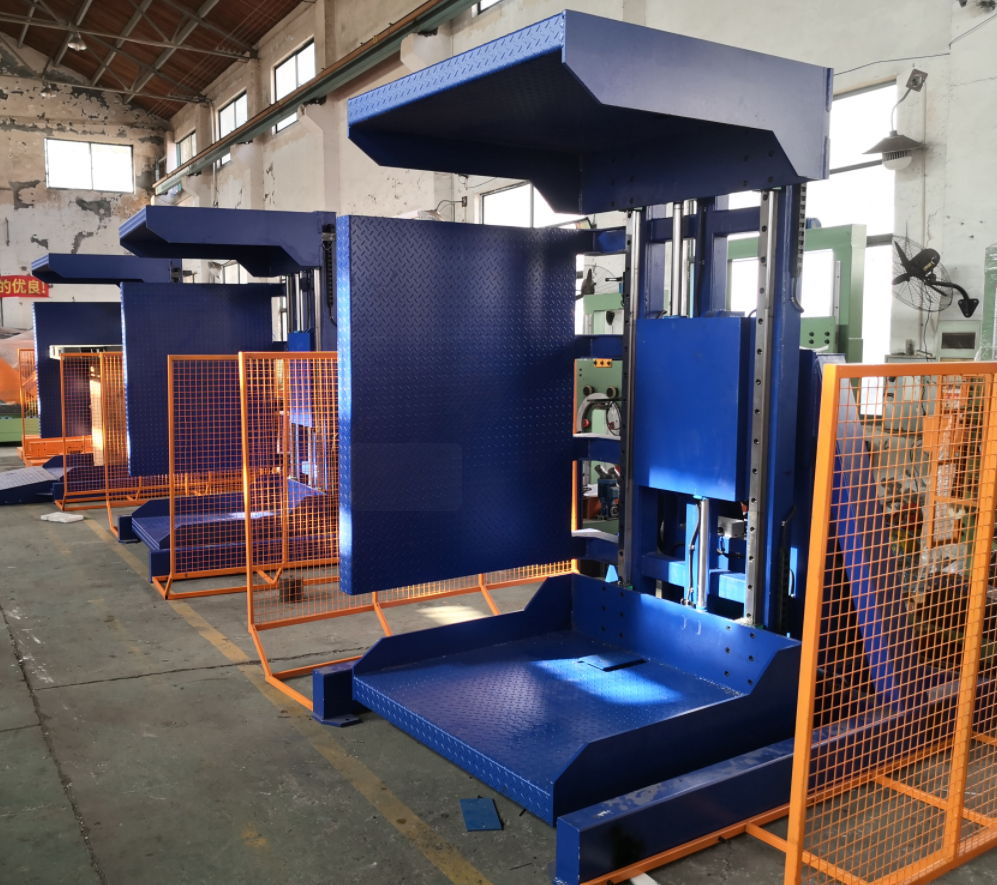
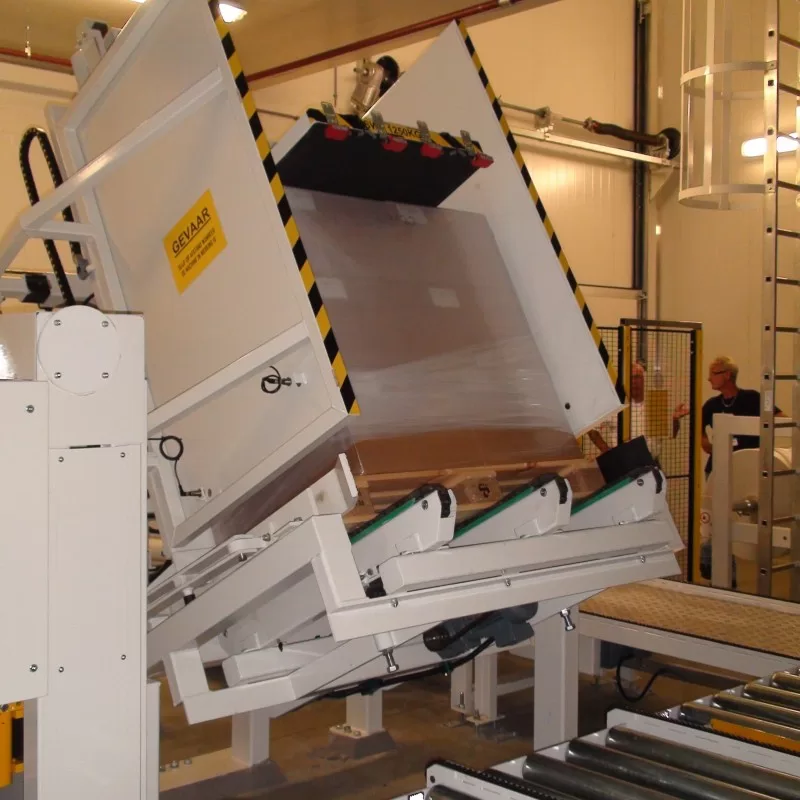
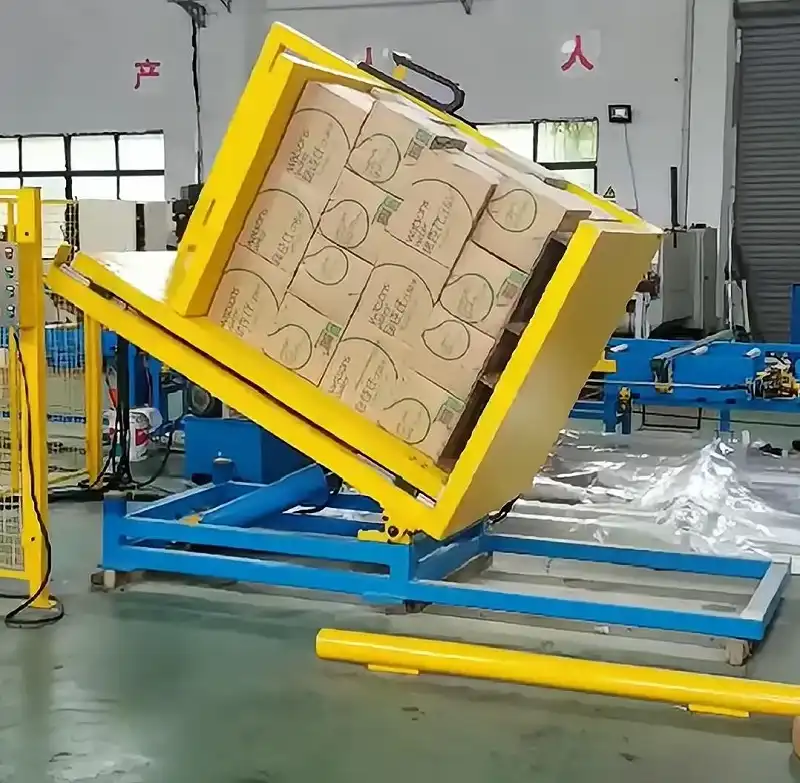
Before diving into integration specifics, it's essential to grasp the primary function of a pallet inverter. This machine securely clamps and rotates a loaded pallet, typically 180 degrees. This allows for swift exchange of pallets – removing damaged ones, swapping wood for plastic or hygienic pallets, or transferring loads between company and rental pallets – all without needing to manually destack and restack goods. This process dramatically reduces risks associated with manual handling, minimizes potential product damage during transfer, and significantly speeds up pallet exchange tasks. Effective integration amplifies these benefits across your entire warehouse automation ecosystem.
2. The Critical Importance of Seamless Integration
Why is seamless pallet inverter integration so vital? An isolated pallet inverter, operating as a standalone unit, can easily become a process bottleneck rather than an efficiency driver. Effective integration ensures the inverter functions harmoniously with other material handling systems, such as conveyors, forklifts, Automated Guided Vehicles (AGVs), stretch wrappers, and your Warehouse Management System (WMS). When integrated correctly, the pallet inverter becomes an active, value-adding component of your automated or semi-automated workflow, crucial for minimizing downtime, reducing manual touchpoints, and boosting overall operational throughput.
3. Analyzing Your Existing Warehouse Systems and Workflow
The foundational step for any successful integration project is a comprehensive analysis of your current material handling processes. Meticulously map the flow of goods through your facility, from receiving and putaway to picking, packing, and shipping. Key points to consider during this analysis include:
- Document Existing Automation: Clearly identify and map all current automated systems, including conveyor lines, sorting systems, robotic arms, and AGVs. Understand their capacities, control systems, and operational logic.
- Map Manual Processes: Detail tasks performed manually and identify how they interface with automated segments. Critically assess how introducing an automated pallet inverter will impact these manual touchpoints and operator workflows.
- Analyze Physical Layout and Space: Evaluate the physical constraints of your facility, including available floor space, ceiling height, floor load capacity, and logistical pathways for both materials and personnel. Ensure adequate space for the machine, safety guarding, and operational access.
This thorough analysis is crucial for identifying the most logical and effective insertion point for the pallet inverter within your broader operational context, ensuring it complements rather than disrupts existing pallet handling systems.
4. Determining the Optimal Installation Location
Strategic placement is non-negotiable for successful pallet inverter integration. Locating the inverter correctly optimizes pallet flow, minimizes unnecessary travel distance, and ensures smooth transitions between different handling processes. Common and often optimal locations include:
- At the Start or End of Production Lines: Ideal for transferring finished goods to shipping pallets or raw materials onto internal use pallets.
- Near Receiving Docks: Facilitates inspection of incoming goods and allows for immediate transfer from potentially damaged or non-compliant supplier pallets to standard internal pallets.
- Before the Shipping Area: Enables standardization of outbound pallets according to customer requirements or shipping regulations.
- Directly Integrated into a Conveyor Line: Offers the highest level of automation, allowing pallets to flow directly into and out of the inverter without manual intervention.
The best location depends heavily on your facility's unique layout, workflow bottlenecks, and precisely where pallet exchange provides the most significant operational efficiency gains while minimizing disruption to established pallet handling systems.
5. Ensuring Compatibility with Conveyor Systems
If your facility relies heavily on conveyor systems, ensuring seamless compatibility with the chosen pallet inverter model is paramount. This requires careful consideration of several technical factors:
- Direct Integration Capability: Verify if the pallet inverter model can load and unload pallets directly from your specific conveyor type (e.g., roller conveyor, chain conveyor, belt conveyor).
- Physical Alignment and Interface: Ensure precise alignment of conveyor height, width, and transition points with the inverter's entry and exit ports. Misalignment can cause jams, damage, and operational halts.
- Load Capacity Verification: Confirm that the conveyor sections immediately before and after the inverter, as well as the supporting structure, can safely handle the combined weight of the inverter mechanism and the maximum anticipated pallet load.
- Control System Handshake: Establish reliable communication between the inverter's Programmable Logic Controller (PLC) and the conveyor control system. This "handshake" is essential for managing pallet transfer smoothly, signaling readiness, controlling conveyor sections (start/stop), and preventing collisions.
- Cycle Time Synchronization: Align the conveyor speed and the inverter's operational cycle time to prevent bottlenecks upstream or gaps downstream. Buffer zones or accumulation conveyors might be necessary to manage slight variations in timing.
Achieving seamless pallet inverter conveyor system integration often requires collaboration between the inverter manufacturer, conveyor supplier, and potentially an integration specialist. Custom transfer mechanisms or modifications may be needed.
6. Integrating with Forklift and AGV Operations
Most warehouses utilize forklifts, AGVs, or both for pallet transportation. Integrating these mobile units effectively with a stationary pallet inverter requires clear operational protocols and potentially system-level coordination:
- Establish Defined Zones: Designate clearly marked and potentially sensor-monitored drop-off and pick-up zones at the pallet inverter for both forklifts and AGVs. This ensures safe and efficient positioning.
- Synchronize Workflow: Train forklift operators on the correct procedures and timing for interacting with the inverter. Program AGV routes and logic to coordinate arrival and departure times precisely with the inverter's operational cycle. Poor timing is a common source of inefficiency and potential hazards.
- Implement Traffic Management: In areas with mixed traffic (forklifts, AGVs, pedestrians), establish clear traffic rules, designated pathways, and potentially automated traffic control systems (e.g., intersection alerts) to prevent collisions around the inverter.
- Provide Clear Communication: Use visual signals (e.g., indicator lights – green for ready, red for busy), audible alerts, or system signals (via WMS/MES) to clearly communicate the inverter's status (ready for load, processing, ready for unload) to operators and AGV control systems.
Effective coordination, often best managed through software integration (like WMS or a Fleet Management System for AGVs), is vital for a smooth and safe pallet inverter workflow involving mobile material handling equipment.
Get Your Best Solution !
7. Software Integration: Connecting to Your WMS/WCS
For achieving advanced levels of efficiency, visibility, and control, integrating the pallet inverter with your Warehouse Management System (WMS) or Warehouse Control System (WCS) is often the most critical step. This software-level connection enables:
- Automated Data Capture and Logging: Automatically record each pallet inversion event, associating it with specific product identifiers (SKUs), batch numbers, or order IDs directly within the WMS/WCS.
- Real-Time Visibility and Tracking: Maintain accurate, real-time tracking of pallet status and location as they move through the inversion process within the broader warehouse workflow.
- Improved Inventory Accuracy: Eliminate manual data entry errors associated with tracking pallet type changes or transfers between different pallet pools.
- Enhanced Performance Monitoring: Generate detailed reports on inverter utilization rates, average cycle times, throughput, downtime occurrences, and fault codes directly from the WMS/WCS interface.
- System-Directed Workflow: Enable the WMS/WCS to intelligently direct pallets requiring inversion to the machine based on predefined rules (e.g., specific product types, damaged pallet detection upstream, customer requirements).
Technical Consideration: Successful software integration requires ensuring compatibility between the pallet inverter's control system (typically PLC-based) and your WMS/WCS. This often involves using standard industrial communication protocols like OPC-UA, EtherNet/IP, or PROFINET. Middleware or custom Application Programming Interfaces (APIs) might be necessary to facilitate data exchange. Consult closely with both the inverter manufacturer and your WMS/WCS provider early in the planning phase.
8. Customization for Specific Industry Requirements
Pallet inverter integration is rarely a one-size-fits-all solution. Different industries impose unique demands that must be addressed:
- Food & Beverage: Often requires stainless steel construction (e.g., 304 or 316 grade) for hygiene, IP-rated components for wash-down capabilities, and potentially operation in cold storage environments (requiring specialized lubricants and components).
- Pharmaceuticals: Necessitates compliance with stringent cleaning protocols (cGMP - current Good Manufacturing Practices), validation documentation, and potentially specialized handling features to prevent contamination or product damage.
- Chemicals: May demand explosion-proof (ATEX or similar rated) components for hazardous environments, specific materials resistant to corrosion, or containment features.
- Automotive/Heavy Industry: Might require higher load capacities, reinforced clamping mechanisms, or integration with specialized dunnage.
Ensure the selected pallet inverter model and the overall integration plan explicitly meet your industry's specific regulatory standards, operational needs, and environmental conditions.

9. Comprehensive Operator Training for Seamless Operation
Advanced technology alone cannot guarantee operational success. Thorough and ongoing training is essential for all personnel who will interact with the integrated pallet inverter system:
- Standard Operating Procedures (SOPs): Detailed instruction on correct usage of controls, safe loading/unloading techniques for different load types, and routine operational checks.
- Safety Protocols: Comprehensive understanding of all safety features (emergency stops, light curtains, safety interlocks, guarding), lockout/tagout (LOTO) procedures for maintenance and cleaning, and defined emergency response actions.
- System Interaction Awareness: Clear understanding of how the inverter functions within the larger workflow, including interaction sequences with conveyors, AGVs, or forklifts.
- Basic Troubleshooting Skills: Ability to recognize common error codes or minor operational issues and understand when to escalate to maintenance personnel.
- Maintenance Awareness: Understanding the importance of routine preventative maintenance checks and reporting any observed abnormalities promptly.
Best Practice: Incorporate pallet inverter operation and safety training into your standard employee onboarding process and conduct regular refresher training sessions. Ensure operating manuals and safety procedures are readily accessible near the machine.
10. Prioritizing Safety Throughout the Integration Process
Integrating any piece of automated machinery, especially one handling heavy loads like a pallet inverter, demands a rigorous and unwavering focus on safety. Key safety considerations must be addressed from the initial design phase through installation and commissioning:
- Thorough Risk Assessment: Conduct a comprehensive risk assessment before installation begins and update it after integration is complete to identify and mitigate all potential hazards associated with the machine and its interaction with surrounding systems and personnel.
- Robust Physical Guarding: Install appropriate safety fencing, fixed barriers, light curtains, or laser area scanners to create a secure perimeter and prevent unauthorized access to hazardous areas during operation. Ensure guarding complies with relevant standards (e.g., ISO 13857).
- Accessible Emergency Stops (E-stops): Position clearly marked E-stop buttons at multiple easily accessible points around the machine and ensure they are integrated into the overall system's safety circuit, stopping the inverter and potentially linked equipment (like conveyors) immediately when activated.
- Clear Warning Signage: Use standardized, easily understandable warning signs to indicate potential hazards such as crushing, clamping, or automatic movement.
- Regulatory Compliance: Verify that the entire integrated system (inverter, guarding, controls) meets or exceeds all applicable local, national, and international safety standards, such as those from OSHA (Occupational Safety and Health Administration) in the U.S., or CE marking requirements in Europe.
- Strict Lockout/Tagout (LOTO) Procedures: Implement, enforce, and regularly audit rigorous LOTO procedures to ensure the machine is properly de-energized and cannot restart unexpectedly during maintenance, cleaning, or troubleshooting activities.
Safety must be an integral part of the pallet inverter integration design, not an afterthought.
11. Designing for Operational Flexibility and Future Needs
While automation aims to standardize and streamline processes, it's crucial to avoid creating systems that are overly rigid. A well-designed pallet inverter integration should enhance, not hinder, overall operational flexibility:
- Handling Versatility: Assess the system's ability to handle expected variations in pallet types (e.g., wood, plastic, metal, CHEP, GMA), sizes (standard, oversized, half-pallets), and load configurations (height, stability, weight distribution).
- Scalability Considerations: Think about future business growth. Can the integrated system easily accommodate increased throughput demands? Can additional automation be added later without major rework?
- Manual Override and Bypass Options: Ensure there is a safe, documented, and reasonably efficient procedure to bypass the pallet inverter if necessary (e.g., for handling non-standard loads, during extended maintenance periods, or for low-volume exceptions).
Designing the integration with adaptability and future scalability in mind helps to future-proof your investment and maintain resilience in a changing operational landscape.
12. Monitoring Performance and Driving Continuous Improvement Post-Integration
The integration process doesn't end once the equipment is commissioned. Continuous performance monitoring and analysis are crucial for optimizing the system and ensuring it delivers the expected benefits over the long term:
- Track Key Performance Indicators (KPIs): Utilize data from the WMS/WCS, PLC logs, or dedicated monitoring software to track critical metrics such as:
- Average cycle time per inversion
- Equipment uptime vs. downtime (Overall Equipment Effectiveness - OEE)
- Throughput achieved (pallets inverted per hour, shift, or day)
- Frequency and types of error codes or fault logs
- Impact on adjacent processes (e.g., changes in conveyor wait times, AGV queuing)
- Analyze Performance Data: Regularly review these KPIs to identify performance trends, potential bottlenecks, sources of inefficiency, or emerging maintenance requirements.
- Establish a Feedback Loop: Actively solicit feedback from operators, maintenance technicians, and supervisors who interact with the system daily. Their insights are invaluable for identifying practical issues and improvement opportunities.
- Implement Continuous Improvement (Kaizen): Use the collected data and feedback to make informed decisions and implement iterative adjustments to workflows, control system programming, operator training, or preventative maintenance schedules to continually enhance performance and reliability.
95 degree pallet tipper2 Conclusion: Achieving Maximum Value Through Strategic Pallet Inverter Integration
Successfully integrating a pallet inverter into your existing material handling systems is not just about connecting machinery; it's about strategically enhancing your entire operation. It transforms a potentially useful standalone machine into a powerful, integrated component contributing to a more efficient, safer, and automated warehouse environment. By diligently following the steps outlined – from thorough initial analysis and strategic placement to ensuring hardware/software compatibility, prioritizing safety, investing in training, and committing to ongoing performance monitoring – businesses can unlock significant benefits. These include reduced manual labor costs, minimized product and pallet damage, improved inventory control, increased throughput, and enhanced compliance with handling standards.
Strategic pallet inverter integration is a vital step for businesses seeking to optimize their logistics operations and maintain competitiveness. When planned and executed thoughtfully, it delivers substantial improvements in productivity, safety, and operational resilience, ultimately making your supply chain smarter, faster, and more efficient.
Get Your Best Solution !