How to Gauge a Supplier’s Commitment to Innovation in Pallet Inverters

Introduction
In today’s rapidly evolving warehousing and logistics industries, pallet inverters play a critical role in streamlining operations, improving workflow, and enhancing workplace safety. As businesses strive for greater efficiency and reduced downtime, selecting the right equipment supplier is paramount. A crucial, yet often overlooked, factor in this decision is the supplier's commitment to ongoing innovation. But how can you effectively measure innovation in the specialized field of pallet inverters? This guide provides actionable steps to assess a supplier’s dedication to developing cutting-edge pallet handling solutions, ensuring your investment supports long-term operational excellence in demanding environments.
1. Understanding Why Innovation Matters in Pallet Inverters
Innovation in pallet inverter technology isn't merely about incorporating the latest features; it's fundamentally about solving real-world operational challenges, boosting efficiency, and prioritizing safety. A truly innovative supplier continuously seeks refinements in design, functionality, and reliability. These enhancements yield tangible benefits:
- Faster Pallet Exchange Cycles: Reducing the time needed to invert or transfer loads.
- Improved Reliability: Minimizing breakdowns and associated maintenance costs.
- Enhanced Operator Safety: Incorporating features that reduce risks and physical strain.
- Seamless Integration: Designing machines that work well with existing or future automation systems (like AGVs or conveyor lines).
- Adaptability: Offering customizable features tailored to specific industry needs or load types.
Ultimately, innovative pallet inverters contribute directly to a healthier bottom line and a safer work environment.
2. Assessing Research and Development (R&D) Investment
A primary indicator of a supplier's forward-thinking approach is their sustained investment in Research and Development (R&D). A company dedicating significant resources to R&D signals a long-term commitment to product improvement and technological leadership.
Questions to Ask Potential Suppliers:
- What percentage of annual revenue is allocated to R&D?
- How large and experienced is the engineering/development team?
- Can you showcase recent product innovations or patented technologies specific to your pallet inverters?
- What is your product development roadmap for the next 3-5 years?
Suppliers genuinely focused on R&D often possess unique design features or proprietary technologies that differentiate their pallet inverters from standard market offerings.
3. Evaluating Collaboration with Industry Experts and Users
Meaningful collaboration fuels practical innovation. Suppliers who actively engage with industry experts, material handling engineers, and, crucially, end-users are better positioned to understand emerging trends and address practical challenges. This feedback loop is vital for developing solutions that truly meet market needs.
Inquire About:
- Processes for gathering and incorporating user feedback into designs.
- Partnerships with universities, research institutions, or technology consultants.
- Involvement in industry associations or technical committees (e.g., MHI, MHEDA).
- Participation in pilot programs or beta testing with customers.
Suppliers committed to innovation often highlight ongoing partnerships and actively participate in industry events to exchange knowledge and showcase advancements.
4. Examining the Track Record of Technological Advancements
A supplier’s history provides valuable insight into their innovative capacity. Look beyond marketing claims and examine their track record of tangible technological advancements. A truly innovative company demonstrates a consistent pattern of product evolution.
Look For Evidence Of:
- Regular introductions of new models or significant feature updates.
- Improvements addressing specific industry pain points (e.g., handling delicate loads, increasing speed, reducing energy consumption).
- Adoption of new materials or manufacturing techniques for enhanced durability or performance.
A strong track record shows that innovation is embedded in the company culture, not just a sporadic effort.
5. Investigating the Integration of Smart Technologies (IoT)
The Internet of Things (IoT) is revolutionizing industrial equipment, and pallet inverters are no exception. Forward-thinking suppliers are actively exploring or implementing smart pallet inverter features.
Key Smart Technology Aspects:
- Remote Monitoring: Ability to track usage, performance, and machine status remotely.
- Predictive Maintenance: Using sensors and data analytics to anticipate potential failures before they occur, minimizing unplanned downtime.
- Operational Data: Gathering insights on cycle times, load weights, and efficiency for process optimization.
- Integration Capabilities: Ability to connect with Warehouse Management Systems (WMS) or Enterprise Resource Planning (ERP) systems for streamlined data flow.
Ask potential suppliers about their current smart technology offerings and their vision for incorporating IoT into future pallet inverter designs.
6. Analyzing Customization Capabilities
Warehouses and manufacturing facilities have diverse needs. An innovative supplier understands that a one-size-fits-all approach is often inadequate. The ability to offer customization demonstrates flexibility and a commitment to solving unique customer problems.
Examples of Valuable Customization:
- Adjustable clamping pressures for delicate or variable loads.
- Modified dimensions to fit specific space constraints.
- Integration with custom automation or conveyor systems.
- Specialized controls or HMI interfaces.
- Load capacities tailored to specific requirements.
The willingness and capability to tailor pallet inverter solutions signify a deep understanding of application needs and a commitment to customer success.
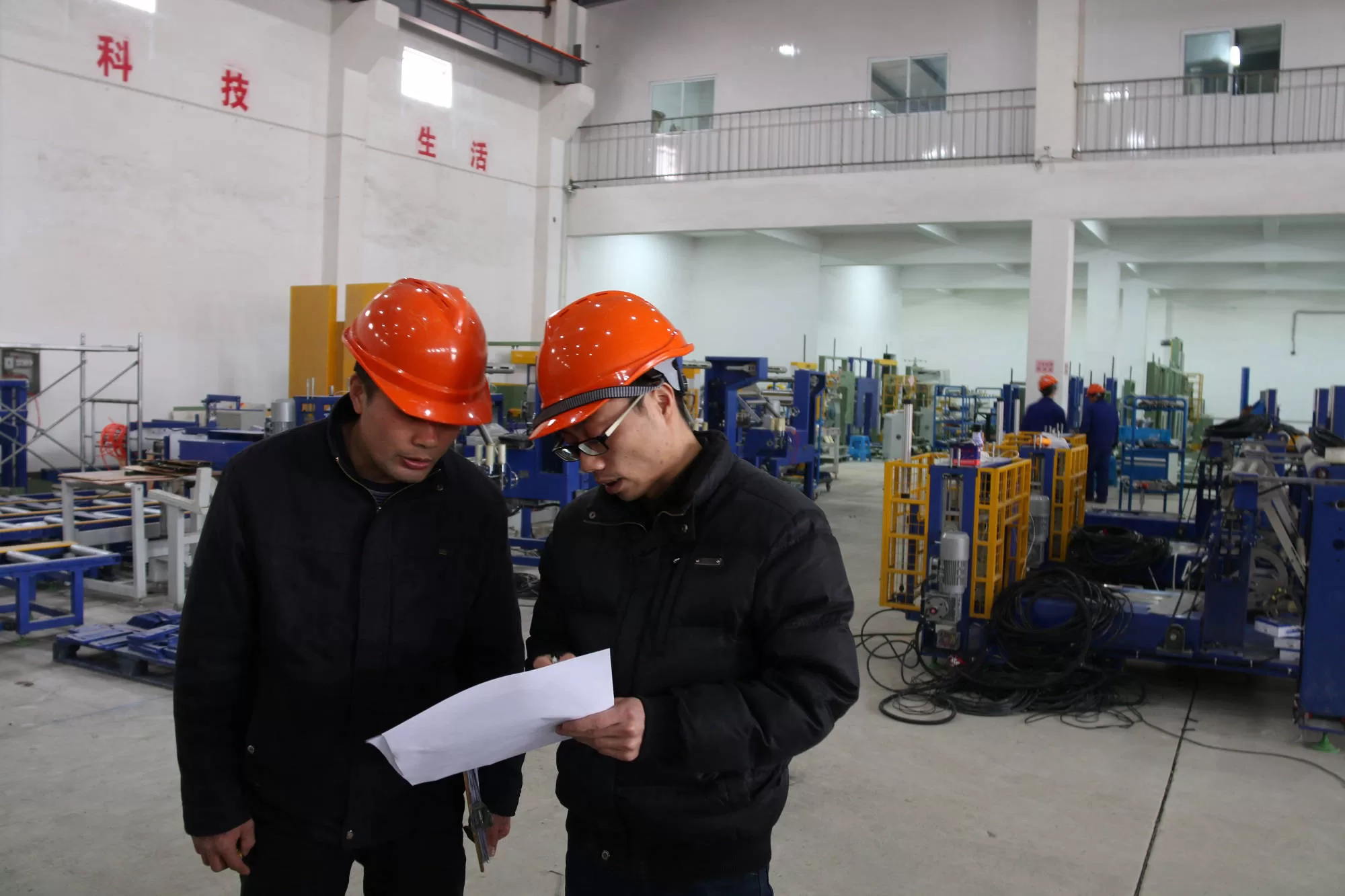
Get Your Best Solution !
7. Considering Sustainable Materials and Eco-Friendly Designs
Modern innovation increasingly incorporates sustainability. The logistics sector faces growing pressure to minimize its environmental impact. Suppliers committed to innovation are likely exploring or implementing eco-friendly practices.

- Use of recyclable or sustainable materials in construction.
- Energy-efficient designs (e.g., optimized hydraulics, efficient motors).
- Features that reduce product damage, thereby minimizing waste.
- Compliance with environmental regulations and standards.
Ask suppliers about their environmental policies, material sourcing, and any specific eco-friendly features integrated into their pallet handling solutions. Proactive environmental consideration is often a sign of a forward-looking company.
8. Prioritizing Operator Safety Features
Operator safety is paramount, and innovative suppliers continuously seek ways to enhance it. Cutting-edge pallet inverters incorporate advanced safety mechanisms that go beyond basic requirements.

- Ergonomic designs reducing physical strain.
- Advanced guarding, light curtains, or area scanners to prevent access during operation.
- Automated safety checks and interlocks.
- Emergency stop systems that are easily accessible and reliable.
- Compliance with relevant safety standards (e.g., OSHA regulations, CE marking, ANSI/ITSDF standards).
Discuss the specific safety features embedded in their designs and ask how they proactively address potential hazards identified through risk assessments.
9. Evaluating User-Friendly Interfaces and Training Support
Advanced technology must be usable to be effective. An innovative supplier focuses on creating intuitive operator interfaces (HMIs) that simplify operation and reduce the learning curve.
Consider:
- Clarity and ease-of-use of control panels or touchscreens.
- Availability of multi-language support if needed.
- Simplicity of routine tasks like loading, starting cycles, and basic troubleshooting.
Furthermore, assess the quality and availability of training and support materials. Innovative suppliers often provide comprehensive resources:
- Detailed operating manuals and maintenance guides.
- Video tutorials for operation and basic maintenance.
- On-site or remote training options.
- Responsive technical support.
Effective training ensures your team can operate the pallet inverter safely and maximize its efficiency.
10. Understanding Post-Sales Service and Continuous Improvement Culture
A supplier's commitment to innovation extends beyond the initial sale. Look for partners who offer robust post-sales support and demonstrate a culture of continuous improvement.
Inquire About:
- Availability of preventative maintenance programs.
- Software update policies (for smart-enabled machines).
- Spare parts availability and lead times.
- Options for future upgrades or modular expansions.
- Processes for gathering post-installation feedback for future product refinements.
A supplier dedicated to long-term partnership and continuous improvement ensures your equipment remains optimized and benefits from future advancements.
11. Assessing Customer-Centric Innovation Approach
True innovation solves real problems. The most effective suppliers place the customer at the center of their innovation process. They actively solicit, listen to, and act upon client feedback.
- Formal mechanisms for collecting customer feedback (surveys, user groups).
- Examples of product improvements directly resulting from customer input.
- Willingness to conduct trials or develop prototypes based on specific needs.
- Availability of case studies or testimonials highlighting successful problem-solving through innovation.
A supplier with a demonstrable track record of customer-driven improvements is more likely to provide solutions that genuinely enhance your operations.
12. Checking Global Presence and Market Adaptability
While not always essential, a global presence can indicate a supplier's broader understanding of diverse operational challenges, regulatory environments, and technological trends. Suppliers operating in multiple markets often encounter a wider range of demands, driving adaptability and innovation.
Consider:
- Experience in different geographical regions or industries.
- Ability to adapt solutions to meet local standards or unique market needs.
- Global support network (if relevant to your operations).
A supplier demonstrating market adaptability is likely more resilient, experienced, and capable of supporting diverse operational requirements.
Conclusion: Choosing an Innovative Supplier for Your Pallet Inverter Needs
Selecting the right pallet inverter supplier is a strategic decision impacting your warehouse or production facility's efficiency, safety, and future readiness. By prioritizing a supplier's commitment to innovation, you invest in a solution that is not only effective today but also adaptable and reliable for years to come.
To effectively gauge this commitment, meticulously evaluate their:
- R&D Investment and focus.
- Track Record of technological advancements.
- Integration of smart technologies and IoT capabilities.
- Customization options to meet unique needs.
- Emphasis on Operator Safety and ergonomic design.
- Approach to Sustainability and eco-friendly practices.
- User-Friendliness and quality of training support.
- Commitment to Post-Sales Service and continuous improvement.
- Customer-Centric approach to development.
By thoroughly assessing these critical factors, you can confidently partner with a pallet inverter supplier who will not only meet your current requirements but also act as a valuable partner in navigating the future challenges and opportunities in material handling.
Get Your Best Solution !