A Comprehensive Guide to Automatic Slit Coil Packing Line Installation: Timelines and Requirements
Introduction
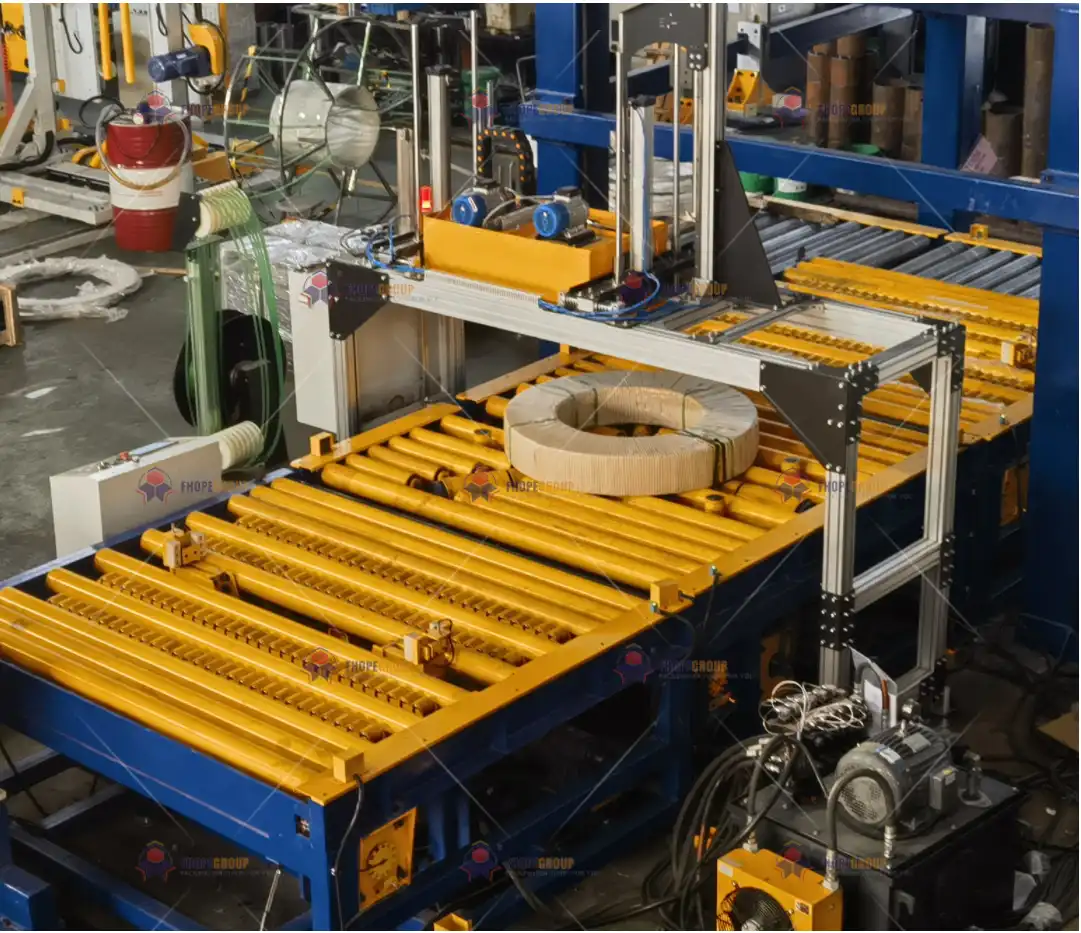
Implementing an automatic slit coil packing line represents a significant investment for manufacturers seeking enhanced efficiency, safety, and consistency in their packaging operations. As slit coil packaging automation technology continually advances, understanding the critical factors influencing installation times and requirements is essential for meticulous planning and successful project execution. This guide offers a detailed comparison of key variables to help you navigate the complexities of planning your coil packing line installation.
1. Understanding Automatic Slit Coil Packing Lines
An automatic slit coil packing line is a sophisticated system designed to efficiently and securely package slit coils, which are fundamental materials in industries ranging from automotive to construction. Proper packaging is vital to protect these coils from damage during handling, storage, and transportation. Investing in coil handling automation offers numerous advantages:
- Reduced Labor Costs: Minimizes manual handling and associated expenses.
- Improved Packaging Quality: Ensures consistent and reliable packaging integrity.
- Enhanced Productivity: Increases throughput and operational efficiency.
- Better Safety: Reduces risks associated with manual handling of heavy coils.
However, the installation of these complex systems demands careful consideration of technical specifications, facility readiness, and project timelines. The duration and complexity of the slit coil packing line installation process depend heavily on system design, site preparation, and any necessary customization.
2. Key Factors Influencing Installation Time Variability
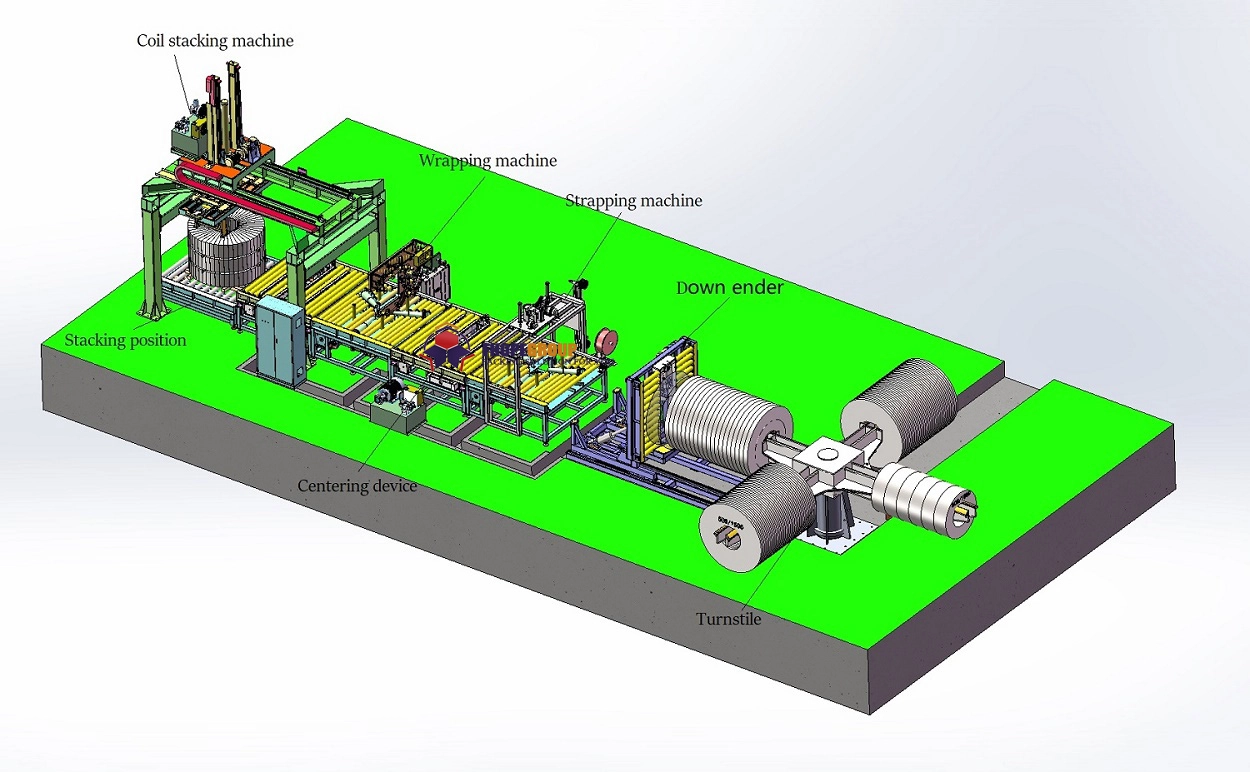
The timeframe required to install an automatic slit coil packing line can vary significantly, typically ranging from several weeks to multiple months. Key factors influencing this variability include:
- System Complexity: More advanced systems incorporating robotics (e.g., robotic arms for coil handling, palletizing), complex sensor networks, integrated vision systems, and sophisticated PLC/HMI controls naturally require longer installation, integration, and commissioning periods compared to simpler, semi-automatic configurations.
- Facility Readiness: A well-prepared facility significantly streamlines installation. Essential prerequisites include:
- Adequate electrical power supplies (correct voltage, phase, amperage).
- Reliable compressed air sources with sufficient pressure and volume.
- Stable network connectivity (wired Ethernet preferred for control systems).
- Sufficient, level floor space with appropriate load-bearing capacity.
- Clear access routes for equipment delivery and positioning.
Sites requiring substantial infrastructure upgrades (e.g., new power panels, air line extensions, concrete work) will inevitably face longer project timelines.
- Customization Requirements: Solutions tailored to specific operational needs, unique coil dimensions, specialized packaging materials, or integration with existing legacy equipment often require additional engineering design, bespoke component manufacturing, rigorous factory acceptance testing (FAT), and extended on-site commissioning and fine-tuning.
3. Essential Installation Requirements to Assess
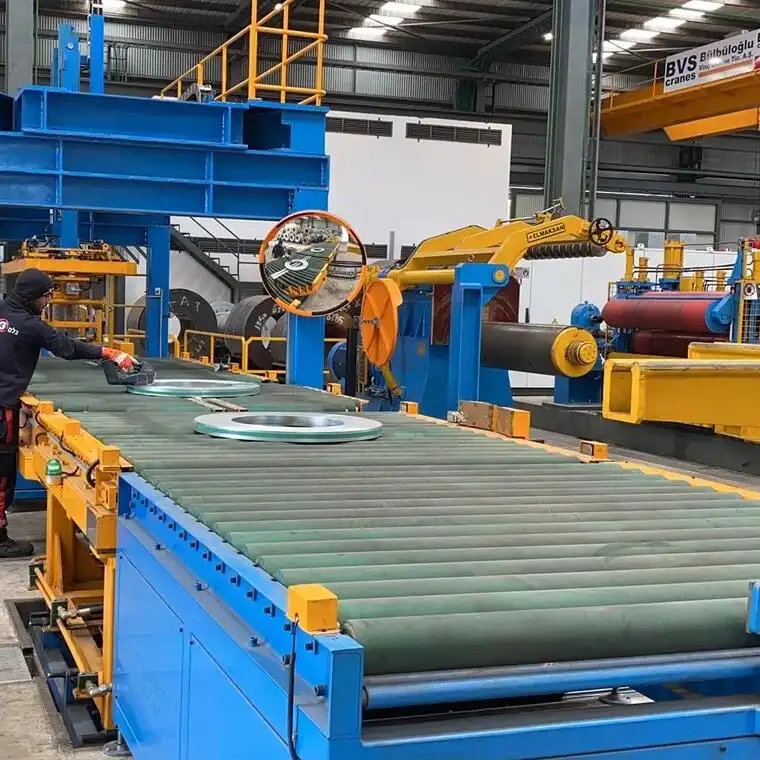
Thoroughly evaluating the following requirements is crucial for planning your slit coil packaging automation project:
- Space and Layout Considerations: The physical footprint and layout are critical. Large facilities might accommodate extensive, linear lines with multiple stations (e.g., coil loading, downending, strapping, wrapping, weighing, labeling, palletizing), demanding detailed layout planning using tools like CAD. Smaller facilities may necessitate more compact, potentially U-shaped or multi-level designs, or even a phased installation approach, which could extend the overall project duration. Accurate measurements and consideration of maintenance access are vital.
- Power, Utility, and Environmental Needs: Automated machinery often has substantial power requirements. Verify the specific voltage, phase, and amperage needs with the supplier early on. Ensure reliable data connectivity (Ethernet, potentially Wi-Fi for monitoring) is available at the installation points. Assess if climate control (temperature, humidity) is necessary for sensitive electronic components or specific packaging materials. Ensuring utilities are correctly provisioned before equipment arrival is paramount to prevent costly delays.
- Regulatory and Safety Compliance: Installations must adhere to relevant national and international safety standards (e.g., OSHA standards in the US, CE marking requirements and Machinery Directive in Europe). This includes proper machine guarding, emergency stops, safety interlocks, risk assessments, and potentially ergonomic considerations for any operator interaction points. Compliance might necessitate third-party inspections or certifications, impacting the project schedule and requiring thorough documentation.
4. Pre-installation Preparation: Setting the Stage for Success

Meticulous planning and preparation are fundamental to mitigating risks and ensuring a smooth installation:
- Detailed Site Survey and Assessment: Conduct a comprehensive survey of the proposed installation area. Verify dimensions, floor levels, load capacities, column spacing, overhead clearances, and the exact locations of existing utilities (power, air, network). Identify access routes for large equipment delivery and potential obstructions.
- Collaborative Design Review and Approval: Engage in thorough reviews of the final system design, layout drawings (P&ID, electrical schematics, mechanical layouts), and functional specifications with the supplier. Ensure mutual understanding and formal sign-off on how the system will be installed, integrated, and operated within the designated space. Address potential conflicts or required modifications proactively.
- Logistics, Resource, and Safety Planning: Develop a detailed project schedule, coordinating equipment delivery timelines with site readiness. Arrange necessary material handling equipment (e.g., heavy-duty forklifts, cranes, rigging). Schedule the installation team, including supplier technicians and required internal personnel (maintenance, IT, facilities). Ensure all necessary tools, permits (hot work, electrical), and site safety protocols (PPE, lockout/tagout) are in place before work commences.
5. Typical Installation Phases and Timeline Breakdown
The installation process for an automatic slit coil packing line generally unfolds in distinct phases:
- Phase 1: Equipment Delivery, Unpacking & Staging: Receiving all crated machinery components, inspecting for shipping damage, and carefully positioning them near the final installation points according to the layout plan. Duration: Typically 1-2 days to over a week, depending on shipment size, complexity, and site logistics.
- Phase 2: Mechanical Assembly: The core installation phase where technicians assemble the line's framework, conveyors, turntables, packing stations (strappers, stretch wrappers, etc.), robotic elements, sensors, actuators, and safety guarding structures. Duration: Usually 1 to 4 weeks, highly dependent on system size, complexity, and team size.
- Phase 3: Electrical, Pneumatic, and Network Integration: Connecting all power wiring, control cables, safety circuits, sensor connections, pneumatic tubing and valves, and network cables. This requires skilled electricians and technicians following detailed schematics. Duration: Often runs parallel to mechanical assembly but may extend slightly for final connections and checks (typically 1-3 weeks).
- Phase 4: System Calibration, Testing & Commissioning: Powering up the system, configuring software parameters (PLCs, HMIs, robot controllers), calibrating sensors and drives, testing individual machine functions, running integrated tests with actual slit coils (verifying performance across different sizes, weights, and packaging recipes), and establishing communication with upstream/downstream equipment or control systems (MES/ERP). This is a critical phase for fine-tuning and optimization. Duration: Can range from 1 week to 3+ weeks, depending heavily on complexity, integration scope, and required performance validation.
- Phase 5: Training and Final Handover: Conducting comprehensive training sessions for operators (operation, changeovers, basic troubleshooting, safety) and maintenance staff (preventive maintenance, diagnostics, component replacement). Formal handover includes final documentation review (manuals, drawings, spare parts lists, certifications) and acceptance sign-off. Duration: Typically 2 days to 1 week.
6. Comparing Installation Times Based on Automation Levels
The degree of automation is a primary determinant of installation duration:
- Semi-Automatic Systems: These systems involve significant operator interaction (e.g., manual coil loading, initiating packaging cycles, removing finished packages). Fewer components and simpler control logic generally result in faster installation. Typical Time: 1-3 weeks.
- Fully Automatic Systems: Characterized by end-to-end automation with minimal human intervention. These lines often integrate robotics, advanced PLCs, HMIs, extensive sensor networks, and potentially machine vision. Installation is inherently more complex and time-consuming due to intricate wiring, programming, sophisticated integration, and rigorous testing protocols. Typical Time: 4-8 weeks or more.
- Hybrid Systems: Blend automated modules with manual workstations. Installation time falls between semi-automatic and fully automatic systems, varying based on the complexity of the automated sections and their interface points with manual processes. Typical Time: 2-5 weeks on average.
7. System Compatibility and Integration Challenges
Ensuring the new metal coil packaging line integrates seamlessly with existing facility systems is vital for realizing full operational benefits:
- ERP/WMS/MES Integration: Connecting the packing line to higher-level business systems (Enterprise Resource Planning, Warehouse Management Systems, Manufacturing Execution Systems) enables real-time data exchange for production tracking, order fulfillment, inventory management, and quality data logging. This integration often requires software configuration, potentially custom API development, network setup, and extensive testing/debugging, which can add significant time (days to weeks) to the commissioning phase.
- Compatibility with Existing Material Handling: If the new line needs to interface with existing conveyors, automated guided vehicles (AGVs), overhead cranes, or other production equipment, meticulous planning is required to ensure physical alignment and communication protocol compatibility (e.g., Profinet, EtherNet/IP). Modifications to existing equipment or the development of custom interfaces might be necessary, adding complexity and potentially extending the installation timeline.
8. Common Challenges During Slit Coil Packing Line Installation
Despite careful planning, unforeseen challenges can impact the installation schedule:
- Equipment Delivery Delays: Issues such as supplier manufacturing backlogs, international shipping disruptions, or customs clearance problems can postpone the project start date. Mitigation: Build buffer time into the schedule, maintain clear communication with the supplier.
- On-Site Technical Issues: Unexpected problems during assembly or commissioning (e.g., component incompatibility discovered on-site, software bugs, sensor calibration difficulties) require troubleshooting and can extend the timeline. Mitigation: Ensure experienced technicians are on-site, have remote support access available, allocate contingency time.
- Site Condition Discrepancies: Minor inaccuracies in initial surveys (e.g., floor not perfectly level, unexpected subsurface obstruction) might necessitate layout adjustments or minor civil work during installation. Mitigation: Conduct thorough site surveys, potentially using 3D scanning; be prepared for minor modifications.
- Resource Availability Conflicts: Delays can occur if key personnel (supplier technicians, internal maintenance staff, IT support for network integration) are unavailable as scheduled due to other commitments. Mitigation: Detailed resource planning and scheduling, confirm availability well in advance.
- Scope Creep: Introducing changes or adding functionalities to the system mid-installation inevitably leads to delays and potential cost increases. Mitigation: Freeze the scope before installation begins, manage any necessary changes through a formal change control process.
9. Post-installation Support and Maintenance Needs
A successful installation marks the beginning of the system's operational life. Ongoing support and maintenance are crucial:
- Routine Preventive Maintenance (PM): Automated systems require regular PM schedules (lubrication, inspections, filter changes, replacement of wear parts like belts or strapper heads) based on manufacturer recommendations and operational hours to minimize unplanned downtime and ensure optimal performance. Establish and adhere to a clear PM program.
- Reliable Technical Support: Confirm the supplier's technical support capabilities, including availability (hours, contact methods like phone/email/remote access), response times for critical issues, and options for on-site service visits. Quick access to expert support is vital.
- Spare Parts Management Strategy: Work with the supplier to identify critical spare parts. Develop a strategy for managing spares – deciding which parts to stock on-site for immediate replacement versus relying on the supplier's inventory and lead times. This balances cost against potential downtime risk.
- Continuous Improvement and Upgrades: Stay informed about potential software updates (for bug fixes, security patches, or new features) or hardware upgrades offered by the supplier that could enhance performance, extend the system's lifespan, or improve safety over time.
10. Key Cost Considerations for Installation
Budgeting for a coil packing line installation requires looking beyond the initial equipment purchase price. Factor in these significant installation-related costs:
- Installation Labor: Costs for the supplier's installation and commissioning team (daily/hourly rates, travel, accommodation), plus any internal labor required for site preparation, assistance, or specific tasks (e.g., internal IT for network setup).
- Facility Infrastructure Upgrades: Budget adequately for any necessary site modifications, such as upgrading electrical panels or wiring, installing new compressed air lines or dryers, network drops, concrete pad pouring, or floor reinforcement.
- Integration Software and Services: Costs associated with integrating the packing line controller (PLC) with higher-level systems (ERP/WMS/MES), which may involve software licenses, programming services, and extensive testing.
- Customization and Engineering Fees: Additional charges for any non-standard features, specialized programming (e.g., complex packaging recipes), unique mechanical designs, or required third-party certifications.
- Training Costs: Expenses related to training operators and maintenance personnel, potentially including trainer fees, travel costs (if off-site), or overtime pay for staff attending training sessions.
- Contingency Fund: It is prudent to allocate a contingency budget (typically 10-15% of the project total) to cover unforeseen expenses arising from unexpected issues, minor scope changes, or slight overruns in installation time.
11. Evaluating Supplier Capabilities for Installation Success
Selecting the right equipment supplier is paramount to a smooth and successful installation experience:
- Proven Experience & Technical Expertise: Prioritize suppliers with a strong, verifiable track record specifically in designing, manufacturing, and installing automatic slit coil packing lines. Request detailed case studies, customer references (preferably in your industry or handling similar coil types), and information on their engineering capabilities.
- Scope of Installation Services: Clearly define the supplier's responsibilities. Do they offer a complete turnkey installation (handling project management, installation labor, commissioning, and training)? Or do they provide supervisory support while your team performs the bulk of the installation? Ensure the contract clearly outlines deliverables.
- Project Management Approach: Assess their project management methodology. Will they assign a dedicated project manager as your single point of contact? How frequently will they provide progress reports? What processes do they have for managing timelines, risks, and communication?
- Comprehensive Post-Installation Support: Thoroughly evaluate their warranty terms, technical support structure (availability, response times, remote diagnostics capability), spare parts availability and pricing, and options for ongoing maintenance service contracts.
12. Training and Operator Readiness: Ensuring Smooth Operation
Effective training is essential to unlock the full potential of your new slit coil packaging automation investment and ensure safe, efficient operation:
- Comprehensive Operator Training: Training should be hands-on and cover not just routine start-up/shutdown procedures but also HMI navigation, selecting different packaging recipes, performing product changeovers efficiently, clearing common jams or faults, understanding safety features, performing basic quality checks, and standard operating procedures (SOPs).
- In-Depth Maintenance Training: Provide dedicated, technical training for maintenance staff covering preventative maintenance schedules and tasks, system diagnostics (using HMI alarms, PLC troubleshooting tools), component replacement procedures (mechanical, electrical, pneumatic), and how to read and interpret system schematics and manuals.
- Documentation and Knowledge Transfer: Ensure the supplier provides complete, accurate, and easy-to-understand documentation (operator manuals, maintenance manuals, electrical drawings, pneumatic diagrams, spare parts lists) in the required language(s). Consider developing internal quick reference guides or checklists.
- Ongoing Skill Development: Plan for periodic refresher training sessions, especially for new hires or following any significant system modifications or upgrades. Foster a culture of continuous learning and best practice sharing among operators and maintenance teams.
best coil packing line Conclusion
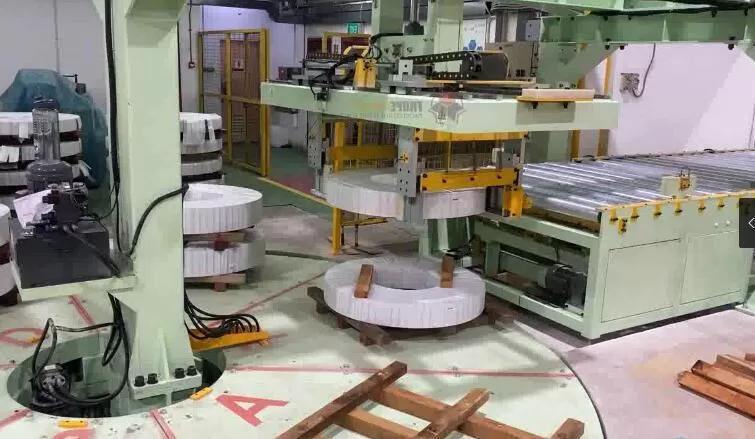
Successfully installing an automatic slit coil packing line is a complex undertaking that requires meticulous planning, diligent execution, and strong collaboration between your team and the equipment supplier. By carefully evaluating installation timelines influenced by factors like system complexity, facility readiness, required customization, automation levels, and integration needs, you can develop realistic project schedules and allocate resources effectively.
Understanding the typical installation phases, anticipating common challenges, accurately budgeting for all associated costs, thoroughly vetting supplier capabilities, and prioritizing comprehensive training are all critical elements. A well-planned and expertly managed coil packing line installation not only minimizes disruption but also sets the stage for achieving significant, long-term improvements in packaging efficiency, consistency, safety, and overall productivity within your metal coil packaging operations.