How to Assess a Pallet Inverter Supplier’s After-Sales Support

When investing in critical equipment like a pallet inverter, the initial purchase is just the beginning. The quality and reliability of after-sales support provided by the supplier are paramount. Neglecting this aspect can lead to extended equipment downtime, increased operational costs, and a diminished return on investment (ROI). Robust support ensures your pallet inverter operates efficiently throughout its lifespan. This guide outlines key factors for effectively assessing a potential supplier's after-sales service capabilities.
1. Evaluating the Significance of After-Sales Support
Pallet inverters are essential machines in many material handling operations. Like any complex mechanical system, they require periodic maintenance, potential repairs, and access to technical expertise. Effective after-sales support minimizes disruptions caused by unforeseen issues. Without it, businesses risk significant lost productivity and inflated maintenance expenditures.
Choosing a supplier committed to comprehensive support safeguards your investment. Key components include readily available technical assistance, prompt spare parts delivery, clear warranty coverage, and efficient repair services. Assessing these elements systematically is crucial for making an informed decision.
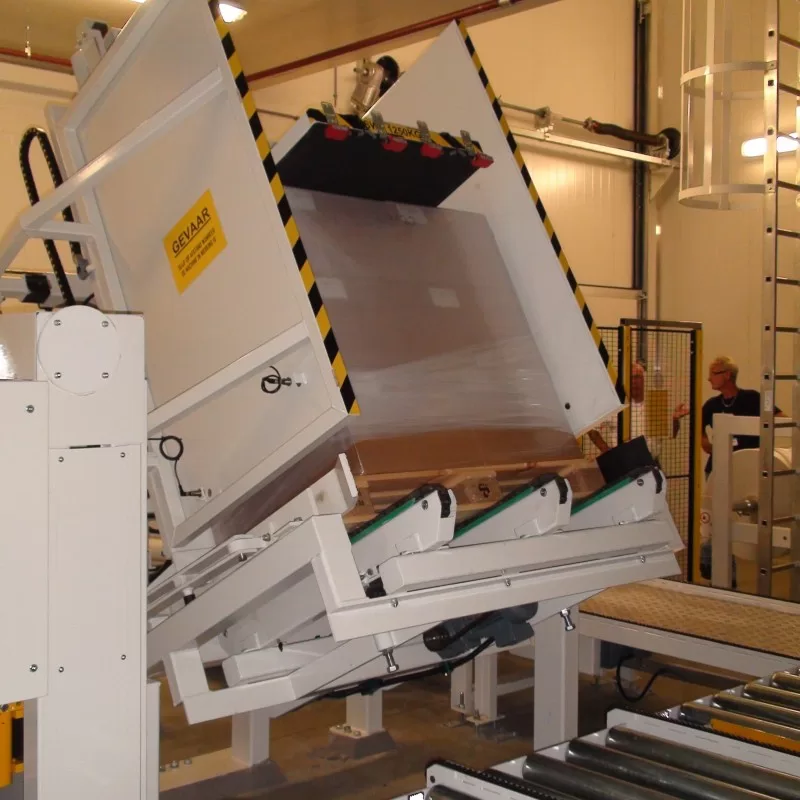
2. Assessing Response Time and Support Availability
Operational disruptions require swift solutions. A supplier's response time and the availability of their support team are critical metrics. Consider these questions when evaluating potential suppliers:
- Guaranteed Response Time: Do they offer specific Service Level Agreements (SLAs) for responding to service requests?
- Support Hours: Is technical support available 24/7, or limited to standard business hours? This is vital for multi-shift operations.
- Support Channels: What methods are available for support (phone, email, online portal)?
- Troubleshooting Methods: Do they provide remote diagnostics capabilities to resolve issues quickly, or are on-site technician visits readily available when needed?
A supplier offering timely, accessible support, ideally around the clock, demonstrates a strong commitment to minimizing your equipment downtime and supporting your operational continuity.
3. Verifying the Availability and Delivery of Spare Parts
The accessibility of spare parts is fundamental to effective after-sales support. Delays in obtaining necessary components can halt operations indefinitely. Investigate the supplier's spare parts management:
- Inventory Levels: Do they maintain a sufficient inventory of critical spare parts? Where are these parts stocked (regionally, centrally)?
- Lead Times: What are the typical delivery times for both common and less common parts?
- Part Sourcing: Are parts proprietary, or can standard components be sourced from third-party suppliers? Using original equipment manufacturer (OEM) parts is often recommended for optimal performance and warranty compliance.
- Logistics: How streamlined is their process for ordering and shipping parts?
A supplier with a well-managed spare parts inventory and efficient logistics ensures that necessary components are delivered promptly, reducing repair times and keeping your pallet inverter operational. Quick access to critical components is non-negotiable.
4. Investigating Training Programs and Onboarding Support
Effective after-sales support extends beyond reactive repairs; it includes proactive measures like comprehensive training and onboarding. Properly trained personnel operate equipment more safely and efficiently, and can often perform basic troubleshooting and preventative maintenance, reducing reliance on external support.
Inquire about the supplier's training offerings:
- Operator and Maintenance Training: Do they provide structured training programs tailored for both machine operators and your in-house maintenance staff?
- Training Content: Is the training comprehensive? Does it cover safe operation, routine maintenance procedures, basic troubleshooting, and specific features of your purchased model?
- Training Formats: Is training offered on-site, remotely, or through detailed documentation and video tutorials?
- Ongoing Training: Do they offer refresher courses or updates, especially if software or hardware features evolve?
A supplier investing in robust training empowers your team, optimizes equipment usage, helps identify potential issues early, and minimizes operator errors, ultimately reducing the need for frequent emergency support.
5. Understanding Warranty Terms and Service Contracts
The warranty offered by a supplier reflects their confidence in the equipment's quality and durability. However, carefully scrutinize the details:
- Warranty Duration: What is the standard warranty period?
- Coverage Details: Does the warranty cover parts and labor, or only specific components? What are the exclusions?
- Claim Process: How straightforward is the process for making a warranty claim?
- Extended Options: Are service contracts or extended warranties available for purchase after the initial period expires?
Beyond the standard warranty, inquire about Preventative Maintenance Agreements (PMAs). These contracts typically schedule regular inspections, lubrication, adjustments, and replacement of wear parts, proactively minimizing the risk of unexpected breakdowns and extending the lifespan of your pallet inverter.

6. Leveraging Customer Testimonials and Case Studies
Real-world feedback provides invaluable insights into a supplier's actual after-sales performance. Seek out customer testimonials, reviews, and detailed case studies, particularly from companies in your industry or with similar operational demands. Focus on feedback concerning:
- Responsiveness: How quickly did the supplier address service requests or emergencies?
- Problem Resolution: How effective and efficient were the repairs and maintenance services? Was the issue resolved correctly the first time?
- Technical Expertise: Was the support staff knowledgeable and helpful?
- Overall Satisfaction: Are clients generally satisfied with the long-term support relationship?
Don't hesitate to ask the supplier for customer references. Speaking directly with existing clients allows you to ask targeted questions about their experiences with after-sales support, providing candid insights that marketing materials might not reveal.
Conclusion: Securing Your Investment with Reliable Support
Choosing a pallet inverter supplier requires careful consideration that extends far beyond the initial machine specifications and price. The quality, responsiveness, and comprehensiveness of after-sales support are critical factors that directly impact your operational efficiency, maintenance costs, and overall ROI.
By thoroughly evaluating response times, spare parts availability, training programs, warranty terms, and seeking validation through customer feedback, you can partner with a supplier who provides reliable, long-term support. In the demanding environment of material handling, robust after-sales service is not a luxury—it's essential for ensuring your pallet inverter remains a productive and dependable asset for years to come. Prioritize support; it’s key to protecting your investment and achieving sustained operational success.
Get Your Best Solution !