
Reducing Operational Costs with Automatic Horizontal Stretch Wrappers for Plate Stacks
In the demanding environment of metal fabrication and distribution, optimizing every step of the process is key to maintaining competitiveness and profitability. Packaging, particularly for heavy and potentially unwieldy stacks of metal plates, presents a significant operational challenge. Manual or semi-automatic methods can be slow, labor-intensive, and inconsistent. An effective solution gaining traction is the automatic horizontal stretch wrapper, a technology designed specifically to streamline the packaging of plate stacks, leading to substantial operational cost reductions.
This article explores how implementing these automated systems can directly impact your bottom line through increased efficiency, reduced waste, and improved safety.
What is an Automatic Horizontal Stretch Wrapper?
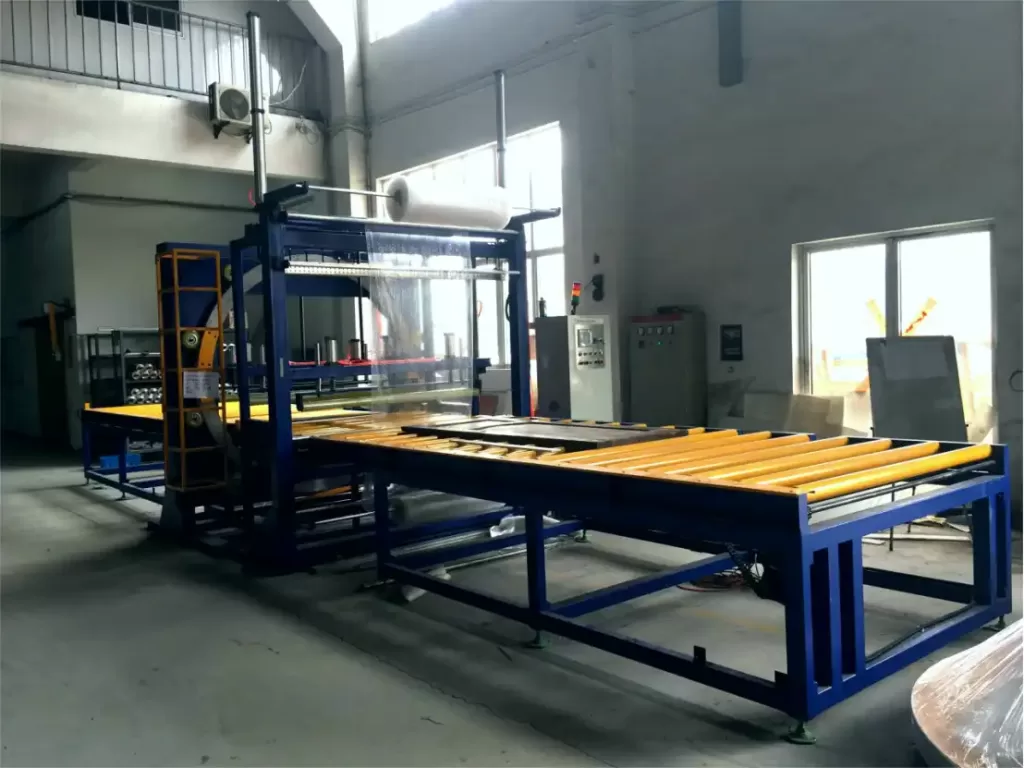
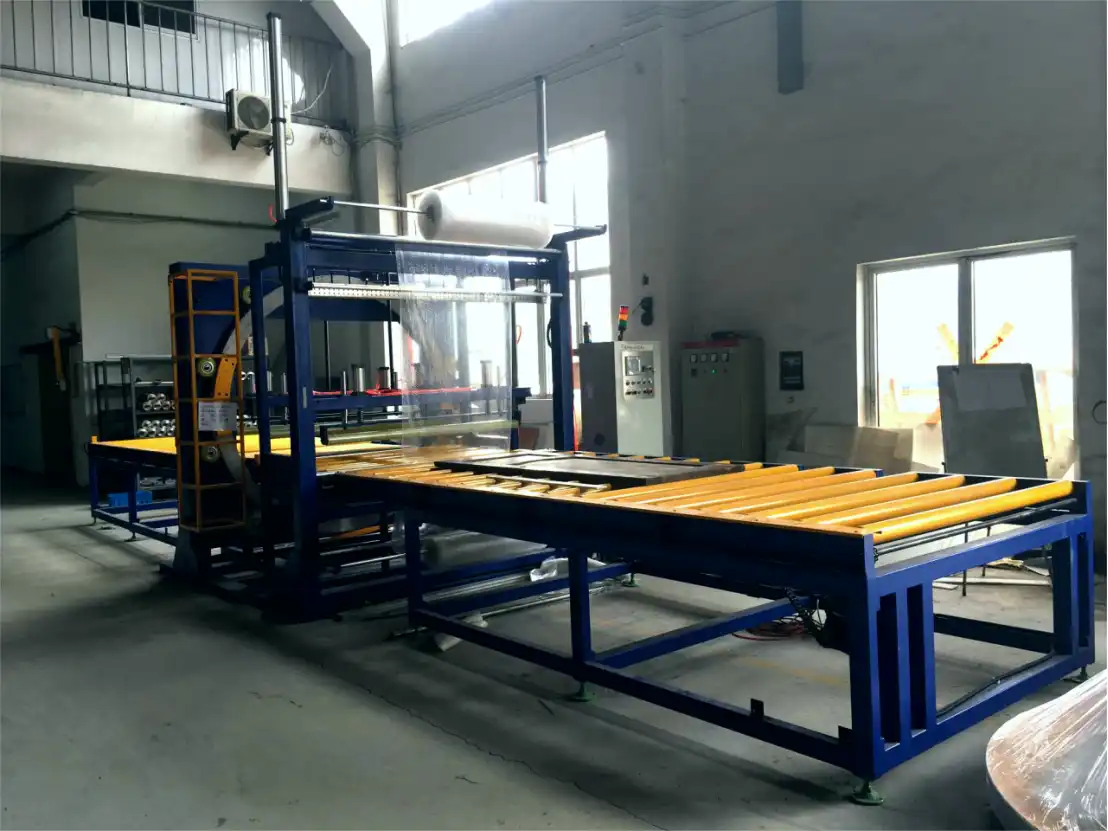
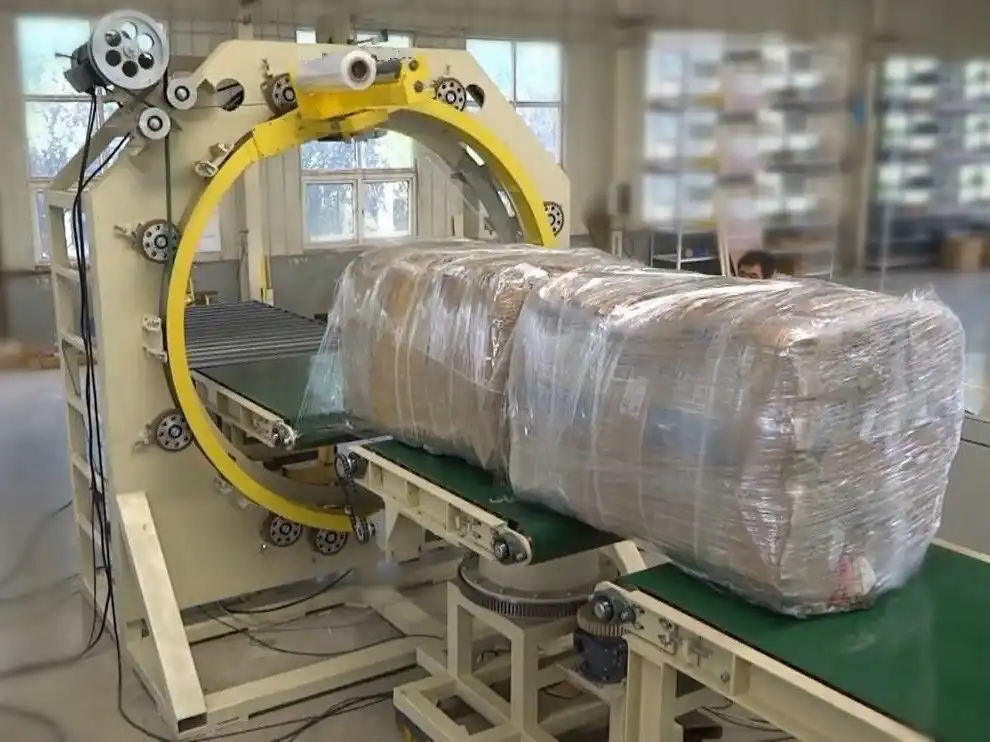
An automatic horizontal stretch wrapper is specialized packaging machinery engineered to apply stretch film around horizontally oriented loads, such as stacks of metal plates, sheets, or long profiles. Unlike vertical wrappers common for palletized goods, the horizontal configuration allows the plates to pass through a rotating ring or arm that dispenses the film.
Key components typically include:
- An infeed and outfeed conveyor system.
- A rotating ring or arm carrying the stretch film roll and pre-stretch mechanism.
- Film clamping, cutting, and sealing units.
- A programmable logic controller (PLC) for managing wrapping cycles and parameters.
The automated nature means the machine handles the entire wrapping process—feeding the stack, wrapping it according to pre-set parameters, and discharging it—with minimal operator intervention.

Boosting Efficiency and Throughput
One of the most immediate benefits of automation is a significant increase in packaging efficiency.
- Speed: Automatic wrappers operate much faster than manual methods, capable of processing a higher number of plate stacks per hour. This directly increases throughput capacity.
- Consistency: Automated cycles ensure every stack is wrapped identically, eliminating variations common with manual wrapping.
- Integration: These machines can be seamlessly integrated into existing production or processing lines, creating a continuous flow from cutting or finishing to final packaging, minimizing bottlenecks.
horizontal oribital bubble film wrapper Slashing Labor and Material Costs
Operational costs are heavily influenced by labor and material consumption. Automatic horizontal wrappers address both:
- Reduced Labor: Automating the wrapping process significantly decreases the need for manual labor dedicated to this task. Operators can be reassigned to more value-added activities, reducing direct labor costs and associated expenses like training and benefits.
- Optimized Film Usage: Modern wrappers feature powered pre-stretch systems that can stretch the film by 200-300% or more before application. This means less film is used per wrap compared to manual application, leading to substantial material savings over time. Precise control ensures only the necessary amount of film is applied consistently.
Ensuring Load Integrity and Protection
Stacks of metal plates require secure containment for safe handling, storage, and transport.
- Load Stability: Consistent film tension and wrapping patterns create a stable, unitized load, reducing the risk of shifting or collapse during movement. This is crucial for heavy plate stacks.
- Product Protection: The stretch film provides a protective barrier against dust, moisture, and surface scratches, maintaining the quality of the plates from the plant to the customer.
- Reduced Damage: Secure wrapping minimizes in-transit damage, leading to fewer customer complaints, returns, and replacement costs.
Enhancing Workplace Safety
Manual wrapping of large, heavy stacks poses ergonomic risks and potential safety hazards.
- Ergonomics: Automation eliminates the need for workers to manually handle heavy film rolls or repeatedly bend and stretch around loads, reducing the risk of musculoskeletal injuries.
- Accident Prevention: Removing manual intervention minimizes the chances of accidents associated with handling heavy materials or interacting with moving machinery in an uncontrolled manner. This contributes to lower insurance premiums and fewer lost workdays. (See relevant OSHA guidelines on material handling)
Flexibility for Varied Production Needs
Fabricators often handle plates of different dimensions and stack configurations. Modern automated horizontal wrappers offer considerable flexibility:
- Adjustable Parameters: Wrapping cycles, tension levels, and the number of wraps can be easily adjusted via the control panel to suit different load sizes and stability requirements.
- Versatility: Many machines can handle a wide range of product dimensions (length, width, height) without requiring significant changeover time.
Calculating the Return on Investment (ROI)
While the initial capital expenditure for an automatic wrapper can seem significant, the return on investment (ROI) is often compelling and relatively fast. Key factors contributing to ROI include:
- Labor Savings: Reduced FTEs or redeployed labor hours.
- Material Savings: Lower stretch film consumption due to pre-stretch.
- Increased Throughput: Higher volume processed per shift.
- Damage Reduction: Lower costs associated with damaged products and returns.
- Improved Safety: Reduced costs related to workplace injuries.
Businesses typically see payback periods ranging from one to three years, depending on volume and operational specifics. (Explore internal resources on calculating equipment ROI)
Real-World Applications in Metal Processing
Automatic horizontal stretch wrappers are particularly beneficial for:
- Metal Service Centers: High-volume processing and distribution require efficient, reliable packaging.
- Plate Processors: Operations involving cutting, leveling, or finishing plates benefit from integrated automated wrapping.
- Large Fabricators: Companies handling substantial quantities of plate material for internal projects or external shipment can achieve significant cost savings.
The consistent, secure wrap provided by these machines ensures that valuable metal products arrive at their destination in optimal condition.
Conclusion: A Strategic Investment for Cost Control
In summary, automatic horizontal stretch wrappers for plate stacks offer a multi-faceted solution for reducing operational costs in metal fabrication and processing environments. By enhancing packaging efficiency, significantly cutting labor and material expenses, improving load stability and protection, and promoting workplace safety, these machines represent a strategic investment. For companies looking to optimize their end-of-line packaging processes and gain a competitive edge, evaluating the implementation of automated horizontal wrapping technology is a critical step toward greater profitability and operational excellence. (Find suppliers of automated packaging equipment)