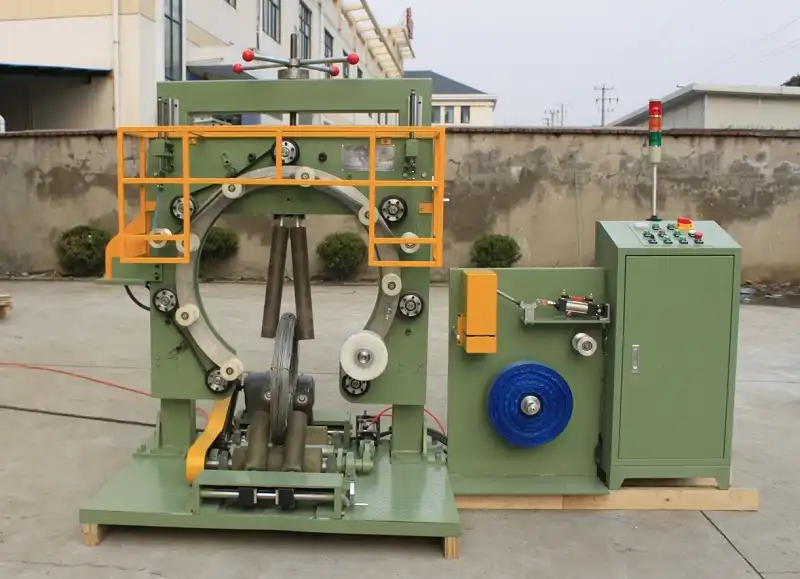
In today's manufacturing landscape, optimizing efficiency and ensuring precision are paramount. Coil wrapping machines play a crucial role by automating the packaging of industrial coils, such as steel, aluminum, wire, and copper, safeguarding them during transit and storage. As industries and production needs evolve, a key question arises: Can these essential coil wrapping machines be customized to meet specific operational requirements?
Exploring coil wrapping machine customization reveals a wide range of possibilities. Options extend from modifying machine dimensions to accommodate unique coil sizes (both inner and outer diameters, width, and weight) to integrating sophisticated control systems for enhanced automation and data logging. Customization aims not just to boost functionality but to precisely align the machine's capabilities with unique production demands, potentially leading to significant time savings, reduced operational costs, and improved overall packaging efficiency.
Let's delve into the specifics of customizing these industrial packaging solutions.
1. How Does Customization Impact Coil Wrapping Efficiency?
1.1. Tailoring Machine Dimensions and Mechanics
Operational efficiency often begins with physical compatibility. A primary customization involves adjusting the coil wrapping machine's structure to handle specific coil dimensions and weights. Standard machines may struggle with unusually large, small, narrow, or heavy coils, leading to manual intervention or inefficient wrapping.
Consider a steel service center processing coils of varying widths and diameters. Customizing their wrapping machine to automatically adjust rollers and shuttle rings to match each coil's specific size can dramatically reduce changeover times. One facility reported a 30% reduction in setup time after implementing such adjustments, directly boosting throughput and reducing labor costs.
Beyond size, mechanical customizations can include:
- Adjustable Tension Control: Ensuring delicate materials like aluminum or finished copper wire are wrapped securely but gently, preventing damage.
- Specialized Roller Configurations: Using specific roller materials (e.g., polyurethane) or profiles to support and rotate coils without marking sensitive surfaces.
- Varied Wrapping Materials: Adapting the machine to handle different types of packaging materials, such as stretch film, VCI (Volatile Corrosion Inhibitor) paper or film, crepe paper, or woven belts, based on product protection requirements.
1.2. Integrating Advanced Control Systems and Automation
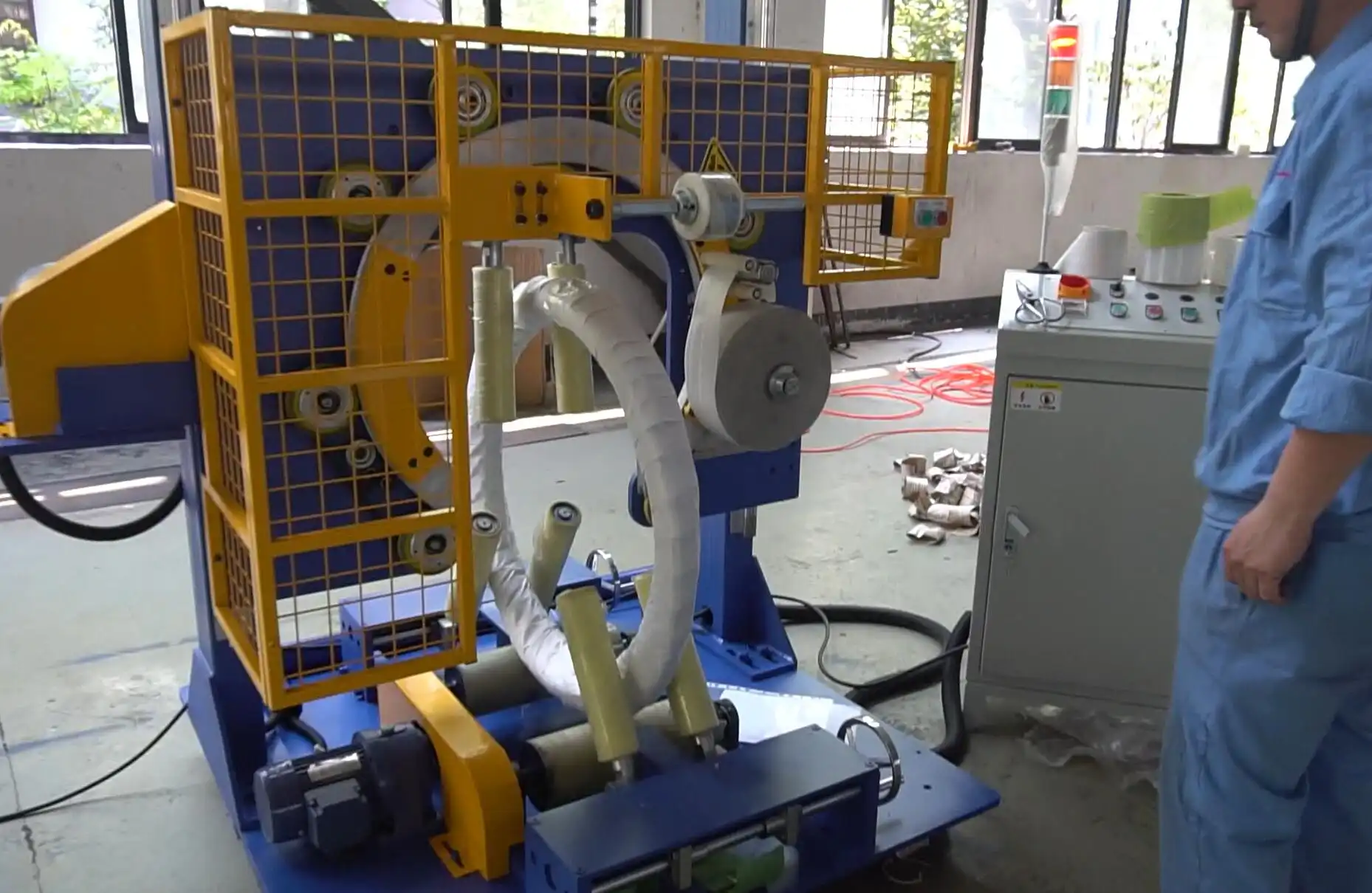
Modern control technology significantly enhances the efficiency and capability of customized coil wrapping machines. Integration possibilities include:
- Programmable Logic Controllers (PLCs): Allowing operators to easily program and recall specific wrapping "recipes" (e.g., wrap speed, film overlap percentage, tension levels, number of wrap layers) for different coil types, ensuring consistency and reducing setup errors.
- Human-Machine Interfaces (HMIs): Providing intuitive touchscreen controls for operation, diagnostics, and parameter adjustments.
- Integration with Production Lines: Connecting the wrapper to upstream and downstream equipment (e.g., coil cars, tilters, conveyors, banding machines) for seamless, fully automated packaging flow.
- IoT Connectivity: Enabling remote monitoring of machine status, performance tracking (OEE - Overall Equipment Effectiveness), predictive maintenance alerts, and integration with plant-level Manufacturing Execution Systems (MES) or Enterprise Resource Planning (ERP) systems for better data management.
Imagine tracking the packaging parameters and status of every wrapped coil in real-time. IoT-enabled systems make this possible, providing valuable data for quality control, process optimization, and inventory management.
1.3. Balancing Cost vs. Long-Term Benefits
Customization involves investment, so a thorough cost-benefit analysis is essential. Manufacturers must weigh the initial expenditure against the potential long-term gains:
- Reduced Labor Costs: Automation features minimize manual handling and adjustments.
- Increased Throughput: Faster cycle times and reduced changeovers boost output.
- Improved Product Protection: Consistent, optimized wrapping reduces damage during handling and shipping.
- Material Savings: Precise control over film stretch and overlap can minimize packaging material consumption.
- Enhanced Safety: Automated processes reduce worker exposure to moving machinery and heavy loads.
For example, a wire manufacturer handling both steel and copper wire coils invested in a customized wrapper adaptable to both product lines. This avoided the cost of a second machine and streamlined their packaging process, yielding significant operational savings within the first year. However, excessive customization ("feature creep") can lead to unnecessary complexity and cost. The key is identifying modifications that provide tangible returns on investment.
2. What Key Factors Influence Coil Wrapper Customization Decisions?
2.1. Assessing Detailed Production Requirements
Effective customization starts with a deep dive into your specific production needs. Document key parameters meticulously:
- Coil Specifications: Minimum/maximum Inner Diameter (ID), Outer Diameter (OD), width, weight, and material type (steel, aluminum, copper, wire, cable, hose, etc.).
- Packaging Material(s): Type (stretch film, VCI, paper), width, roll diameter, core size.
- Required Throughput: Coils per hour or shift needed to meet production targets.
- Operating Environment: Space constraints, temperature, humidity, cleanliness levels.
- Integration Needs: Interfaces with existing conveyors, cranes, IT systems.
- Specific Challenges: Issues with current packaging methods (e.g., product damage, bottlenecks, safety concerns).
Consulting with your engineering, production, maintenance, and safety teams is crucial. Their practical insights ensure customizations address real-world operational challenges effectively.
2.2. Collaborating Closely with the Machine Manufacturer
Selecting an experienced machine manufacturer capable of handling customization is vital. Look for suppliers with a proven track record in your industry or with similar applications. Provide them with your detailed requirements assessment.
A collaborative partnership involves:
- Transparent Communication: Clearly conveying needs, expectations, and budget constraints.
- Design Review: Examining proposed machine designs, simulations, or prototypes to ensure they meet requirements.
- Technical Expertise: Leveraging the manufacturer's knowledge to select appropriate technologies and features.
- Future-Proofing: Discussing potential future needs and ensuring the machine design allows for scalability or upgrades.
A strong manufacturer relationship facilitates smooth implementation, effective training, and reliable after-sales support, including spare parts availability and technical assistance.
2.3. Planning for Testing, Installation, and Training
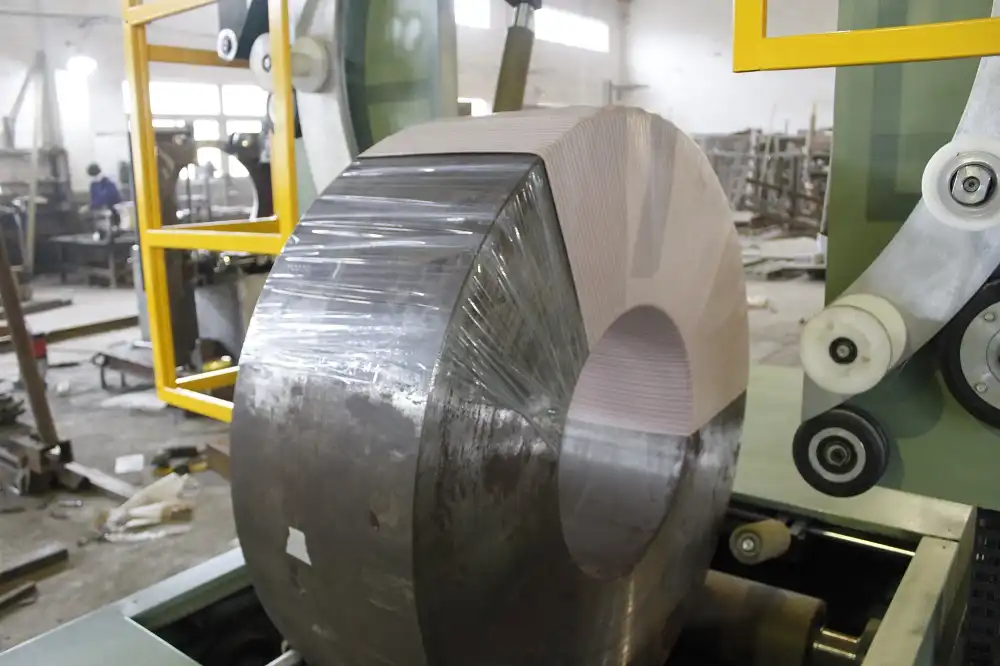
Before shipment, insist on thorough Factory Acceptance Testing (FAT) at the manufacturer's facility, ideally using your actual coil products and wrapping materials. This verifies that the customized machine performs according to agreed-upon specifications.
Site Acceptance Testing (SAT) after installation confirms performance in your operational environment. Ensure the plan includes:
- Safety Compliance: Verification against relevant safety standards (e.g., ISO 12100 for machinery safety).
- Performance Validation: Testing across the full range of specified coil sizes and weights, achieving target cycle times and wrap quality.
- Operator and Maintenance Training: Comprehensive training programs are essential for efficient operation and long-term reliability.
- Documentation: Receiving complete manuals for operation, maintenance, troubleshooting, and spare parts.
3. Are There Limitations to Customizing Coil Wrapping Machines?
3.1. Recognizing Technological and Physical Boundaries
While highly flexible, customization isn't limitless. Certain requests might face constraints:
- Physics and Mechanics: Extremely high wrapping speeds might compromise wrap quality, stability, or safety. Wrapping exceptionally heavy or awkwardly shaped coils might require significantly complex and costly engineering solutions.
- Technology Maturity: While automation is advanced, certain complex tasks might still be more reliably or cost-effectively performed manually or semi-automatically.
- Component Availability: Highly specialized components might have longer lead times or fewer sourcing options.
It's crucial to discuss feasibility frankly with the manufacturer. Sometimes, a phased approach or alternative solutions might be more practical than pushing technological limits unnecessarily.
3.2. Navigating Practical Implementation Challenges
Customization projects can encounter practical hurdles:
- Longer Lead Times: Designing, engineering, and building a custom machine naturally takes longer than ordering a standard model.
- Integration Complexity: Ensuring the customized wrapper communicates seamlessly with existing plant systems can require specialized programming and testing.
- Maintenance Considerations: Highly specialized machines may require specific maintenance expertise or unique spare parts, potentially increasing downtime if not planned for.
Proactive project management, clear communication, realistic timelines, and adequate contingency planning are essential to mitigate these potential challenges.
3.3. Balancing Cutting-Edge Innovation with Proven Reliability
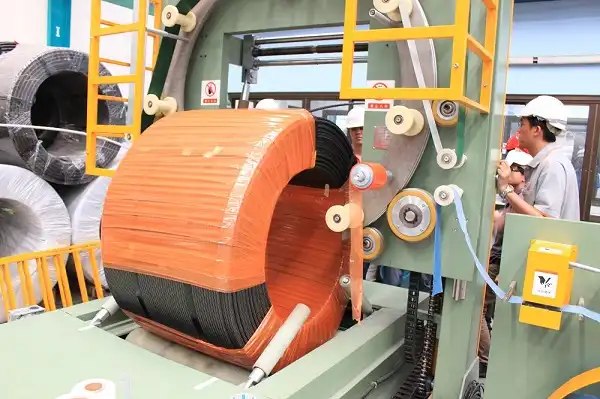
While adopting the latest technology is appealing, prioritize features that deliver tangible benefits for your specific operation. An AI-powered diagnostic system might be impressive, but if simpler, proven condition monitoring tools meet your needs reliably and cost-effectively, they might be the better choice.
The most effective customization often strikes a balance between incorporating beneficial innovations and relying on robust, field-proven technologies. The goal is enhanced productivity and efficiency without introducing unnecessary operational complexity or reliability risks.
4. How to Choose the Right Customizations for Your Coil Wrapping Needs?
4.1. Defining Clear Operational Goals and KPIs
Before selecting specific features, clearly define what you aim to achieve. Are your primary goals:
- Increasing packaging throughput (coils/hour)?
- Reducing packaging material costs per coil?
- Minimizing product damage during handling/shipping?
- Improving operator safety?
- Reducing labor requirements?
- Enhancing packaging consistency and quality?
- Integrating packaging data with plant systems?
Having measurable Key Performance Indicators (KPIs) tied to these goals helps prioritize customizations that will deliver the most significant impact and allows you to measure the success of the investment later.
4.2. Evaluating Available Technologies and Features
Based on your goals and requirements, explore the range of available customization options with potential manufacturers. Consider features like:
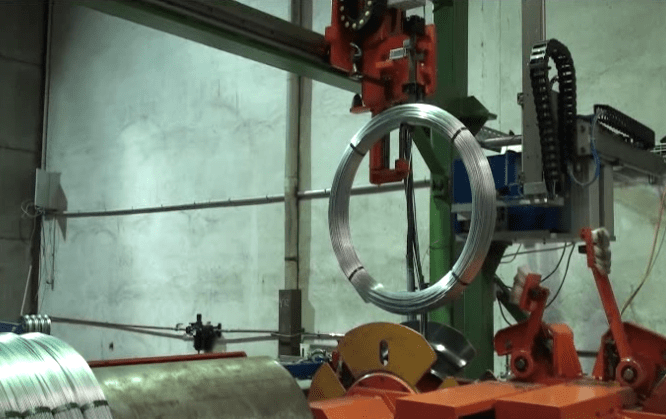
- Automatic Coil Loading/Unloading Systems: Integration with coil cars, tilters, upenders, conveyors.
- Multiple Wrapping Material Dispensers: For applying different layers (e.g., VCI film + stretch film).
- Automatic Cut and Clamp Systems: For fully automated start and end of the wrap cycle.
- Top Sheet Applicators: For additional protection on the top/bottom faces of the coil.
- Weighing Systems: Integrated scales for recording coil weight.
- Labeling/Marking Systems: Automatic application of labels or direct marking on the package.
- Safety Systems: Light curtains, safety fencing, emergency stops compliant with standards.
Evaluate each potential feature against your operational goals, budget, and the expected return on investment.
4.3. Establishing a Realistic Budget and Timeline
Customization requires a clear budget that accounts for the machine cost, shipping, installation, integration, training, and potential spare parts inventory. While cost is a major factor, prioritize features based on their projected ROI and contribution to your core objectives.
A lower initial cost might be appealing, but consider the Total Cost of Ownership (TCO). Investing more upfront in energy-efficient components, robust construction, or features that reduce material waste can lead to greater long-term savings. Be transparent with potential suppliers about your budget constraints to explore feasible solutions.
Similarly, establish realistic timelines with the manufacturer, factoring in design, approval, manufacturing, testing, shipping, and installation phases. Build in buffers for potential unforeseen delays.
Conclusion: Tailoring Coil Wrapping for Optimal Performance
Coil wrapping machines are indispensable assets in many industrial sectors. Customizing these machines allows businesses to elevate their packaging operations beyond standard capabilities, aligning equipment performance directly with specific production needs. Whether it involves adapting dimensions, integrating advanced automation, or accommodating special handling requirements, tailored solutions can yield substantial improvements in efficiency, product protection, cost savings, and safety.
Successful customization hinges on a thorough understanding of operational requirements, clear goal setting, careful evaluation of technological options, realistic budgeting, and close collaboration with an experienced machine manufacturer. By approaching customization strategically, companies can transform their coil wrapping process into a streamlined, efficient, and value-adding part of their production workflow.
Key Takeaway
Customizing a coil wrapping machine is not merely about adding features; it's about strategically engineering a solution that precisely fits unique production demands, maximizes efficiency, and delivers a tangible return on investment through careful planning and collaboration.
Get Your Best Solution !