2024 Automation Trends and Developments in Steel Coil Packaging
As automation continues to reshape industries globally, the steel coil packaging sector is experiencing significant transformation. In recent years, automation has become crucial for improving efficiency, safety, and sustainability within this demanding field. The evolution of steel coil packaging, driven by advanced technologies and automated processes, has markedly reduced reliance on manual labor, minimized human error, and boosted overall production capacity. Entering 2024, the landscape of automation in steel coil packaging continues to evolve, bringing forth exciting new trends and technological advancements.
This article explores the latest automation trends shaping steel coil packaging, examines the critical roles of robotics, Artificial Intelligence (AI), and the Internet of Things (IoT), and discusses how these innovations are defining the industry's future.
The Role of Automation in Steel Coil Packaging
The steel coil packaging process traditionally involves wrapping steel coils with protective materials like paper, plastic, or metal sheeting to prevent corrosion and physical damage during transport and storage. Historically, this was a labor-intensive, multi-step manual process. The introduction of automation has revolutionized this workflow, making it faster, more consistent, and considerably safer.
Automation in steel coil packaging spans a range of technologies, from automated wrapping machines that precisely apply protective layers to sophisticated robotic arms that handle heavy steel coils with accuracy. These automated systems not only enhance productivity but also critically reduce the risk of workplace injuries, a major concern in heavy industrial settings. For example, solutions such as automatic coil tilters (down-enders) and automated strapping machines have largely eliminated strenuous manual tasks, delivering reliable, consistent performance with minimal human oversight.
Top Automation Trends in 2024
1. Enhanced Robotic Integration in Packaging Processes
A dominant trend in 2024 is the expanding deployment of robotics throughout the steel coil packaging workflow. Robotic arms, equipped with advanced sensors and controlled by AI-driven systems, are increasingly taking over tasks previously performed manually. These robots excel at lifting, rotating, positioning, and wrapping steel coils with exceptional precision and repeatability. Systems like automated turnstiles integrated with robotic arms can efficiently manage multiple coils simultaneously, significantly boosting throughput while decreasing the need for manual intervention. This leads directly to higher productivity, reduced labor costs, and more dependable packaging quality.

2. Artificial Intelligence and Machine Learning Optimization
The integration of Artificial Intelligence (AI) and Machine Learning (ML) is fundamentally improving steel coil packaging operations. AI systems analyze vast amounts of data gathered from sensors across the packaging line to optimize processes in real-time, predict potential equipment failures, and proactively recommend preventive maintenance. This predictive capability drastically cuts downtime and enhances Overall Equipment Effectiveness (OEE). Furthermore, machine learning algorithms continuously learn from historical operational data, refining packaging parameters and processes for progressively better efficiency and quality over time.
3. Internet of Things (IoT) Connectivity
The integration of the Internet of Things (IoT) into steel coil packaging systems is another pivotal trend. IoT-enabled devices embedded in machinery collect real-time operational data, enabling superior monitoring and control over the entire packaging process. Through IoT connectivity, manufacturers gain invaluable insights into equipment performance, can track the status and condition of steel coils throughout the packaging stages, and optimize logistics across the supply chain. Integration with Manufacturing Execution Systems (MES) and Enterprise Resource Planning (ERP) systems further centralizes data, enhancing visibility and decision-making for overall operational efficiency.

4. Automated Quality Control Systems
In 2024, automated quality control (AQC) systems are becoming increasingly vital in steel coil packaging. These sophisticated systems utilize high-resolution cameras, various sensors, and AI-powered software to meticulously inspect packaging quality in real-time. Any detected defects, inconsistencies, or deviations from standards can be flagged and addressed immediately, ensuring that steel coils receive optimal protection. This not only minimizes material waste and rework but also significantly elevates the final packaging quality. Technologies like sensor-based encoders for precise measurement of coil dimensions contribute to accurate and effective packaging.
5. Focus on Sustainability and Green Packaging Solutions
With growing environmental awareness, sustainability has become a primary driver in steel coil packaging innovation. Automation is instrumental in advancing green packaging solutions. Automated systems are meticulously engineered to minimize material consumption, facilitate the use of eco-friendly packaging materials (like recyclable or biodegradable options), and optimize processes to reduce overall energy usage. For instance, modern automated coil wrapping machines are calibrated to apply protective materials efficiently, using the minimum amount necessary without compromising coil protection. In 2024, expect continued adoption of sustainable automation solutions aligned with corporate environmental responsibility goals. [Consider linking to relevant environmental standards or organizations, e.g., ISO 14001].
6. Rise of Collaborative Robots (Cobots)
Collaborative robots, or cobots, represent a growing trend. Designed to work safely alongside human personnel, cobots are equipped with advanced safety sensors and protocols. This allows them to operate in shared workspaces without extensive safety fencing. Cobots are particularly effective for tasks requiring a blend of human dexterity or judgment and robotic strength or precision, such as intricate material handling, final inspection assistance, or tool handling. The adoption of cobots in steel coil packaging lines is expected to increase in 2024, enhancing flexibility and augmenting human capabilities.
7. Implementation of Advanced Wrapping Technologies
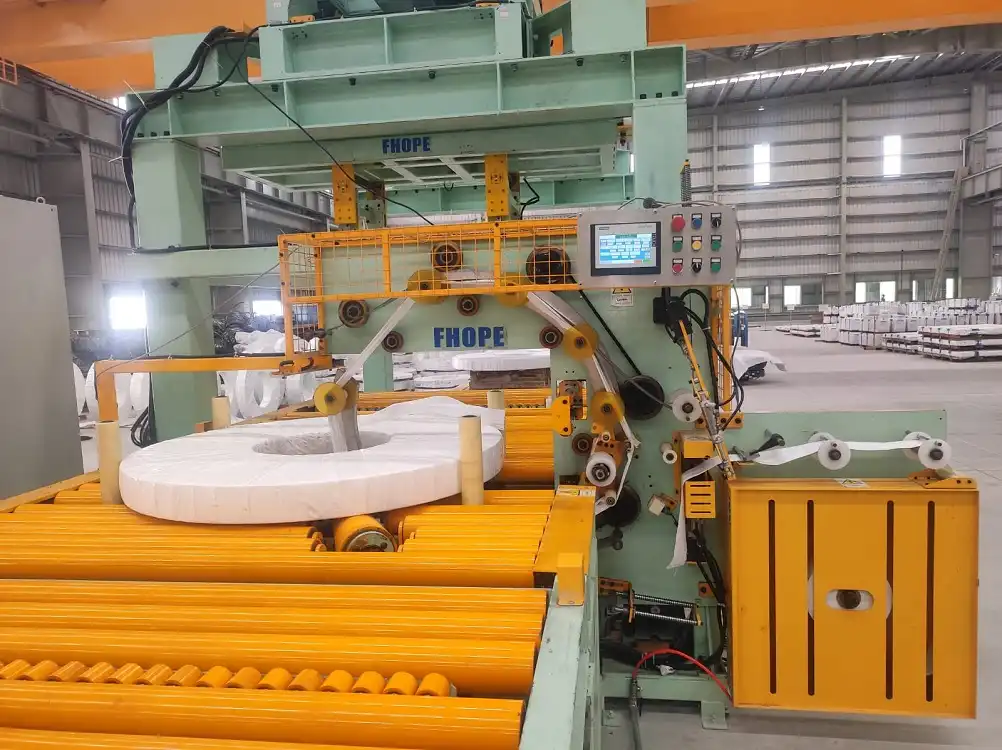
Advanced wrapping technologies continue to gain prominence as automation progresses. Newer wrapping machines incorporate smart technology, enabling them to automatically adjust parameters like wrapping tension, rotational speed, and the type or amount of wrapping material based on the specific dimensions, weight, and requirements of each individual steel coil. These intelligent machines ensure coils are wrapped securely and consistently, minimizing the risk of damage from shifting or environmental factors during transit and storage.
8. Integration of Digital Twins
In 2024, digital twin technology is poised to significantly impact steel coil packaging operations. A digital twin is a dynamic virtual representation of a physical asset or system, such as a specific packaging machine, an entire packaging line, or even the broader production environment. This technology allows manufacturers to simulate, monitor, analyze, and optimize their packaging processes in a virtual space without disrupting live production. By creating a detailed digital model, companies can test different configurations, predict bottlenecks, simulate the impact of changes, and refine strategies for efficiency improvements before physical implementation.
Digital twins are also invaluable for predictive maintenance. By analyzing real-time data streamed from IoT sensors and machine logs on the physical equipment, the digital twin can predict potential failures, enabling proactive maintenance scheduling and minimizing costly unplanned downtime. Furthermore, digital twins help optimize machine performance parameters and packaging accuracy, ensuring steel coils are handled optimally and protected effectively. [Consider linking to articles or resources explaining digital twin technology in manufacturing].
9. Adoption of End-to-End Automation Solutions
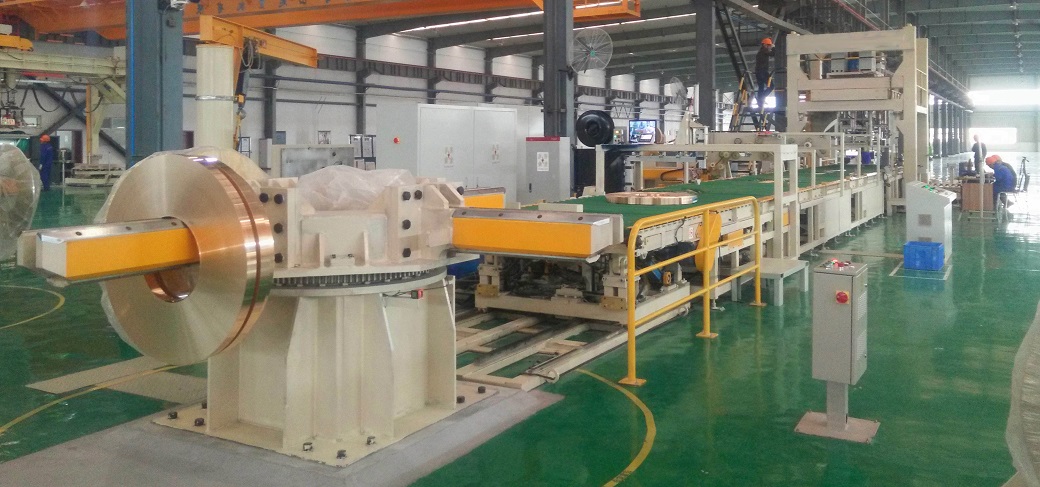
End-to-end automation signifies the automation of the entire steel coil packaging workflow – from initial coil handling and preparation through wrapping, strapping, labeling, and final palletizing or dispatch. In 2024, more companies are investing in comprehensive, integrated automation solutions that streamline every step. These systems seamlessly link various automated machines – including coil turnstiles, tilters (down-enders), wrapping machines, strapping machines (both PET and steel), and automated guided vehicles (AGVs) – ensuring smooth transitions between stages.
By minimizing manual touchpoints, end-to-end automation significantly reduces the potential for human error, enhances process consistency, boosts throughput, and accelerates overall production cycles. For example, an automated coil turnstile can precisely position multiple coils for subsequent wrapping or strapping without manual handling, while an automated strapping machine applies PET or steel straps with consistent tension and placement, crucial for securing coils against damage during transport. These integrated solutions often connect directly with MES/ERP systems, providing comprehensive, real-time data on production rates, material consumption, quality metrics, and inventory status.
10. Increased Focus on Cybersecurity in Automated Systems
As automation systems become increasingly interconnected via IoT, PLCs, and cloud platforms, their vulnerability to cybersecurity threats grows. Packaging machines integrated into larger networks handle sensitive production data and are often linked to broader supply chain management systems. Consequently, the risk of cyberattacks targeting these connected devices is a rising concern. In 2024, a heightened emphasis on implementing robust cybersecurity protocols is essential to protect automated steel coil packaging lines.
A successful cyberattack could disrupt production schedules, compromise data integrity, delay shipments, or even affect the physical operation of machinery, potentially leading to safety hazards or equipment damage. Implementing measures such as advanced data encryption, network segmentation, secure firewalls, regular security audits, and real-time threat monitoring are critical for safeguarding these increasingly complex and vital automated systems. [Consider linking to cybersecurity standards like NIST or ISA/IEC 62443].
Benefits of Automation in Steel Coil Packaging
The strategic adoption of automation technologies in steel coil packaging delivers substantial advantages beyond simple operational speed:
- Increased Efficiency: Automated systems streamline workflows, drastically reducing the cycle time required for wrapping, strapping, handling, and preparing steel coils for shipment.
- Cost Savings: Automation significantly lowers operational expenditures by reducing direct labor requirements, minimizing errors that lead to rework or material waste, and optimizing the use of packaging consumables.
- Improved Safety: Automating tasks, particularly the handling of heavy and unwieldy steel coils, removes workers from potentially hazardous situations, drastically reducing the risk of workplace injuries and fostering a safer operational environment.
- Consistency and Quality: Automation ensures uniform application of packaging materials and consistent handling procedures, leading to higher, more reliable packaging quality. Integrated AQC systems further guarantee that standards are met consistently.
- Data-Driven Insights: The integration of IoT, AI, and data analytics provides access to valuable real-time operational data. This empowers manufacturers to optimize processes, implement effective predictive maintenance strategies, and make better-informed strategic decisions.
Challenges of Automation in Steel Coil Packaging
Despite the compelling benefits, implementing automation in steel coil packaging presents certain challenges that companies need to address:
- High Initial Investment: The upfront capital expenditure for purchasing, installing, and commissioning advanced automated machinery and control systems can be significant. Costs also include software licenses and potentially extensive training for personnel.
- Integration Complexity: Integrating new automated equipment, especially with existing legacy systems or machinery from different vendors, can be technically complex and may require specialized expertise or system integrators. Compatibility issues might necessitate modifications or phased implementations.
- Maintenance Requirements and Downtime: Automated systems rely on sophisticated components that require regular, skilled maintenance to ensure longevity and optimal performance. Unplanned downtime due to equipment failure can halt production, highlighting the need for robust preventive and predictive maintenance programs.
- Need for Skilled Workforce: While reducing manual labor, automation increases the demand for skilled technicians capable of operating, monitoring, troubleshooting, and maintaining complex automated systems. Upskilling the existing workforce or recruiting new talent is often necessary.
Future Outlook for Steel Coil Packaging Automation
The trajectory for steel coil packaging automation remains strongly positive. As technologies like AI, IoT, and robotics continue to mature and become more accessible, further innovations promising enhanced efficiency, greater cost-effectiveness, and improved sustainability are expected. The development of highly autonomous packaging systems, requiring minimal human intervention and capable of self-optimization through advanced AI and machine learning, represents a key area of future development.
Robotics will likely see further advancements, with robots becoming faster, more adaptable, and capable of handling an even wider range of coil sizes, weights, and complexities with increased dexterity. Sustainability will undoubtedly remain a central theme, driving innovation in biodegradable and recyclable packaging materials, ultra-efficient machinery design, and closed-loop recycling initiatives within packaging operations to meet both regulatory pressures and market demands for environmentally conscious practices.
Conclusion
The year 2024 signifies a pivotal period for automation within the steel coil packaging industry. Driven by the powerful convergence of robotics, AI, IoT, advanced sensors, and a strong push towards sustainability, the sector is undergoing profound transformation. Automation delivers compelling benefits in operational efficiency, workplace safety, packaging quality, and cost reduction, making it a strategic imperative for companies aiming to remain competitive in the evolving steel industry landscape. While challenges exist, the ongoing advancements promise a future where steel coil packaging is smarter, faster, safer, and more environmentally responsible.