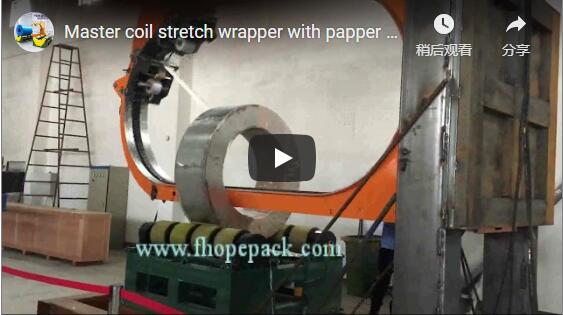
Sintesi Questo video mostra una linea completa di confezionamento di bobine di filo di acciaio zincato in funzione in uno stabilimento. Un operatore carica una bobina di filo argentato su un vassoio di alimentazione, dei trasportatori a rulli motorizzati spostano la bobina lungo la linea e un robot multiasse rosso con un effettore terminale a ventosa preleva e posiziona le bobine avvolte a forma di anello di colore giallo. Il filmato mostra le fasi di movimentazione, trasferimento e avvolgimento; non vengono mostrati dati relativi a capacità nominale, dimensioni, tempo di ciclo, modello, potenza o certificazione, che devono quindi essere verificati con il produttore.
Perché questo video è importante se si confezionano bobine di filo
Se acquistate, gestite o effettuate la manutenzione di attrezzature per l'imballaggio di filo metallico in bobina, il modo più rapido per valutare una linea è vederla in funzione. Questo video offre circa un minuto di riprese continue di una linea di imballaggio di filo di acciaio zincato in funzione, filmata in un vero stabilimento con gli operatori presenti. Potete vedere come le bobine entrano nella linea, come si spostano tra le stazioni e come un robot gestisce gli anelli avvolti successivamente.
Lo scopo di questo articolo è distinguere ciò che il filmato dimostra effettivamente da ciò che non dimostra. Tutto ciò che è riportato nelle sezioni di osservazione seguenti proviene direttamente dal video. Qualsiasi altra informazione, come i dati relativi alla capacità, le dimensioni delle bobine o le specifiche del materiale di imballaggio, è fornita a titolo informativo generale e si consiglia di contattare il produttore per conferma prima di basare una decisione di acquisto su tali informazioni.
Cosa mostra il video: la macchina in azione, passo dopo passo
Il filmato ripercorre l'intero processo, dal carico alla movimentazione da parte del robot. Ecco cosa succede, in ordine:
- Caricamento manuale (0:00–0:05). Un operatore di sesso maschile, con indosso una tuta da lavoro grigio chiaro, si avvicina alla macchina e posiziona una bobina di filo metallico argentato sul vassoio di alimentazione. Il nastro trasportatore giallo e la console di controllo della macchina sono ben visibili. Sullo sfondo si vede un capannone di fabbrica con grandi bobine di filo accatastate lungo la parete.
- Alimentazione automatica (dal minuto 0:05 in poi). La macchina introduce automaticamente la bobina. Trasportatori motorizzati con rulli neri trasportano la bobina dall'area di alimentazione verso la zona di lavorazione. La telecamera inizia una lenta panoramica da sinistra a destra lungo la linea.
- Percorso della bobina lungo la linea (0:05–1:05). La panoramica mostra diversi gruppi di macchine in funzione in sequenza. Le bobine si muovono costantemente lungo il nastro trasportatore. In diversi punti, un anello di plastica giallo si sposta sul nastro trasportatore accanto alle bobine di filo: sembra far parte del processo di imballaggio o fissaggio.
- Monitoraggio da parte degli operatori (0:25–0:45). Un operatore di sesso maschile con una maglia scura è in piedi accanto alla macchina e la osserva in funzione. Successivamente, sullo sfondo si vede un'operatrice di sesso femminile con una maglia bianca al lavoro. La linea continua a funzionare senza intervento manuale durante queste fasi.
- Prelievo robotizzato (filmato del lotto 2, 0:00–0:15). Un robot industriale multiasse rosso con un effettore terminale a ventosa è posizionato sopra un trasportatore a rulli. Abbassa l'effettore terminale, afferra un pezzo in lavorazione giallo a forma di anello (una bobina già parzialmente avvolta) e lo solleva, liberandolo dal trasportatore.
- Posizionamento sulla postazione di confezionamento (0:15–0:25). Il robot posiziona l'anello su una piattaforma rotante nell'unità di confezionamento. La piattaforma ruota mantenendo il pezzo in posizione: questa è la fase di avvolgimento con film estensibile. Il robot torna alla sua posizione di standby mentre la piattaforma continua a girare.
- Ciclo successivo (0:25–0:40). Il robot preleva un altro anello da una pila, lo posiziona sul nastro trasportatore e si sposta verso la pila successiva. Il movimento di prelievo e posizionamento si ripete continuamente.
- Sovrapposizione (filmato del batch 3). In una terza ripresa, lo stesso robot rosso afferra una pila di circa cinque o sei anelli gialli contemporaneamente, li solleva, li trasferisce attraverso la cella e posiziona la pila su un pallet. Quindi torna in posizione di prelievo per il carico successivo.
L'intera sequenza mostra una linea progettata in modo che una persona carichi all'inizio, macchine e nastri trasportatori si occupino del trasferimento, una stazione di avvolgimento fissi le bobine e un robot gestisca le operazioni più pesanti di prelievo, posizionamento e impilamento alla fine.
Note di osservazione diretta
Le seguenti note si attengono fedelmente a quanto visibile nel filmato, con solo lievi modifiche grammaticali per una migliore leggibilità.
- Telaio principale della macchina: metallo grigio; sezioni del nastro trasportatore e alcune strutture sono gialle; alcune parti strutturali sono nere.
- Componenti principali osservati: sistema di trasporto a rulli (rulli neri), vassoio di alimentazione, console di controllo (monitor e tastiera), un robot multiasse rosso con effettore terminale di aspirazione, un'unità di confezionamento con piattaforma rotante e anelli di plastica gialli utilizzati nel processo di confezionamento.
- Disposizione: la linea è lunga e lineare, disposta lungo la direzione di produzione. La console di controllo si trova a un'estremità della macchina. Da sinistra a destra: area di stoccaggio delle bobine grezze, trasportatore a rulli, robot, unità di confezionamento, con un quadro di controllo bianco montato sul lato della macchina.
- Console di controllo: include un display e una tastiera. Il display mostra un'interfaccia operativa; la tastiera viene utilizzata per l'inserimento dei dati. Il secondo quadro di controllo mostra un display, pulsanti verdi e rossi e spie luminose per avvio, arresto e stato. Il testo visualizzato sullo schermo non è leggibile. Nei primi esemplari, sul lato della macchina è presente una scritta in cinese con la dicitura "配电源" (alimentazione).
- Prodotto: bobine di filo metallico argentato (simile al filo di acciaio zincato), superficie liscia con lucentezza metallica, senza difetti visibili. Le bobine avvolte presentano una pellicola di plastica giallo brillante sopra il metallo, con il filo argentato visibile all'interno.
- Proporzioni del prodotto: le bobine sono grandi rispetto alla macchina: il diametro del pezzo ad anello è circa il doppio della lunghezza dei rulli del trasportatore.
- Movimentazione del prodotto: le bobine si muovono orizzontalmente sul nastro trasportatore; l'orientamento rimane invariato durante il trasporto. Quando il robot solleva un anello, questo rimane sospeso per un breve istante, poi si posiziona in piano sulla piattaforma rotante e ruota orizzontalmente con esso.
- Dispositivi di rilevamento/sensori: sul nastro trasportatore e sull'unità di confezionamento sono visibili diversi sensori, utilizzati per rilevare la posizione e lo stato del pezzo in lavorazione.
- La filigrana è visibile in tutto il filmato: "FHOPEGROUP" e "PACKING SOLUTION FOR YOU" nell'angolo in alto a sinistra; "FHOPE" sul lato della macchina nei fotogrammi successivi.
- Ambiente industriale: sullo sfondo si vedono grandi bobine di filo, file di finestre, una struttura del tetto in metallo, pile di scatole di cartone, un ventilatore verticale e una fila di grandi serbatoi cilindrici argentati visibili nelle inquadrature più ampie.
Struttura della macchina in sintesi
| Componente | Osservato nel video | Funzione apparente |
|---|---|---|
| Vassoio di alimentazione | L'operatore posiziona la bobina di filo su di essa all'inizio | Punto di carico manuale nella linea |
| Trasportatore a rulli | Rulli neri, telaio giallo, funziona ininterrottamente | Trasferisce automaticamente le bobine tra le stazioni |
| Robot multiasse rosso | Effettore terminale di aspirazione, a sei assi | Prende gli anelli avvolti, li posiziona, impila le bobine finite |
| Piattaforma di confezionamento rotante | Gira con una bobina fissata su di esso | Tiene ferma la bobina durante l'applicazione della pellicola di avvolgimento. |
| Console di controllo | Monitor + tastiera a un'estremità | Interfaccia operativa e input |
| Cabina di controllo | Schermo, pulsanti verdi/rossi, spie luminose | Avvio/arresto e stato dell'unità di confezionamento |
| Sensori | Unità multiple su nastro trasportatore e avvolgitore | Rilevamento della posizione e dello stato del pezzo |
Questo elenco di componenti si basa sull'osservazione, non su una scheda tecnica. La costruzione esatta, i materiali e le specifiche dei componenti devono essere confermati con il produttore.
Ciò che il video non mostra
Il filmato è informativo, ma un acquirente non può ricavarne specifiche tecniche. I seguenti elementi non sono visibili in nessuna parte del video:
- Capienza stimata — non vengono mostrati né visualizzati dati relativi al numero di bobine prodotte all'ora o alla produttività.
- Dimensioni — lunghezza, larghezza, altezza e ingombro della macchina non sono specificati.
- Tempo di ciclo — nessun ciclo completo, dall'ingresso all'uscita, viene cronometrato sullo schermo.
- Numero del modello — nessuna targhetta del modello della macchina è leggibile.
- Potenza — tensione, frequenza e potenza installata non sono visualizzate.
- Certificazioni — non sono presenti marchi CE, certificazioni di sicurezza o etichette di qualità.
- Hardware di sicurezza — In nessuna inquadratura sono visibili pulsanti di arresto di emergenza, barriere di protezione, barriere fotoelettriche, segnali di avvertimento o dispositivi di interblocco. Ciò non significa che la linea ne sia sprovvista; semplicemente la telecamera non li rileva. Verificare la dotazione di sicurezza direttamente con il produttore.
- Specifiche del robot — Mancano informazioni su carico utile del robot, portata, ripetibilità, dettagli del sistema di controllo e pressione di aspirazione.
- Gamma di dimensioni della bobina — il video mostra una dimensione di bobina; le dimensioni minime e massime accettabili per le bobine non sono specificate.
Considerate il video come prova del concetto e del funzionamento generale, non come un documento di specifiche.
Dove si adatta una linea come questa
In base a quanto visibile, questa configurazione si adatta agli impianti che imballano grandi quantità di prodotti metallici in bobina e desiderano ridurre la movimentazione manuale tra l'imballaggio e la spedizione:
- Produttori di filo di acciaio zincato che necessitano di bobine uniformi, avvolte in pellicola e pronte per la spedizione.
- Impianti di trafilatura e avvolgimento del filo dove le bobine escono dalla linea di avvolgimento già abbastanza pesanti da rendere il trasferimento manuale lento o rischioso.
- Produttori di articoli metallici simili a forma di anello — bobine di cavi, rotoli di tubi flessibili e pezzi ad anello simili — poiché l'effettore finale del robot e l'avvolgitore rotante hanno una forma specifica.
- Strutture con manodopera di imballaggio limitata, dove attualmente gli operatori trascorrono i loro turni sollevando, imballando e impilando a mano.
La sezione di valutazione derivata dell'analisi evidenzia anche una limitazione da prendere seriamente in considerazione: le stazioni di movimentazione e confezionamento sembrano essere progettate per una specifica forma e dimensione di anello. Gli impianti che utilizzano prodotti di diverse dimensioni dovrebbero chiedere al produttore come funzionano i cambi di formato e quali modifiche agli utensili sono necessarie. Si consiglia di verificare con il produttore prima di effettuare l'ordine.
Vista dell'operatore: ecco come si presenta la linea di produzione.
Dalle immagini si evince che il ruolo umano su questa linea è di supervisione piuttosto che fisico:
- Un operatore carica le bobine sul vassoio di alimentazione. Questa è l'unica fase di movimentazione del prodotto chiaramente manuale mostrata.
- Altri operatori sono in piedi lungo la linea di produzione e osservano il processo. Nessun operatore viene mostrato mentre tocca il prodotto dopo il caricamento iniziale, regola la pellicola o impila manualmente le bobine.
- Il robot e il nastro trasportatore gestiscono tutta la movimentazione dei prodotti tra il punto di carico e il pallet.
Per un responsabile di stabilimento, ciò implica che il fabbisogno di personale per turno sia probabilmente basso, ma il numero esatto di operatori e il livello di competenza richiesto dovrebbero essere confermati con il produttore. Si noti inoltre l'osservazione sulla sicurezza derivante: il raggio d'azione del robot è ampio, quindi il personale deve mantenere una distanza di sicurezza dai macchinari in movimento durante il funzionamento. Poiché nel filmato non sono visibili protezioni, barriere fotoelettriche o pulsanti di arresto di emergenza, è opportuno chiedere nello specifico quali dispositivi di sicurezza sono inclusi e dove sono installati.
Cosa verificare con il produttore
Prima di confrontare i preventivi, ponetevi queste domande:
- Capacità nominale dell'intera linea: bobine all'ora per la dimensione della bobina selezionata.
- Intervallo di diametro, larghezza e peso accettabili per le bobine, e modalità di cambio formato.
- Tempo totale del ciclo, dal caricamento manuale all'impilamento e all'avvolgimento della bobina.
- Dispositivi di sicurezza inclusi: pulsanti di arresto di emergenza, protezioni, barriere fotoelettriche, dispositivi di interblocco e relative posizioni di montaggio.
- Ingombro, altezza e requisiti di carico a pavimento della macchina.
- Requisiti di alimentazione e consumo energetico dell'impianto installato.
- Tipologia di pellicola di imballaggio e consumo per bobina.
- Programma di manutenzione, disponibilità dei pezzi di ricambio e condizioni di assistenza post-vendita.
FAQ
La linea avvolge automaticamente le bobine? Il video mostra una piattaforma rotante che sostiene un anello avvolto in pellicola gialla mentre ruota, il che è coerente con un avvolgimento automatico con film estensibile. L'applicazione della pellicola non è mostrata in primo piano, quindi si consiglia di verificare il metodo di avvolgimento e il tipo di pellicola con il produttore.
Il caricamento è manuale o automatico? Nel filmato il caricamento è manuale: un operatore posiziona la bobina di filo sul vassoio di alimentazione e la macchina fa il resto. Non viene mostrato se esiste un'opzione di caricamento automatico: si consiglia di verificare con il produttore.
Il robot è in grado di gestire bobine di diverse dimensioni? Il video mostra un pezzo ad anello di una specifica dimensione. Il robot utilizza un effettore terminale a ventosa, che sembra essere adatto a quella dimensione. La compatibilità con altre dimensioni non è dimostrata; si consiglia di verificare la gamma di dimensioni gestibili prima dell'acquisto.
Di quante persone ha bisogno la linea? Il filmato mostra gli operatori intenti solo a caricare e osservare. La linea sembra richiedere un numero minimo di addetti durante la fase di produzione, ma non viene specificato il numero esatto di persone raccomandate: si consiglia di verificare con il produttore.
Quali dispositivi di sicurezza sono inclusi? Nessuno è visibile nel video: non compaiono in nessuna inquadratura né pulsante di arresto di emergenza, né barriera fotoelettrica, né segnaletica, né dispositivi di interblocco. Si tratta di un problema di inquadratura, non di una prova di assenza. Richiedete al produttore le specifiche di sicurezza complete.
La linea è destinata esclusivamente al filo di acciaio zincato? I prodotti mostrati sono bobine di filo argentato e anelli avvolti in giallo, compatibili con filo di acciaio zincato e prodotti simili avvolti. L'analisi suggerisce che sia adatta a oggetti metallici ad anello in generale, ma l'esatta gamma di prodotti deve essere confermata con il produttore.
Fonte e metodo
Questo articolo si basa su un singolo video di una linea di confezionamento di filo di acciaio zincato. Il filmato è stato analizzato fotogramma per fotogramma utilizzando un modello locale di linguaggio visivo su fotogrammi campionati. Il video contiene solo musica di sottofondo: non c'è narrazione e non è stata effettuata alcuna conversione da parlato a testo. Tutte le affermazioni nelle sezioni di osservazione derivano da ciò che è visibile nei fotogrammi; tutto ciò che non è visibile è elencato nella sezione "Cosa il video non mostra" anziché essere dato per scontato.
Lettura correlata
- Soluzioni per linee di confezionamento di fili metallici
- Reggiatrice in filo d'acciaio
- Linea di confezionamento automatica delle bobine
- Linea di confezionamento tubi d'acciaio automatica
- Panoramica della linea di confezionamento automatica
Passo successivo
Se questa linea corrisponde alle dimensioni delle bobine e al volume di confezionamento che gestite, il passo successivo è quello di confrontarci su dati concreti: le dimensioni delle vostre bobine, la produttività desiderata e la planimetria del vostro impianto. Visitate la pagina dei contatti per richiedere un preventivo, porre le domande di verifica sopra riportate o organizzare una visita a una linea simile in funzione prima di impegnarvi.
Pubblicato: 03/09/2026