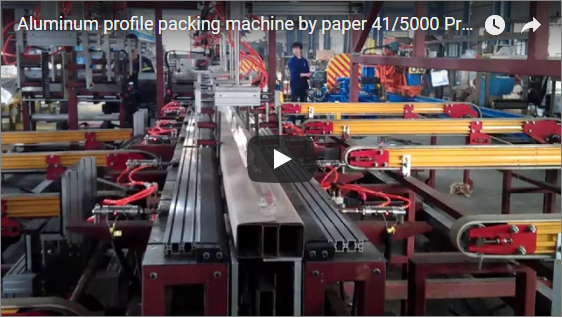
Resumo executivo Este guia aborda a embaladora orbital horizontal para o envase de barras de alumínio, permitindo que você escolha a máquina ideal para embalar barras e feixes. O design orbital horizontal movimenta um anel de embalagem ao redor de um feixe estacionário alimentado longitudinalmente, o que é adequado para feixes longos de barras que uma plataforma giratória não consegue girar facilmente. A máquina aplica filme stretch em camadas sobrepostas controladas nas extremidades do anel e do feixe, opera com um CLP com IHM e aceita programas de embalagem predefinidos. Este artigo explica como a máquina funciona, as faixas de especificações típicas, as opções de filme e como selecionar a mais adequada.
Conteúdo
- Qual a função do revestimento de alumínio da haste?
- O desafio da embalagem para barras e feixes de alumínio
- Como funciona o invólucro orbital horizontal
- Anel orbital versus revestimento de toca-discos
- Faixa de especificações típica para avaliação
- Programas de encapsulamento: controle PLC e IHM
- Filme extensível e pré-estiramento
- Benefícios operacionais para processadores de alumínio
- Lista de verificação de seleção
- Operação e manutenção
- Perguntas frequentes sobre engenharia
- Próxima etapa
- Leitura relacionada
- Fontes e normas
Qual a função do revestimento de alumínio da haste?
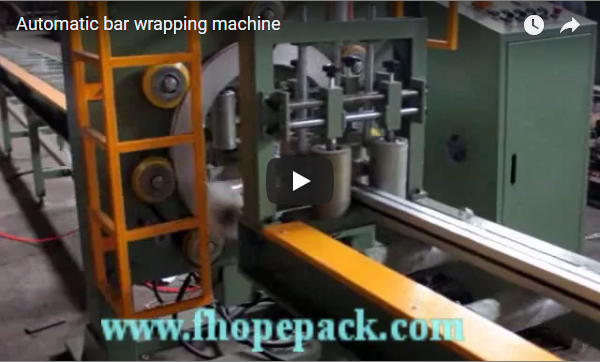
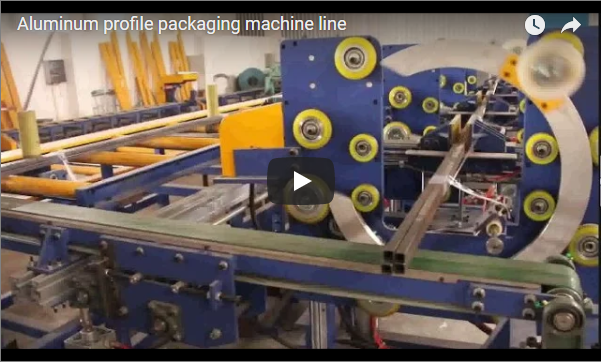
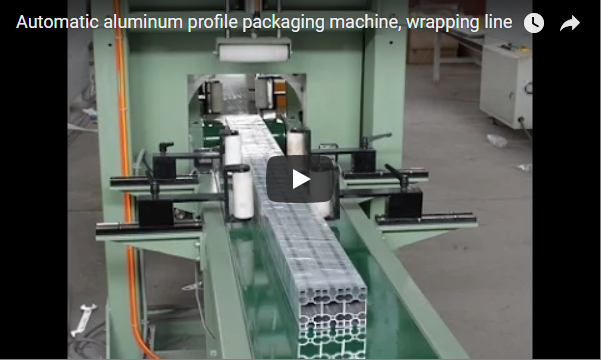
A embaladora de barras de alumínio aplica filme stretch em torno de feixes de barras de alumínio já moldadas, garantindo que os perfis permaneçam unidos durante o manuseio, armazenamento e transporte. Uma embaladora orbital horizontal é uma das configurações de máquina utilizadas para essa função. Um anel que transporta o filme gira em torno de um feixe que se move longitudinalmente pela máquina. Esse método é adequado para feixes longos de barras e perfis que não giram bem em uma plataforma giratória.
A máquina fica alinhada com o sistema de formação de feixes e envolve cada feixe à medida que chega. O resultado é uma película protetora firme e sobreposta que cobre toda a extensão do feixe, com um acabamento reforçado nas extremidades.
O desafio da embalagem para barras e feixes de alumínio
Extrusões, barras e perfis de alumínio possuem valor significativo, mas são macios na superfície. Durante o manuseio e transporte pós-produção, as falhas comuns são arranhões superficiais, oxidação por umidade, perfis soltos e deslocados, e sujeira em superfícies desprotegidas.
O enrolamento manual é lento e inconsistente, e não protege bem as pontas. Uma máquina de enrolar automática aplica a mesma tensão e cobertura em cada maço, o que é a principal diferença em relação ao trabalho manual.
Como funciona o invólucro orbital horizontal
A embaladora funciona como parte da linha de embalagem, geralmente logo após a máquina de formação de feixes.
O feixe de alumínio formado é transportado para a estação de embalagem por uma entrada, com os produtos longos centralizados através do anel . O feixe permanece imóvel enquanto um anel de embalagem transporta o rolo de filme e gira ao seu redor, depositando o filme ao longo do feixe à medida que este passa ou conforme o anel avança. O filme é aplicado sob tensão controlada, e um mecanismo de pré-estiramento o estica antes de atingir o feixe para melhorar o rendimento e a contenção.
Ao final do ciclo, o filme é fixado e cortado, e o acabamento é limpo ou selado ao pacote para que não haja pontas soltas. O pacote embalado é então transportado para armazenamento ou expedição. Uma breve intervenção do operador na troca do rolo de filme e na seleção do programa mantém o restante do ciclo automático.
Anel orbital versus revestimento de toca-discos
Os dois sistemas diferem na forma como o movimento relativo ocorre. Em uma embaladora orbital horizontal, a carga permanece alinhada e o anel de filme se move ao redor dela, o que se adapta a pacotes contínuos alimentados longitudinalmente por uma esteira.
Em uma enroladora de mesa giratória, o feixe gira sobre uma plataforma enquanto o carro de filme se move, o que é adequado para feixes mais curtos e cargas mais leves ou estáveis. Feixes longos de varetas são difíceis de girar, portanto, o anel orbital geralmente é a opção mais prática para linhas de varetas e barras de alumínio. O peso, o comprimento do feixe e o layout da linha determinam a configuração.
Faixa de especificações típica para avaliação
Os números abaixo representam intervalos típicos para avaliação em toda a classe de máquinas, não especificando um modelo individual. Para o revestimento de perfis individuais e seções transversais menores , os perfis podem ser agrupados para usar a mesma linha. Os valores exatos são confirmados com base nos seus pacotes por projeto.
| Parâmetro da máquina | Faixa típica (para avaliação) |
|---|---|
| Comprimento do feixe (L) | 1000–6000+ mm |
| Largura do feixe (L) | 100 – 600 mm |
| Altura do feixe (H) | 100 – 600 mm |
| Peso máximo do pacote | até 2000 kg |
| Velocidade de embrulho | 10 a 30 pacotes por hora |
| Velocidade de rotação do anel | 10–25 rpm, ajustável (seleção por projeto) |
| Tipo de filme | Filme stretch LLDPE |
| Largura do filme | Largura padrão de 500 mm; larguras personalizadas de acordo com a seção transversal do feixe e os requisitos de sobreposição, conforme o projeto. |
| Pré-estiramento do filme | ajustável até 250–300% |
| Fonte de energia | 380 V / 50 Hz / trifásico ou padrão regional |
| Sistema de controle | CLP com IHM touchscreen |
| Padrões e interface | ISO 12100, EN 415-10, EN ISO 13849-1, sinal PLC |
Programas de encapsulamento: controle PLC e IHM
O controle é feito por um CLP com uma IHM touchscreen. Os operadores armazenam programas de embalagem predefinidos e os recuperam por produto ou pedido, de modo que a máquina não precisa ser reconfigurada para cada tipo de pacote. O programa define o número de voltas no início e no fim do pacote, a quantidade de sobreposição do filme, a tensão do filme e a velocidade de embalagem. Ele também adiciona sobreposição de filme em pontos designados, como as extremidades do pacote.
A capacidade de armazenar vários programas oferece flexibilidade em toda a gama de produtos. Alterar parâmetros no ecrã tátil é simples e os diagnósticos na interface homem-máquina (IHM) agilizam a resolução de problemas quando surge uma falha.
Filme extensível e pré-estiramento
A máquina utiliza filme stretch de LLDPE, o material padrão para este tipo de embalagem. A largura do filme é ajustada ao perfil do pacote, geralmente a partir de um rolo de 500 mm, e a taxa de pré-estiramento é ajustável até 250–300% para economia de filme.
O pré-estiramento é importante porque estica o filme antes que ele entre em contato com o fardo. O filme que chega à carga já está alongado, portanto, menos material proporciona a mesma contenção, e o custo operacional por fardo diminui em comparação com o enfardamento manual. A qualidade do filme, as bordas do fardo e o nível de proteção necessário determinam a tensão e as configurações de camadas para cada projeto.
Benefícios operacionais para processadores de alumínio
Uma embaladora automática transforma a economia da linha de acabamento. Consistência significa a mesma tensão e sobreposição em cada pacote, garantindo a integridade da embalagem. A confiabilidade vem de uma máquina construída para uso industrial, com verificações rotineiras nos rolos, correias e no mecanismo de corte e fixação do filme.
A linha libera a mão de obra que era consumida pelo empacotamento manual, aumenta a produtividade e economiza filme graças ao pré-estiramento. A segurança melhora porque os operadores não precisam mais se abaixar para alcançar os pacotes em movimento; cortinas de luz ou proteções físicas fazem parte do conjunto de medidas de segurança, e dispositivos de pressão suspensos podem impedir o deslocamento dos pacotes no anel. Um pacote embalado uniformemente também transmite qualidade ao cliente final.
Lista de verificação de seleção
Envie-nos essas informações ao dimensionar o revestimento de alumínio para hastes, e confirmaremos a configuração e as opções de acordo com a sua linha de produção para cada projeto.
| item | O que confirmar por projeto |
|---|---|
| Perfil do pacote | Dimensões C/L/A, pacote mais longo e mais pesado |
| Peso do pacote | kg, em relação à classificação da máquina |
| Direção de alimentação | em conformidade com seu sistema de criação de pacotes |
| Velocidade da linha | meta de pacotes por hora |
| Qualidade e largura do filme | mm, perfil e nível de proteção correspondentes |
| Fonte de energia | Tensão / Hz / fase no seu local |
| Padrões e interface | ISO 12100, EN 415-10, EN ISO 13849-1, sinal PLC |
Operação e manutenção
Uma vez programada, a máquina funciona com mínima atenção do operador, exceto para a troca do rolo de filme. Um sistema de troca rápida de filme minimiza o tempo de inatividade quando um rolo acaba.
A manutenção de rotina abrange os rolos, as correias e o mecanismo de corte e fixação do filme. Mantenha o percurso do filme limpo de resíduos, siga o cronograma de lubrificação do manual e utilize o diagnóstico da IHM (Interface Homem-Máquina) quando ocorrer uma falha. As proteções e cortinas de luz permanecem instaladas e são verificadas como parte da ronda diária.
Perguntas frequentes sobre engenharia
P: Qual a diferença entre uma embaladora orbital horizontal e uma embaladora de plataforma giratória? R: Uma embaladora orbital horizontal move um anel de filme em torno de um feixe estacionário alimentado longitudinalmente. Uma embaladora de plataforma giratória gira o feixe enquanto o carro de filme se move.
P: Por que escolher o enrolador orbital horizontal para barras de alumínio? R: Feixes longos de barras não giram bem em uma mesa giratória, e o anel orbital os enrola na direção de alimentação em uma única passada.
P: Quais são os tamanhos típicos de feixes que ele suporta? R: Os tamanhos típicos variam de 1000 a mais de 6000 mm de comprimento e de 100 a 600 mm nas outras duas dimensões, confirmados por projeto.
P: Qual é o peso máximo do feixe? R: As máquinas desta classe normalmente suportam até 2000 kg ou mais, e a capacidade é confirmada para o feixe mais pesado de cada projeto.
P: Quanto filme o pré-estiramento economiza? R: O pré-estiramento é ajustável em até 250–300%, o que alonga mecanicamente o filme antes da aplicação e reduz o consumo em comparação com a embalagem manual. A economia exata depende da situação inicial e é confirmada para cada projeto.
P: É possível processar diferentes tipos de pacotes sem necessidade de reprogramação? R: Sim. As configurações predefinidas no CLP armazenam programas de embalagem separados para cada tipo de pacote ou cliente, e a troca do filme leva apenas alguns minutos.
P: É necessário ter pessoas perto do pacote em movimento? R: Não. O processo de embalagem é realizado com contato mínimo do operador, e proteções ou cortinas de luz protegem a área de embalagem.
Próxima etapa
A configuração e as opções corretas dependem do perfil do seu pacote de cabos, da velocidade da linha e do layout, portanto, o dimensionamento começa com alguns dados.
- Envie as dimensões do seu pacote, peso máximo, velocidade da linha e preferência de filme para info@fhopepack.com.
- Confirmamos o arranjo orbital, o programa de enrolamento e as opções para a sua linha.
- Fornecemos um desenho de layout e uma vistoria do local em até 48 horas.
- Fornecemos orçamentos para cada projeto, incluindo a integração com a esteira transportadora e os testes de película.
Última revisão: 09/10/2026
Leitura relacionada
- Envolvedora orbital horizontal automática: cobertura total em uma única passada
- Tecnologia de enrolamento em linha para bobinas de aço laminado a frio
- Prevenção de telescopagem, arranhões superficiais e deformação das bordas ao enrolar bobinas de aço delicadas.
- Análise cinemática e de forças do processo automatizado de inclinação, cintagem e envolvimento de bobinas de metais não ferrosos.
- Linha de produtos do site principal da FHOPE
Fontes e normas
- ISO 12100:2010 — Segurança de máquinas: Princípios gerais para o projeto
- EN 415-10:2014 — Segurança de máquinas de embalagem: Requisitos gerais
- EN ISO 13849-1:2023 — Componentes de sistemas de controle relacionados à segurança: Segurança funcional
- EN ISO 14120:2015 — Proteções para máquinas: Requisitos gerais