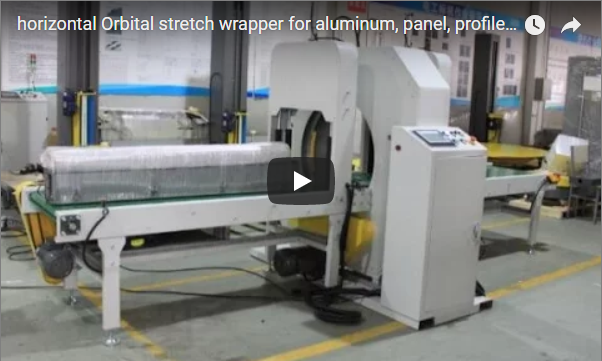
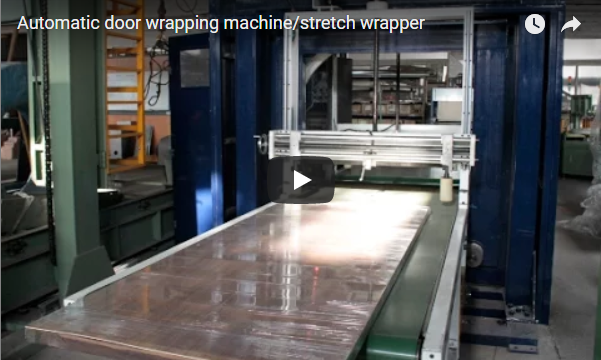
Zusammenfassung: Eine halbautomatische Orbitalwickelmaschine verpackt lange Produkte in Stretchfolie, während diese einen rotierenden Ring durchlaufen. Die Beladung erfolgt manuell durch einen Bediener. In diesem Video durchläuft ein Produktprofil vom Beladen bis zum Auslauf ca. 18 Sekunden, die Wickelzeit beträgt ca. 9 Sekunden. Unsere halbautomatische horizontale Orbitalwickelmaschine S200 ist für Produkte mit einer Länge von über 300 mm, einer Breite von 10 bis 200 mm und einem Gewicht von 10 bis 100 kg ausgelegt und wird projektbezogen konfiguriert.
Inhaltsverzeichnis
- Was der Clip zeigt, in der Reihenfolge
- Funktionsweise einer halbautomatischen Orbitalwickelmaschine
- Wickelzykluszeit am Clip
- S200-Spezifikationen
- Taktprüfung
- Auswahlliste für einen halbautomatischen Orbitalwickler
- Kontrollen und Sicherheit
- Häufig gestellte Fragen zur Technik
- Nächster Schritt
- Verwandte lesen
- Quellen
Was der Clip zeigt, in der Reihenfolge
Die Maschine besitzt einen weißen Rahmen um eine runde Ringöffnung, eine gelbe Walzeneinführung links, eine Ausführung rechts und einen Bedienpult vorne links. Das Bedienpult ist mit einem roten Not-Aus-Knopf, mindestens vier schwarz-grauen Tasten und einer Reihe roter, grüner und gelber Lampen ausgestattet.
- 0 bis etwa 6 s. Die Maschine steht still und produziert kein Produkt.
- Etwa 12 bis 15 Sekunden. Ein Maschinenbediener kommt von links herein und legt ein langes, silbernes Metallprofil auf die Einzugswalzen. Die Maschine ist noch nicht angelaufen.
- Etwa 18 bis 21 Sekunden. Das Profil ist in den Ring eingefahren und das Wickeln beginnt. Der Bediener ist nach links zurückgetreten und greift nicht ein.
- Etwa 24 bis 27 Sekunden. Der Ring vervollständigt die Umhüllung des Profils.
- Etwa 27 bis 30 Sekunden. Das Profil fährt auf den Auslauf und stoppt.
- Etwa 33 bis 39 Sekunden. Der Ring ist leer und die Maschine wartet auf das nächste Teil.
Funktionsweise einer halbautomatischen Orbitalwickelmaschine
Bei einer horizontalen Orbitalwickelmaschine ist die Folienrolle auf einem Ring montiert, der sich um das Produkt dreht, während dieses auf Förderbändern durch die Maschine transportiert wird. Die Folie legt sich spiralförmig auf, und die Überlappung wird durch das Verhältnis von Förderband- zu Ringgeschwindigkeit bestimmt. Halbautomatisch bedeutet, dass der Bediener die Maschine manuell be- und entlädt, während Förderbänder, Ring und Folienwagen automatisch laufen.
Diese Aufteilung eignet sich für lange Produkte, die in Serien hergestellt werden, wie z. B. Profile, Stangen, Rohre und Formteile.
| Teil unseres S200 | Funktion / Rolle (Role) * |
|---|---|
| Einlaufförderband, Motorantrieb | Trägt das Produkt in den Ring |
| Ring mit Filmtransport | Legt die Folie um das Produkt |
| Auslaufförderband, Motorantrieb | Trägt das verpackte Produkt hinaus |
| Kontrollposten | Starten, Stoppen und Notstoppen |
Wickelzykluszeit am Clip
| Treten Sie auf den Clip | Zeitfenster | Dauer |
|---|---|---|
| Manuelles Laden | etwa 12 bis 15 Sekunden | ca. 3 s |
| Zuführung in den Ring | etwa 15 bis 18 Sekunden | ca. 3 s |
| Verpackung | etwa 18 bis 27 Sekunden | ca. 9 s |
| Hinaus zum Auslauf | etwa 27 bis 30 Sekunden | ca. 3 s |
| Beladung zum Auslauf | etwa 12 bis 30 Sekunden | ca. 18 s |
Die Wickelzeit skaliert mit der Produktlänge: Bei gleichbleibender Förderbandgeschwindigkeit verweilt ein längeres Werkstück länger im Wickelring. Die Förderbänder der S200 laufen mit einer Geschwindigkeit von 4 bis 12 m/min, sodass ein 2 m langes Werkstück den Wickelring in 10 bis 30 s durchläuft.
S200-Spezifikationen
| S200 halbautomatische horizontale Orbitalwickelmaschine | Normen |
|---|---|
| Produktlänge | über 300 mm |
| Produktgröße über | 10 zu 200 mm |
| Gerätegewicht | 10 bis 100 kg |
| Ein- und Auslaufförderband | jeweils 2,000 mm, motorbetrieben |
| Fördergeschwindigkeit | 4 bis 12 m/min |
| Ringgeschwindigkeit | 20 bis 120 U/min |
| Tuning | ca. 2.1 kW, 380 V Wechselstrom, 60 Hz |
| Filme | LLDPE-Stretchfolie, 120 bis 200 mm breit |
Taktprüfung
Bei einem beispielhaften Zielwert von 120 Stück pro Stunde beträgt der Takt 3,600 ÷ 120 = 30 s. Der Zyklus vom Einlegen bis zum Austragen dauert etwa 18 s, sodass etwa 12 s für das Entladen des verpackten Teils und das Aufnehmen des nächsten verbleiben. Bei längeren Teilen schätzen Sie die Verpackungszeit anhand der Förderbandgeschwindigkeit und vergleichen Sie diese mit Ihrem Takt.
Auswahlliste für einen halbautomatischen Orbitalwickler
- Produktlänge, -breite und -gewicht: über 300 mm, 10 bis 200 mm und 10 bis 100 kg beim Modell S200.
- Einzelstücke oder kleine Bündel.
- Folienbreite und Überlappung für den benötigten Schutz.
- Leistung pro Stunde und die Längenmischung.
- Platz für die 2,000 mm großen Ein- und Auslaufbänder.
- Optionen: unterschiedliche Verpackungsmaterialien, Förderbandlänge, automatischer Schneider.
Kontrollen und Sicherheit
Der Wendering und die Einzugsstellen des Förderbandes stellen die Gefahrenbereiche dar. Der Bediener legt das Profil bei stehender Maschine auf die Klemme und tritt vor Beginn des Wickelvorgangs zurück. Halten Sie Ihre Hände während des Maschinenbetriebs vom Ring fern.
Stoppen, isolieren und sperren Sie die Verpackung, bevor jemand die Folie einfädelt, eine Blockade beseitigt oder im Inneren des Rings arbeitet.
Die anzuwendenden Normen hängen vom Zielmarkt ab. Für CE-Märkte legt ISO 12100 die Risikobewertungsmethode fest, und EN 415-10 regelt die allgemeinen Anforderungen an Verpackungsmaschinen, einschließlich der Schutzvorrichtungen und der Not-Aus-Einrichtung.
Häufig gestellte Fragen zur Technik
F: Wie lange dauert ein Wickelvorgang? A: Mit dem Clip dauert das Wickeln etwa 9 Sekunden und vom Einlegen bis zum Austragen etwa 18 Sekunden. Längere Teile benötigen bei einer Förderbandgeschwindigkeit von 4 bis 12 m/min mehr Zeit.
F: Welche Produktgrößen passen in die S200? A: Produkte mit einer Länge von über 300 mm, einer Breite von 10 bis 200 mm und einem Gewicht von 10 bis 100 kg, die in 120 bis 200 mm LLDPE-Stretchfolie verpackt sind.
F: Was bedeutet hier halbautomatisch? A: Der Bediener be- und entlädt von Hand; die 2,000 mm Förderbänder, der Ring mit 20 bis 120 U/min und der Filmwagen laufen automatisch.
Nächster Schritt
Wir dimensionieren eine halbautomatische Orbitalwickelmaschine in drei Schritten:
- Reichen Sie Ihre Layoutzeichnung ein. mit der Produktlänge, der Breite, dem Gewicht und dem Produktionsziel, bis info@fhopepack.com.
- Sie erhalten innerhalb von 48 Stunden ein Angebot.einschließlich der Ringgröße, der Förderbandlängen und der Zyklusprüfung im Vergleich zu Ihrem Takt.
- Buchen Sie eine Standortbesichtigung Wir bestätigen also die Stellfläche, die Ladeposition und die Stromversorgung.
Verwandte lesen
- Halbautomatische horizontale Orbitalwickelmaschine S200
- Halbautomatische horizontale Folienverpackungsmaschine S300
- Spulenwickelmaschine mit Klebeband und Etikettendrucker
- Stacheldraht-Verpackungsmaschine
Quellen
- Spezifikationen und Optionen für die Verpackung: Produktseite der halbautomatischen horizontalen Orbital-Wickelmaschine S200
- Zeitangaben im Clip: Die Einzelbildzeiten wurden aus dem Clip entnommen, 3 Sekunden zwischen den Einzelbildern.
- Maschine im Einsatz: unser Video auf YouTube
- Geltungsbereich der Normen: ISO 12100:2010, EN 415-10: 2014
Letzte Überprüfung: 21.09.2026