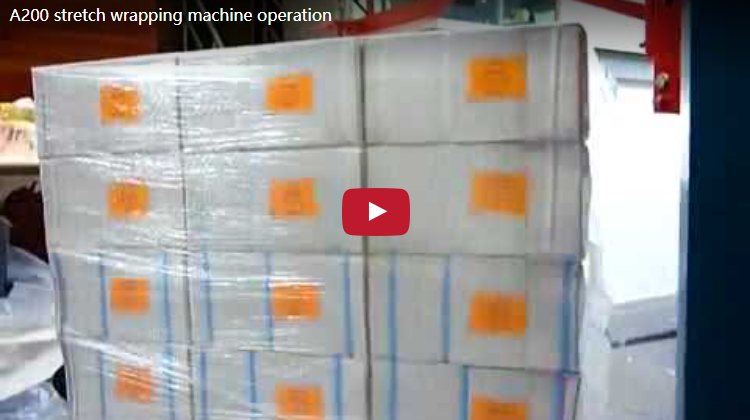
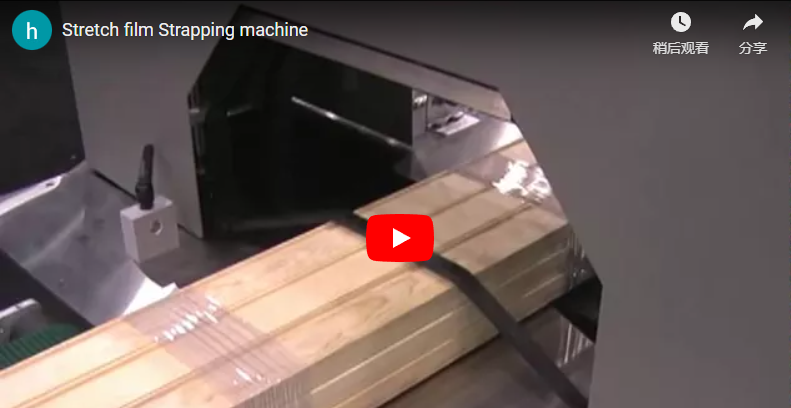
Краткое содержание. В этом видеоролике показана упаковочная машина для стержней и машина для обмотки стрейч-пленкой в заводских условиях, осуществляющие подачу длинного цилиндрического стержня, обмотку спиральной стрейч-пленкой и выгрузку с помощью прижимного ролика. Видео длится около 36 секунд, демонстрирует полную последовательность обмотки в одном непрерывном потоке и подчеркивает конструкцию смотрового окна, регулировку с помощью маховика и схему пневматического привода.
Длинные цилиндрические изделия, такие как металлические прутки, трубки и заготовки, неудобно упаковывать вручную. Упаковка редко получается ровной, пленка легко расходуется впустую, и на каждую деталь уходит отдельный рабочий. Машина, показанная в этом видео, разработана именно для решения этой проблемы: она берет заготовку в форме прутка, непрерывно обматывает ее стрейч-пленкой по мере прохождения через машину и выдает полностью упакованный и запечатанный продукт, готовый к хранению или отправке.
В этой статье подробно рассматривается, что на самом деле показано на видео, чего в нем нет, и что покупатель или руководитель предприятия должны уточнить у производителя, прежде чем принимать решение. Все замечания в соответствующих разделах взяты непосредственно из видео; все, что выходит за рамки этого, четко обозначено как предположение или как пункт для проверки.
Что показано на видео
Видео длится примерно 36 секунд и показывает весь цикл обмотки заготовки в форме стержня. Вот последовательность с приблизительными временными метками:
- 0–9 XNUMX секунд — Видео начинается с показа общей конструкции станка. Темно-коричневая заготовка в виде стержня (похожего на металлическую трубку или брусок) входит справа и движется влево через большое центральное круглое смотровое окно. Оранжевые пневматические шланги намотаны вдоль рамы станка. На заднем плане — заводской цех. Оператора на этих начальных кадрах не видно.
- ~ 12 секунды — Заготовка частично находится внутри станка. На ее поверхности, проходящей через кольцеобразное отверстие, видна оранжево-желтая полоса — по всей видимости, это наносимая стретч-пленка.
- ~ 15 секунды — Кадр становится полностью белым, вероятно, из-за перекрытия объектива, монтажной склейки или переэкспозиции. В данный момент визуальная информация отсутствует.
- ~ 18 секунды — Изображение возвращается, немного под другим углом, показывая фон мастерской и часть оборудования. Белая колонна частично закрывает левую сторону кадра. Ни обрабатываемая деталь, ни оператор не видны.
- 21–30 XNUMX секунд — Камера возвращается к виду станка спереди. Обработка заготовки практически завершена: ее поверхность покрыта полупрозрачной стретч-пленкой с видимыми складками, нанесенной по спирали. Оператор в темной одежде стоит справа от станка, руки рядом с ручным колесом, слегка наклонившись, чтобы наблюдать через круглое окошко.
- 33–36 XNUMX секунд — Упакованная заготовка подается вправо с помощью механизма прижимных роликов. Желто-белые ролики прижимают и продвигают упакованное изделие вперед. В правом верхнем углу машины виден логотип в форме буквы «V» с текстом.
Главный вывод из этой последовательности: машина обматывает стержень по непрерывной спирали по мере того, как изделие перемещается горизонтально через кольцо. Сама заготовка не вращается вокруг своей оси — она продвигается вместе с конвейером, пока пленка обматывается вокруг нее, что является классическим принципом работы орбитальной или горизонтальной стретч-пленкообмоточной машины.
Заметки о непосредственных наблюдениях
Приведенные ниже примечания максимально точно отражают то, что фактически видно на видеозаписи, с лишь незначительной корректировкой грамматики:
- Рама станка выполнена из светло-серого окрашенного металла, на таких деталях, как крышка двигателя и кронштейн прижимного ролика, имеются желтые предупреждающие знаки.
- Центральное круглое смотровое окно большое (по-видимому, более 600 мм в диаметре) и крепится на фланце.
- С правой стороны расположена горизонтальная конвейерная дорожка с роликами; над ней находится вертикальная направляющая с пневматическим цилиндрическим приводом.
- В механизме прижимных роликов используются желто-белые резиновые или полиуретановые ролики, установленные на регулируемых кронштейнах.
- Вдоль рамы проходят оранжевые гофрированные пневматические шланги; у основания видна группа пневматических клапанов с манометрами и модулем электромагнитного клапана.
- Имеется несколько серебряных маховиков, по-видимому, предназначенных для ручной регулировки положения или натяжения.
- В кадре четко не видна никакая независимая панель управления — экран HMI, кнопки или индикаторные лампы. Управление, по всей видимости, осуществляется с помощью маховиков и пневматических компонентов.
- Заготовка представляет собой длинный цилиндрический объект диаметром примерно 80–120 мм и длиной более 1.5 м (он никогда полностью не выходит из рамы, поэтому точную длину измерить невозможно).
- Перед упаковкой поверхность изделия представляет собой темно-красно-коричневый металл с некоторыми следами масла или окисления. После упаковки оно покрывается полупрозрачной пленкой с сильными бликами и видимыми складками от растяжения.
- На кадрах с 21 по 30 секунду над смотровым окном видна белая надпись с черными китайскими иероглифами «小心碰手» (примерно «осторожно, руки»).
- Ни в одном из окон не можно обнаружить красную кнопку аварийной остановки, световую завесу безопасности или блокируемую защитную дверь.
- Автоматическая резка, подсчет или сортировка не отображаются; показанный процесс представляет собой работу конвейера с непрерывным потоком материала, обрабатывающего отдельные детали.
Как происходит процесс упаковки
Исходя из последовательности кадров, цикл делится на четыре этапа:
- Подача корма (≈0–6 с) — Стержень подается роликами правого конвейера в центральный кольцевой канал.
- Упаковка (≈6–15 с) — По мере непрерывного перемещения изделия по каналу, каретка для пленки (не видимая непосредственно на кадрах) обматывает вокруг себя стрейч-пленку по спирали. Изделие не вращается; поступательное движение плюс орбитальное обматывание пленки создают спиральный узор.
- Нажатие (≈33–36 с) — Упакованный продукт достигает зоны прижимных валиков, где валики прижимают пленку, так что она плотно прилегает к поверхности, и продвигают продукт дальше.
- Разряд (≈30–36 с) — Готовый, обмотанный пленкой стержень плавно выходит из правого конца машины, готовый к следующему этапу, такому как резка, штабелирование или укладка на поддоны.
Это простой, несложный цикл. Меньшее количество движущихся ступеней, как правило, означает меньшее количество поломок, более простое обучение операторов и более легкое техническое обслуживание — но это также означает, что показанная здесь машина является упаковочным устройством, а не полноценной системой конечного этапа производства.
Чего не показано в видео
Для покупателей, оценивающих подобное оборудование, не менее важно знать, что не показано на видео. В видео не показано :
- Обозначение модели машины или данные на заводской табличке.
- Номинальная мощность (кВт), напряжение или частота.
- Время цикла на единицу продукции или максимальная производительность.
- Диапазоны минимального и максимального диаметра и длины заготовки
- Тип пленки (ПЭ, ПВХ или другая), ширина или толщина
- Марки двигателей, цилиндров или систем управления; подробная информация о ПЛК или инверторе.
- Сертификаты безопасности, такие как CE, UL или GB.
- Общий вес машины и габаритные размеры.
- Интервалы технического обслуживания или списки запасных частей
- Функции автоматической обрезки пленки, запайки хвостовой части, подсчета или сортировки.
Ни один из этих пунктов нельзя вывести из видео. Каждый из них следует уточнить непосредственно у производителя — см. контрольный список ниже.
Область применения данной машины: типичные задачи
Это раздел, содержащий предположения, основанные на видимой конфигурации машины и типе продукта, а не на информации, указанной в видеоматериале.
Горизонтальная машина для намотки стержней такого типа обычно используется для:
- Производители металлических труб и прутков тем, кому необходима защита поверхности от царапин, влаги и пыли перед упаковкой или хранением.
- Заводы по производству проводов и кабелей для обмотки катушек или прямых отрезков.
- Мастерские по изготовлению скобяных изделий и строительных материалов Упаковочные стержни, трубы или профили для розничной торговли или экспорта.
- Предварительная упаковка перед линиями упаковки в рулоны или пучки.где сначала упаковываются отдельные кусочки, а затем они группируются.
На видео видны качественные преимущества: обмотка выглядит равномерной и полной по всей видимой длине стержня, процесс проходит без ручной обработки пленки, а большое смотровое окно позволяет оператору контролировать качество обмотки в режиме реального времени. По сравнению с ручной обмоткой, такая машина должна обеспечивать более равномерное покрытие и меньшие трудозатраты на единицу продукции — хотя точное улучшение зависит от вашего текущего процесса и должно быть обсуждено с поставщиком.
Структура вкратце
| Компонент | Наблюдается на видео | Вероятная функция |
|---|---|---|
| Центральный кольцевой канал с большим окном | Да — с фланцевым креплением, видимый диаметр >600 мм. | Размещение зоны обертывания; визуальный мониторинг |
| Горизонтальный роликовый конвейер | Да — правая сторона. | Подача и выгрузка стержня |
| Вертикальная направляющая с пневматическим ползунком | Да — над каналом | Рекомендации по продукту/позиционирование |
| Прижимной валковый блок | Да — желто-белые ролики, регулируемый кронштейн. | Натягивание пленки и выдавливание продукта |
| Группа пневматических клапанов + электромагнитные клапаны | Да — на базе машины. | Подача воздуха и управление исполнительными механизмами |
| Маховые колеса (разные, серебристые) | Да | Ручная регулировка положения/натяжения |
| Панель управления / HMI | Невидимый | - |
| Аварийная остановка / световая завеса | Невидимый | - |
Что нужно уточнить у производителя?
Перед приобретением машины для обмотки удилищ такого типа, задайте себе следующие вопросы:
- Каковы минимальные и максимальные диаметры и длины заготовок, которые принимает станок?
- Каково фактическое время цикла и почасовая производительность при моем размере продукции?
- Включена ли автоматическая обрезка пленки и обработка концов пленки, или же конец пленки остается свободным, как показано в видео?
- Какие типы и ширины пленки поддерживаются, и каковы стандартные характеристики рулона?
- Используется ли система управления ПЛК/ЧМИ, или же машина работает исключительно механически и пневматически, как видно на видео?
- Какие устройства безопасности установлены — аварийная остановка, световые завесы, блокировочные ограждения — и соответствует ли машина правилам безопасности на моем рынке?
Часто задаваемые вопросы
Вращается ли стержень во время обмотки? Нет. На видео заготовка перемещается горизонтально без вращения; спиральная обмотка создается пленочным узлом по мере перемещения изделия по кольцу. Это стандартная процедура для горизонтальных/орбитальных стретч-пленкообмотчиков.
Присутствует ли оператор? Да. Примерно с 21 по 30 секунду видно, как оператор стоит рядом с машиной, держа руки возле маховика и наблюдая через окно. По всей видимости, для регулировки и контроля работы машины требуется помощник.
Можно ли упаковывать продукцию разных размеров? На видео показан только один размер стержня. Диапазоны диаметров и длин не отображаются — уточните у производителя допустимые размеры и процедуру переналадки.
Автоматическая ли резка пленки? На видеозаписи не показано процесс резки. Уточните у производителя, автоматическая или ручная резка пленки и закрепление концов пленки.
Какие средства безопасности предусмотрены на машине? На видео показана предупреждающая надпись «Осторожно — руки» и большое смотровое окно, но отсутствуют видимые элементы аварийной остановки, световая завеса или блокировочный защитный кожух. Конфигурацию системы безопасности необходимо уточнить у производителя в соответствии с местными нормами.
Какая информация отсутствует в видео? Не указаны номинальная мощность, пропускная способность, характеристики пленки, тип системы управления, сертификаты, габариты и вес. Перед сравнением предложений запросите полные технические характеристики.
Почему машинная обмотка важна для стержневых изделий
Стретч-пленка на длинных металлических изделиях выполняет несколько практических функций: она защищает обработанные или покрытые поверхности от царапин во время транспортировки, предотвращает попадание влаги и пыли на изделие при хранении, а также удерживает на месте любые прикрепленные этикетки или мелкие детали. Ручная обмотка полутораметрового стержня требует одного работника, одного рулона пленки и непостоянного натяжения при каждом проходе. Машина, подобная той, что показана на видео, наносит пленку с постоянным перекрытием и натяжением и — как видно на кадрах — обрабатывает каждое изделие за считанные секунды, в то время как оператор просто наблюдает за процессом.
Стоит честно отметить компромиссы, видимые на видео: регулировка, по всей видимости, осуществляется в основном вручную (маховики, а не экран управления), и автоматическая резка или сортировка не показаны. Для предприятий с небольшим или средним объемом производства, занимающихся упаковкой отдельных изделий, такая простота может быть преимуществом — меньше элементов управления, которые нужно освоить, меньше электронных компонентов, которые могут выйти из строя. Для линий с большим объемом производства следует уточнить варианты автоматизации у поставщика.
Связанное чтение
- Автоматическая горизонтальная упаковочная машина — Полностью автоматизированная горизонтальная обмотка для линий с высокой пропускной способностью
- Обзор горизонтальной упаковочной машины — семейство продуктов, к которому относится эта обмотка для удилища
- Ассортимент машин для стретч-пленки — более широкий выбор вариантов стретч-пленки
- Автоматическая линия упаковки рулонов — для интегрированной многостанционной упаковки
- Машина для обмотки рулонов стали — решения для упаковки металлических изделий в рулонах
Следующий шаг
Если обмотка прутков, труб или стержней входит в ваши планы, самый быстрый способ получить конкретный ответ — отправить нам размеры вашего изделия, целевой объем производства и текущий способ упаковки. Наши инженеры смогут порекомендовать подходящую конфигурацию горизонтальной обмотки и подтвердить характеристики, которые не показаны на видео. Посетите нашу страницу контактов , чтобы запросить коммерческое предложение или провести тестирование оборудования с образцами вашей продукции.
Источник и метод
Данная статья основана на 36-секундном видеоролике, демонстрирующем работу упаковочной машины для стержней и машины для стретч-пленки. Видеоматериал был проанализирован покадрово с использованием модели машинного зрения на основе выборочных кадров. Видео содержит только фоновую музыку — нет закадрового текста или речи, поэтому расшифровка не использовалась. Все приведенные выше наблюдения отражают то, что видно на кадрах; технические характеристики, рейтинги и любые цифры, не видимые на видео, явно исключены и отмечены для подтверждения производителем.