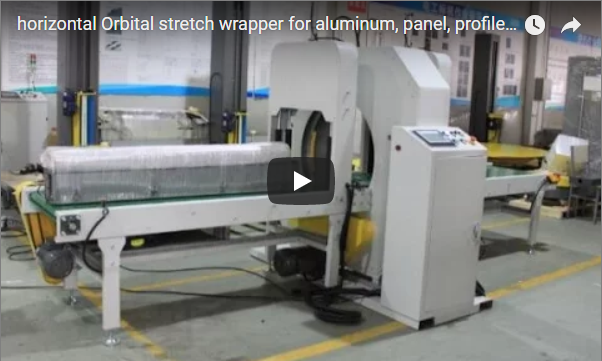
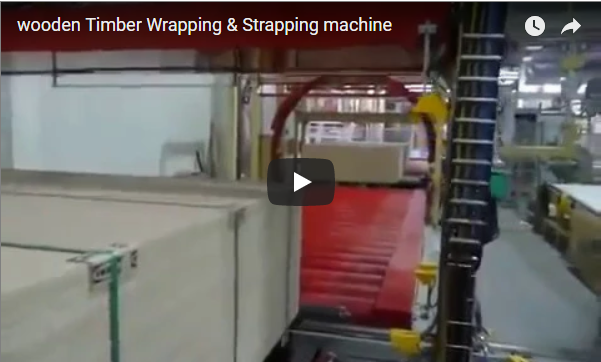
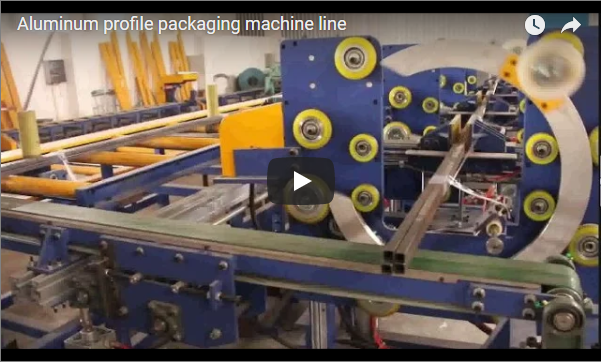
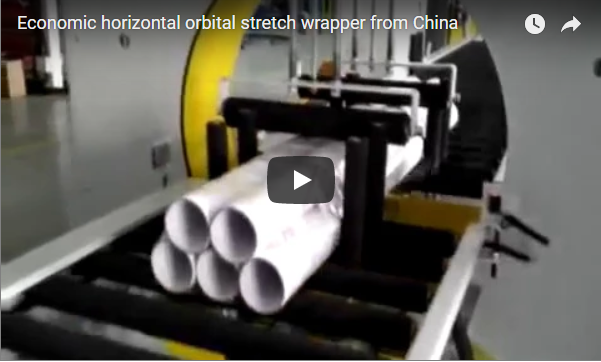
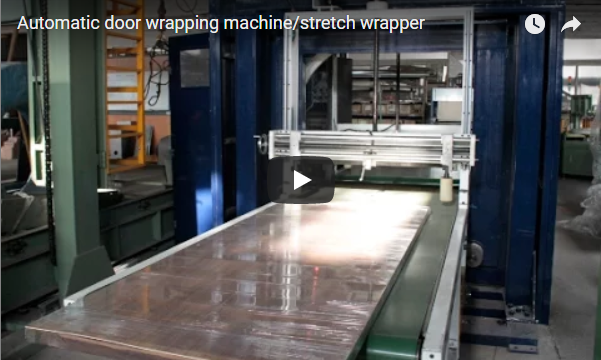
Краткое описание. В этом видеоролике показана горизонтальная упаковочная машина, наносящая защитный кромочный материал на длинную плоскую заготовку из меди или бронзы, движущуюся по конвейеру с приводными роликами. Видео запечатлело весь процесс: подачу, упаковку, финишную обработку с помощью оператора и выпуск готовой продукции. Номинальная производительность, габариты, время цикла и характеристики модели не указаны — уточняйте эти данные у производителя перед покупкой.
Почему длинные металлические листы и прутки нуждаются в обмотке кромок?
Медные листы и бронзовые прутки — это мягкие, дорогостоящие изделия из цветных металлов. Их кромки — наиболее уязвимая часть всей заготовки: во время обработки, транспортировки и хранения незащищенная кромка легко царапается, вдавливается в другие металлические детали и покрывается следами, ухудшающими качество изделия. Для покупателя это означает одно — защита кромок не является эстетическим аспектом, это вопрос выхода годной продукции.
Именно здесь на линии на помощь приходит специализированная упаковочная машина. Вместо того чтобы рабочие вручную заклеивали каждый край, горизонтальная упаковочная машина перемещает заготовку через станцию, где вокруг нее с контролируемой скоростью наматывается рулон защитной ленты или пленки. В результате получается равномерная обмотка каждой детали в каждой партии, независимо от смены или оператора.
Видео на этой странице демонстрирует работу именно такого типа станка на длинной плоской заготовке медного цвета. Ниже мы подробно рассмотрим, что именно показано на видео, чего в нем нет, и что покупатель или руководитель предприятия должны проверить, прежде чем выбирать станок такого типа.
Что показано на видео: работа машины, шаг за шагом.
Прослеживание процесса обработки детали на видеозаписи позволяет получить наиболее наглядное представление о его ходе:
-
Подача материала (0:00–0:04). Видео начинается с неподвижного состояния машины. Длинный плоский металлический лист — медный или бронзовый, в зависимости от цвета и названия видео — помещается на синий конвейер с приводом от роликов. Он начинает двигаться от дальнего конца машины к ближнему. Хорошо видны желтая рама и синий корпус машины, а вдоль боковой стороны конструкции проложены оранжевые воздушные трубки и черные кабели.
-
Вход в зону обмотки (0:06–0:10). Заготовка продвигается в зону обработки станка. На ближнем конце начинает вращаться катушка с материалом — лентой или защитной пленкой — наматывая материал на край заготовки. Внутри желтой рамы вращающийся ролик или прижимное колесо обрабатывает металл по мере его прохождения.
-
Непрерывная обмотка (0:12–0:16). Обмотка продолжается непрерывно. С левой стороны станка катушка внутри другой желтой рамы подает материал и наносит его на заготовку. На мгновение виден оператор, стоящий неподалеку, его ноги и ступни попадают в кадр, но в этот момент он не прикасается к станку — это говорит о том, что станок выполняет проход в основном самостоятельно после подачи заготовки.
-
Завершающая обработка оператором и вывод готовой продукции (0:18–0:28). Оператор-мужчина в синей рабочей одежде подходит с левой стороны станка. Он наклоняется и аккуратно прижимает рукой кусок упаковочного материала к краю заготовки, закрепляя конец обмотки. Затем обмотанная заготовка продолжает движение по роликовому конвейеру и выходит с другого конца станка.
В целом, создается впечатление горизонтальной упаковочной машины проходного типа : заготовка поступает с одного конца, обматывается во время движения и выходит с другого конца, готовая к упаковке или отправке.
Заметки о непосредственных наблюдениях
Ниже приведено фактическое описание, максимально приближенное к зафиксированным на видеоматериале наблюдениям, с внесением лишь грамматических правок:
- Длинный плоский металлический лист светло-коричневого или латунного цвета с металлическим блеском движется по синему роликовому конвейеру от дальнего конца станка к ближнему.
- Машина имеет основную раму из металла, окрашенную в синий цвет, с синими опорными колоннами; защитная рама и некоторые рабочие узлы окрашены в желтый цвет.
- На ближнем конце находится блок в желтой раме, содержащий вращающуюся катушку и прижимной ролик, которые наносят обмоточный материал (ленту или защитную пленку) на край заготовки; аналогичная конструкция имеется и на дальнем конце.
- Многочисленные ролики и секции конвейера перемещают заготовку горизонтально внутри станка; воздушные шланги и кабели проходят вдоль боковой стороны станка.
- Примерно с 0:18 оператор в синей рабочей одежде вручную прижимает и закрепляет упаковочный материал на краю заготовки.
- Полностью обмотанная заготовка выходит из противоположного конца станка примерно в 0:28.
- На видеозаписи четко не видны панель управления, экран, кнопки, индикаторные лампы, кнопка аварийной остановки, световая завеса, предупреждающие знаки или блокировочное устройство.
- Желтая рамка вокруг движущихся частей отделяет рабочую зону от движущихся компонентов.
- В углах всех фреймов отображаются водяные знаки с надписью «FHOPEGROUP» и URL-адресом веб-сайта компании.
Чего не показано в видео
Представленный видеоролик — это отдельный производственный фрагмент, а не презентация технических характеристик. Некоторые вещи, необходимые серьёзному покупателю, просто не видны невооружённым глазом:
- Номинальная вместимость. Максимальная скорость обработки, максимальная длина/ширина/толщина заготовки и максимальный диаметр прокатного валика не указаны.
- Размеры машины. Общие длина, ширина и высота не указаны.
- Время цикла. По видеозаписи невозможно с уверенностью определить время, необходимое для полной обмотки одной заготовки.
- Обозначение модели. Номер модели и табличка с названием отсутствуют.
- Электроэнергия и коммунальные услуги. Мощность двигателя, напряжение и требуемое давление воздуха не отображаются.
- Сертификаты. В видеоролике отсутствуют какие-либо знаки соответствия стандартам CE, ISO или другим аналогичным.
Перед сравнением предложений или планированием расстановки мебели необходимо уточнить у производителя по каждому из этих пунктов.
Где находится этот тип машины?
Судя по видеозаписи, этот станок предназначен для обработки длинных, плоских, вытянутых заготовок из цветных металлов — медных листов, бронзовых прутков и аналогичных полосовых изделий. Он вполне подходит в следующих случаях:
| Ситуация | Соответствовать |
|---|---|
| Длинные медные или бронзовые листы, требующие защиты краев перед упаковкой. | Отлично подходит — соответствует детали на видео. |
| Слитки или полосы, перемещаемые для последующего хранения или отгрузки. | Идеально подходит — конструкция проходного конвейера соответствует трубопроводам. |
| Сложные, громоздкие или заготовки неправильной формы | Некачественная подгонка — станок предназначен для обработки длинных плоских деталей. |
| Очень короткие отрезки или катушки | Другая категория оборудования — см. также линии намотки катушек. |
Проще говоря, преимущество заключается в том, что автоматизированная или полуавтоматизированная упаковка быстрее ручной и обеспечивает более равномерные, воспроизводимые результаты с меньшим количеством ошибок, зависящих от оператора. Насколько быстрее и какое время цикла вы получите для своего продукта, — это вопрос к производителю.
Примечания по технике безопасности и эксплуатации
Видеоматериал содержит несколько полезных замечаний для тех, кто планирует использовать подобную технику:
- Защищенные движущиеся части. Желтая рама окружает вращающиеся катушки и ролики, отделяя рабочую зону от движущихся компонентов. Во время работы держите защитные кожухи закрытыми.
- Взаимодействие оператора происходит вблизи движущихся частей. На видео оператор засовывает руку внутрь, чтобы закрепить конец упаковочной ленты во время работы линии. Любой, кто выполняет эту задачу, должен быть обучен избегать контакта с вращающимися роликами и секциями конвейера, а также следовать конкретной процедуре безопасной эксплуатации машины.
- В этом видеоролике элементы управления не видны. Не следует делать никаких выводов о системе управления, расположении аварийных остановок или блокировках, основываясь только на этом видео — обратитесь к производителю за схемой расположения элементов управления и документацией по технике безопасности.
Если в вашу команду входят операторы или обслуживающий персонал, запросите руководство по эксплуатации и инструктаж по технике безопасности в рамках любого коммерческого предложения.
Что нужно уточнить у производителя?
Перед составлением списка кандидатов запишите следующие вопросы:
- Каковы максимальные и минимальные размеры заготовки (длина, ширина, толщина), которые принимает станок?
- Каково типичное время цикла обработки заготовки нашего размера?
- Какой упаковочный материал используется (лента или пленка) и какой ширины/диаметр рулона подходит для катушки?
- Каковы требования к электропитанию и давлению воздуха?
- Какие средства обеспечения безопасности предусмотрены — аварийная остановка, стандарт ограждения, блокировки?
- Какая это модель, и можно ли её настроить для защиты медных/бронзовых поверхностей без появления следов?
FAQ
Полностью ли автоматическая обмотка заготовки осуществляется станком? В основном да. На видео показано, как станок автоматически подает и обматывает заготовку, а оператор вручную закрепляет конец обмотки. Доступна ли полностью автоматическая опция закрепления конца обмотки — уточните у производителя.
Какие изделия он может обрабатывать? Судя по видео, длинные, плоские, вытянутые металлические заготовки, такие как медные листы и бронзовые прутки. Ограничения по размерам заготовок не указаны — уточните у производителя.
Какова скорость обмотки? В видео не показана номинальная скорость или время цикла. Запросите измеренное время цикла для заготовок, аналогичных вашим.
Какой упаковочный материал используется? На катушке, судя по всему, находится лента или защитная пленка. Точный тип материала и характеристики рулона не удалось определить по видео — уточните у производителя.
Имеет ли оборудование сертификат CE? Статус сертификации не отображается на видео. Запросите сертификаты напрямую.
Источник и метод
Единственным источником для этой статьи является видеоролик, встроенный выше. Анализ проводился с помощью модели компьютерного зрения на выборочных кадрах видеоматериала. Видео содержит только фоновую музыку — без закадрового текста, поэтому преобразование речи в текст не использовалось. Утверждения, не наблюдаемые в видео, помечены как предположения или требуют подтверждения у производителя.
Связанное чтение
- Горизонтальная упаковочная машина
- Линия упаковки медных рулонов
- Автоматическая линия упаковки рулонов
- Машина для обмотки рулонов стали
- Машина для обмотки проволоки
Следующий шаг
Если вы занимаетесь обмоткой медных листов, бронзовых прутков или аналогичных длинных изделий из цветных металлов и хотите получить предложение по срокам выполнения и компоновке, соответствующее вашей заготовке, свяжитесь с нашей командой , указав размеры вашего изделия и целевой объем производства. Мы подтвердим технические характеристики, которые не показаны в этом видео.