
Why should medical factories choose pallet inverter over traditional pallet changers?
Medical factories face unique challenges. They handle sensitive products. Product integrity and hygiene are not just good practices; they are absolute musts. Poor handling can compromise sterility or damage goods. This leads to massive financial losses and damage to reputation. I have seen many factories struggle with these very issues. They try to find the right equipment to move their products safely and efficiently.
Medical factories should choose pallet inverters over traditional pallet changers because inverters offer better product protection, higher levels of hygiene control, and superior operational safety. This is crucial for maintaining sterile environments and handling sensitive goods without damage. Inverters also reduce manual labor and improve overall efficiency, which directly addresses the strict regulatory and quality demands of the medical industry.
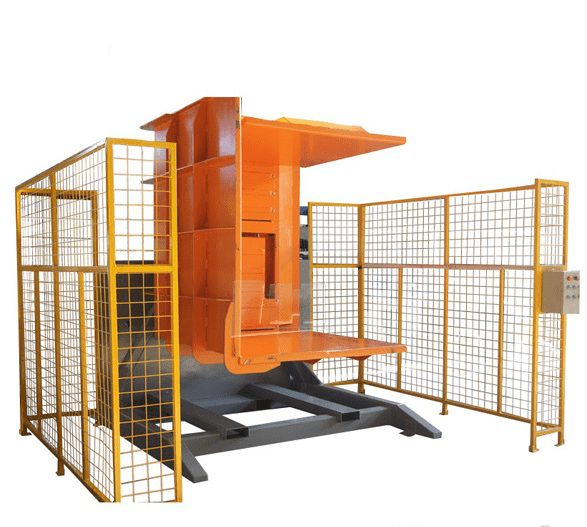
You might think all pallet handling machines are the same. But for medical environments, the details truly matter. Let’s look closely at why a pallet inverter is a smarter choice for your factory, addressing the real pain points I know you face every day.
Product Integrity and Hygiene: Why is a pallet inverter better for sensitive goods?
In medical production, keeping products safe and clean is top priority. Even a small scratch or a tiny bit of dust can ruin a batch. Traditional pallet changers often involve more jarring movements. They can also expose products more during the change. This is a big problem. I know how much effort goes into making medical products perfect. You cannot risk that in the final handling step.
A pallet inverter is better for sensitive medical goods because it offers a gentler, more controlled handling process. It minimizes direct contact with the product, often using clamping or tilting mechanisms. This reduces the risk of damage, contamination, and package breaches. This protects the critical sterile barrier and structural integrity of medical products.

I have spent many years in this industry. I understand the need for careful handling. When I started FHOPEPACK, my goal was always to solve real problems like this. Pallet inverters work by clamping the load. Then they rotate it smoothly. This means there is no need to lift the product off the original pallet. This reduces drops or impacts. Traditional pallet changers often require pushing loads or lifting them. This can cause the product to shift. Such movements can break sensitive packaging. They can also cause products to fall.
Consider the hygiene aspect. Medical factories operate in clean rooms or sterile environments. Any machine brought into these areas must support that cleanliness. Pallet inverters often have simpler designs. They have fewer moving parts exposed to the product zone. This makes them easier to clean. It also reduces places where dust or contaminants can gather. Traditional changers sometimes have more complex platforms. These can be harder to sanitize thoroughly. This becomes a compliance nightmare. I have seen how much time factories spend on cleaning and validation. Choosing the right machine saves a lot of this valuable time.
Here is a comparison:
| Feature | Pallet Inverter | Traditional Pallet Changer |
|---|---|---|
| Handling Method | Clamps and rotates load smoothly. | Lifts, pushes, or slides load for transfer. |
| Product Contact | Minimal, focused on pallet/load sides. | Can involve more surface contact or pushing. |
| Risk of Damage | Very low, due to controlled motion. | Higher, due to potential shifts or impacts. |
| Hygiene Maintenance | Simpler design, easier to clean. | More complex, can have harder-to-reach areas. |
| Sterile Environment | Better suited, less chance of contamination. | Can introduce more risks, harder to control. |
| Package Integrity | Maintained, no force directly on packages. | Can compromise, especially with pushing actions. |
Medical products cannot tolerate damage or contamination. An inverter safeguards them. It helps you meet strict quality standards. This protects your reputation and your business.
Operational Safety and Efficiency: Can inverters truly reduce risks and speed up processes?
Safety is always a major concern in any factory. But in medical factories, people also handle valuable and often fragile goods. Manual pallet changing is risky. Workers can strain their backs. Products can fall. These accidents hurt people. They also lead to costly product loss. I have heard stories from factory managers about these accidents. They want safer ways to work.
Pallet inverters can truly reduce risks and speed up processes in medical factories because they automate the heavy lifting and repositioning of loads. This removes the need for manual handling, which is a common cause of workplace injuries. Automation also ensures consistent, fast pallet changes, leading to smoother workflow and higher throughput without human error or fatigue.
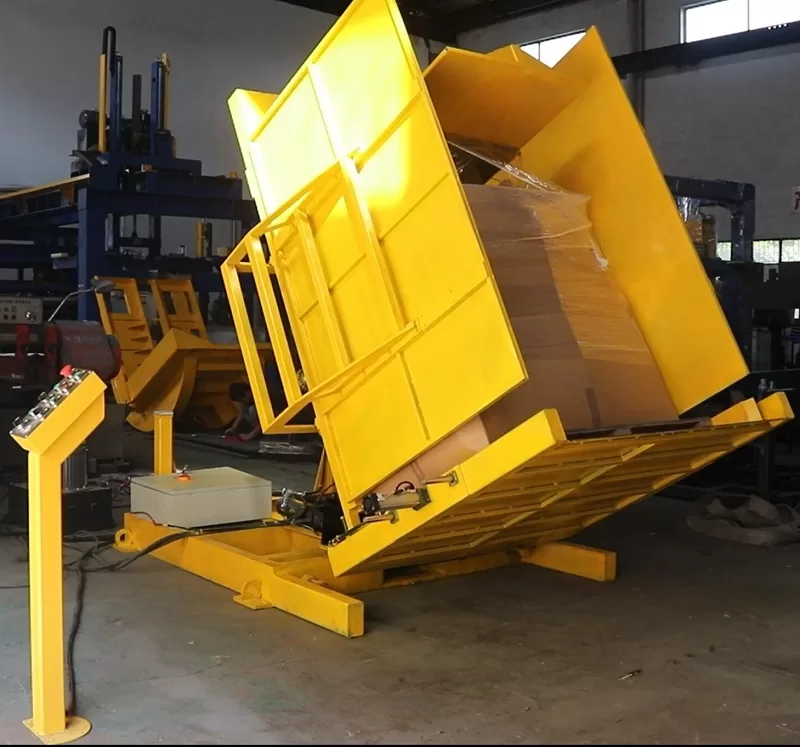
My experience taught me that manual tasks are often the bottleneck. They are also the riskiest. When workers manually switch pallets, they must lift heavy stacks. They also need to tilt them. This puts them at risk of injury. A pallet inverter takes over this dangerous work. The machine does the heavy lifting. It does the rotating. Workers just load and unload. This drastically cuts down on workplace accidents. It lowers your insurance costs too.
Efficiency is also a big factor. Medical factories often have high production volumes. They need to move products quickly. Manual pallet changes are slow. They depend on how fast a person can work. People get tired. They make mistakes. A pallet inverter works at a consistent speed. It does not get tired. It can complete a pallet change cycle in just a few minutes. This speeds up your entire logistics chain. It means products get to the next stage faster. This helps meet tight delivery schedules for hospitals and clinics. It improves overall output.
Let’s look at the benefits:
Reduced Manual Handling Risks
- Less Physical Strain: Workers do not need to lift or manually turn heavy pallets. This reduces back injuries and muscle strains.
- Fewer Accidents: The machine handles the load securely. This means fewer dropped products and no falling hazards for staff.
- Controlled Environment: The entire process is contained within the machine. This keeps workers safe from moving parts or shifting loads.
Increased Operational Speed
- Consistent Cycle Times: Inverters perform changes at a predictable rate. This makes planning easier.
- Faster Throughput: Less time spent on pallet changes means more time for production and shipping.
- Reduced Bottlenecks: Manual pallet changing can slow down the entire line. Automation removes this bottleneck.
I have seen factories transform their operations. They went from risky, slow manual processes to smooth, automated ones. This change boosts morale. It also increases output. This is a win-win for everyone involved.
Cost-Effectiveness and Labor Optimization: Do pallet inverters offer long-term savings for medical factories?
Running a medical factory is expensive. Labor costs are high. Damage to products adds to expenses. Many factory managers ask me about return on investment. They want to know if new equipment truly saves money in the long run. I tell them it does. Especially when you consider all factors.
Pallet inverters offer long-term savings for medical factories by significantly reducing labor costs and minimizing product damage. Automating pallet changes means you need fewer workers for this specific task. It also prevents the costly losses from damaged sensitive medical products. This leads to a strong return on investment over time.
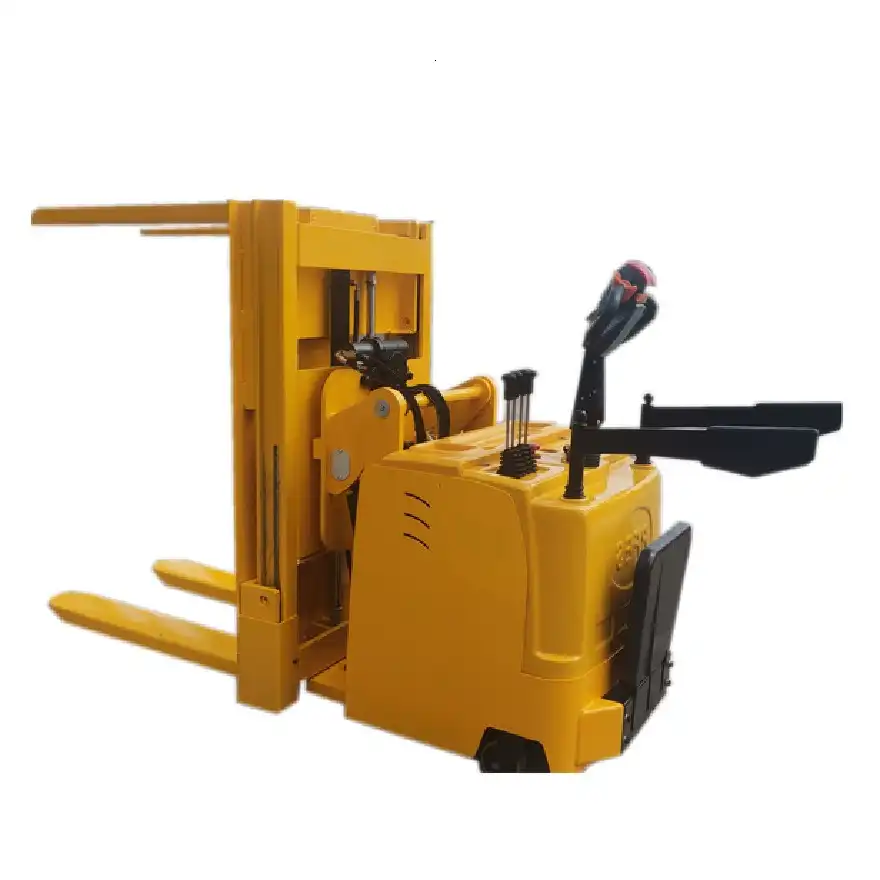
Think about labor. Skilled labor is hard to find. It is also expensive. Manual pallet changing needs several workers. These workers spend their time on a repetitive, hard task. With a pallet inverter, one person can manage the process. This frees up other workers. They can do more valuable tasks elsewhere in the factory. This is labor optimization. It means you get more out of your existing workforce. It also reduces your overall payroll for this specific function.
Product damage is another hidden cost. In medical factories, a damaged batch means huge losses. It is not just the cost of the product itself. It is also the cost of materials, labor, and compliance. Manual handling has a higher risk of damage. A pallet inverter handles products gently and securely. This drastically reduces damage rates. When I see factories prevent even a few batches from being ruined, I know the inverter has paid for itself quickly.
Here is how savings add up:
Reduced Labor Costs
- Fewer Personnel: One operator can manage the inverter. This cuts down the need for multiple manual laborers.
- Higher Value Work: Employees can be reassigned to more skilled or productive roles.
- Lower Overtime: Automated processes do not require overtime pay.
Minimized Product Damage
- Less Spoilage: Gentle handling means fewer broken packages or compromised sterile goods.
- Reduced Rework: Fewer damaged products mean less need for costly re-packaging or re-processing.
- Lower Insurance Claims: Fewer accidents and damaged goods can lead to lower insurance premiums over time.
Improved Operational Efficiency
- Faster Turnaround: Quicker pallet changes improve overall logistics flow, saving time.
- Better Resource Allocation: Machines work consistently, allowing for better planning and use of other resources.
These savings might seem small individually. But they add up quickly. Over months and years, a pallet inverter becomes a smart financial investment. It helps your factory save money and grow.
Adaptability and Compliance: How do pallet inverters meet diverse medical factory requirements?
Medical factories often deal with many product lines. They also send products to different countries. This means they need to handle various pallet sizes and types. You might have Euro pallets for Europe. Then you need US pallets for America. Sometimes you use plastic pallets for hygiene. Your equipment must be flexible. It also must help you meet strict industry regulations.
Pallet inverters meet diverse medical factory requirements by offering high adaptability to various pallet sizes, types, and materials. Many models can handle different load dimensions and pallet specifications, ensuring smooth transitions for international shipping or varied product lines. This adaptability, combined with features for controlled handling, helps factories comply with stringent medical industry standards for product safety and traceability.
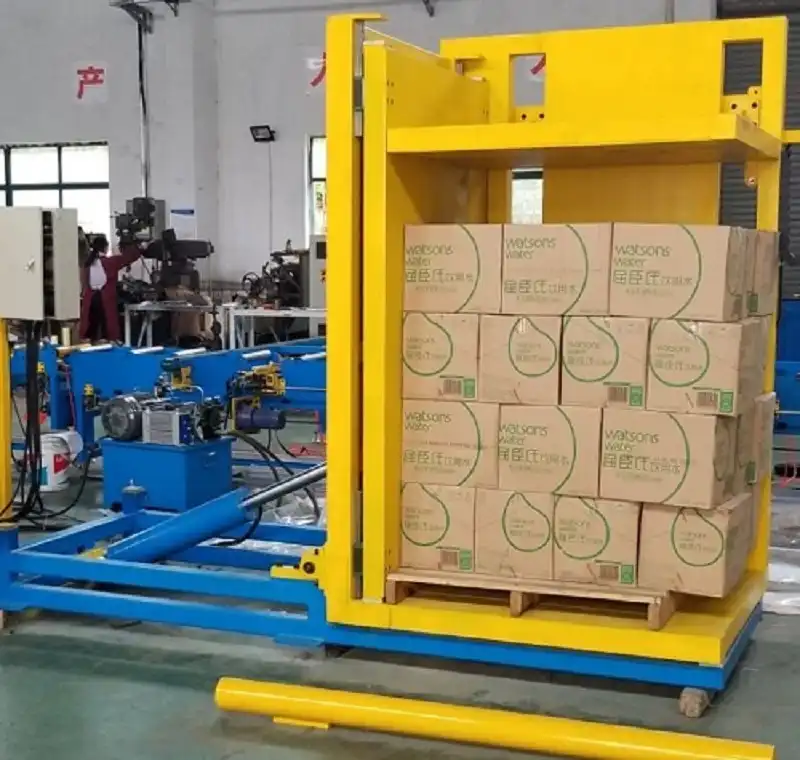
I have helped many clients with their pallet handling needs. The most common problem is changing pallet types. Carlos, a manager I know in Europe, faces this daily. He needs to switch between Euro and US pallets. Manual switching is slow and often causes errors. A good pallet inverter can handle this easily. Many models have adjustable clamping forces. They can fit different load sizes. This flexibility is key for medical factories. You cannot afford to have a separate machine for every pallet type.
Compliance is non-negotiable in the medical industry. Regulations demand strict control over product handling. You need to prove that your products stayed safe and clean. Pallet inverters help with this. They offer a controlled and repeatable process. This means less human variation. It also means fewer chances for contamination. Some advanced inverters can integrate with factory management systems. They can log each change. This creates a clear audit trail. This is very important for regulatory bodies. My goal at FHOPEPACK is to provide solutions that not only work but also help you comply.
Here are key aspects of adaptability and compliance:
Versatility in Pallet Types
- Multiple Standards: Easily switch between Euro, US, plastic, or custom pallets.
- Variable Load Sizes: Adjustable clamps accommodate different product dimensions and weights.
- Different Materials: Can handle wooden, plastic, or metal pallets.
Supporting Compliance
- Consistent Process: Reduces human error, leading to more consistent product handling.
- Reduced Contamination Risk: Controlled environment minimizes exposure to external elements.
- Audit Trail Potential: Integration with data systems can log operations for regulatory reporting.
- Hygiene Standards: Designs often allow for easier cleaning and maintenance, supporting sterile environments.
Choosing a versatile pallet inverter means your factory is ready for anything. It can meet global shipping demands. It can adapt to new product packaging. It also provides the consistent process needed for strict medical compliance. This protects your business from costly fines and recalls.
Conclusion
Pallet inverters are a clear choice for medical factories. They boost product safety, improve operational efficiency, and cut costs. They also meet tough industry demands. Investing in a pallet inverter makes your factory safer, cleaner, and more productive.








