
How does pallet inverter compare to manual transfer in reducing contamination risk?
Do you run a busy warehouse, especially in sectors like food and beverage? You probably face constant pressure. You need to move products fast. You must keep them safe and clean. You also need to control costs. I know these challenges well. I started FHOPEPACK because I saw these same issues daily in the packing machine industry. Contamination is a silent enemy. It can damage your products. It can also hurt your brand. It can even lead to costly recalls.
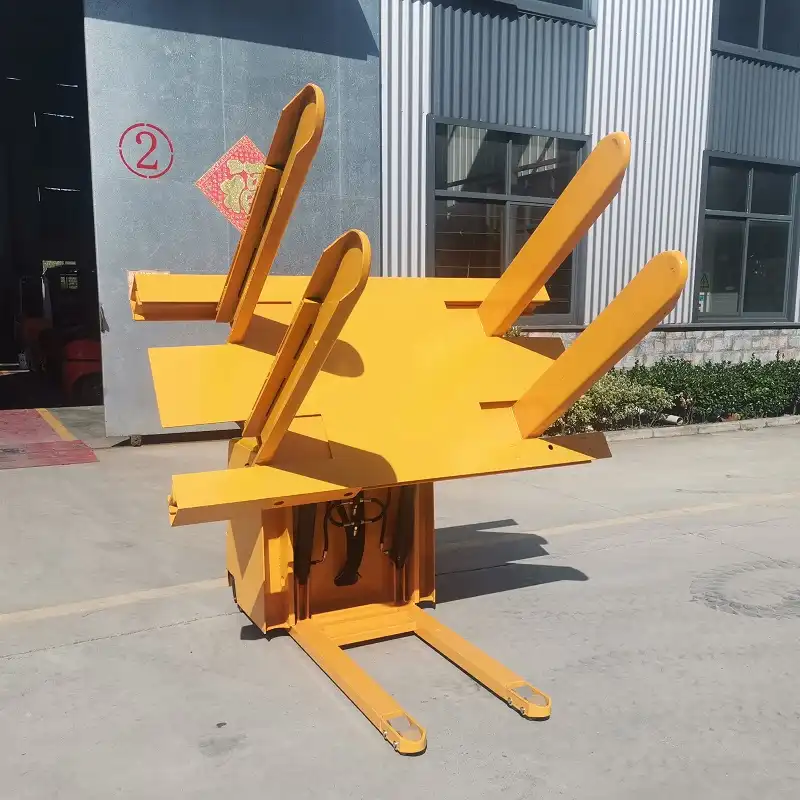
Pallet inverters drastically lower contamination risk compared to manual pallet transfer methods. They do this by minimizing direct human contact with products and pallets. They also provide a controlled, enclosed environment for the transfer process. This reduces exposure to airborne particles and dirty surfaces, ensuring better hygiene and product integrity.
You might be thinking, “How big is this risk really?” Or, “Can a machine truly make such a difference?” These are good questions. Let us explore the hidden dangers of traditional methods. Then we will see how modern solutions like pallet inverters offer a clear path to a safer, more efficient operation.
What does contamination risk really mean in warehouse operations?
Imagine a busy food distribution center. Every pallet carries food items. Each item must arrive clean and safe. But what if the pallets themselves carry dirt? What if people touch them with unclean hands? This is a serious problem. It means contamination risk is present.
Contamination risk in warehouse operations means the chance of unwanted substances entering or affecting your products. These substances can be dirt, dust, debris, bacteria, or allergens. This risk is especially high when products move between different types of pallets. It can happen if pallets are dirty or if people handle them poorly.
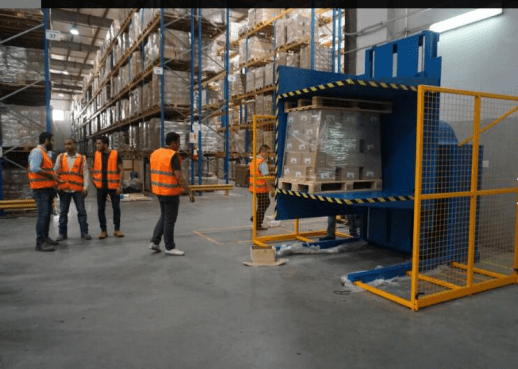
Warehouses are not sterile environments. They have dust. They have vehicle exhausts. They have many people moving around. Pallets move between many different places. A pallet can pick up grime in one area. Then it can transfer that grime to a clean product in another area. This is a big concern for many of my clients. They operate in food, beverage, or pharmaceutical industries. They need very strict hygiene. A tiny bit of dirt can ruin an entire batch of products. This means lost money. It also means unhappy customers. For me, helping my clients avoid such losses has always been a key goal. I have seen how quickly a small issue can become a huge problem. This is why understanding this risk is the first step to managing it effectively.
Types of Contamination and Their Impact
Contamination is not just one thing. It comes in many forms. Each type has its own risks. It also has different ways it can affect your products. Knowing these types helps us fight them better.
- Physical Contamination: This means foreign objects. It can be dust, dirt, wood splinters from pallets, or even packaging bits. These items can fall onto products. They can also get stuck in packaging. This makes the product unsafe or unappealing.
- Biological Contamination: This is about living things. It includes bacteria, mold, or pests. These can grow on dirty surfaces. They can then transfer to food or other sensitive products. This causes spoilage. It also causes health risks.
- Chemical Contamination: This involves chemicals. It could be cleaning agents, lubricants from machinery, or even traces of pesticides from a farm. If these get on products, they can be dangerous. They can change the product’s quality.
When any of these happen, the results are bad. For a food business, it means wasted product. It means high disposal costs. It means a hit to brand reputation. It can lead to product recalls. These recalls are very expensive. They also damage customer trust. I have seen businesses struggle greatly after a contamination event. My goal is to help them avoid such situations altogether. Preventing contamination is always much cheaper than dealing with its aftermath. It is about protecting your business and your customers.
| Contamination Type | Source in Warehouse | Potential Impact on Products |
|---|---|---|
| Physical | Dirty pallets, dust, packaging debris, worker clothes | Unsafe products, customer complaints, damaged reputation |
| Biological | Unsanitized surfaces, pests, human contact, raw materials | Spoilage, foodborne illness, product recalls, health risks |
| Chemical | Cleaning solutions, machine lubricants, pest control | Toxic products, altered taste/smell, regulatory fines |
This table shows us the clear dangers. Each type of contamination can hurt your business. We must take steps to prevent all of them.
How does manual pallet transfer open the door to contamination risks?
Think about how manual pallet transfer works. Workers physically handle pallets and goods. They might use a forklift. They might use a hand pallet jack. Sometimes they tilt or manually shift items. Each step involves human interaction. Each step also involves moving pallets between different environments.
Manual pallet transfer greatly increases contamination risks because it involves extensive human contact and exposes products to open warehouse air. Workers might touch products with unwashed hands or dirty gloves. Pallets themselves can carry dirt from various sources. The physical movement also stirs up dust and allows contaminants to settle on exposed goods.

Let me give you an example from my experience. I once visited a warehouse. They handled sensitive products. Workers manually moved products from old wooden pallets to new plastic ones. I watched them. They often touched the product packaging directly. Their gloves were sometimes dirty from previous tasks. The wooden pallets were rough. They shed splinters and dust. This dust went into the air. It could then settle on other products. This process was slow. It was also risky. The more people touch things, the more chances for contamination exist. This also applies to the pallets themselves. Pallets collect dirt. They travel from trucks to storage. They go to packing areas. This constant movement picks up grime. When you manually transfer, this grime can easily move to your clean product. This is not good for any business, especially for food and beverage companies.
The Pathways of Manual Contamination
Manual operations create many chances for contamination. We must look at these pathways. This helps us understand the problem fully.
- Human Contact: This is a big one. Workers use their hands or wear gloves. These hands or gloves might not always be perfectly clean. They touch many surfaces during the day. They touch old pallets, floors, and equipment. Then they touch your product packaging. This can transfer bacteria, dirt, and allergens directly. Even small amounts can cause big problems.
- Pallet-to-Product Contact: Old or dirty pallets are common. Wooden pallets can be rough. They can have splinters. They can absorb spills. They can also harbor pests. When you move products off these pallets manually, contaminants from the old pallet can easily transfer to the product. This can happen through direct contact or by dislodging dust and debris.
- Environmental Exposure: Manual transfer often happens in open spaces. The products are exposed to the air. This air can contain dust, pollen, and other airborne particles. These particles can settle on your products. This is especially true if the transfer takes a long time. It also happens if the area is not clean.
- Cross-Contamination: This happens when contaminants spread from one source to another. For example, a worker handles a pallet from a dirty truck. Then they handle a pallet with clean, outgoing products. They do not change gloves or wash hands. This transfers dirt from the first pallet to the second. It can happen without anyone realizing it.
These pathways show why manual transfer is a weak point. It creates too many variables. It relies heavily on human action. Humans make mistakes. Machines can offer more control. They reduce these chances for error.
How do pallet inverters actively seal off contamination risks?
Pallet inverters are designed to handle goods gently and cleanly. They work without much human interaction. This makes a huge difference. They act as a barrier against many common contamination sources.
Pallet inverters actively seal off contamination risks by significantly reducing human interaction with products and pallets during transfer. They securely clamp and rotate loads in a controlled motion, minimizing exposure to airborne contaminants. The process is quick and contained, preventing dirt from old pallets or the warehouse environment from reaching clean products or new pallets.
Let me explain how this works. When I started FHOPEPACK, I focused on building reliable machines. Machines that do the job better than manual labor. A pallet inverter holds the load securely. It then rotates it. This whole process is often enclosed or done in a very contained manner. No hands touch the product directly. No one needs to manually lift or shift items. The machine does the heavy work. This means no dirty hands, no dropped goods, and no dust stirred up by manual effort. You can also clean the inverter easily. This keeps it hygienic. If you are a food or beverage company, this is critical. It keeps your product safe. It keeps your customers happy. It also meets strict hygiene standards. We design our machines to be robust. They are also easy to maintain. This helps businesses keep their operations running smoothly and cleanly.
Key Mechanisms for Contamination Control
Pallet inverters use specific features. These features help them control and reduce contamination. Let us look at these mechanisms.
- Reduced Human Contact: This is the most important point. Workers load the pallet into the inverter. The machine then does the rest. It clamps the load. It rotates it. Then it unloads it. This means very little direct touching of the product. This significantly cuts down on the transfer of dirt, bacteria, and other contaminants from human hands or clothing.
- Controlled Environment: Many pallet inverters operate within a defined space. Some even have covers or are part of an automated line. This limits the exposure of products to open warehouse air. It stops dust, debris, and other airborne particles from settling on the goods during transfer. The rapid transfer time also helps minimize exposure.
- Cleanliness of Equipment: Pallet inverters are made from materials that are easy to clean. Many have smooth surfaces. They have fewer nooks and crannies where dirt can hide. Regular cleaning of the inverter itself helps keep the transfer process hygienic. This is very different from constantly cleaning various manual tools or relying on workers to clean their hands and gloves often.
- Minimizing Pallet-to-Pallet Contamination: Pallet inverters allow you to switch from an old, potentially dirty pallet to a new, clean one. The product itself stays secure. It is held firmly by the inverter. It does not touch the dirty old pallet during the swap. This means dirt, splinters, or other contaminants from the old pallet do not transfer to your product. They do not transfer to the new, clean pallet either.
These mechanisms work together. They create a much safer and cleaner transfer process. This gives businesses better control over product hygiene. It helps them meet strict quality standards. It reduces the risk of costly contamination issues.
What are the broader benefits of pallet inverters beyond just cleanliness?
When we talk about pallet inverters, contamination control is vital. But these machines offer much more. They solve several other big challenges that many businesses face. My journey from an employee to a factory owner taught me this. Solving one problem often leads to solving many others.
Pallet inverters offer many benefits beyond contamination control. They significantly improve worker safety by eliminating manual lifting and handling. They boost operational efficiency by speeding up pallet changes. They also reduce labor costs and product damage. This makes them a smart investment for any warehouse aiming for better performance and cost savings.
Think about Carlos from Spain. He is a Warehouse and Logistics Manager. He cares about safety, efficiency, and cost. He manages thousands of pallets daily. He needs to switch between Euro and American standard pallets often. Manual handling for this is slow and dangerous. It leads to accidents. It also costs money in lost time and injuries. A pallet inverter tackles all these issues. It makes the workplace safer. It speeds up the process. This means faster deliveries. It also means fewer fines. I remember working on a project for a client who needed to handle heavy coils. Manual handling was too risky and slow. We implemented a handling machine. This not only made things safer but also cut down their processing time dramatically. It was a clear win. Pallet inverters do the same for pallet changes. They are not just about cleanliness. They are about building a more resilient and profitable operation.
A Holistic Approach to Warehouse Improvement
Pallet inverters address several critical areas in warehouse management. They provide a comprehensive solution that goes beyond just hygiene.
- Enhanced Safety for Workers: Manual pallet transfer is physically demanding. It involves heavy lifting and awkward movements. This leads to injuries like back strains, crushed fingers, and foot injuries. Pallet inverters eliminate most of this manual effort. Workers simply operate the machine. This dramatically reduces the risk of accidents and injuries. A safer workplace means fewer worker compensation claims. It also means happier, more productive employees.
- Increased Operational Efficiency: Manual pallet changes are slow. They interrupt the flow of goods. Pallet inverters perform these tasks quickly and consistently. They can process many pallets per hour. This speeds up overall warehouse operations. It reduces bottlenecks. This means faster order fulfillment. It means better customer service. This is vital in today’s fast-paced market.
- Reduced Labor Costs and Dependency: With rising labor costs and a shortage of willing workers for heavy tasks, automation is key. Pallet inverters reduce the need for multiple workers to perform strenuous pallet changes. One person can often operate the machine. This frees up staff for other tasks. It lowers overall labor expenses.
- Prevention of Product Damage: Manual handling always carries the risk of dropping or mishandling products. This can lead to damaged goods. Pallet inverters hold products securely. They perform the transfer smoothly. This significantly reduces the chance of damage during the pallet change process. Less damage means less waste. It means more profit.
- Improved Compliance and Customer Satisfaction: Meeting different pallet standards (like Euro vs. American) is critical for international logistics. Pallet inverters ensure quick and compliant changes. This avoids delays. It also prevents customer complaints and contract penalties. Consistent, damage-free delivery builds customer trust.
These benefits together make a strong case for pallet inverters. They are an investment that pays off in many ways. They improve safety, speed, cost-effectiveness, and quality. They help businesses stay competitive and meet market demands.
Conclusion
Pallet inverters offer a clear advantage over manual methods for contamination control. They also provide significant safety and efficiency benefits for warehouses. Investing in a pallet inverter is a smart move for any business aiming for cleaner, safer, and more profitable operations.








