
Why is a Pallet Inverter the Fastest Solution for Replacing Broken Pallets in Food Lines?
Running a food processing or distribution center is tough. You face constant pressure. What happens when a pallet breaks in your busy line? You know the chaos. Production slows down. Goods might get damaged. Your team needs to scramble. This problem creates delays, risks, and extra costs. These issues eat into your profit margins and test your patience.
A pallet inverter is the fastest solution for replacing broken pallets because it automates the entire process. It minimizes manual handling, reduces downtime, and keeps your food lines moving. This is especially important in environments where hygiene, speed, and efficiency are critical.
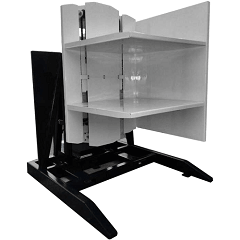
I have seen these challenges firsthand throughout my journey in the packing machine industry. From my early days on the factory floor to establishing FHOPEPACK, I have always focused on finding practical solutions. This article will break down exactly how pallet inverters deliver this speed and efficiency. We will look at different critical aspects of your operation.
How do broken pallets disrupt food line efficiency?
Imagine your busy food line. Everything runs smoothly. Then, suddenly, a broken pallet appears. This is not just a small problem. It creates a domino effect. This issue slows down everything. It can even stop your entire production.
Broken pallets stop production, damage products, and create unsafe conditions. They directly impact throughput and profitability in fast-paced food operations.
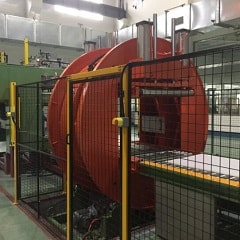
From my experience, a broken pallet is like a roadblock. It forces your team to react quickly. They must divert resources to fix it. This means pulling workers from other important tasks. The entire process wastes valuable time. It also increases the risk of further damage or accidents. I remember one time, early in my career, a simple broken pallet caused a two-hour delay. This happened because we had to manually transfer hundreds of cartons. This was a clear example of how quickly efficiency can drop. This kind of problem often leads to late shipments. It can also cause contract penalties. For food businesses, this is very serious. Contamination is a major risk. A broken wooden pallet can shed splinters. These splinters can fall into food products. This risk means you might have to discard entire batches of goods. This problem leads to huge financial losses. It also harms your brand reputation.
The Hidden Costs of Stoppages
Stopping a food production line is very expensive. Every minute of downtime costs money. When a pallet breaks, the line stops. This costs you in several ways. You lose production volume. Your labor costs keep running even when nothing is moving. You also face potential spoilage if products sit for too long. These hidden costs add up quickly. They can severely impact your bottom line. It is not just about the immediate fix. It is about the lost opportunities and the decreased output. My clients often tell me how much they hate these unexpected stoppages. They disrupt planning. They create stress for the whole team.
Contamination Risks in Food Processing
Food safety is paramount. A broken pallet introduces serious contamination risks. Wooden pallets can splinter. These splinters can enter food packaging. They can even get into the products themselves. This is a severe health hazard. It can lead to product recalls. It can also cause regulatory fines. Plastic pallets can also break. Sharp edges or small pieces can contaminate goods. Manual handling during a broken pallet incident increases this risk. Workers might touch products directly. They might use unsanitized tools. This is why quick, clean, and automated pallet changes are so important in food lines. It protects your products and your consumers.
Labor Drain and Productivity Losses
When a pallet breaks, it often means more manual labor. Workers must stop their usual tasks. They then manually move products from the damaged pallet. This is hard work. It is also slow. This shift away from core tasks reduces overall productivity. It creates bottlenecks in other areas. Many of my clients, especially in Europe, struggle with labor shortages. They find it hard to get people for physically demanding tasks. Manual pallet changes are physically demanding. They are also prone to human error. This can lead to more product damage. It also causes more safety incidents. An automated system solves these problems. It frees up your valuable workforce. They can then focus on higher-value tasks.
| Aspect of Disruption | Manual Pallet Change | Automated Pallet Inverter |
|---|---|---|
| Line Stoppage | High and prolonged | Minimal and brief |
| Product Damage | High risk | Very low risk |
| Contamination | Increased risk | Minimized risk |
| Labor Requirement | High manual effort | Minimal operator input |
| Overall Efficiency | Significantly reduced | Maintained or improved |
What makes pallet inverters safer than manual methods?
Safety is always a top priority. Especially in a fast-paced environment. Manual pallet changes are inherently risky. Workers lift heavy goods. They tilt unstable stacks. These actions can lead to serious accidents.
Pallet inverters drastically improve safety by eliminating hazardous manual lifting, tilting, and product transfer. They protect both workers and goods from potential accidents.
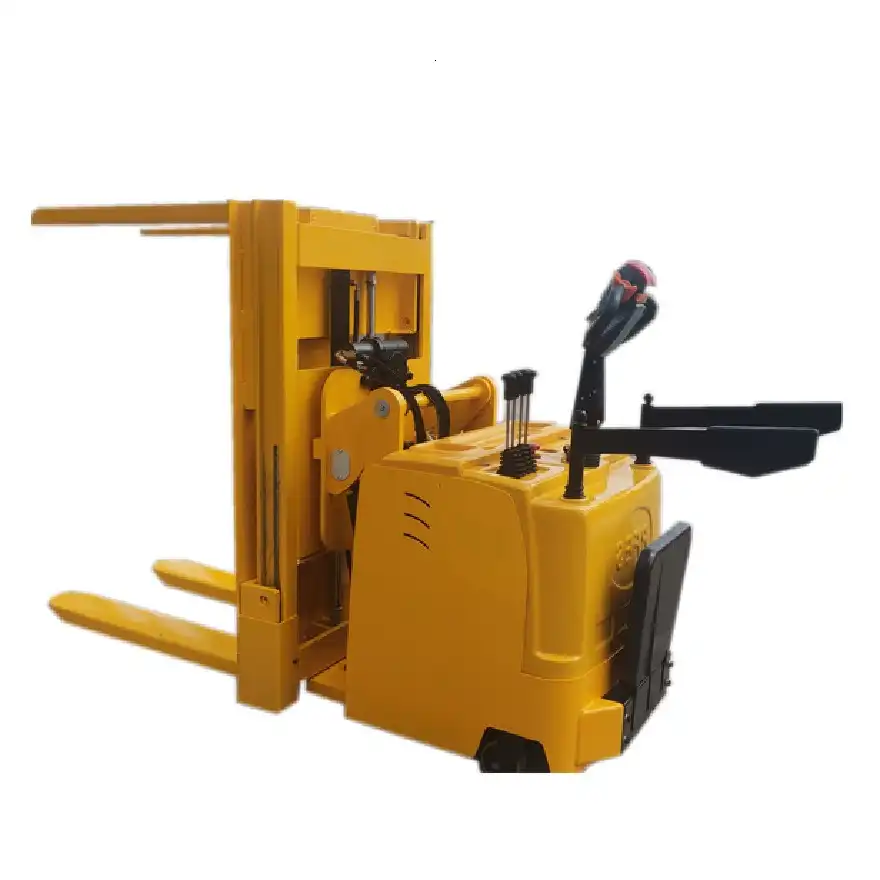
I have witnessed too many close calls. I have also seen actual injuries caused by manual pallet handling. It is not just about a sore back. It can be much worse. Imagine a stack of fragile food products falling. This can injure workers. It can also destroy valuable inventory. A pallet inverter removes these dangers. The machine does the heavy lifting. It does this in a controlled and stable way. This keeps your team safe. It also keeps your products intact. From my engineering perspective, designing systems that prioritize safety is crucial. It means fewer worker compensation claims. It means less lost work time. It also means a happier, more secure workforce. Carlos, your concern about ergonomic safety is something I deeply understand.
Eliminating Manual Handling Risks
Manual handling of heavy loads is the leading cause of workplace injuries. This is especially true for back strains and sprains. When workers manually transfer goods from one pallet to another, they exert themselves. They twist their bodies. They lift heavy items. Pallet inverters remove this need entirely. The machine securely clamps the load. It then rotates or transfers it to a new pallet. No human hands need to touch the heavy goods. This significantly reduces the risk of musculoskeletal injuries. It also eliminates the danger of dropping the load. This is a clear improvement for worker well-being.
Stable Load Transfer
Manual pallet changes often involve unstable loads. Workers might try to balance products. They might use makeshift methods to switch pallets. This creates a high risk of the load tipping or collapsing. This can lead to damaged goods. It can also cause severe injuries. Pallet inverters, by design, offer a very stable transfer. They use hydraulic clamps. These clamps hold the load firmly in place. The entire transfer happens in a controlled motion. This ensures that the products remain secure throughout the process. It prevents goods from shifting or falling. This stability is vital for fragile food items. It maintains product quality and integrity.
Reducing Worker Strain and Injuries
The repetitive nature of manual pallet changes causes cumulative strain. Workers perform the same strenuous movements over and over. This leads to fatigue. It increases the risk of repetitive strain injuries (RSIs). RSIs can be debilitating. They lead to long-term health problems for workers. They also result in high medical costs for businesses. Pallet inverters take over these repetitive tasks. Operators simply control the machine. They do not need to perform physical labor. This dramatically reduces physical strain on workers. It creates a much safer and healthier work environment. A healthy workforce is a productive workforce.
| Safety Aspect | Manual Pallet Change | Automated Pallet Inverter |
|---|---|---|
| Worker Exposure | High risk of direct contact with heavy loads, falls | Minimal risk, operator observes from a safe distance |
| Injury Potential | High (back strain, crush injuries, cuts) | Very low (accidents due to misuse are rare) |
| Load Stability | Prone to imbalance, tipping, product damage | High, controlled clamping ensures load integrity |
| Ergonomics | Poor, highly strenuous and repetitive | Excellent, machine handles all heavy lifting and movement |
| Accident Frequency | Higher | Significantly lower |
Can automation with pallet inverters truly cut operational costs?
Operational costs are a constant concern for any manager. Labor, product damage, and downtime all add up. These expenses can erode your profits. Many businesses look for ways to reduce these costs. They want to do it without sacrificing quality or speed.
Pallet inverters significantly cut operational costs. They reduce labor requirements. They minimize product damage. They also improve overall line efficiency and uptime. This leads to substantial long-term savings.
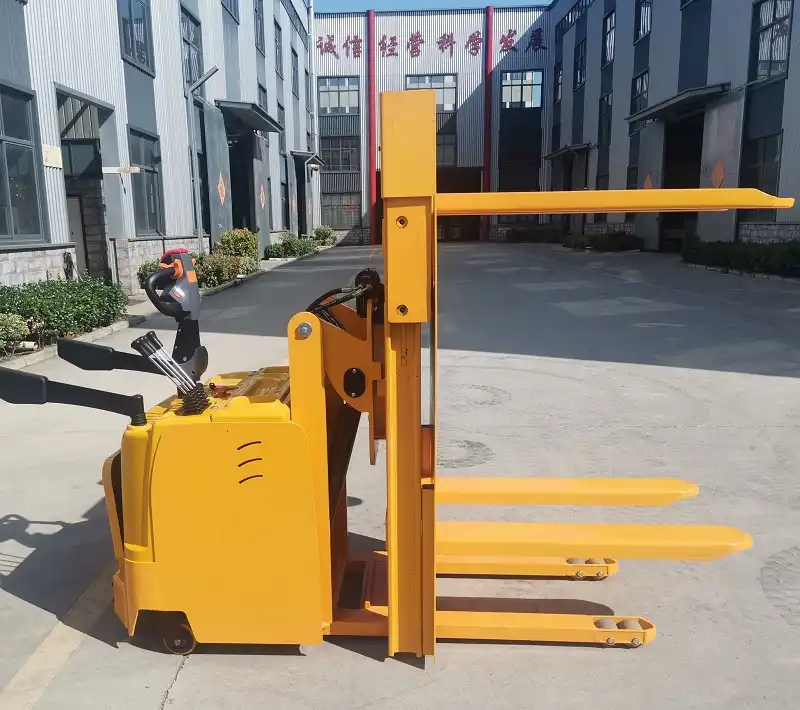
When I started FHOPEPACK, I focused on creating solutions that offered real value. Cost savings was always a key driver. I knew from my factory experience that every saved dollar mattered. Automated pallet inverters are a prime example of this. They address multiple cost centers at once. They reduce your need for manual labor. This is a huge benefit, especially with rising labor costs and shortages. They protect your products from damage. This means less waste. They also keep your lines running. This maximizes your output. These savings multiply over time. They turn an initial investment into a smart financial decision. I have helped many clients see their ROI within a surprisingly short period. This comes from optimizing their operations with the right machinery.
Labor Cost Reduction
One of the most immediate benefits is labor cost reduction. Manual pallet changes require several workers. These workers spend significant time on a non-value-added task. With a pallet inverter, usually, only one operator is needed. This operator can manage the machine. This frees up other team members. They can then focus on more productive activities. Given the increasing cost of labor, this is a major saving. It also addresses the challenge of labor shortages. You do not need to hire extra staff for strenuous pallet handling. This makes your workforce more efficient. It helps you manage your budget better.
Minimizing Product Loss and Damage
Product damage costs businesses a lot of money. Each damaged item represents lost revenue. It also wastes resources used to produce it. Manual handling during pallet changes is a common cause of damage. Products can fall. They can get crushed. They can become contaminated. Pallet inverters handle products with care. They secure the load. They perform the transfer smoothly. This significantly reduces the risk of damage. Less damage means less waste. It means more sellable products. This directly improves your profitability. For food products, this also means less spoilage. It protects your inventory’s value.
Enhancing Throughput and Uptime
Downtime is a profit killer. Every minute your line is stopped, you are losing money. Manual pallet changes take a long time. They stop your production flow. Pallet inverters perform changes very quickly. They do this in minutes, not hours. This speed minimizes downtime. It maximizes your operational uptime. Higher uptime means higher throughput. You can process more goods in the same amount of time. This increases your overall production capacity. It allows you to meet tight deadlines. It also helps you serve more customers. This efficiency translates directly into greater revenue potential for your business.
| Cost Category | Manual Pallet Change Impact | Automated Pallet Inverter Impact |
|---|---|---|
| Labor Costs | High, multiple workers needed | Low, single operator |
| Product Damage | Frequent, leads to waste | Rare, preserves product integrity |
| Downtime | Significant, long stoppages | Minimal, quick changeovers |
| Insurance Premiums | Potentially higher due to injuries | Potentially lower due to improved safety |
| Efficiency | Reduced throughput, bottlenecks | Increased throughput, smooth flow |
| Long-term Savings | Limited | Substantial |
How do pallet inverters ensure compliance and customer satisfaction?
In the global market, compliance is not optional. Different countries have different rules. Pallet specifications vary widely. Meeting these rules while keeping customers happy can be a big challenge. It requires flexibility and speed.
Pallet inverters ensure compliance by facilitating quick changes between different pallet types (e.g., Euro, US, plastic) for international shipping. They maintain customer satisfaction through consistent, on-time deliveries.
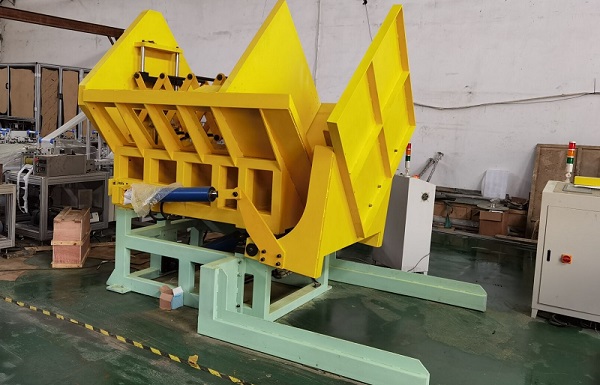
My journey has taught me the importance of adaptability in logistics. When I started my factory, dealing with international clients meant understanding their unique needs. Carlos, your challenge with Euro and US pallets resonates strongly with me. If you ship products internationally, you face rules like ISPM15 for wooden pallets. You also might need specific hygiene standards for food products. A pallet inverter helps you meet these demands easily. It makes sure your products are on the right pallet for the right destination. This avoids customs delays. It prevents rejected shipments. It also speeds up your overall supply chain. This means happier customers and a smoother operation. It also protects your reputation. It shows you are a reliable partner.
Meeting International Pallet Standards
International trade relies on specific pallet standards. For example, ISPM15 rules regulate wooden pallets. These rules prevent pest spread. If your pallets do not meet these rules, your shipment can be stopped. It can even be sent back. This creates huge delays and costs. Pallet inverters allow you to easily swap non-compliant pallets for compliant ones. You can use standard wooden pallets for internal transport. Then, you can quickly change them to heat-treated or plastic pallets for export. This process ensures your shipments always meet global regulations. It avoids costly customs issues. It keeps your goods moving across borders without problems.
Adapting to Diverse Pallet Requirements
Beyond international standards, different customers or internal processes might require specific pallet types. Some might need plastic for hygiene reasons. Others might need a specific size like Euro or US standard. Manually sorting and changing these pallets is a logistical nightmare. It is slow and prone to errors. A pallet inverter can quickly adapt. It handles various pallet dimensions and materials. This flexibility is crucial for warehouses dealing with diverse product lines. It allows you to switch between pallet types efficiently. This meets specific client needs. It also streamlines your internal operations. You gain the ability to customize your packing as required.
Delivering Reliability and Timeliness
Customer satisfaction often boils down to reliability and timeliness. Customers expect their orders on time and in good condition. Delays caused by broken pallets or non-compliant shipments disappoint customers. They can also lead to lost business. Pallet inverters prevent these delays. They ensure a smooth and continuous flow of goods. This means products ship on schedule. They arrive at their destination correctly palletized. This consistency builds trust with your customers. It enhances your reputation as a reliable supplier. In a competitive market, being dependable gives you a significant edge. It turns one-time buyers into long-term partners.
| Compliance/Satisfaction | Manual Pallet Change Impact | Automated Pallet Inverter Impact |
|---|---|---|
| ISPM15 Compliance | Difficult, time-consuming to manage | Easy, quick swap to compliant pallets |
| Pallet Variety | Logistical challenge, slow adaptation | Flexible, handles multiple pallet types |
| Delivery Time | Delays, potential missed deadlines | Consistent, on-time shipments |
| Customer Trust | Can be eroded by issues | Strengthened by reliability |
| Error Rate | Higher, more likely to cause issues | Very low, ensures consistency |
Conclusion
Pallet inverters offer a powerful solution for food lines facing broken pallets. They boost efficiency, improve safety, cut costs, and ensure compliance. This makes them the fastest way to handle pallet issues and maintain smooth operations. Explore the benefits of a pallet inverter for your business today.








