
How Can Pallet Inverters Improve Storage and Logistics Flow for Food Exporters?
Are you a food exporter constantly battling slow operations, rising labor costs, and the headache of different pallet standards? Many logistics managers, like Carlos in Spain, face these exact problems every single day. The pressure to deliver quickly and safely is huge, and a single mistake can cost a lot. You might feel stuck between old ways and the need for new solutions.
Pallet inverters can greatly improve storage and logistics flow for food exporters by automating the process of switching pallets, ensuring compliance with international standards, enhancing safety for both goods and workers, and significantly cutting down operational costs and manual labor. This technology directly addresses the key challenges of diverse pallet types and the need for faster, more reliable supply chains in the global food industry.
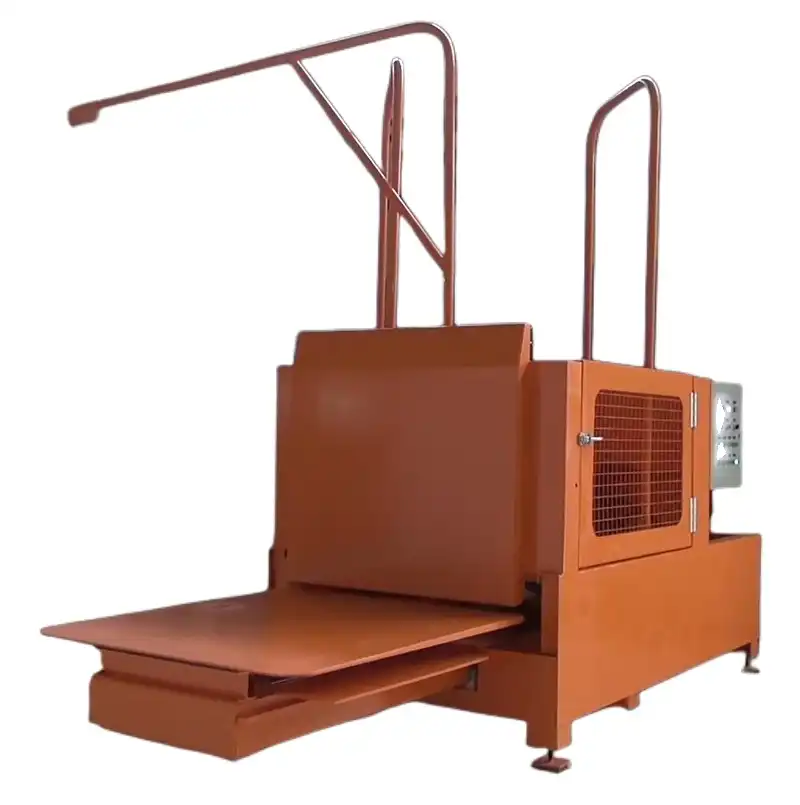
I have seen many businesses struggle with these very issues during my time in the packing machine industry. From my early days as an engineer to running my own factory, I learned that efficient packing and handling are not just about machines. They are about smart solutions that solve real-world problems. Let us look deeper into how these smart machines can transform your export operations.
How Do Pallet Inverters Solve Diverse Pallet Challenges for Food Exporters?
Imagine your warehouse, processing thousands of pallets daily, needing to switch between Euro and US standard pallets for different export markets. This is a common situation for food exporters. Manual pallet changes are slow, error-prone, and can really slow down your entire shipping process. This directly impacts delivery times and customer satisfaction.
Pallet inverters solve diverse pallet challenges for food exporters by providing a quick and automated way to transfer goods from one type of pallet to another, or to replace damaged pallets, ensuring that products meet various international shipping requirements without manual handling. This capability is critical for businesses that operate across different regions with differing pallet size regulations.
From my experience, one of the biggest bottlenecks in international logistics is pallet compatibility. A food exporter in Europe sending goods to the US, for example, must often transfer products from a standard Euro pallet to a US standard pallet. Doing this by hand is not efficient. It costs a lot of time and effort. It also carries a high risk of damaging goods or hurting workers.
Pallet inverters automate this crucial step. They allow you to hold the product securely while changing the pallet underneath. This means you can quickly move goods from your internal warehouse pallets to export-compliant pallets. This process ensures that your products are always on the right kind of pallet for their destination. It avoids delays at customs or rejection by clients. The machine can handle various pallet materials, including wood and plastic. This makes it a very flexible tool for any food exporter.
Consider the example of a large food and beverage group. They might need to ship products to many countries. Each country has its own rules for pallet sizes and materials. Without a pallet inverter, this group would need a large team of workers to manually switch pallets. This would take hours, maybe even days, depending on the volume. With a pallet inverter, the same task can happen in minutes. This speeds up the entire supply chain. It also reduces the need for constant human supervision during this part of the process.
This change means your warehouse can process more goods in less time. This directly affects your bottom line. It also improves your reputation as a reliable supplier. The ability to quickly adapt to different pallet specifications is a major competitive advantage in the global food market. It helps companies like Carlos’s group meet tight delivery schedules. It also helps them avoid costly contract penalties. This flexibility is what modern logistics demands. It is what FHOPEPACK aims to provide through smart packing solutions.
Can Pallet Inverters Reduce Labor Costs and Boost Efficiency in Food Logistics?
Labor shortages are a real problem for warehouses today. Finding people willing to do heavy lifting and repetitive tasks is getting harder. The costs associated with manual labor are also rising quickly. This puts a lot of pressure on logistics managers. They need to find ways to keep things moving without relying on a large workforce.
Pallet inverters significantly reduce labor costs and boost efficiency in food logistics by automating the strenuous and time-consuming task of manual pallet changing, thus reducing the need for extensive human intervention and allowing staff to focus on higher-value activities. This leads to a more streamlined operation and a more productive workforce.
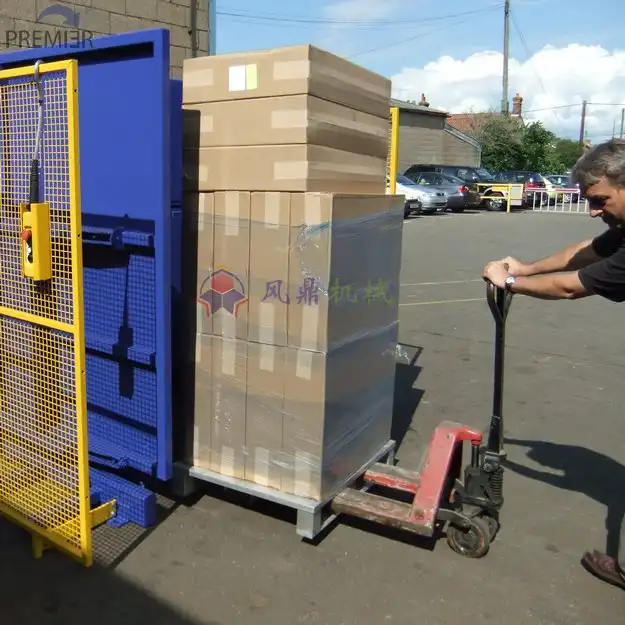
I have witnessed many factories struggle with the increasing cost and scarcity of manual labor. This is especially true for tasks that involve heavy lifting, like changing pallets. In many food export warehouses, workers spend a lot of time manually handling goods to switch pallets. This is not only inefficient but also costly. Each hour of manual work adds to the operational expense. It also contributes to potential overtime costs.
Pallet inverters change this picture entirely. They replace several workers with one machine operator. This single operator can manage the entire pallet changing process. The machine does the heavy lifting and precise movement. This means fewer people are needed for these specific tasks. The savings in wages and benefits can be very substantial over time. It is a smart investment that pays for itself.
Beyond just reducing head count, pallet inverters also make existing staff more productive. Instead of spending their time on physically demanding pallet changes, workers can now do other important jobs. They can focus on quality control, inventory management, or order picking. These tasks add more value to the business. This shift in focus makes the entire warehouse operation more efficient. It also makes the work environment more appealing to employees. Young people are often not interested in physically demanding warehouse jobs. Automation helps to bridge this gap.
For example, a busy distribution center like Carlos’s processes thousands of pallets daily. If each manual pallet change takes 5-10 minutes and needs two workers, the cumulative time and labor cost are huge. A pallet inverter can perform the same task in less than a minute. This drastically cuts down the time per pallet. It also requires minimal human input. This speed and efficiency directly translate into faster overall throughput for the warehouse. It means orders can be processed and shipped faster. This improves customer service and strengthens the company’s competitive position in the food export market. The investment in a pallet inverter is an investment in long-term operational sustainability and profitability.
What Safety Benefits Do Pallet Inverters Bring to Food Export Warehouses?
Safety is a huge concern in any warehouse, especially for food products. Manual handling of heavy or unstable loads during pallet changes carries serious risks. Workers can get injured, and valuable products can get damaged. I have heard too many stories about accidents that could have been avoided. These incidents lead to high insurance costs, compensation claims, and lost work days.
Pallet inverters bring significant safety benefits to food export warehouses by eliminating the need for manual lifting and turning of heavy loads, thereby drastically reducing the risk of worker injuries from strains, falls, or dropped products, and also preventing costly damage to goods. This makes the warehouse a much safer place to work and protects valuable inventory.
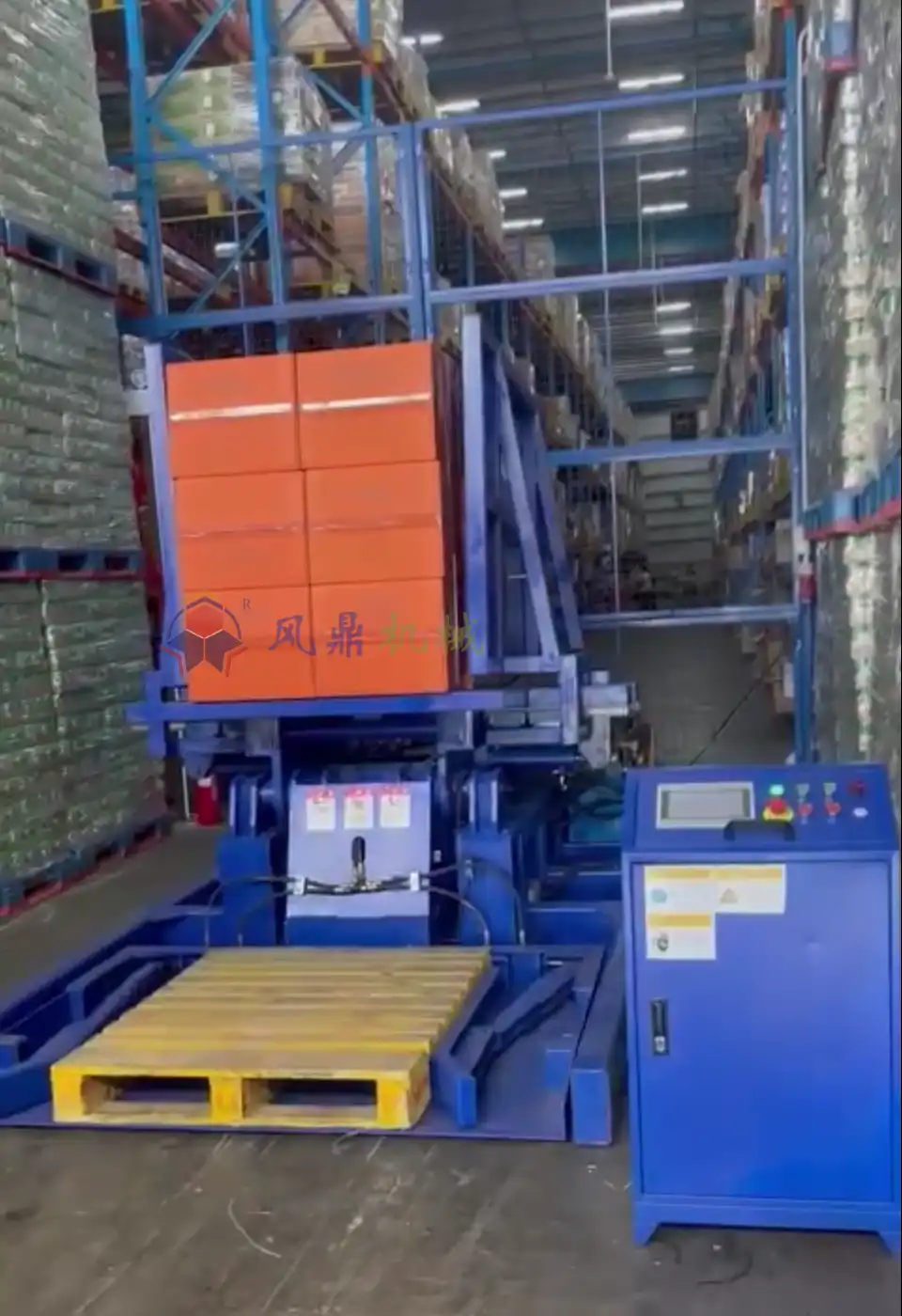
My journey in the packing machine world taught me that safety is not just a buzzword. It is a fundamental part of a successful operation. In the past, workers would often use forklifts or even their bare hands to flip or change pallets. This is incredibly dangerous. Goods can fall, causing damage to the product itself. Workers can also suffer serious injuries, such as back strains, broken bones, or even worse. For a food exporter, damaged products mean financial losses. Worker injuries mean medical costs, lost productivity, and potential legal issues.
Pallet inverters are designed to handle products with extreme care and precision. The machine secures the load firmly before any movement happens. It then rotates or lifts the product to allow for the pallet exchange. This mechanical process replaces all manual interaction with the load itself. Workers operate the machine from a safe distance, usually with clear line of sight. This removes the worker from the immediate danger zone. It dramatically lowers the risk of accidents.
Think about the situation Carlos described. His warehouse experiences accidents from manual pallet flipping. This is a direct problem that a pallet inverter can solve. By automating this task, his company can prevent future incidents. This means fewer worker injuries. It means lower insurance premiums. It also means a more positive and secure work environment for his team. This is good for morale and productivity.
The safety benefits also extend to the product itself. Food products often require careful handling. Manual changes can lead to product deformation or damage. A pallet inverter ensures a smooth and controlled transfer. This keeps the food products in perfect condition. This is especially important for sensitive items. Maintaining product integrity is key for customer satisfaction and brand reputation. Investing in a pallet inverter is investing in the safety of your people and your products. It reflects a commitment to best practices in the food export industry.
How Do Pallet Inverters Ensure Compliance and Customer Satisfaction in Global Food Trade?
In the global food trade, compliance with various regulations is not optional. It is a must. Different countries have different rules for pallet types, hygiene, and handling. Not meeting these standards can lead to costly delays, fines, or even rejection of your shipment. On top of this, customers expect fast and reliable delivery. Missing these expectations can lead to lost business.
Pallet inverters ensure compliance and customer satisfaction in global food trade by enabling quick and accurate switching to destination-specific pallet types, which prevents shipping delays due to non-compliant pallets, and by improving overall logistics efficiency to meet tight delivery schedules. They help food exporters avoid penalties and build a reputation for reliability and quality.

During my years helping businesses with their packing and handling needs, I have seen firsthand the complexities of international trade. For food exporters, compliance is a constant challenge. You might need to use heat-treated wooden pallets for one market. For another, you might need plastic pallets to meet strict hygiene standards. Manually managing these changes is prone to human error. This can lead to very expensive problems.
A pallet inverter ensures that your products are always on the correct pallet for their final destination. This means you avoid issues at customs or during inspection. If a shipment arrives on the wrong type of pallet, it can be held up, or even sent back. This results in huge costs, lost revenue, and damage to your client relationships. With an inverter, you can quickly switch to the required pallet. This makes sure your shipment always meets the rules.
Beyond compliance, customer satisfaction is paramount. E-commerce and retail clients demand faster delivery times than ever before. If your internal logistics process is slow due to manual pallet changes, your delivery times will suffer. This leads to unhappy customers. They might even take their business elsewhere. Pallet inverters speed up the pallet exchange process dramatically. This allows your warehouse to handle more volume faster. It means products get out the door and to your customers more quickly.
For a logistics manager like Carlos, the ability to rapidly process and adapt shipments is critical. His clients expect efficiency. They expect their orders to arrive on time and in perfect condition. By implementing pallet inverters, his company can meet these demands consistently. This builds trust with clients. It also strengthens their position in a competitive market. Pallet inverters are not just tools for internal efficiency. They are strategic assets that help maintain market standing. They help ensure ongoing business success through compliant and timely deliveries. This commitment to efficiency and compliance is a cornerstone of modern food export logistics.
Conclusion
Pallet inverters are vital for food exporters, boosting efficiency, safety, and compliance. They enable rapid pallet switching and reduce labor needs. This allows businesses like Carlos’s to streamline operations and ensure customer satisfaction. Explore how a pallet inverter can transform your logistics.








