
Coil Wrapping Machine in Malaysia: How Does It Protect Steel and Aluminum?
Imagine your valuable steel coils and aluminum sheets, fresh off the production line in Malaysia, sitting exposed. Rain, dust, and handling damage are constant threats. Every scratch or speck of rust means lost money and unhappy customers. Many factory managers face this challenge, trying to protect their products while keeping costs down. This constant worry about product quality and customer complaints can be a huge drain.
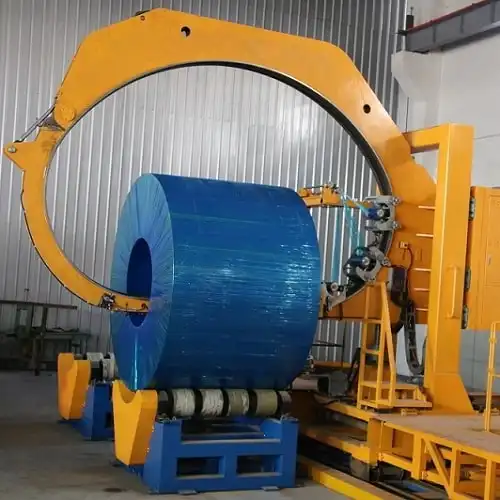
Coil wrapping machines protect steel and aluminum by creating a strong, multi-layered barrier around the metal. This barrier shields against moisture, dust, and physical damage during storage, transport, and handling. It locks in the quality of your product from your factory in Malaysia all the way to your customer’s door.
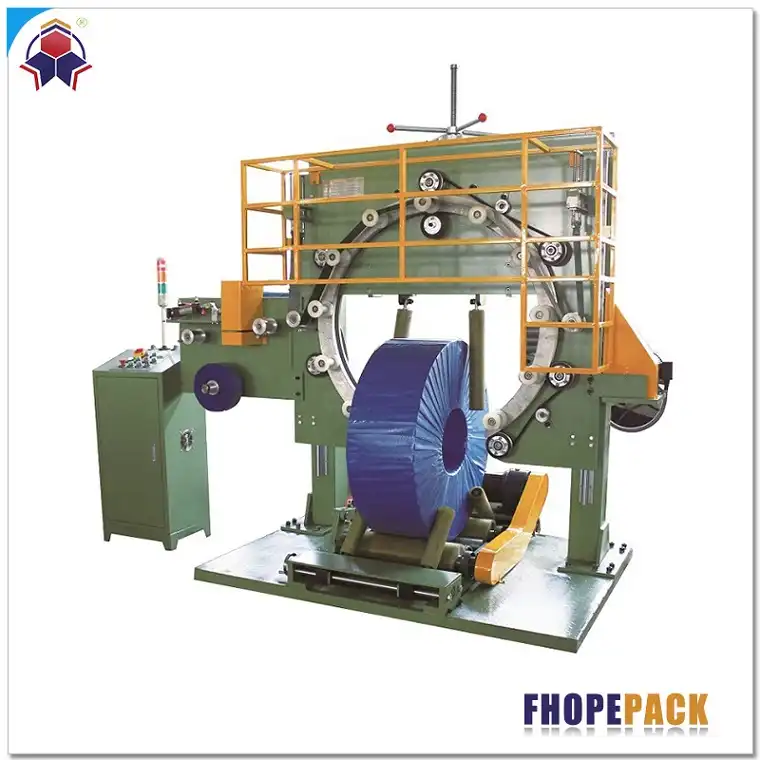
This initial protection is just the start. Let us dive deeper into why this matters so much for Malaysian metal industries. We will explore how these machines do more than just wrap. They safeguard your profits, improve your safety, and strengthen your business.
Coil Protection: Why Does It Matter for Metal Industries in Malaysia?
Are your metal products reaching customers in perfect condition? If not, you face a serious problem. In Malaysia, factors like high humidity, long transport routes, and varying storage conditions make metal products very vulnerable. This can lead to corrosion, dents, and surface damage. Such damage does not just mean financial losses. It also hurts your company’s reputation and customer trust. Over time, these issues can seriously impact your business growth.
Coil protection matters for metal industries in Malaysia because it prevents damage from the region’s humid climate, reduces risks during long-distance transit, and meets customer expectations for high-quality, undamaged goods, safeguarding both product value and business reputation.
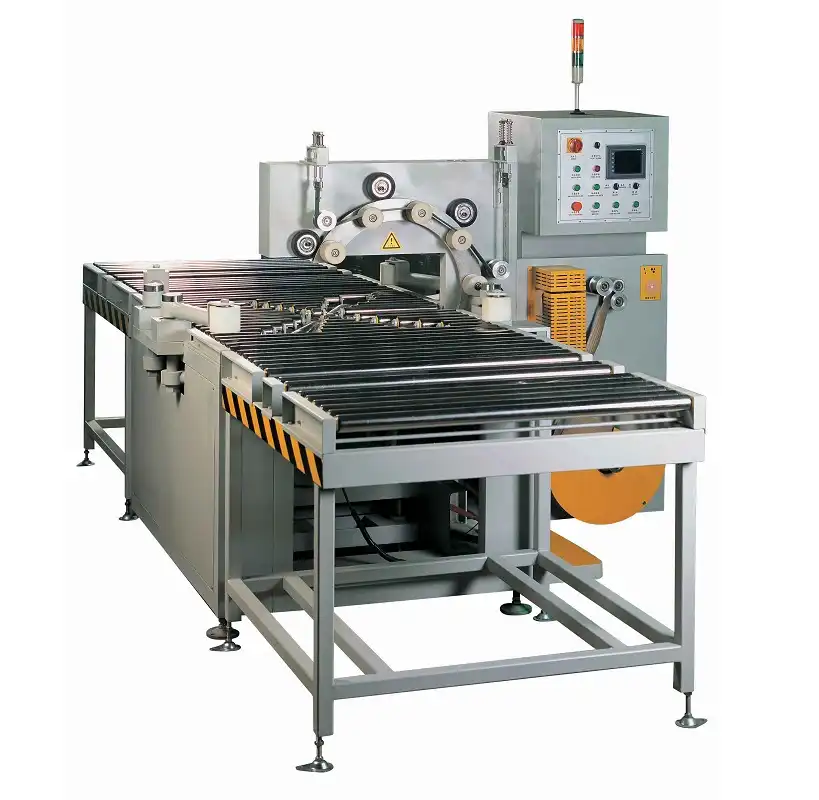
In my years working with packing machines and running my own factory, I have seen firsthand how much difference proper protection makes. It is not just about wrapping. It is about preserving the hard work put into making those coils. The unique challenges in Malaysia require smart solutions.
Specific Threats to Metal Coils in Malaysia
Malaysia’s environment presents several dangers to unprotected steel and aluminum coils.
- Humidity and Corrosion: The tropical climate means high humidity levels. This speeds up rust and corrosion on steel. Even aluminum can suffer from oxidation if not properly sealed. A good wrap creates an airtight or semi-airtight seal. This stops moisture from reaching the metal surface.
- Dust and Contaminants: Factories and transport routes often have dust and other particles in the air. These can settle on coils and cause surface defects. A tight wrap prevents these contaminants from sticking to the product.
- Physical Damage during Handling and Transport: Heavy coils move through many stages. They go from production to storage, onto trucks or ships, and then to the customer. Each move carries a risk of scrapes, dents, or edge damage. Forklifts, cranes, and rough roads can all cause harm. A robust wrap acts as a shock absorber. It protects against minor impacts and abrasions.
Think about the contrast between well-protected and unprotected coils.
| Feature | Unprotected Coils (Risk) | Protected Coils (Benefit) |
|---|---|---|
| Corrosion | High risk from humidity, rain, and saltwater exposure | Minimal risk due to moisture barrier and sealed environment |
| Physical Damage | Prone to dents, scratches, edge damage during transit | Reduced damage from impacts and abrasions |
| Contamination | Accumulation of dust, dirt, and industrial pollutants | Clean surface, free from external contaminants |
| Product Value | Decreased due to damage, leading to rejects/discounts | Maintained original quality and value |
| Customer Trust | Lowers confidence in supplier’s quality control | Boosts reputation for reliable, high-quality delivery |
| Logistics Cost | Increased returns, rework, and insurance claims | Reduced claims, smoother delivery, lower overall cost |
For a factory manager like Michael Chen, protecting coils means protecting the bottom line. It means fewer complaints, fewer returns, and better relationships with clients. It is an investment in quality that pays off significantly in the long run. My own journey showed me that a good product is only as good as its delivery. This makes coil protection a core part of business success, especially in a dynamic market like Malaysia.
What Makes a Coil Wrapping Machine Essential for Metal Manufacturers?
Do you still rely on manual methods to wrap heavy coils? If so, you probably know the problems this creates. Manual wrapping is slow, inconsistent, and often does not provide enough protection. This slows down your entire production line. It also leads to varied quality in your packaging, meaning some coils get good protection while others do not. This inconsistency can cause many headaches. It affects delivery times and product quality. It can even make your factory less competitive.
Coil wrapping machines are essential for metal manufacturers because they automate the entire packaging process, providing consistent, high-speed, and robust protection for heavy steel and aluminum coils. This automation eliminates manual labor, ensures uniform wrap quality, and significantly increases throughput, making the end-of-line process efficient and reliable.
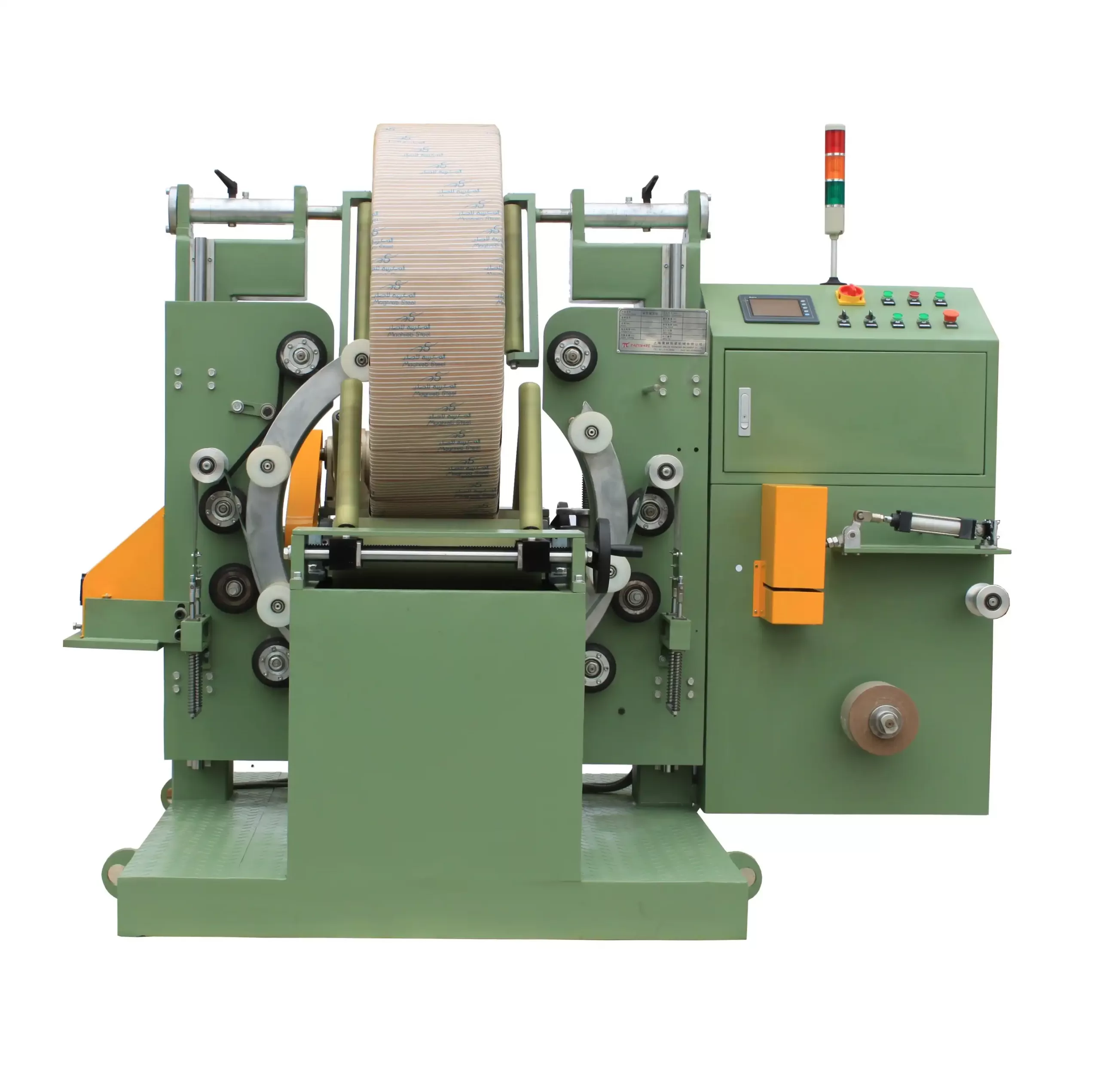
When I first started in the packing machine industry, I saw many factories struggling with manual methods. The difference after installing automated systems was huge. It was not just about wrapping faster. It was about wrapping smarter.
Key Benefits of Automated Coil Wrapping
Automated coil wrapping machines bring several critical advantages to metal manufacturers.
- Speed and Throughput: Manual wrapping takes a lot of time and effort. A machine can wrap coils much faster and continuously. This means products move out of the factory quickly. It helps meet tight deadlines and increases overall production capacity. This is vital for factories dealing with large volumes of steel or aluminum.
- Consistent Quality: Human wrapping can be inconsistent. Some wraps might be too loose, others too tight. A machine applies stretch film or other wrapping material with precise tension and overlap every time. This ensures every coil gets the same high level of protection. Consistency is key for brand reputation and customer satisfaction.
- Material Efficiency: Machines are designed to use wrapping materials optimally. They can apply just the right amount of film, reducing waste. This leads to cost savings on packaging materials over time. Manual wrapping often uses more material than needed.
- Handles Heavy and Bulky Loads: Steel and aluminum coils are very heavy. They are also often large and awkward to handle. Machines are built to manage these heavy loads safely and easily. They take the physical strain away from workers. This means better protection for both the product and the people.
- Integration with Production Lines: Modern coil wrappers can be integrated into existing production lines. This creates a smooth, automated flow from the manufacturing process to the final packaging. It removes bottlenecks at the end of the line.
Let us compare manual wrapping versus automated machine wrapping for metal coils.
| Aspect | Manual Coil Wrapping | Automated Coil Wrapping Machine |
|---|---|---|
| Speed | Slow, labor-intensive | Fast, high-throughput |
| Consistency | Varies greatly based on operator skill | Uniform tension and overlap, high consistency |
| Labor Requirement | High, often requires multiple workers | Low, usually one operator to monitor |
| Safety | High risk of injury from heavy lifting/handling | Significantly reduced manual interaction, safer |
| Material Usage | Often wasteful, inconsistent film usage | Optimized, precise film application, less waste |
| Product Protection | Can be insufficient, prone to gaps | Comprehensive, tight seal, superior protection |
| Integration | Disrupts flow, often a bottleneck | Seamlessly integrates, improves overall line efficiency |
| Cost | High labor costs, potential for product damage costs | Higher initial investment, lower operational costs, faster ROI |
These machines are not just an expense. They are a strategic investment. They improve efficiency and quality. This helps a factory manager, like Michael Chen, meet his goals for increased output and lower costs. My own factory grew because we focused on efficient, reliable solutions. Automated wrapping is a core part of that.
How Do Coil Wrapping Machines Improve Safety and Reduce Costs?
Is your factory constantly dealing with workplace injuries related to heavy lifting? Are your insurance costs rising because of these incidents? Many factories face the high costs and safety risks that come with manually handling large, heavy metal coils. This includes workers straining their backs or dropping products. Such incidents cause injuries, but also damage products. They lead to lost time, high medical bills, and reduced employee morale. This cycle of risk and expense is a major challenge for many businesses.
Coil wrapping machines improve safety by drastically reducing the need for manual handling of heavy coils, thus preventing injuries. They reduce costs by lowering labor expenses, minimizing product damage during packaging, decreasing insurance claims from accidents, and increasing overall operational efficiency through faster, more reliable processes.
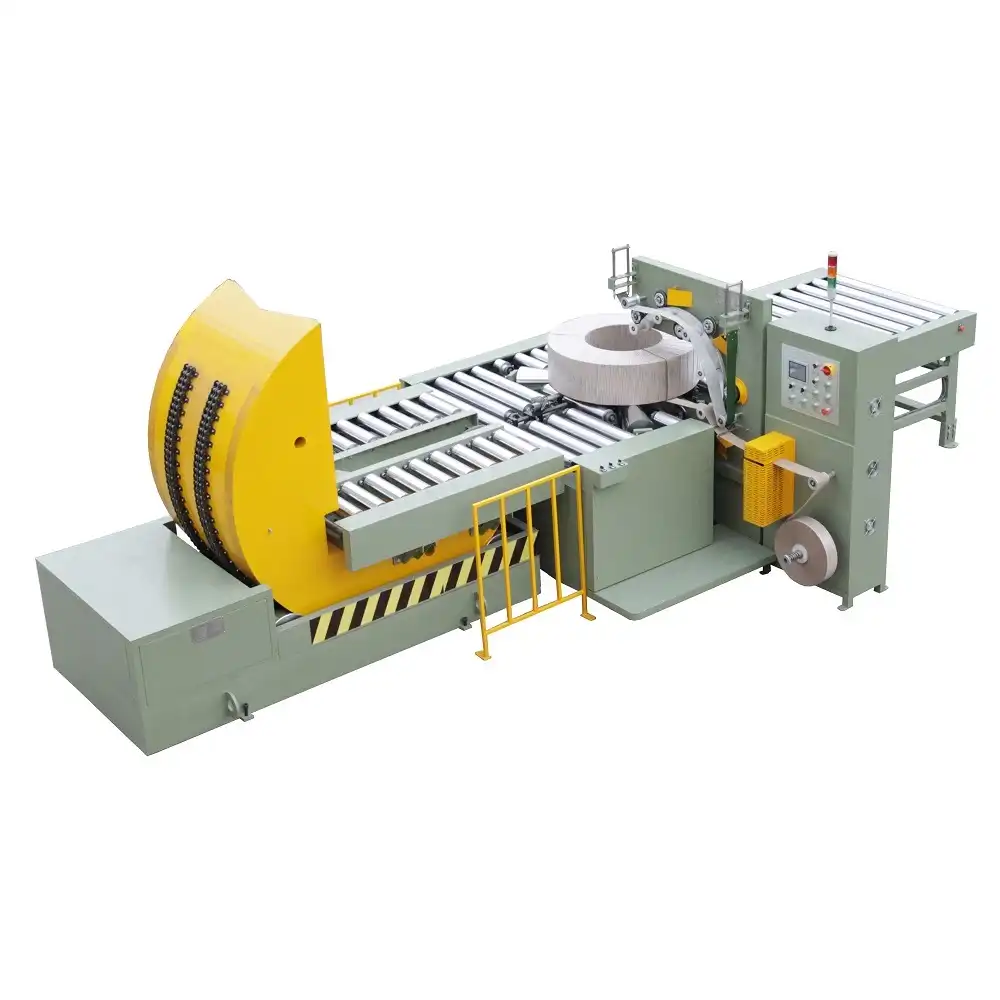
From my experience, safety and cost are two sides of the same coin. An unsafe operation is almost always an expensive one. Investing in the right machinery changed how my own factory operated. It made the workplace safer and more profitable at the same time.
Detailed Breakdown of Safety and Cost Improvements
Coil wrapping machines offer tangible improvements in both safety and cost.
-
Enhanced Worker Safety:
- Reduced Manual Handling: The biggest safety gain comes from minimizing direct human interaction with heavy coils. Machines load, wrap, and unload with little or no manual lifting. This eliminates strain injuries, crush injuries, and accidents from dropped coils.
- Safer Work Environment: With less manual intervention, the workspace around the packing area becomes safer. Workers are less exposed to moving heavy machinery parts or the risk of coils falling during transport.
- Compliance with Regulations: Implementing automated systems helps factories meet strict occupational safety and health regulations, especially important in countries like Malaysia. This avoids potential fines and legal issues.
-
Significant Cost Reductions:
- Lower Labor Costs: Automated machines require fewer operators compared to manual wrapping. This frees up staff for other tasks or reduces the need for as many packing personnel. This leads to direct savings on wages and benefits.
- Reduced Product Damage: As discussed, machines provide consistent and robust protection. This dramatically cuts down on product damage during internal handling, storage, and external transport. Fewer damaged coils mean fewer rejections, fewer customer complaints, and less material waste.
- Decreased Insurance Premiums: Fewer workplace accidents and injuries mean fewer insurance claims. Over time, this can lead to lower premiums for worker’s compensation and other industrial insurance.
- Increased Throughput and Efficiency: Faster packing times mean more products can be processed in the same amount of time. This boosts overall factory output without increasing labor hours. Higher efficiency means lower cost per unit.
- Optimized Material Usage: Machines apply wrapping materials precisely, minimizing waste. This directly reduces the recurring cost of packaging film or paper.
Consider a factory operating with manual wrapping versus one with an automated coil wrapper:
| Aspect | Manual Wrapping Factory | Automated Wrapping Factory |
|---|---|---|
| Worker Injuries | High risk of strains, crush injuries, higher lost time | Minimal risk, workers operate safely from a distance |
| Insurance Premiums | Potentially higher due to increased claim frequency | Lower due to reduced accidents and safer operations |
| Product Damage Rate | Higher due to inconsistent wraps and manual handling errors | Significantly lower due to consistent, secure wrapping |
| Labor Expense (Packing) | High, multiple workers needed per shift | Low, often one operator oversees multiple machines |
| Packaging Material Cost | Often higher due to waste and inconsistent application | Optimized, precise usage, leading to material savings |
| Throughput | Limited by manual speed and fatigue | High and consistent, capable of continuous operation |
| Return on Investment (ROI) | Negative due to ongoing costs and losses | Positive, with clear savings in labor, materials, and damage |
For managers like Michael Chen, these improvements are not just abstract ideas. They translate directly into a stronger balance sheet and a more productive, safer work environment. My personal drive to automate my own factory was exactly about these benefits. I saw the struggles and knew there was a better, safer, and more profitable way.
Choosing the Right Coil Wrapper: What Should Malaysian Factories Consider?
Are you thinking about investing in a coil wrapping machine but feel overwhelmed by the choices? Buying a new piece of equipment is a big decision. A wrong choice can lead to wasted money, continued production problems, and frustration. Many factory managers worry about making the right investment. They need a machine that truly fits their needs and budget, and that will deliver real value.
Malaysian factories should carefully consider their specific coil dimensions (weight and size), required production volume, the type of metal being wrapped (steel or aluminum), available factory floor space, their overall budget, and, critically, the supplier’s reputation for reliable after-sales support and spare parts availability when choosing a coil wrapping machine. 
My journey from an engineer to a factory owner taught me that buying equipment is not just a transaction. It is about finding the right partner and the right tool for the job. This is especially true for an important investment like a coil wrapping machine.
Key Considerations for Selecting a Coil Wrapper
Choosing the ideal coil wrapping machine involves looking at several factors.
-
Coil Specifications:
- Size and Weight: First, measure the range of your coils. What are their minimum and maximum diameters, widths, and weights? The machine must be able to handle your largest and heaviest coils. It must also adapt to smaller ones.
- Material Type: Are you wrapping steel, aluminum, or both? Some machines are more suited for specific materials. They might have different tension settings or handling mechanisms.
-
Production Requirements:
- Volume: How many coils do you need to wrap per hour or per shift? This determines the required wrapping speed and automation level of the machine.
- Integration: How will the coil wrapper fit into your existing production line? Does it need to be fully automatic with conveyors, or can it be a standalone unit? Seamless integration saves time and prevents bottlenecks.
- Wrapping Material: What kind of film or material do you plan to use (stretch film, VCI film, paper)? Make sure the machine supports your preferred material.
-
Factory Environment and Budget:
- Available Space: Coil wrappers can be large. Measure your factory floor space carefully to ensure the machine will fit without disrupting other operations.
- Budget and ROI: Consider the upfront cost of the machine. Also, think about installation, training, and ongoing maintenance. Calculate the potential return on investment (ROI). Look at savings from labor, reduced damage, and increased efficiency. This helps justify the investment.
- Power Requirements: Check the electrical power available in your factory. Make sure it matches the machine’s requirements.
-
Supplier and Support:
- Reputation: Choose a supplier with a proven track record. Look for companies known for quality machines and good customer service. I learned that a good supplier is a true partner.
- After-Sales Service: This is crucial. What kind of warranty, maintenance, and technical support do they offer? How quickly can they provide spare parts, especially in Malaysia? Long-term support ensures your machine keeps running smoothly.
- Training: Does the supplier offer training for your operators and maintenance staff? Proper training ensures safe and efficient operation.
For factory managers in Malaysia, finding a supplier who understands the local context and offers reliable local support is a big plus. When I built my factory, I learned that the relationship with my equipment suppliers was vital. It was not just about the machine. It was about the knowledge and support they brought. Michael Chen’s challenges include a “supplier trust crisis,” meaning this point about reliable partnership is especially important.
My Insights!
Do you ever feel like you are navigating a maze when it comes to factory equipment? Making the right choices about machinery can be complex. Without a deep understanding, these decisions can carry big risks. Many factory managers, like Michael Chen, have faced issues with suppliers who just want to sell a machine and then disappear. This leaves you feeling frustrated and with problems unsolved. I know this feeling well from my own journey.
From my experience establishing and growing a packing machine factory, I have learned that true success comes from understanding the client’s specific pain points, focusing on reliable, long-term solutions, and fostering genuine partnerships. It is not just about selling a coil wrapping machine; it is about providing expertise that solves production bottlenecks, improves safety, and drives business growth.
My journey in the packing machine industry started as an employee. Later, I built my own successful factory. This path showed me what truly works and what does not. I achieved financial independence thanks to this industry. I also helped many clients grow their businesses. Now, I want to give back. I want to share my insights so others can succeed too.
What I Learned from Building a Packing Machine Business
My experience taught me that the core of our business is not just about the machines we build. It is about the solutions we provide and the relationships we foster.
- Understand the Real Problem: When a client comes to me, I do not just hear “I need a coil wrapping machine.” I hear “I have slow production, damaged goods, and high labor costs.” My first step is always to deeply understand their specific challenges, like Michael Chen’s efficiency bottlenecks, safety risks, and product loss. Only then can I recommend the right solution. A generic machine does not solve specific problems.
- Focus on Reliability and Longevity: In the heavy industry, downtime is devastating. A cheap machine that breaks often costs far more in the long run. I always advise investing in robust, durable equipment that can withstand demanding factory environments. This is why I focus on quality in my own operations. It ensures that the machines we provide are not just working today but for many years to come.
- The Importance of Partnership, Not Just Sales: Michael Chen expressed a “supplier trust crisis.” I understand this completely. I believe in being a true partner. This means offering expert advice before the sale, providing excellent after-sales support, and ensuring spare parts are available. It means standing by our products and helping clients get the most out of their investment. This builds trust and long-term success for both sides.
- Measuring Real ROI: Every investment must show a return. I help clients see the full picture of ROI. This includes savings from reduced labor, fewer product rejections, lower insurance costs, and increased production capacity. For me, success means seeing my client’s business grow and achieve their goals, just as Michael did with his clients.
- Continuous Improvement: The industry is always changing. Technology advances. Customer needs evolve. I always encourage continuous improvement in factory processes. This means looking for ways to optimize, automate, and innovate. My own business grew because I never stopped learning and improving.
My biggest insight is this: A machine is only a tool. Its true value comes from how it is applied, the problems it solves, and the expertise backing it. When you consider a coil wrapping machine for your factory in Malaysia, look beyond the price tag. Look for the partner who understands your world, shares your goals, and commits to your long-term success. That is the FHOPEPACK way.
Conclusion
Coil wrapping machines are vital for Malaysian metal industries. They protect steel and aluminum from damage, boost safety, and cut costs. Choosing the right machine ensures product quality and business growth.









