
Why pallet inverter is critical for pallet standardization in healthcare supply chains?
Imagine a vital shipment of medicines arriving at a European distribution center. But then, you find out the pallets are not the right size for internal storage or for the next leg of the journey. This causes an immediate halt. You face delays, extra labor, and even potential damage to sensitive products. Such problems are a common nightmare in complex healthcare supply chains. They lead to wasted time and money. They also put patient care at risk. What if you could avoid these issues entirely?
Pallet inverters are crucial for standardizing pallets in healthcare supply chains. They enable quick, safe, and efficient transfer of goods between different pallet types, such as wooden to hygienic plastic pallets. This process reduces contamination risks, improves operational flow, meets strict regulatory compliance, and minimizes manual handling. Ultimately, pallet inverters ensure product integrity and streamline logistics, which are vital for patient safety and efficient healthcare delivery.

I have spent many years in the packing machine industry. My journey taught me that every challenge in logistics has a smart solution. I have seen how the right machine can transform a business. So, let us look closer at how pallet inverters make a real difference. We will explore how they solve big problems in healthcare logistics.
Why is pallet standardization a vital concern in healthcare logistics?
Healthcare logistics handles highly sensitive products. These can be medicines, vaccines, or medical devices. They all need careful handling. They also need to meet strict rules. Pallet standardization means using one type of pallet, or easily switching between types. This is not just about making things neat. It is about safety, compliance, and efficiency. When different countries or internal departments use varying pallet sizes, problems start. For example, Euro pallets and US pallets have different dimensions. This creates big headaches when goods move across borders. My own experience building packing machine factories showed me the power of standardized processes. This applies to pallets too.
Pallet standardization in healthcare logistics is vital because it ensures product integrity, meets strict regulatory requirements, and improves operational efficiency across complex supply chains.
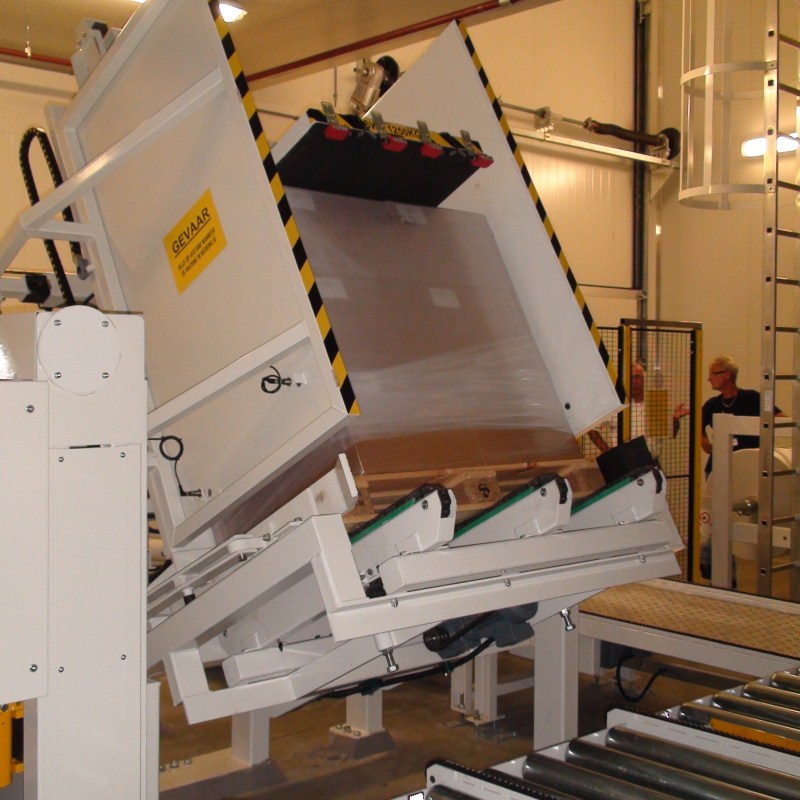
Healthcare products must stay clean and safe. Many regulations, like those from the FDA or EMA, demand this. Wooden pallets can carry pests or absorb moisture. They can also splinter, which might damage packaging. Plastic pallets are easy to clean. They do not have these problems. This makes them ideal for sterile environments. But switching from a wooden shipping pallet to a plastic internal pallet is hard. Without the right tools, it takes a lot of manual work. This slows down operations. It also raises the risk of errors or contamination. I have seen how costly non-compliance can be for businesses. Fines and product recalls are huge blows. This is why having a reliable way to standardize pallets is key. It helps avoid these serious issues. The table below shows some common pallet types and their typical uses in healthcare. This shows why switching is often needed.
| Pallet Type | Common Materials | Advantages in Healthcare | Disadvantages in Healthcare |
|---|---|---|---|
| Wooden Pallet | Pine, Oak | Lower cost, widely available, high load capacity | Absorbs moisture, splinters, harder to clean, pest risk |
| Plastic Pallet | HDPE, PP | Hygienic, washable, durable, consistent size, no splinters | Higher initial cost, less common for international use |
| Metal Pallet | Steel, Aluminum | Very strong, highly durable, easy to clean | Heavy, highest cost, specialized applications |
This diversity means businesses need flexible solutions. They need to handle different pallets without stopping their flow. My aim has always been to provide tools that solve real-world problems. For healthcare, that problem often starts with the pallet. Making sure goods are on the right pallet is the first step to a smooth operation.
How do different pallet types impact healthcare supply chain efficiency and safety?
Handling many different pallet types in a healthcare supply chain causes big problems. It often leads to major inefficiencies. It also creates serious safety risks for workers. Imagine workers manually shifting heavy loads from one pallet type to another. This is slow and tiring. It is also dangerous. My early days working at a packing machine factory showed me how much effort goes into moving goods. When processes are not optimized, costs go up. Speed goes down. This is especially true when you deal with critical healthcare products. Every second counts. Every error can have serious consequences.
Different pallet types directly impact healthcare supply chain efficiency by slowing down operations due to manual handling, and they compromise safety through increased risks of worker injury and product damage.

Manual pallet switching often means using forklifts for awkward maneuvers. Or it means workers physically transferring items. This is not only slow, but it also increases the risk of product damage. Imagine a box of expensive vaccines falling because a worker slipped. The financial loss is huge. The impact on patient care is even worse. Also, workers can get hurt. Back injuries, crushed hands, or falling objects are common. I have heard many stories of accidents in warehouses. These accidents cost companies a lot in medical bills and lost work time. They also hurt morale. In a sector like healthcare, where labor is already tight, keeping workers safe is a top priority. My experience has always taught me to look for ways to protect workers. Automated solutions are often the best answer. This is where pallet inverters shine. They take the dangerous manual work out of the process. The table below highlights the stark contrast between manual and automated pallet switching methods. This shows why automation is a must for modern healthcare logistics.
| Aspect | Manual Pallet Switching | Automated Pallet Switching (with Pallet Inverter) |
|---|---|---|
| Efficiency | Slow, labor-intensive, causes bottlenecks | Fast, continuous flow, high throughput |
| Safety (Workers) | High risk of injuries (back, hands), falling goods | Very low risk, remote operation |
| Safety (Products) | High risk of damage, contamination, human error | Low risk, controlled process, secure handling |
| Cost | High labor costs, injury compensation, product loss | Lower operational costs, reduced insurance claims |
| Consistency | Varies with worker skill and fatigue | Highly consistent, repeatable process |
Healthcare supply chains need to move fast. They also need to be perfectly accurate. Manual processes are simply not up to the task. They introduce too many variables. They also add too much risk. By understanding these challenges, we can see why solutions like pallet inverters are not just an option. They are a necessity for any healthcare facility aiming for top performance.
What specific benefits do pallet inverters bring to healthcare operations?
Pallet inverters offer many direct benefits to healthcare operations. They tackle the core problems of hygiene, efficiency, and safety head-on. My mission is to share knowledge that helps businesses grow. I have seen how the right machine can transform a warehouse. For healthcare, a pallet inverter is more than just a machine. It is a tool for better patient safety and better business. It helps healthcare providers meet their strict demands. This includes getting products where they need to go, quickly and safely.
Pallet inverters bring critical benefits to healthcare operations, including enhanced hygiene through easy transfer to clean pallets, significant improvements in operational speed, and a drastic reduction in manual handling risks for both workers and sensitive products.

One major benefit is improved hygiene. Healthcare facilities need to keep internal environments sterile. This means goods often need to move from external wooden pallets to clean, plastic internal pallets. A pallet inverter makes this switch smooth and contamination-free. The machine securely holds the load and flips or transfers it. This means no manual contact with the product. It also means no need for workers to wrestle with heavy, potentially dirty pallets. This is a game-changer for maintaining a sterile chain of custody. Another benefit is speed. Manual pallet changing takes time. It can take several minutes per pallet, depending on the load. An automated pallet inverter can do this in seconds. This greatly speeds up goods reception and dispatch. It means faster stock rotation. It also means quicker order fulfillment. In healthcare, faster means more lives saved. It also means better service for patients. My clients have always valued speed and efficiency. I know this from my own factory.
Pallet inverters also boost safety. They remove the need for people to lift or flip heavy items. This lowers the risk of muscle strains, cuts, and falling product. It also reduces forklift incidents related to awkward maneuvers. This protects workers. It also lowers insurance costs for the company. Furthermore, these machines protect the integrity of the product. They handle loads gently and consistently. This prevents damage to fragile or expensive medical supplies. Different types of pallet inverters exist to suit different needs. Some just flip the load. Others transfer the load to a new pallet while keeping it upright. Some use a top clamp. Others use side clamps. This allows for flexibility in handling various products. The choice depends on the specific product, pallet types, and required speed. But the core benefits remain the same:
- Enhanced Hygiene: Easy transfer to clean, washable plastic pallets for sterile environments.
- Increased Speed: Quick, automated pallet changes reduce processing time and bottlenecks.
- Improved Safety: Eliminates manual lifting and awkward handling, protecting workers and products.
- Cost Savings: Reduces labor needs, lowers injury claims, and minimizes product damage.
- Space Optimization: Allows for efficient stacking and storage using preferred internal pallets.
These benefits directly help healthcare supply chains meet their demanding requirements. They ensure compliance. They also boost efficiency. This ultimately leads to better patient outcomes.
How can businesses select the right pallet inverter solution and partner for long-term success?
Choosing a pallet inverter is not just about buying a machine. It is about investing in a solution. It is also about finding a partner who truly understands your business. My journey from an employee to a factory owner taught me this. I learned that good partners offer more than just a product. They offer insights, support, and reliability. For healthcare supply chains, this choice is even more critical. A wrong decision can cost a lot of money. It can also cause major operational headaches. You need a system that works perfectly, every time. You also need a supplier who stands by their equipment.
Businesses can select the right pallet inverter solution by carefully assessing their specific operational needs, pallet types, and automation goals. They must also choose a partner with a proven track record, extensive industry knowledge, and strong after-sales support to ensure long-term success and optimal performance.
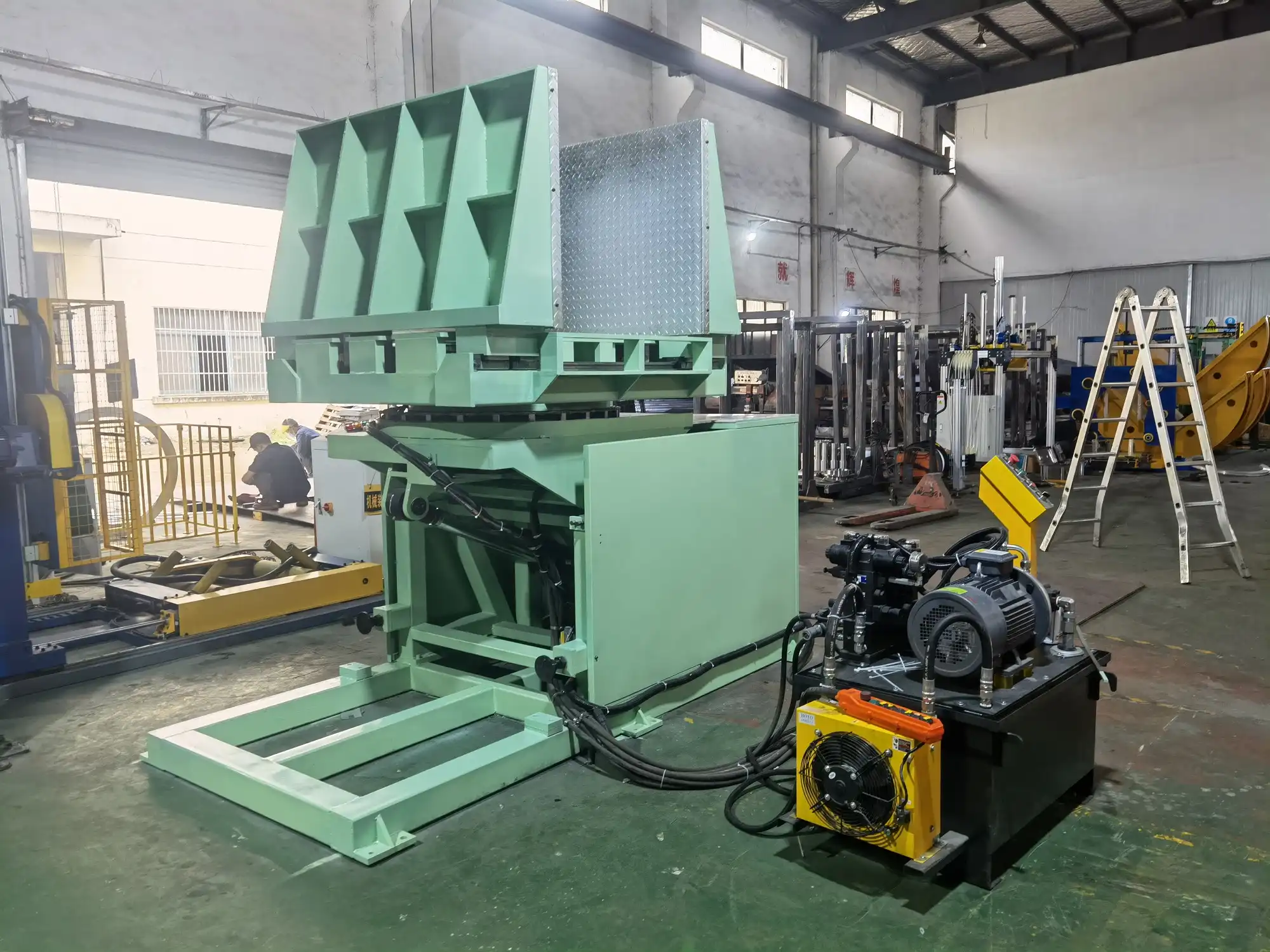
First, assess your needs. How many pallets do you handle each day? What are the sizes and weights of your pallets and products? Do you need to flip the entire load, or just transfer it to a new pallet? Do you need a fully automatic system, or is a semi-automatic one enough? These questions help narrow down the type of inverter you need. For example, some units are designed for heavy, stable loads. Others are better for fragile or unstable goods. Some can handle multiple pallet sizes. Others are fixed for specific dimensions. My company, FHOPEPACK, always focuses on understanding the client’s unique situation first. We do not just sell machines. We provide tailored solutions. That is the core of what I believe in.
Second, consider the supplier. Do they have experience in your industry? Do they understand the specific challenges of healthcare logistics? What kind of after-sales support do they offer? This includes installation, training, maintenance, and spare parts. A reliable partner will offer ongoing support. They will not disappear after the sale. They will help you troubleshoot problems. They will also help you optimize your system over time. This long-term relationship is vital for any equipment purchase. Especially for critical infrastructure like a pallet inverter. A good partner should also be able to offer customization. Every warehouse is different. Standard solutions do not always fit perfectly. A supplier who can adapt their machines to your specific layout or process flow is invaluable. Here is a checklist for selecting your solution and partner:
| Selection Factor | Key Questions to Ask |
|---|---|
| Operational Needs | What are my daily pallet volumes? What pallet types do I use (in/out)? |
| Product Characteristics | Are my products fragile? What are the maximum load dimensions/weights? |
| Automation Level | Do I need fully automatic, semi-automatic, or manual assistance? |
| Space & Layout | How much space do I have? How will the inverter fit into my workflow? |
| Supplier Experience | Do they have specific experience with healthcare or similar industries? |
| Technical Support | What are their maintenance, spare parts, and troubleshooting policies? |
| Customization Capability | Can they adapt the machine to my specific requirements? |
| References & Reputation | Can they provide customer references? What is their industry reputation? |
By asking these questions, businesses can make an informed decision. They can choose a solution that truly meets their needs. They can also find a partner who will support their operations for many years to come. This ensures a smoother, safer, and more efficient healthcare supply chain.
Conclusion
Pallet inverters are essential for modern healthcare supply chains. They boost hygiene, speed, and safety. This helps meet strict rules and keeps patients safe. Choosing the right pallet inverter and partner ensures long-term success.








