
Which pallet inverter is best for pharmaceutical plants to meet GMP standards?
Ensuring product integrity and patient safety is critical in pharmaceutical manufacturing. Imagine a batch of life-saving medicine compromised because of poor handling. This thought keeps many plant managers up at night. The seemingly simple task of moving products on pallets can introduce huge risks if not done right. This is especially true when you need to change pallets without touching the product itself.
The best pallet inverter for pharmaceutical plants needs to meet strict GMP standards. It must provide gentle product handling, ensure easy cleaning, prevent contamination, and offer reliable, safe operation. These machines help maintain sterility and product quality throughout the pallet changing process.

Many pharmaceutical companies struggle with finding the right equipment. They want solutions that integrate seamlessly into their operations. This means avoiding anything that could cause delays or compliance issues. I have seen this firsthand in my years in the packing machine industry. Choosing the wrong pallet inverter can lead to costly problems. Let us explore how to make the right choice for your facility.
What GMP standards must a pallet inverter meet in pharmaceutical plants?
Pharmaceutical companies operate under very strict rules. Good Manufacturing Practices, or GMP, are essential for product quality and safety. Ignoring these standards can lead to serious consequences. This includes product recalls, regulatory penalties, and damage to a company’s reputation. Every piece of equipment in a pharma plant, including pallet inverters, must follow these guidelines.
A pallet inverter in a pharmaceutical plant must meet GMP standards by ensuring material compatibility, easy cleaning, minimal contamination risk, and validation readiness. It must also provide controlled, gentle handling to protect sensitive products. These elements are key for maintaining product integrity and process compliance.
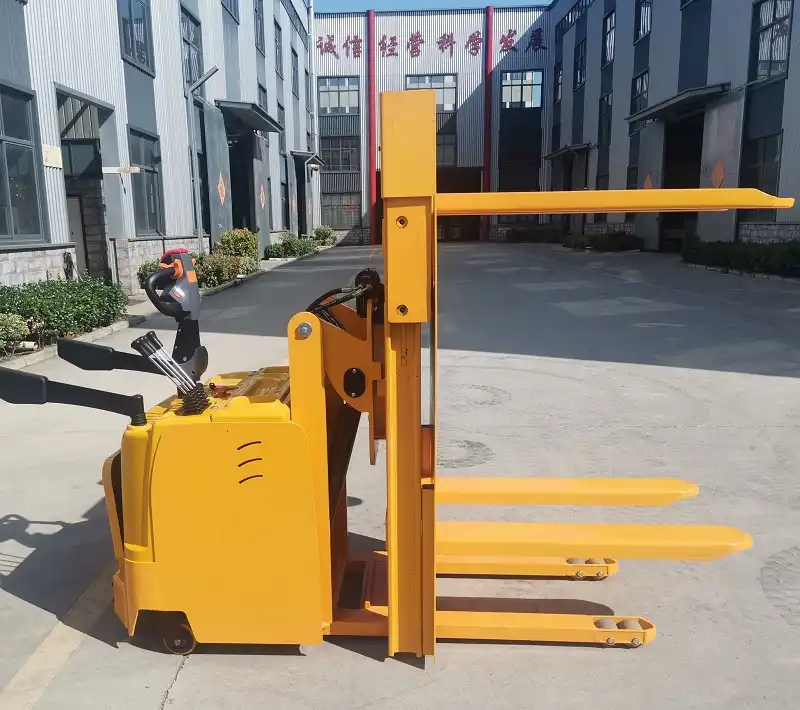
For me, helping clients avoid such pitfalls has always been a top priority. I started FHOPEPACK to share knowledge. I want to help you understand these critical details. When I began my career as a packing machine engineer, I quickly learned the value of robust design. This is especially true for demanding sectors like pharmaceuticals. You need to look beyond just the basic function of a machine. You must consider its full lifecycle within a GMP environment. This means thinking about cleaning, maintenance, and potential contamination points.
Let us break down the specific GMP requirements for pallet inverters. This will help you identify the right solution.
Key GMP Considerations for Pallet Inverters
-
Material Compatibility and Construction:
- Requirement: All parts of the pallet inverter that contact the product, or even operate within the controlled environment, must be made from non-reactive, non-shedding, and non-toxic materials. Stainless steel (e.g., 304 or 316L) is often preferred for its resistance to corrosion and ease of cleaning. Surfaces should be smooth. They should have minimal crevices where contaminants can gather. Welding should be continuous and polished. This prevents bacteria growth and makes cleaning easier. I have seen cases where a minor rust spot on a machine led to major audit findings. It is a detail that matters deeply.
- Impact: Poor material choice can lead to chemical leaching into products. It can also cause microbial contamination. This directly compromises product safety and efficacy.
-
Cleanability and Sanitization:
- Requirement: The machine design must allow for easy and thorough cleaning and sanitization. This often means open designs, readily accessible surfaces, and the ability to withstand harsh cleaning agents. It should also be easy to dismantle parts for deeper cleaning when necessary. Manufacturers should provide clear cleaning protocols. This includes validation of these procedures.
- Impact: If a machine cannot be properly cleaned, it becomes a breeding ground for microorganisms. This leads to cross-contamination between batches. It also means expensive production delays for cleaning issues.
-
Contamination Control:
- Requirement: The pallet inverter must minimize the risk of particulate, microbial, and cross-contamination. This means sealed bearings, dust-free operation, and a design that prevents lubricants or machine debris from falling onto products. If the inverter operates in a cleanroom, it must not generate excessive particles.
- Impact: Any contamination can render an entire batch of medicine unusable. It is a critical aspect for patient safety. It also has financial implications.
-
Validation and Documentation:
- Requirement: Pharmaceutical equipment needs full documentation for validation. This includes Installation Qualification (IQ), Operational Qualification (OQ), and Performance Qualification (PQ). The pallet inverter supplier must provide detailed manuals. They should offer material certifications, maintenance records, and design specifications. This helps the plant demonstrate that the machine consistently performs as intended.
- Impact: Without proper validation, the plant cannot prove the equipment works according to GMP. This can lead to regulatory non-compliance. It results in production shutdowns.
-
Ergonomics and Safety:
- Requirement: While not directly a GMP standard, operational safety is crucial in pharma plants. Machines should be safe for operators. They should reduce the risk of injury. This helps maintain a stable workforce. It also avoids accidents that could compromise product integrity.
- Impact: Accidents lead to worker injury, downtime, and potential product damage. They also increase costs for safety measures and insurance.
These points are not just theoretical. They are practical requirements that I have seen shape factory floors. When I help a client, I always stress these details. They are the backbone of a successful operation in a regulated industry.
What types of pallet inverters are available for pharmaceutical operations?
Choosing the right type of pallet inverter is like choosing the right tool for a specific job. You would not use a hammer to drive a screw. Similarly, not all pallet inverters fit the strict needs of a pharmaceutical plant. Over the years, I have seen many different designs. Each has its strengths and weaknesses. Understanding these types is the first step in finding the best fit for your GMP-compliant process.
Several types of pallet inverters are available, but only specific designs are suitable for pharmaceutical operations due to GMP requirements. These include free-standing pallet inverters, mobile pallet changers, and fully automated systems. Each type offers different levels of automation, speed, and suitability for various plant layouts and product types.

I remember one client who tried to adapt a standard industrial pallet inverter for their food processing line. It did not meet their hygiene standards. We had to work together to design a customized solution. That experience taught me the importance of matching the machine type to the specific industry demands. For pharmaceutical plants, this means prioritizing cleanliness, precise control, and robust construction.
Let us look at the main categories of pallet inverters. We will consider their typical use in pharmaceutical environments.
Categories of Pallet Inverters for Pharma Plants
-
1. Free-Standing Pallet Inverters (90-degree or 180-degree):
- Description: These are stationary units. They typically operate by clamping a load and then rotating it 90 or 180 degrees. They can change a pallet from bottom to top. Some models also allow side-to-side transfer. They are often built into a fixed location within the warehouse or production area.
- Suitability for Pharma: Moderate. Standard models may need significant modifications to meet GMP. This includes upgrading materials to stainless steel. They might also need special sealing for hydraulics. They are good for high-volume, repetitive tasks in a dedicated area. They are less flexible if the change point needs to move.
- Pros: High throughput, sturdy construction for heavy loads, can be integrated into fixed lines.
- Cons: Less flexible, often requires floor space. Can be harder to clean thoroughly unless specifically designed for pharma. Potential for contamination if not properly sealed and constructed.
-
2. Mobile Pallet Changers (Stand-alone or Forklift-attached):
- Description: These machines offer flexibility. They can move to different locations within the plant. They clamp the load at ground level. Then they lift it slightly to remove or exchange the pallet. Some are self-propelled. Others attach to a forklift.
- Suitability for Pharma: High. Mobile units are often easier to clean from all sides. They can be moved out of critical areas for maintenance. They are good for facilities that need to change pallets at various points. They are also useful where space is tight. They are excellent for separating incoming “dirty” pallets from internal “clean” pallets. This separation is very important in GMP environments. I have helped many clients improve their contamination control this way.
- Pros: High flexibility, excellent for point-of-use applications, easier to clean (especially mobile versions), can handle various pallet types (Euro, US, plastic).
- Cons: May have lower throughput than fixed systems for very high volumes. Requires operator intervention.
-
3. Fully Automated Pallet Changing Systems:
- Description: These are integrated solutions. They combine pallet inverters with conveyors, sensors, and robotics. They handle pallet changes with minimal or no human intervention. They are often part of a larger automated warehouse system.
- Suitability for Pharma: Very High. These systems offer the highest level of contamination control and consistency. They reduce human contact with products. This lowers the risk of human error and contamination. They are ideal for high-volume, critical processes. They often use advanced materials and designs for easy cleaning and validation.
- Pros: Maximum efficiency, highest level of automation, excellent for GMP compliance due to reduced human interaction, predictable operation.
- Cons: High initial investment, complex installation, requires specialized maintenance.
When considering these types, remember that the “best” option depends on your specific needs. This includes your budget, throughput requirements, and the layout of your plant. Each choice has implications for both efficiency and compliance.
How do specific pallet inverter features impact GMP compliance?
Choosing a pallet inverter for a pharmaceutical plant goes beyond just its basic function. You need to look at its features through a GMP lens. Every design choice, every material, and every operating mode can affect compliance. It can also impact the safety and purity of your pharmaceutical products. Ignoring these details can lead to major headaches down the road.
Specific pallet inverter features impact GMP compliance significantly by influencing hygiene, product protection, and operational integrity. Features like stainless steel construction, smooth welding, easy-to-clean design, minimal moving parts, and precise control are critical. They help prevent contamination, ensure gentle handling, and simplify validation for pharmaceutical use.
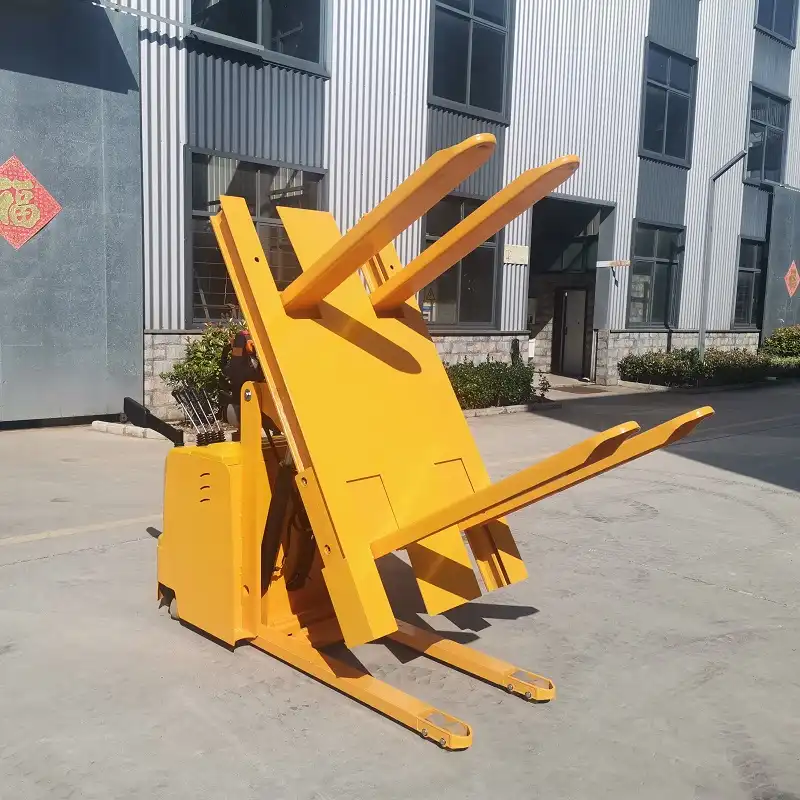
From my experience designing and building packing machines, I know that seemingly small details make a huge difference. I once worked on a project where a client needed a machine for a sterile environment. We spent weeks perfecting the sealing of every joint. We also specified a particular grade of stainless steel. These efforts ensured that their product remained pure. This careful approach is exactly what pharmaceutical plants need. It prevents costly issues like product recalls. It also protects patient trust.
Let us explore how key features relate directly to GMP.
Critical Pallet Inverter Features for GMP Compliance
-
1. Material of Construction:
- Impact on GMP: The primary material for pharmaceutical pallet inverters should be high-grade stainless steel, typically 304 or 316L. This is crucial because it offers superior corrosion resistance. It also allows for harsh chemical cleaning and sanitization without degrading. Non-shedding plastics may be used for specific components, but they must be FDA-approved. This prevents particle contamination. GMP demands that materials do not react with or contaminate the product.
- Detail: Cheaper alternatives like painted mild steel will rust. They can flake. They will harbor bacteria. They simply do not meet the standards required. A 316L stainless steel provides higher resistance to acids and chlorides. This is often needed in cleaning agents.
-
2. Design for Cleanability (Hygienic Design):
- Impact on GMP: A pallet inverter must have a sanitary design. This means smooth surfaces, rounded corners, and minimal horizontal ledges. It should have easily accessible components. It should have quick-release mechanisms for parts requiring frequent cleaning. All welds must be continuous, smooth, and polished. This prevents gaps where microbes can hide. Open frames are often preferred. They allow full access for wash-downs.
- Detail: Avoid designs with exposed threads, nuts, or bolts in critical areas. These can trap debris and moisture. They make cleaning impossible. Consider units with sloped surfaces for drainage. They prevent liquid pooling after cleaning. I often advise clients to think about their cleaning crew. If they cannot reach a spot easily, it is a potential GMP hazard.
-
3. Contamination Prevention Mechanisms:
- Impact on GMP: This includes sealed bearings and gearboxes. They prevent lubricants or metal particles from entering the product zone. Dust collection systems might be needed for dusty environments. Designs that minimize air turbulence or use HEPA filters in cleanroom applications are also vital. The goal is to ensure that nothing from the machine contaminates the pharmaceutical product.
- Detail: Pay attention to hydraulic systems. Ensure they are fully enclosed. Use food-grade hydraulic fluids if there is any risk of contact. Some advanced systems use electric motors instead of hydraulics to eliminate fluid contamination risks entirely.
-
4. Gentle Product Handling and Control:
- Impact on GMP: Pharmaceutical products can be fragile. They often come in sensitive packaging. The pallet inverter must operate smoothly. It should have adjustable clamping pressure. It needs controlled rotation speeds. This prevents product damage, crushing, or tipping. Smooth acceleration and deceleration protect the load’s integrity.
- Detail: Look for systems with soft-grip clamps or adjustable pressure settings. Programmable logic controllers (PLCs) allow for precise control over the cycle. This ensures consistent and gentle handling. This consistency helps with validation efforts.
-
5. Ease of Validation and Documentation:
- Impact on GMP: The supplier must provide comprehensive documentation. This includes material certifications, electrical schematics, operational manuals, and maintenance guides. The machine’s software should be validated if it controls critical parameters. This documentation is essential for IQ, OQ, and PQ. It proves the machine operates as intended and consistently meets GMP.
- Detail: A good supplier will work with you on your validation protocols. They will provide the necessary data and support. This partnership is crucial. It saves significant time and effort during audits. It also speeds up the equipment qualification process.
Considering these features carefully will guide you to a pallet inverter that not only works but also helps you maintain strict GMP compliance. It is an investment in your product’s quality and your company’s reputation.
What other critical factors should pharmaceutical plants consider when choosing a pallet inverter?
GMP compliance is paramount. But a pallet inverter also needs to function effectively within the broader plant environment. My experience has taught me that a machine, no matter how compliant, is useless if it does not fit the operational needs. This means looking at more than just the regulatory checklist. You must consider efficiency, safety, and long-term costs.
Beyond GMP, pharmaceutical plants must consider factors like machine reliability, operational safety features, throughput requirements, flexibility for various pallet types, ease of maintenance, and total cost of ownership. These practical considerations ensure the pallet inverter integrates smoothly, provides consistent performance, and delivers long-term value to the operation.
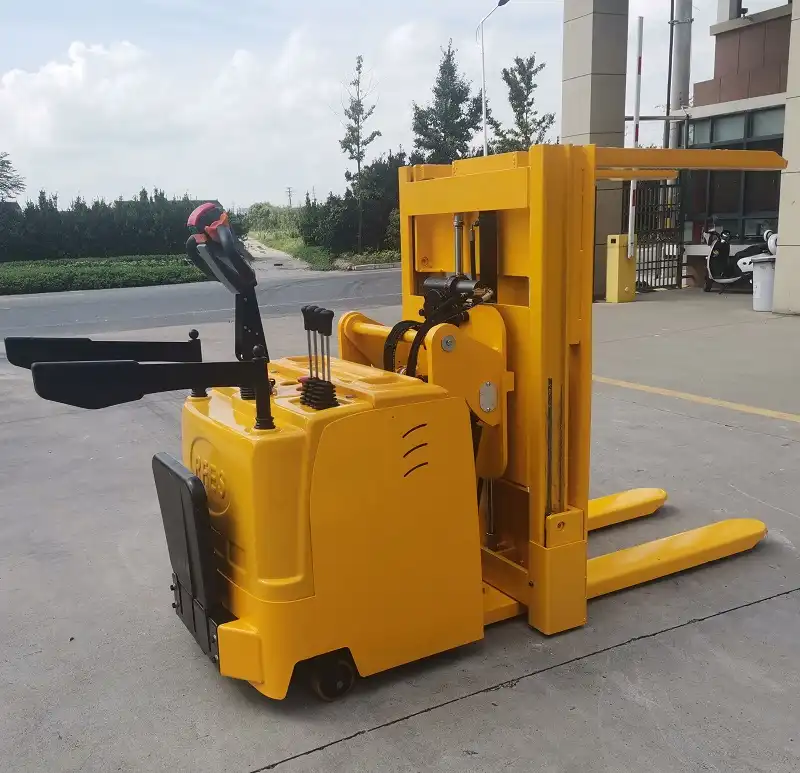
When I started my first packing machine factory, I learned a lot about client needs. It was not just about building a machine. It was about building a solution that truly helped their business grow. I saw how a reliable machine could save thousands in labor and downtime. I also saw how a poorly chosen one could cause endless headaches. For pharmaceutical plants, these “other factors” are just as vital as GMP compliance. They ensure the machine actually performs its intended role effectively and safely every single day.
Let us discuss these critical, non-GMP-specific, yet equally important factors.
Broader Considerations for Pallet Inverter Selection
-
1. Reliability and Uptime:
- Why it matters: Downtime in a pharmaceutical plant is incredibly expensive. It can halt production of critical medicines. You need a pallet inverter that works consistently, day in and day out. Look for robust construction, proven components, and a track record of durability.
- Detail: Ask about mean time between failures (MTBF). Ask about the availability of spare parts. A highly reliable machine prevents production delays and keeps your operations running smoothly. My clients always emphasize consistent performance. This is because any stop means huge losses for them.
-
2. Operational Safety Features:
- Why it matters: While mentioned briefly under GMP, safety deserves a standalone focus. Pallet inverters handle heavy loads. They involve moving parts. They must have comprehensive safety features. This includes emergency stop buttons, safety guarding, light curtains, and clear warning labels. They must also meet local safety standards.
- Detail: Consider how the machine protects operators from pinch points. Think about falling loads. Look for interlocks that prevent operation when guards are open. This protects your workforce. It also reduces accident risks. Accidents can disrupt production and lead to legal issues.
-
3. Throughput and Cycle Time:
- Why it matters: How many pallets do you need to change per hour? This dictates the required speed of your pallet inverter. Over-specifying can lead to unnecessary costs. Under-specifying can create bottlenecks. Match the machine’s capacity to your operational flow.
- Detail: Consider the full cycle time. This includes loading, clamping, rotating, changing the pallet, and unloading. Automated systems often offer faster cycle times than manual ones. Ensure the machine can keep up with your production pace.
-
4. Flexibility for Various Pallet Types and Load Sizes:
- Why it matters: Pharmaceutical companies often deal with different pallet standards. This includes Euro pallets, US pallets, and plastic hygienic pallets. The inverter should easily handle these variations. It should also accommodate a range of load dimensions and weights. Carlos, a logistics manager I know, faced huge challenges with different pallet sizes for international shipments. His need for flexibility was crucial.
- Detail: Look for adjustable clamping mechanisms. Check for programmable settings for different pallet and load configurations. This versatility avoids the need for multiple machines. It streamlines your inventory management.
-
5. Ease of Maintenance and Serviceability:
- Why it matters: Even the best machines need maintenance. An inverter designed for easy access to wear parts saves time and effort during servicing. This minimizes downtime. It also keeps maintenance costs down. A good supplier offers strong technical support and spare parts.
- Detail: Consider how simple it is to replace hydraulic hoses, electrical components, or wear pads. Ask about preventive maintenance schedules. Easy maintenance ensures a longer lifespan for the machine. It also ensures consistent operation.
-
6. Total Cost of Ownership (TCO):
- Why it matters: The purchase price is just one part of the cost. TCO includes energy consumption, maintenance, spare parts, labor, and potential downtime costs. A cheaper machine might have higher running costs. A more expensive one might be more efficient in the long run.
- Detail: Evaluate the energy efficiency of electric versus hydraulic models. Consider the cost of training operators. Factor in the long-term support from the manufacturer. I always encourage clients to look at the bigger picture, not just the upfront price. A good investment pays off over time.
By considering these factors alongside GMP requirements, you can make a well-informed decision. This decision will serve your pharmaceutical plant effectively for many years.
Conclusion
Choosing the right pallet inverter for pharmaceutical plants is about meeting GMP while ensuring efficient, safe operations. Focus on hygienic design, robust materials, and reliable performance. This ensures product integrity and long-term success. Explore our pallet inverter solutions for your needs.








