
Why a Pallet Inverter Is a Smarter Investment Than Manual Handling in Chemical Plants?
Imagine your chemical plant floor. You are managing huge volumes of sensitive, sometimes dangerous, products. Each day, you deal with countless pallets moving in and out. Now, think about your team. Are they manually handling these heavy, critical loads, trying to switch pallets by hand? If so, you are likely facing hidden risks, lost time, and unnecessary costs. This manual method, though traditional, is a ticking clock for safety issues and operational bottlenecks.
A pallet inverter offers a much smarter way to manage pallet transfers in chemical plants. It replaces risky, slow manual work with a safe, efficient, and consistent automated process. This change improves worker safety, increases operational speed, cuts down on product damage, and ensures your plant meets strict compliance standards, making it a wise investment for long-term success.

As someone who has spent years on the factory floor and then built a successful packing machine business, I understand the pressures you face. I have seen firsthand how the right equipment can change everything. It is not just about moving products. It is about protecting your people, your product, and your bottom line. Let us explore why making the switch to a pallet inverter is not just an option but a necessary step for any modern chemical plant.
Manual Pallet Handling in Chemical Plants: A Hidden Hazard?
Think about your warehouse crew manually trying to switch a pallet loaded with chemicals. One slip, one wrong move, and you could face serious consequences. From my experience, what seems like a simple task can quickly become a dangerous situation. Chemicals, by their nature, add an extra layer of risk. We are talking about potential spills, exposure to hazardous materials, and severe injuries from falling loads. This is not just theoretical; these are real dangers that I have seen play out in various industrial settings. Chemical plants have a special responsibility to keep their workers safe. Manual handling puts this safety at risk every single day.
When we talk about hidden hazards, we are not just thinking about big, obvious accidents. We are also considering the smaller, repetitive strain injuries that happen over time. Lifting and twisting heavy loads wears down the body. This leads to chronic pain, missed workdays, and higher insurance costs. In a chemical plant, the stakes are even higher. A worker who is distracted by pain or fatigue is more likely to make an error. An error can lead to a chemical spill. This can harm people, damage property, and create environmental problems. It is a chain reaction that starts with a seemingly small manual task. This is why addressing manual handling is so critical for safety and health.
Manual pallet handling in chemical plants brings several serious risks that often go unnoticed or are underestimated:
- Direct Exposure to Hazardous Materials:
- Risk: When workers manually manipulate pallets, especially during transfers or inversions, there is a higher chance of accidental leaks or spills. This increases direct contact with corrosive liquids, flammable substances, or toxic powders.
- Impact: Even with personal protective equipment (PPE), manual handling increases the risk of skin contact, inhalation, or ingestion of harmful chemicals. This can lead to acute health issues or long-term diseases.
- Solution: Pallet inverters keep workers at a safe distance from the load. The machine does the heavy and risky work. This greatly reduces the chance of chemical exposure. It creates a safer environment for everyone in the plant.
- Increased Risk of Physical Injury:
- Risk: Chemical products often come in heavy containers, drums, or bags. Manually lifting, pushing, or turning these heavy pallets can cause severe musculoskeletal injuries. These include back strains, sprains, and even crushed limbs.
- Impact: These injuries lead to significant worker suffering, long recovery times, and increased medical costs. They also result in lost work hours and a drop in overall plant productivity.
- Solution: Pallet inverters handle all the heavy lifting and rotating. They remove the need for manual strength. This protects workers from the physical strain and trauma associated with heavy load manipulation. It makes the job easier and safer.
- Potential for Product Damage and Spills:
- Risk: Human error is unavoidable. When pallets are handled manually, especially during complex transfers, there is a higher risk of dropping or mishandling the load. This can damage containers.
- Impact: Damaged containers in a chemical plant are not just a loss of product. They can lead to dangerous spills, contamination, or even explosions if flammable materials are involved. Cleanup costs are high. Regulatory fines can be severe.
- Solution: Pallet inverters offer a controlled and stable way to transfer loads. They use clamps or gentle tilting mechanisms. This greatly reduces the chance of drops or impacts. It keeps the product secure from start to finish. This protects both the product and the plant environment.
- Compliance and Regulatory Breaches:
- Risk: Chemical plants must follow strict safety regulations. These rules cover everything from handling hazardous waste to ensuring worker safety. Manual methods often make it harder to meet these high standards.
- Impact: Failing to comply can result in huge fines. It can also lead to legal action, plant shutdowns, and serious damage to the company’s reputation.
- Solution: Pallet inverters offer a standardized and documented process for handling materials. This makes it easier to show compliance with safety protocols. It helps maintain a record of safe operations. This is important for audits and regulatory checks.
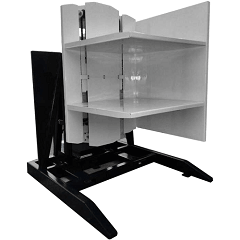
FHOPEPACK Pallet Inverter B-Series
Is Manual Pallet Changing Slowing Down Your Chemical Plant’s Output?
Think about how many times your chemical plant needs to switch pallets. Maybe you are moving goods from a wooden pallet to a plastic one for hygiene reasons. Or you are swapping a damaged pallet before shipping. Each of these manual changes takes time. It takes people. And in a chemical plant, time is often tied to very strict production schedules. Any delay can ripple through your entire supply chain. From my vantage point, seeing how production lines work, I can tell you that manual processes are almost always the biggest bottleneck. They act like a brake, slowing down everything else.
The issue is not just about the actual time spent on the change itself. It is also about the downtime. It is about the wait times. Workers need to coordinate. They need to find special tools. They often need to stop other tasks to help. This kind of stop-and-start work hurts your overall efficiency. In an industry where precision and speed are key, manual pallet changing simply does not fit. It limits how fast you can get products out. It also limits how many products you can produce. This directly impacts your plant’s ability to meet customer demands and grow your business. The cost of labor is also a huge factor. Paying workers for slow, high-risk tasks is not sustainable.
Manual pallet changing creates significant efficiency and labor challenges that can hinder a chemical plant’s output:
- Time-Consuming Process:
- Challenge: Manually changing pallets involves multiple steps. These steps include securing the load, often tilting it, and then carefully moving the product from one pallet to another. This process is slow. It needs significant human effort and careful handling.
- Impact: Each manual pallet change adds considerable time to the logistics process. When you multiply this by hundreds or thousands of pallets each day, the delays become very large. This directly impacts shipment schedules and overall plant throughput. It leads to production backlogs.
- Solution: A pallet inverter can complete a pallet change in just minutes. It does this with a single operator. The machine secures the load, rotates it, and places it onto a new pallet quickly and smoothly. This drastically reduces the time spent on each change. It speeds up the entire handling process.
- High Labor Intensity and Cost:
- Challenge: Manual pallet changing requires several workers to work together. This is especially true for heavy or unstable loads. These tasks are physically demanding. They lead to worker fatigue.
- Impact: Relying on multiple workers for a single task increases labor costs. It also diverts valuable human resources from more skilled or value-added activities within the plant. Finding and retaining staff for such strenuous work is also becoming harder.
- Solution: Pallet inverters are designed for one-person operation. They handle the physical demands of the job. This frees up other team members. They can then focus on tasks that truly need human intelligence and skill. This optimizes your workforce allocation and reduces overall labor expenses.
- Inconsistent Performance and Errors:
- Challenge: Human performance can vary. Factors like fatigue, inexperience, or distraction can lead to inconsistencies in how pallets are changed. This can cause errors.
- Impact: Inconsistent handling can result in damaged products, incorrect pallet placement, or delays due to rework. In a chemical plant, these errors can also lead to compliance issues or safety incidents. They add extra costs.
- Solution: Pallet inverters perform each change with mechanical precision and consistency. They follow preset parameters. This ensures every pallet transfer is done to the same high standard. This minimizes errors. It reduces product damage and keeps operations flowing smoothly.
- Limited Adaptability to Diverse Pallet Types:
- Challenge: Chemical plants often deal with many types of pallets. These include wooden, plastic, European standard, or American standard. Manually adapting to these different sizes and materials is difficult. It takes extra effort.
- Impact: The need for different pallet types can cause bottlenecks. Workers must spend more time finding ways to switch between them safely. This reduces flexibility in logistics. It slows down cross-border shipping or transfers to different internal zones.
- Solution: Many pallet inverters are built to handle a wide range of pallet sizes and materials. They often have adjustable clamping pressures and loading capacities. This allows for quick changes between different pallet types. It does this without significant manual adjustments. This makes the chemical plant’s logistics more flexible and efficient.
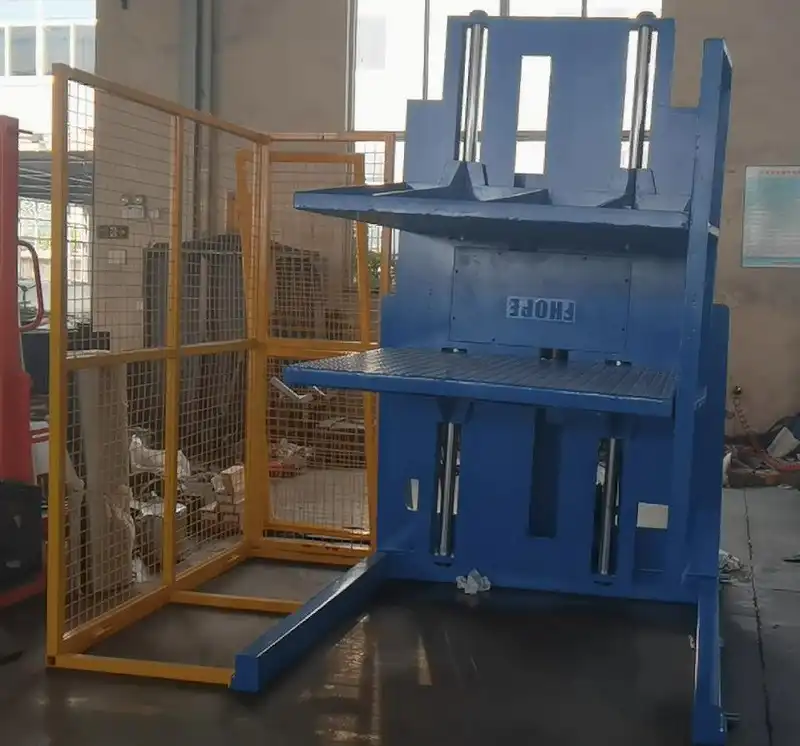
Stationary Pallet Inverter
Beyond Just Speed: How Pallet Inverters Cut Costs and Ensure Compliance?
When people first think about automation, they often focus on speed. “How fast can it do the job?” This is important, of course. But for a chemical plant, the benefits of a pallet inverter go much deeper than just quick transfers. As an engineer, I always look at the total cost of ownership. I look at all the ways a piece of equipment impacts a business. Manual handling costs you far more than just labor hours. It costs you in damaged goods, in regulatory fines, and in lost customer trust. A pallet inverter tackles these hidden costs head-on. It protects your products and your reputation.
Consider the strict regulations chemical plants must follow. This is not just about producing the right product. It is also about how you handle it, how you store it, and how you ship it. Different markets, different countries, and different product types can all have specific pallet requirements. Manual processes make it very hard to consistently meet these rules. Errors can happen. This leads to costly reworks, delays, and penalties. A pallet inverter ensures consistent, compliant handling every time. It helps you avoid those expensive mistakes. It also helps you meet your customers’ high expectations for quality and timely delivery.
Pallet inverters contribute to cost reduction and compliance in chemical plants through several key aspects:
- Significant Reduction in Product Damage:
- Challenge: Manual pallet handling, especially with heavy or sensitive chemical loads, carries a high risk of dropping or damaging containers. Even small bumps can compromise product integrity.
- Impact: Damaged products mean direct financial losses from spoiled goods. They also mean added costs for disposal of hazardous materials. Furthermore, repeated damage can harm customer relationships and lead to lost business.
- Solution: Pallet inverters gently but firmly secure the load before any movement. They use hydraulic clamps or robust securing systems. This minimizes shifting and impact during the transfer process. This greatly reduces the chances of damage. It protects your valuable chemical products from start to finish.
- Lower Labor Costs and Overhead:
- Challenge: As I mentioned, manual pallet changing is labor-intensive. It often requires multiple workers. Wage costs are rising. The availability of labor for physically demanding tasks is decreasing.
- Impact: High labor dependency increases operational expenses. It also creates challenges in staffing and managing a large workforce for simple, repetitive tasks. This impacts the plant’s overall profitability.
- Solution: Automating pallet changes with an inverter allows one operator to manage the process. This frees up other workers for more complex or skilled jobs. It dramatically reduces the number of people needed for pallet transfers. This leads to significant savings in labor costs over time.
- Enhanced Regulatory Compliance:
- Challenge: Chemical plants must follow many regulations. These rules cover safety, environmental protection, and product handling. Manual processes are harder to standardize. This makes it tough to consistently meet all compliance requirements.
- Impact: Non-compliance can lead to heavy fines, legal issues, or even plant shutdowns. It can also damage the company’s reputation. Ensuring correct pallet types for specific markets (e.g., food-grade plastic pallets for some chemicals) is crucial.
- Solution: Pallet inverters provide a controlled and repeatable method for pallet transfers. This makes it easier to enforce strict protocols. It also helps in documenting processes for audits. This ensures that the right pallet types are used. This helps the plant comply with all relevant industry standards and government regulations.
- Increased Customer Satisfaction and Fewer Penalties:
- Challenge: Modern customers, especially in the chemical supply chain, expect fast, accurate, and damage-free deliveries. Manual handling risks delays and damaged goods. This disappoints customers.
- Impact: Delayed or damaged shipments can lead to contract penalties, customer complaints, and ultimately, a loss of trust and future business. Maintaining a good reputation is vital.
- Solution: By ensuring faster, safer, and more consistent pallet changes, inverters help maintain smooth delivery schedules. They also ensure products arrive in perfect condition. This reduces customer complaints and avoids penalties. It strengthens customer relationships. This supports the plant’s long-term business growth.

Pushing Type Machine for Double Pallet Changing
Why a Pallet Inverter is a Strategic Investment, Not Just an Expense?
When I first started my packing machine factory, I learned a simple truth: successful businesses invest wisely. They do not just spend money. They look at the long-term benefits. They consider how an investment will make their operations stronger and more resilient. A pallet inverter for your chemical plant is a perfect example of this kind of strategic thinking. It is not just another piece of equipment. It is a tool that transforms your operational foundation. It positions your plant for greater efficiency, safety, and profitability for years to come.
Many people see buying machinery as a cost. But in the world of industrial operations, especially in chemical plants, it is about unlocking potential. It is about future-proofing your business against rising labor costs and tougher regulations. It is about creating a safer workplace that attracts and keeps good talent. This is the kind of thinking I brought to my own journey. I saw how solving specific problems with good engineering could lead to lasting success. Choosing a pallet inverter is choosing a partner in progress. It is choosing to be smart about your growth.
Investing in a pallet inverter for a chemical plant is a strategic decision that yields long-term benefits beyond immediate cost savings:
- Improved Return on Investment (ROI):
- Aspect: The initial cost of a pallet inverter is an investment. But this investment quickly pays for itself through various savings.
- Benefit: The machine reduces labor costs by minimizing manual work. It cuts down on product damage. It lowers expenses related to workplace injuries and associated insurance claims. These direct savings lead to a clear and measurable return on your investment over a short period. This makes the purchase financially sound.
- Enhanced Workforce Morale and Retention:
- Aspect: Dangerous and physically demanding jobs contribute to low morale. They also make it hard to keep good employees. Workers are increasingly looking for safer workplaces.
- Benefit: By automating high-risk pallet handling, a pallet inverter removes strenuous and hazardous tasks. This creates a safer, more pleasant working environment. This improved safety and ergonomics boost employee morale. It also helps retain skilled workers. This reduces turnover costs. It ensures you have a stable and experienced team.
- Scalability and Future-Proofing Operations:
- Aspect: Chemical plants often need to adapt to changing production volumes and market demands. Manual processes are hard to scale up quickly.
- Benefit: A pallet inverter offers consistent performance regardless of volume. It can be integrated into automated lines. This provides the flexibility to increase throughput as needed. It also prepares your plant for future growth and automation trends. This ensures your operations remain competitive and efficient.
- Building a Reliable Partnership:
- Aspect: Choosing a pallet inverter is not just about the machine. It is also about the company you buy it from. You need a partner who understands your industry and your specific needs.
- Benefit: A good supplier, like FHOPEPACK, offers more than just equipment. We offer expertise, installation support, training, and ongoing maintenance services. This ensures your pallet inverter runs smoothly for years. This partnership ensures long-term operational success. It provides peace of mind.

95 Pallet Exchanger
Conclusion
Investing in a pallet inverter is a smart move for any chemical plant. It tackles safety risks, boosts efficiency, cuts costs, and ensures compliance. This strategic decision helps protect your team, products, and bottom line, positioning your plant for lasting success.








