
How Pallet Inverters Reduce Downtime and Improve ROI in Hazardous Goods Storage?
In the world of warehousing and logistics, efficiency is key. But what happens when you deal with sensitive items, like food products or even hazardous materials? Every minute of delay, every safety incident, can cost you a lot. Many managers I talk to feel the pressure. They need their operations to run smoothly, safely, and cost-effectively, but often face old equipment or manual processes that just do not keep up.
Pallet inverters reduce downtime by automating the process of changing pallets, ensuring goods move without interruption. This automation improves ROI by cutting labor costs, preventing product damage, and enhancing safety in critical storage environments, including those handling hazardous goods.

You might wonder if adding new equipment is truly the answer to these complex challenges. The truth is, it often is. When it comes to managing goods, especially in demanding settings like hazardous storage or strict food distribution, smart automation can change everything. Let’s explore how a simple yet powerful machine, the pallet inverter, can solve big problems and bring real value to your operation.
How do pallet inverters make warehouse operations smoother?
Do you ever feel like your warehouse flow gets stuck? Imagine thousands of pallets moving in and out every day. Then, you hit a snag: a damaged pallet, a need to switch from a wooden pallet to a plastic one for hygiene, or moving products to a different standard pallet for export. These moments can bring your entire operation to a halt.
Pallet inverters make warehouse operations smoother by providing a fast, consistent way to switch pallets. This keeps goods moving without manual handling, which eliminates bottlenecks and reduces the risk of human error or injury. It means less waiting and more productivity for your entire team. 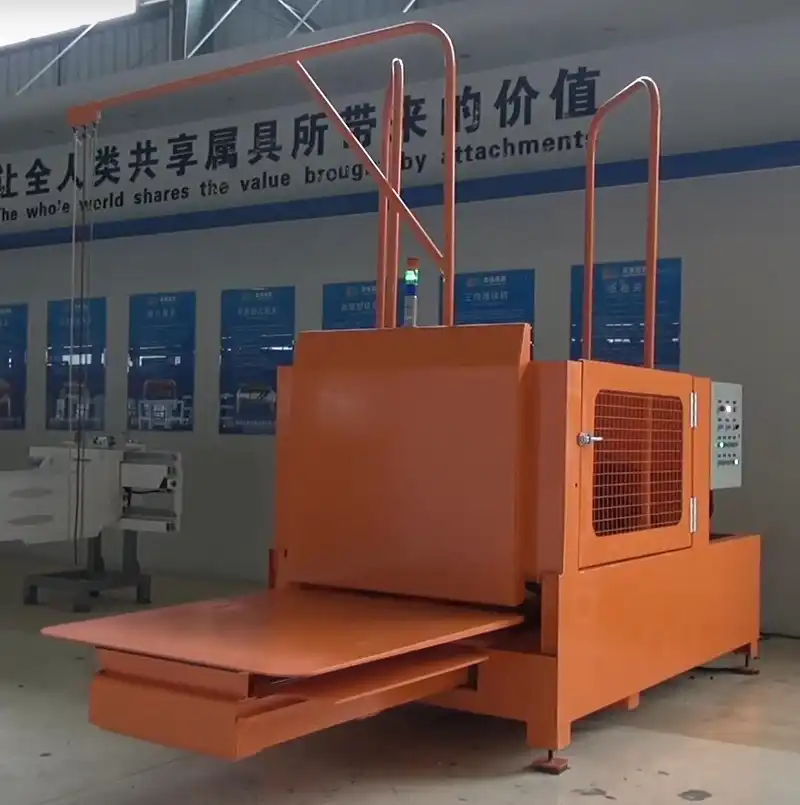
From my years in the packing machine industry, I have seen many warehouses. I noticed that manual pallet changes are one of the biggest time wasters. Workers have to lift, tilt, and transfer goods, often by hand. This slows down everything. A good pallet inverter handles this heavy work. It flips or exchanges pallets quickly, often in under a minute. This is a huge change from the 10-15 minutes it takes for manual methods. This speed is critical for places that handle many pallets, like big distribution centers in Europe. They might need to switch between Euro pallets and US pallets for different export markets. Without an automated system, these changes create big delays. These delays can lead to missed deadlines and unhappy customers. They also mean your expensive forklift trucks and operators are waiting instead of moving goods. A reliable machine helps keep the flow steady, which is exactly what a logistics manager like Carlos needs. It turns a stop-and-go process into a continuous one. This continuity is priceless for maintaining efficiency and meeting tight delivery schedules. It also removes the physical strain from workers, making their jobs easier and less tiring. This can boost overall morale and help keep skilled staff.
1. Removing Manual Bottlenecks
- Manual pallet changes take time. They involve workers carefully moving goods from one pallet to another. This is slow.
- Pallet inverters do this job much faster. They can switch a pallet in seconds or minutes.
- This speed keeps products flowing. It prevents goods from sitting idle, waiting for a pallet change.
2. Preventing Product Damage
- When workers manually transfer goods, accidents can happen. Items can fall or get damaged.
- Damaged products cost money. They need to be replaced, or they become waste.
- Pallet inverters secure the load during the entire process. This reduces the chance of damage to almost zero.
- This is very important for delicate goods or products in special packaging.
3. Streamlining International Shipments
- Different countries use different pallet sizes. For example, Europe uses Euro pallets, and North America uses US pallets.
- Companies that export goods must often switch pallets. This ensures their products meet import rules.
- A pallet inverter makes these switches easy. It handles different pallet types without problems.
- This smooth process helps avoid delays at customs or delivery points. It makes international trade simpler.
4. Improving Overall Throughput
- When individual steps are faster, the whole process speeds up. Pallet inverters make one key step much faster.
- This means a warehouse can process more goods in the same amount of time.
- Higher throughput leads to more sales and happier customers who get their orders faster.
- It also means better use of warehouse space and equipment. You get more out of your existing setup.
Why are pallet inverters essential for worker safety in sensitive environments?
Think about a warehouse where workers manually handle heavy pallets. They bend, lift, and twist. They might use crowbars or forklifts in risky ways to try to flip pallets. In places like food processing plants or hazardous goods storage, the risks are even higher. A spill or an injury is not just an accident; it can mean contamination, big fines, or even more serious harm.
Pallet inverters are essential for worker safety because they take the human element out of hazardous lifting and flipping tasks. They secure the load and perform the pallet change mechanically, greatly reducing the risk of musculoskeletal injuries, falling goods, or accidents in sensitive areas where spills or damage could be catastrophic. 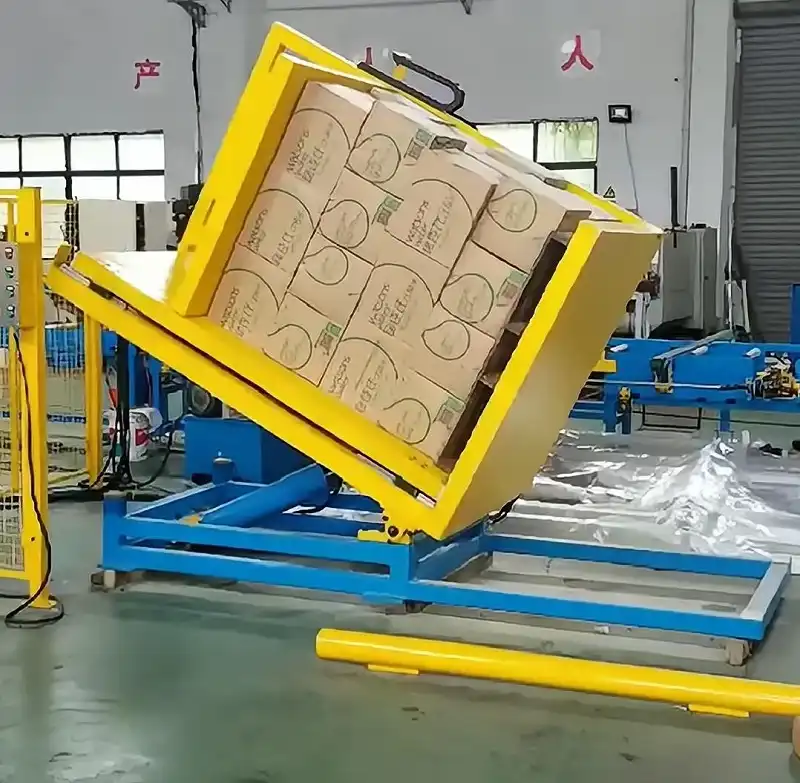
I remember one client who managed a large food distribution center. They had daily issues with workers straining their backs while trying to switch pallets. One time, a stack of boxes toppled over during a manual transfer, narrowly missing a worker. That incident was a wake-up call. In environments where goods need special handling, like food or anything that could be dangerous if mishandled, safety cannot be a second thought. Pallet inverters change this. They lift, turn, or transfer pallets with the push of a button. This means workers do not need to do any heavy lifting or risky maneuvering. For a manager like Carlos, who handles vast amounts of food and beverage products, this safety aspect is critical. It protects his team from injury. It also protects the products from damage or contamination. In a food processing setting, a dropped pallet can mean thousands of dollars in spoiled product and a serious hygiene risk. For hazardous materials, the consequences can be much worse, leading to chemical spills or dangerous exposures. By removing the need for manual intervention in the actual pallet changing, these machines create a much safer work zone. This also helps reduce insurance costs and avoids costly legal issues from workplace accidents.
1. Eliminating Manual Handling Risks
- Workers often get hurt trying to lift or move heavy pallets by hand. This leads to back injuries, sprains, and other muscle problems.
- A pallet inverter removes the need for workers to touch or lift the load directly during the change.
- This lowers the chance of common workplace injuries a lot. It keeps your team healthier and at work.
2. Preventing Product Falls and Spills
- When people manually flip or switch pallets, goods can easily fall over. This is especially true for unstable loads.
- In sensitive environments, like food processing or chemical storage, a fall can mean spoiled food or a dangerous spill.
- Pallet inverters hold the load firmly in place. They perform the change smoothly and safely.
- This reduces the risk of product damage, contamination, or hazardous material leaks.
3. Improving Ergonomics and Worker Morale
- Repetitive lifting and awkward body positions lead to fatigue. Tired workers are more prone to making mistakes or getting hurt.
- Pallet inverters make the job easier. Workers operate the machine, not the heavy load.
- This improves their working conditions. It makes the job less physically demanding.
- Happier, safer workers are more productive. They also stay with the company longer.
4. Ensuring Compliance with Safety Regulations
- Many industries have strict rules about how goods, especially sensitive or dangerous ones, must be handled.
- Manual methods often struggle to meet these high safety standards consistently.
- Automated pallet inverters help companies follow these rules. They provide a controlled and repeatable process.
- This reduces the risk of fines and legal problems from safety violations. It also builds a reputation for responsible operations.
Can a pallet inverter truly boost your bottom line?
When you look at new equipment, the big question is always about money. Will this machine pay for itself? For many managers, spending money on new technology feels like a risk. They want to see clear benefits that go beyond just making things a bit faster. They need to know it will make their company more profitable.
Yes, a pallet inverter truly boosts your bottom line by reducing operational costs, increasing output, and avoiding expensive problems. It cuts labor needs, minimizes product damage and waste, and prevents costly downtime and safety incidents, all of which directly improve profitability and provide a strong return on investment.
I have helped many clients over the years. They often started with concerns about the upfront cost of automation. But after they saw the numbers, their views changed quickly. One client in the fresh produce business had a big problem with damaged goods during pallet transfers. They lost thousands of dollars each month from damaged produce. After installing a pallet inverter, that loss almost disappeared. Think about a manager like Carlos. He deals with rising labor costs and needs to make his warehouse as lean as possible. A pallet inverter can replace the need for multiple workers assigned to manual pallet changing tasks. This means fewer people are needed for high-intensity, repetitive work. This directly lowers wage expenses. But the savings go deeper. Less product damage means less waste and fewer returns. Fewer workplace accidents mean lower insurance premiums and no costly compensation claims. Faster processing means you can handle more volume without expanding your physical footprint or hiring more staff. All these factors add up. They turn an initial investment into significant, ongoing savings, leading to a quick and tangible return on investment. The machine pays for itself, sometimes much faster than expected.
1. Cutting Labor Costs
- Manual pallet changes need many workers. These workers spend a lot of time on repetitive, tiring tasks.
- A pallet inverter can do the work of several people. One operator can manage the machine.
- This reduces the number of staff needed for this job. It saves money on wages, benefits, and training.
- It also allows you to move workers to other, more important tasks.
2. Minimizing Product Damage and Waste
- Human error often leads to damaged products during manual handling. This includes crushed boxes or spilled liquids.
- Damaged goods mean lost sales and increased waste. They also create extra work for quality control.
- Pallet inverters handle products with care. They reduce damage to almost zero.
- This protects your inventory. It saves money on replacement costs and disposal.
3. Reducing Downtime and Penalties
- Slow manual changes cause bottlenecks. They make your whole operation run slower.
- Delays in shipping can lead to contract penalties or unhappy customers.
- Pallet inverters keep goods moving quickly. They prevent these delays.
- This means your deliveries are on time. It avoids fines and keeps your customers satisfied.
4. Lowering Insurance and Accident Costs
- Workplace accidents are expensive. They involve medical costs, lost work time, and higher insurance premiums.
- Automating risky tasks with a pallet inverter reduces the chance of accidents a lot.
- This directly lowers your insurance rates. It also avoids unexpected costs from injuries.
- It creates a safer work environment, which is good for everyone.
How do pallet inverters adapt to diverse pallet types and global standards?
In today’s global market, no warehouse operates in isolation. You receive goods on one type of pallet, but you need to ship them on another. Your domestic operations might use a standard pallet, but your export clients demand specific sizes or materials, like plastic for hygiene. This constant need to switch can be a big headache, leading to errors and delays if your equipment is not flexible enough.
Pallet inverters adapt to diverse pallet types and global standards through adjustable settings and versatile designs. They can handle various sizes (like Euro, US) and materials (wood, plastic, metal), allowing warehouses to quickly meet different industry regulations, export requirements, and customer needs without manual intervention or multiple specialized machines. 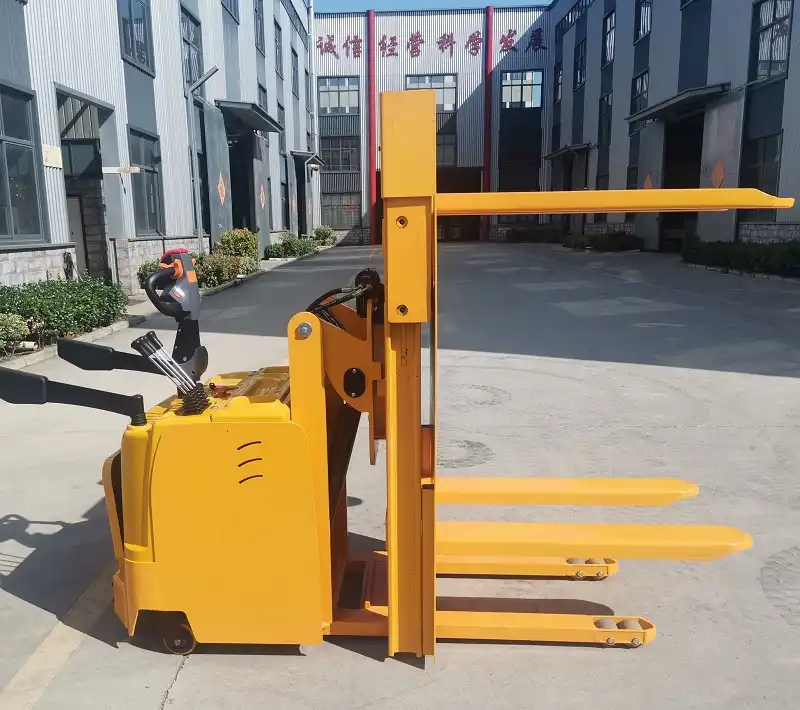
When I first started in this industry, factories often had different machines for every slight variation in product or pallet. It was inefficient. I knew there had to be a better way. Modern pallet inverters are built with flexibility in mind. For a manager like Carlos, who is responsible for a multinational food and beverage group, this flexibility is a game-changer. His distribution center in Europe likely receives goods on standard Euro pallets. But when those goods are destined for the US market, they often need to be transferred to US-standard pallets. Or, perhaps certain clients require plastic pallets for strict hygiene reasons, even if the incoming goods arrive on wooden ones. A good pallet inverter can handle all these scenarios. It can be adjusted for different pallet heights and widths. Some models even come with features that allow for easy swapping of internal components to accommodate very specific pallet dimensions or materials. This means one machine can do the job of many, reducing the need for multiple pieces of equipment and saving valuable floor space. It also ensures compliance with diverse international shipping regulations, preventing costly delays or rejections at borders.
1. Handling Multiple Pallet Sizes
- Warehouses deal with many pallet sizes. Euro pallets, US pallets, and smaller custom pallets are common.
- Manual systems struggle with these differences. They need custom tools or more time for each size.
- Modern pallet inverters have adjustable clamps and settings. They can easily switch between different pallet dimensions.
- This means one machine can serve all your needs. It saves money and space.
2. Adapting to Various Pallet Materials
- Pallets come in wood, plastic, and metal. Each material has different properties and uses.
- For example, plastic pallets are often used for hygiene in food industries. Wooden pallets are common for heavy goods.
- Pallet inverters are designed to work with all these materials. Their gripping systems are gentle but firm.
- This lets you move goods easily, no matter what kind of pallet they are on.
3. Meeting International Compliance Standards
- Exporting goods means following the rules of other countries. Pallet standards are a big part of this.
- For example, ISPM 15 rules for wooden pallets prevent pests from traveling. Plastic pallets avoid this issue.
- A pallet inverter helps you switch pallets to meet these rules quickly.
- This avoids customs delays, fines, and problems with your international clients.
4. Supporting Customer-Specific Requirements
- Some customers ask for specific pallet types for their orders. They might need a certain color, size, or material.
- Fulfilling these requests manually is time-consuming and prone to errors.
- Pallet inverters make it simple to customize pallet choices per shipment.
- This improves customer satisfaction. It shows you can meet their exact needs.
Conclusion
Pallet inverters are a smart investment for any demanding warehouse, especially where safety and efficiency are critical, like in food processing or hazardous goods storage. They cut downtime, boost safety, reduce costs, and offer the flexibility needed in global logistics. Investing in a pallet inverter means choosing smoother operations and a stronger bottom line.








