
How Can Pallet Inverters Help Chemical Plants Cut Pallet Damage and Replacement Costs?
Chemical plants often face big costs from damaged pallets and spilled products. Think about all the broken wooden pallets, the chemicals spilled on the floor, and the safety risks for workers. These problems can slow down operations and hit your budget hard. There is a smarter way to handle these challenges.
Pallet inverters offer a clear solution for chemical plants. They reduce manual handling risks, ensure gentle transfers of sensitive products, and allow seamless switching between pallet types. This directly cuts down on pallet damage and replacement expenses, making operations safer and more cost-effective.
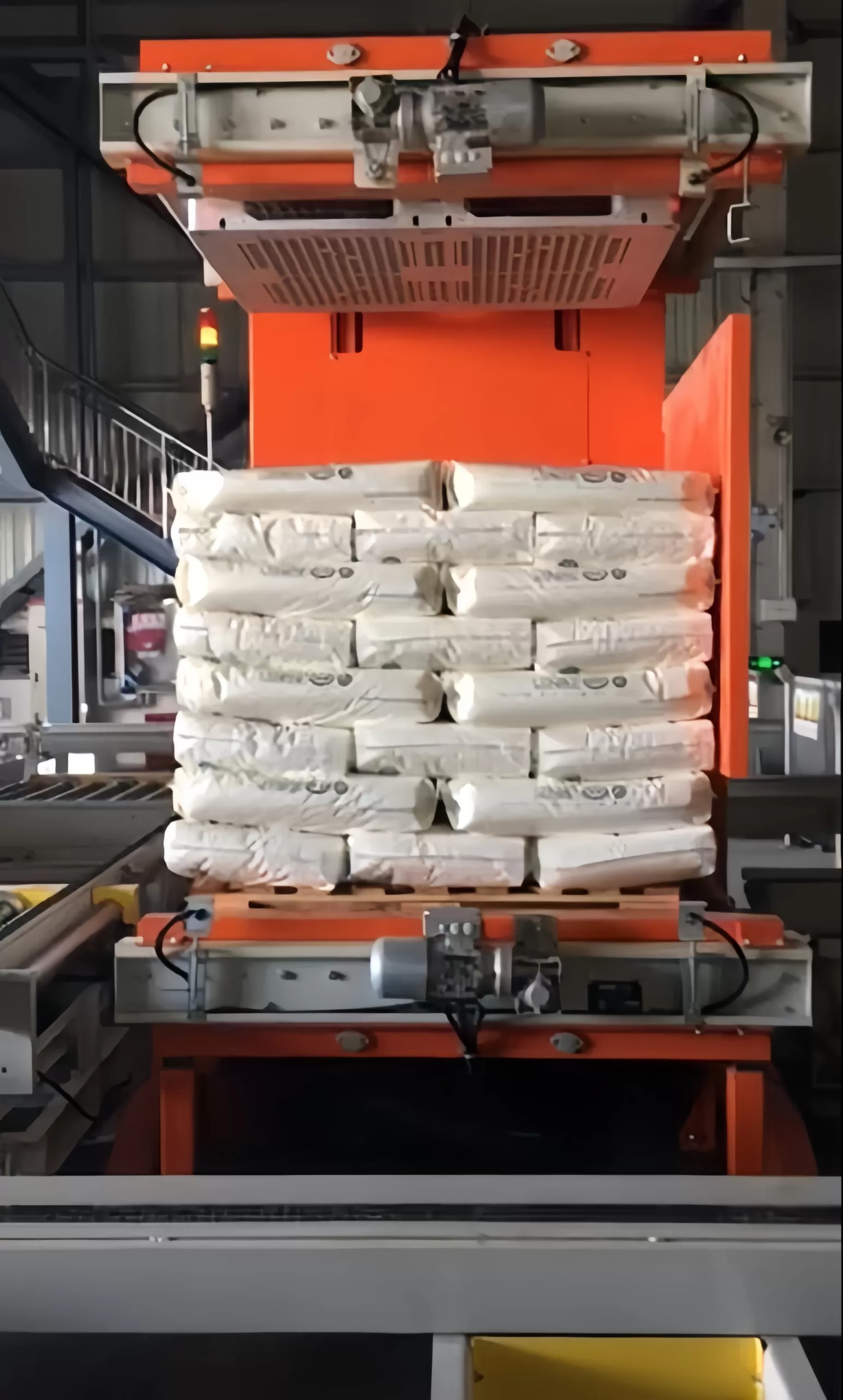
I have seen many companies struggle with these exact issues. My journey in the packing machine industry taught me that understanding the problem deeply leads to real solutions. Let us explore how pallet inverters can truly change the game for chemical plants.
Why Do Pallet Problems Plague Chemical Plants So Much?
Chemical plants often deal with a complex mess of pallet issues. It is not just about a broken plank. It is about lost product, worker safety, and huge unexpected costs. We need to look at the root causes to fix them.
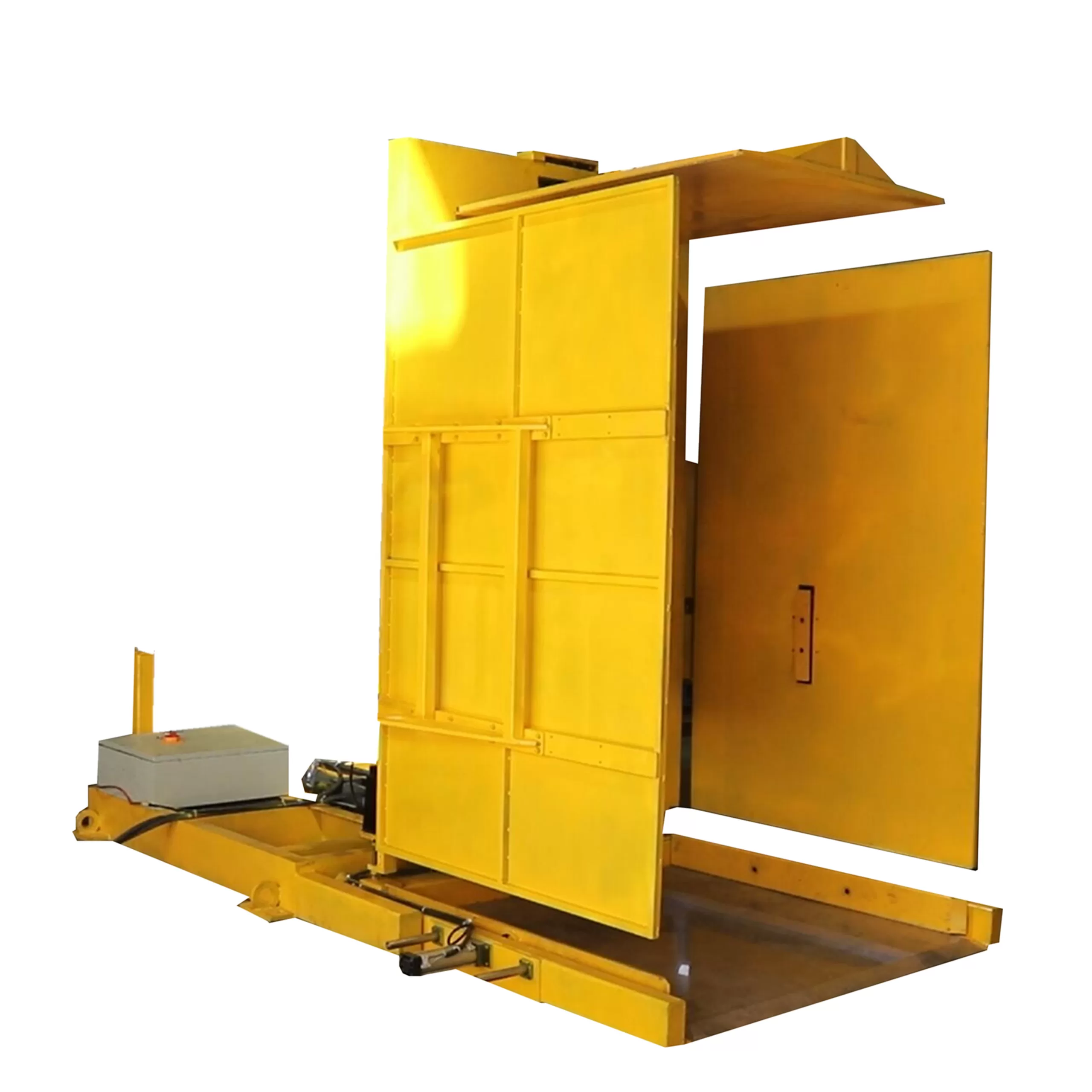
Pallet problems in chemical plants come from several factors. These include handling heavy or fragile chemical containers, the need to switch between different pallet types for export, and manual handling risks in challenging environments. These issues often lead to frequent damage and costly replacements.
-
Heavy and Fragile Loads: Chemical products are often heavy. They can be in large bags, drums, or sensitive containers. Moving these manually or with basic forklifts creates big risks. A small bump can break a pallet. A broken pallet can lead to spills. Spills are costly and dangerous. I have seen factories where one dropped drum meant hours of cleanup and lost product. This makes safety a top priority. Chemical plants often deal with liquids, powders, or granulated materials. These can be hazardous. Their packaging needs careful handling. When a pallet fails, the consequences are more severe than just a lost item. It can mean environmental damage or worker exposure. This adds layers of complexity and cost. Managers often overlook these hidden costs until an incident happens. This shows why careful handling is not just about efficiency. It is also about responsibility.
-
Diverse Pallet Standards for Global Trade: Just like Carlos in the food industry, chemical plants often export their products. This means switching between Euro pallets and US pallets. Or maybe they need to move products to plastic pallets for hygiene reasons. Manual switching is slow and risky. It is a major bottleneck. Workers lift, tilt, and slide heavy loads by hand. This often causes damage to the product or the pallet itself. It is also a huge drain on labor resources. Each country or region can have its own rules for pallet specifications. Meeting these standards manually adds a lot of pressure. It increases the chance of errors. This slows down international shipments. It can even lead to rejected goods at customs. This makes adapting to different pallet types a critical part of the logistics process.
-
Harsh Operating Environments: Chemical plants are not always clean, dry places. Dust, moisture, or even corrosive substances can be present in the air or on surfaces. These conditions can weaken wooden pallets over time. Manual handling in these environments increases the chance of accidents. It also makes existing pallet damage worse. Pallets become brittle. They splinter easily. This means they need replacing more often. I learned early on that equipment must withstand tough conditions. Wood, especially, can degrade faster in certain chemical environments. This leads to frequent need for new pallets. This adds to the overall operational budget. The wear and tear on pallets in these settings is much higher than in typical warehouses. This makes it harder to maintain a good supply of undamaged pallets.
-
Human Error and Safety Risks: Manual handling of heavy or awkward chemical containers is tiring work. It can easily lead to mistakes. Workers might drop a pallet. They might not secure a load correctly. These errors result in damage. More importantly, they create serious safety hazards. Workers can get injured. Pallet damage is not just an expense. It is a safety issue for everyone in the plant. The physical strain from repetitive lifting and awkward movements leads to fatigue. Fatigued workers are more prone to accidents. This creates a cycle of risk. Safety regulations are strict in chemical plants. Any incident can lead to investigations, fines, and a loss of trust. Investing in safer methods protects both people and the business.
-
Inefficient Material Flow: When pallets break often, it slows everything down. Forklifts stop. Production lines might even pause. This creates delays. It adds to operational costs. In today’s fast-paced world, speed is critical. Customers want their orders quickly. Broken pallets directly impact delivery schedules and customer satisfaction. This causes a ripple effect throughout the supply chain. Each delay means less product moving out. It means more time spent on problem-solving rather than on productive work. This impacts the plant’s ability to meet its output targets. It also affects profitability. A smooth material flow is key to a successful chemical plant operation. Pallet damage disrupts this vital flow.
What Does a Pallet Inverter Actually Do for Chemical Pallets?
Many plant managers think about pallet inverters as just simple flippers. This view misses the real power and precision these machines offer. Let me explain how they truly operate.
A pallet inverter changes the orientation of a palletized load or transfers the load from one pallet to another. For chemical plants, this means safely and efficiently handling heavy, unstable, or fragile goods. It secures the product, rotates it, or swaps it to a new pallet type without manual intervention, preventing damage and improving operational flow.

-
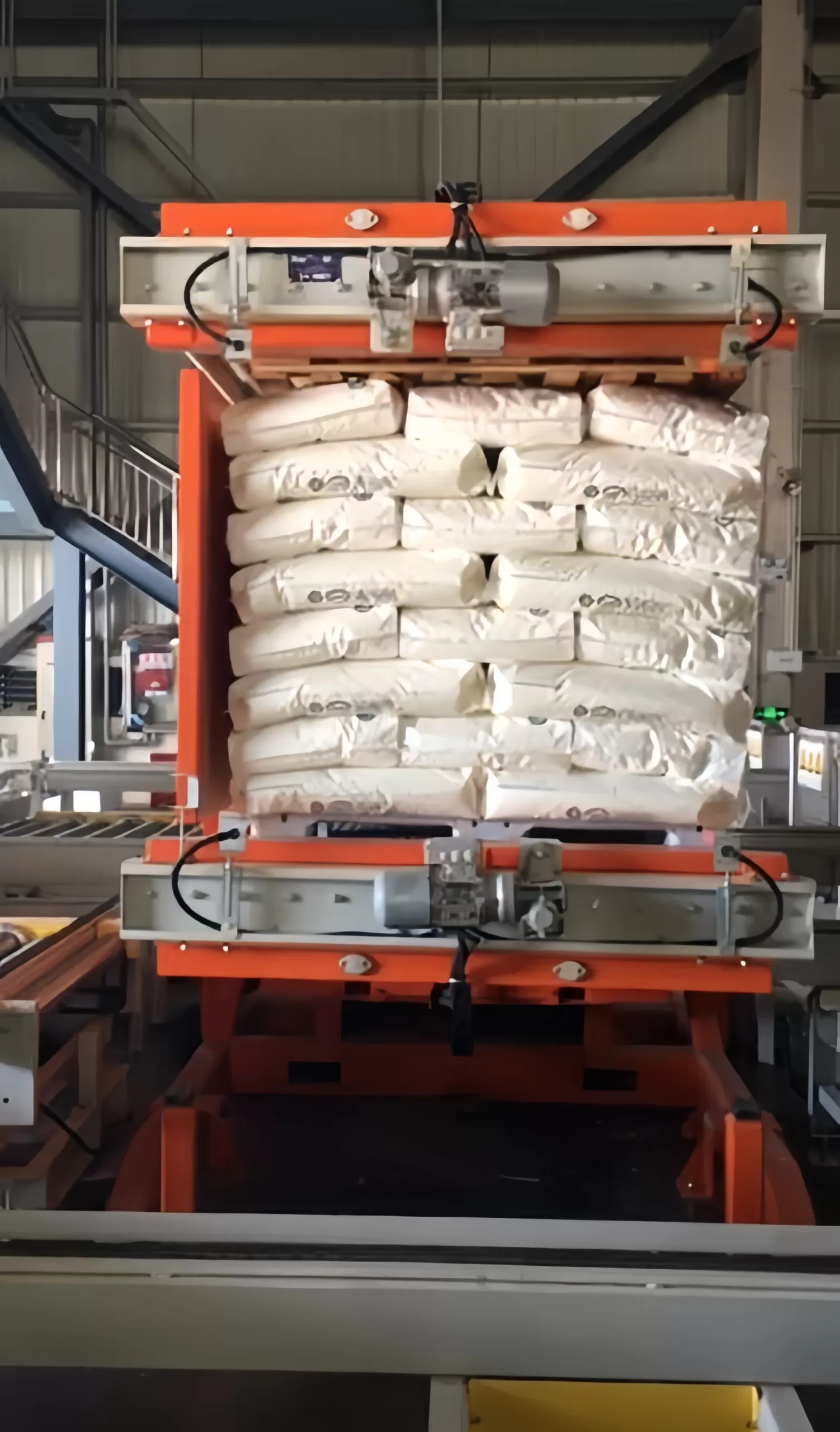
Gentle and Controlled Load Handling: A pallet inverter works by clamping the load securely. It then rotates it or lifts it to allow a pallet change. This process is fully controlled. It removes the need for manual pushing, pulling, or tilting. This is crucial for chemical products. Many are sensitive to shocks or sudden movements. The inverter keeps the load stable at all times. This prevents product spillage and container damage. It protects the integrity of the pallet itself during the transfer. I have seen the difference between a rough forklift maneuver and a smooth inverter cycle. The machine’s smooth motion minimizes any stress on the packaging. This is especially important for chemicals that might react to agitation or whose containers are easily damaged. This controlled environment reduces the risk of even minor damage that could lead to bigger problems later.
-
Eliminating Manual Intervention Risks: Before inverters, workers often had to manually transfer loads. They would use crowbars, lift by hand, or tilt pallets precariously. This was dangerous. It led to many injuries. It also increased the chance of dropping goods. With an inverter, humans stay away from the heavy lifting. The machine does the work. This massively improves workplace safety. It also reduces the risk of human error leading to damage. Carlos knows how important safety is. This technology is a game-changer for workers. By automating this high-risk task, plants can avoid costly workers’ compensation claims. They can also create a safer, more attractive work environment. This helps in retaining staff and attracting new talent, which is a big deal in today’s labor market.
-
Versatile Pallet Switching Capabilities: Pallet inverters are not just for flipping. They are excellent for pallet-to-pallet transfers. This is vital for chemical plants that deal with different pallet types. They can switch from a wooden shipping pallet to a plastic internal pallet. Or from a Euro pallet to a US pallet for export. The inverter makes this switch seamless. It does it without disturbing the product stack. This capability helps plants meet various regulatory and customer requirements without extra manual labor. It means quicker adaptation to different logistical demands. This flexibility is key for global supply chains. It ensures that products can move efficiently across borders, regardless of the local pallet standards. This prevents delays and keeps customers happy.
-
Adapting to Diverse Chemical Loads: Whether it is heavy drums, sacks of powder, or fragile bottles, a good pallet inverter can handle it. Modern machines come with adjustable clamping pressures. They have different rotation speeds. This allows for precise handling tailored to the specific chemical product. This adaptability is key in a chemical plant. It means one machine can serve many needs. It avoids the need for specialized manual handling techniques for each product. This makes the entire packing process more efficient. The ability to customize settings for different product types ensures maximum safety and minimal damage. This makes the inverter a versatile tool. It improves the overall operational flexibility of the plant.
-
Integrated Process Improvement: A pallet inverter is not a standalone tool. It integrates into the existing logistics chain. It can work with forklifts, conveyors, and automated storage systems. This creates a smoother, more continuous flow of materials. By streamlining the pallet handling step, the inverter reduces bottlenecks. It ensures that products move quickly and safely through the plant. This improves overall operational efficiency. It directly supports faster order fulfillment. This integration means that the benefits extend beyond just the pallet changing point. It positively impacts the entire material handling system. This leads to a more synchronized and productive operation.
How Do Pallet Inverters Directly Cut Damage and Costs?
Many plant managers focus only on the upfront cost of new equipment. They often miss the significant long-term savings a pallet inverter brings to their bottom line. Let us break down the direct financial impact.
Pallet inverters directly cut damage and costs in chemical plants by preventing product spills, extending the lifespan of pallets, and reducing the need for new pallet purchases. By eliminating manual handling, they mitigate damage during transfers, ensure loads stay secure, and protect valuable chemical products from costly losses.
-
Reduced Product Loss from Spills and Breakages: When pallets are handled manually or improperly, spills happen. Bags can tear. Drums can leak. Bottles can break. For chemical products, this means lost revenue. It also means expensive clean-up. Some chemicals are hazardous, making spills even more critical. Pallet inverters handle loads gently and securely. They prevent these accidents. This directly saves the cost of lost product. It also avoids the non-monetary costs of environmental damage and safety incidents. I have seen how much a single spill can cost a company. The secure clamping and smooth rotation of the inverter mean products are much less likely to shift or fall. This protection is vital for chemicals, where even a small leak can have big consequences.
-
Extended Pallet Lifespan and Fewer Replacements: Manual handling is rough on pallets. Dropping, scraping, and forcing pallets causes wear and tear. Splintered planks, broken stringers, and damaged blocks are common. These damaged pallets often become unusable. They need frequent replacement. Pallet inverters handle pallets with care. They prevent the impact damage that shortens pallet life. By protecting existing pallets, plants buy fewer new ones. This is a direct saving on capital expenditure for pallets. It is a simple but powerful way to reduce costs over time. This also means less waste material. It is a more sustainable approach to logistics. It is good for the environment and for the company’s bottom line.
-
Preventing Contamination and Cross-Contamination: In chemical plants, contamination is a serious risk. Damaged pallets can harbor dirt, debris, or old chemical residues. When a product is transferred to a new, clean pallet, the inverter ensures this happens without direct human contact or risk of old debris falling onto the new load. This is especially important for sensitive chemicals or products requiring strict hygiene standards. By preventing cross-contamination, plants avoid costly batch rejections or recalls. This safeguards product quality and brand reputation. Cleanliness is paramount in chemical handling. The ability to swap pallets without exposing the product to airborne contaminants or dirty hands is a huge advantage. This directly supports quality control efforts.
-
Reduced Labor Costs for Pallet Repair and Disposal: When pallets break, someone has to fix them or dispose of them. This costs labor and time. Broken pallets also take up space. They can pose trip hazards. With fewer damaged pallets, plants spend less on repairs. They also reduce disposal fees. This frees up valuable labor for other tasks. It simplifies warehouse operations. These are often hidden costs that accumulate quickly. My own experience showed me that small efficiencies add up to big savings. Every hour saved on repair or cleanup is an hour that can be spent on more productive work. This makes the entire operation more lean and efficient. It is a clear example of how automation pays off.
-
Improved Compliance and Reduced Fines: Many chemical products need to be stored or shipped on specific pallet types. If a pallet is damaged, it might no longer meet these compliance standards. This can lead to rejected shipments. It can even result in regulatory fines. Pallet inverters help maintain pallet integrity. They ensure that the right pallet is used for the right purpose. This prevents costly compliance issues. It keeps operations running smoothly and legally. This gives peace of mind to managers like Carlos. Staying compliant is not just about avoiding penalties. It is also about maintaining a good reputation. It shows a commitment to safe and responsible practices. An inverter supports this goal by ensuring all pallets are in good order.
What Other Big Gains Do Chemical Plants Get From Pallet Inverters?
Focusing only on direct cost savings might make you overlook the wider operational benefits. A pallet inverter does more than just save money on pallets; it transforms the entire warehouse flow. Let us explore these broader advantages.
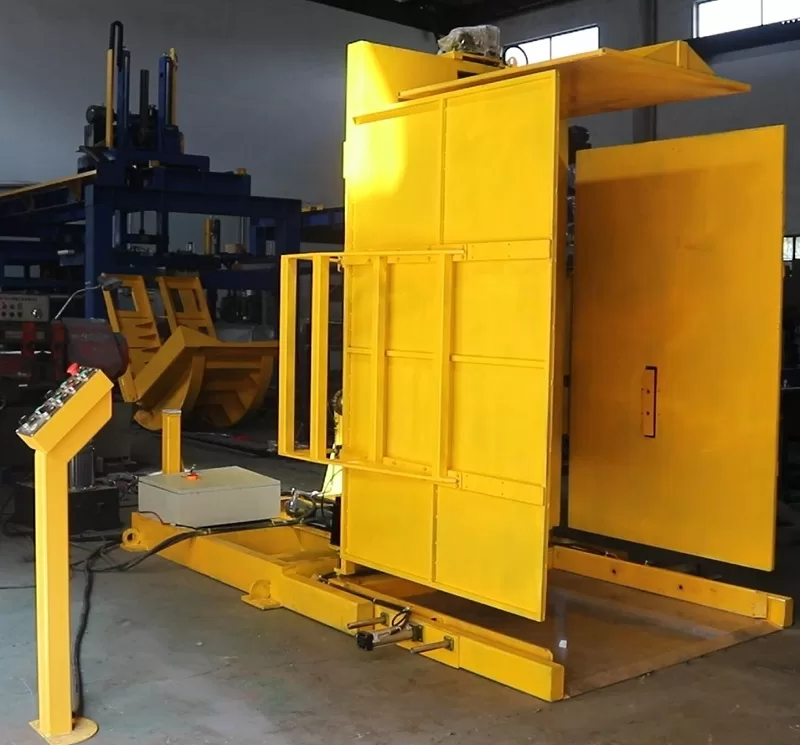
Beyond direct cost savings, pallet inverters significantly improve safety by reducing manual handling, increase operational efficiency through faster pallet changes, and boost overall productivity. They also help plants meet strict quality and compliance standards, leading to a more reliable and streamlined supply chain.
-
Enhanced Workplace Safety: This is perhaps the most important gain. Manual pallet changing involves lifting, tilting, and moving heavy, unstable loads. This is a recipe for accidents. Workers can suffer back injuries, crushed limbs, or get hit by falling products. Carlos knows these risks well. Pallet inverters remove workers from these hazardous tasks. They perform the heavy lifting mechanically. This drastically reduces the risk of workplace injuries. It leads to a safer environment. It also lowers insurance costs and worker compensation claims. A safer workplace means fewer disruptions. It means a happier, more secure workforce. This positively impacts morale and overall productivity. It shows a company cares about its people.
-
Increased Operational Efficiency and Speed: Manual pallet changes are slow. They interrupt the flow of goods. They create bottlenecks. A pallet inverter can perform a pallet change much faster. It does it in minutes, sometimes even seconds. This speeds up the entire handling process. It allows for quicker loading and unloading. It ensures that products move through the warehouse without unnecessary delays. This means more throughput. It helps meet tighter delivery schedules. This is crucial for satisfying demanding customers. The consistent speed of the inverter means operations become more predictable. This makes planning easier. It reduces the stress on logistics managers to meet tight deadlines.
-
Optimized Labor Utilization: Labor is expensive and often scarce. Tasks like manual pallet changing are physically demanding and repetitive. They are not efficient uses of skilled labor. By automating pallet changes, plants can reassign workers to more valuable tasks. This includes quality control or process optimization. It reduces reliance on manual labor for strenuous work. This is a significant advantage in today’s labor market. It makes the workplace more appealing to younger workers. Freeing up workers from strenuous tasks improves job satisfaction. It also lets them focus on jobs that require human judgment and skill. This elevates the overall value of the workforce.
-
Improved Product Quality and Integrity: Many chemical products require specific handling conditions. They might be sensitive to vibration, shock, or temperature changes. A pallet inverter provides a consistent, controlled handling process. This reduces the chance of product degradation during transfer. It helps maintain the quality and integrity of the chemical goods from the plant to the customer. This contributes to fewer customer complaints. It strengthens brand reputation. Maintaining product integrity throughout the supply chain is critical. It ensures that the chemical products arrive in the condition they were meant to be in. This builds trust with clients and end-users. It supports the premium quality of the products.
-
Greater Flexibility and Adaptability: Chemical plants often face changing regulations, customer demands, and market conditions. This includes new pallet standards or specific handling needs. A pallet inverter offers the flexibility to adapt quickly. It can handle various pallet types and load configurations. This adaptability means the plant can respond to new challenges without major operational overhauls. It ensures that their logistics remain agile and responsive. I always tell my clients that flexibility in equipment is an investment in future growth. This future-proofs the operation. It allows the plant to stay competitive and meet evolving market demands without costly retooling. It is a smart long-term strategy.
Conclusion
Pallet inverters are a smart investment for chemical plants. They directly address pallet damage and replacement costs. They do this by making operations safer, more efficient, and more compliant. These machines offer significant long-term savings and improve overall supply chain reliability. Considering a pallet inverter is a clear step towards mastering your packing challenges.








