
Why do more chemical industry and other leaders choose pallet inverters to modernize operations?
Do you ever feel like your warehouse is stuck in the past? Are manual pallet changes causing endless headaches, slowing down operations, and putting your team at risk? I talk to logistics managers like you every day, and I hear the same stories of frustration. The demand for faster delivery, combined with labor shortages and strict safety rules, means old ways of doing things just do not work anymore.
More leaders, across many sectors including chemical and food & beverage, are choosing pallet inverters. They use these machines to modernize their operations. Pallet inverters help solve problems like diverse pallet types, high labor costs, and safety risks. They make warehouses more efficient and safer for everyone.

This shift is not just a trend. It is a necessary step for any business looking to stay competitive and meet today’s market demands. Join me as I explain how these machines are changing the game for warehousing and logistics.
How do pallet inverters overcome diverse pallet challenges for industries like chemical and food & beverage?
Are you struggling with different pallet sizes holding back your international shipments? Do you deal with the headache of switching between wooden and plastic pallets? Many managers, especially in Europe, face this daily. They know how much time and money this problem can cost.
Pallet inverters offer a flexible solution for industries like chemical, food & beverage, and others that handle diverse pallet types. They allow for quick and safe transfer of goods from one pallet type to another. This means you can easily switch between Euro, US, or plastic pallets. This ensures compliance with different standards and smooth international logistics.
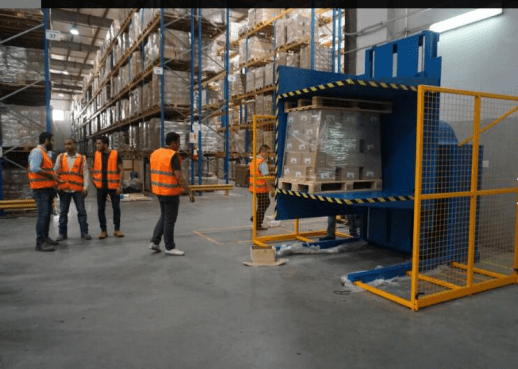
When I first started in the packing machine industry, I saw how much effort went into manual pallet handling. It was clear that a better way was needed. Today’s supply chains are global. This means businesses often need to ship products to different countries. Each country can have its own rules for pallet sizes and materials. For example, a company in Spain might use Euro pallets for local distribution. But they must switch to US-sized pallets for shipments to North America. Or they might need to move goods onto plastic pallets for hygiene reasons in food processing plants, or for specific cleanroom environments in the chemical industry. Trying to do this by hand is slow. It also takes a lot of people. It often leads to mistakes. This problem gets worse when you handle thousands of pallets every day. This is where pallet inverters become very valuable. They are machines designed to flip or transfer goods from one pallet to another. They do this quickly and safely. This ensures that products are always on the correct pallet for their next journey, whether it is across the warehouse or across an ocean. This ability to adapt quickly to different pallet specifications is a major benefit. It helps businesses avoid delays. It also stops fines related to non-compliant shipments. It helps keep customers happy. It simplifies the whole process of moving goods. This means less stress for logistics teams. It also means more efficient use of warehouse space and resources. This is why more and more operations, from chemical plants handling bulk materials to food processing centers managing sensitive goods, are adopting this technology. They understand that flexibility in pallet handling is key to smooth global operations.
Can pallet inverters really solve labor shortages and reduce operational costs?
Are rising labor costs and a lack of available workers making it hard to manage your warehouse? Many businesses struggle to find enough people for tough manual tasks. This includes pallet handling. This problem affects your budget and your ability to meet shipping deadlines.
Yes, pallet inverters can greatly solve labor shortages and reduce operational costs. They automate the process of transferring goods between pallets. This means fewer workers are needed for physically demanding tasks. It also cuts down on time spent on these operations. This leads to lower labor expenses and increased overall efficiency in the warehouse.

I have seen firsthand how much manual labor goes into pallet management. When I was starting out as an employee in a packing machine factory, I watched people strain their backs and spend hours on tasks that could be done by machines. In today’s market, finding workers willing to do heavy lifting and repetitive tasks is increasingly difficult. The cost of labor is also going up. This creates a big challenge for warehouse managers. They need to keep operations running smoothly without breaking the bank. Pallet inverters address this problem directly. By automating the pallet exchange process, companies can significantly reduce the number of staff needed for these tasks. This does not mean replacing people completely. It means shifting human workers to more skilled roles, like machine operation or quality control. This improves job satisfaction. It also helps companies make better use of their workforce. Think about a warehouse that processes thousands of pallets daily. Manually changing each pallet takes many hours and many workers. A pallet inverter can do the same job in a fraction of the time. It needs only one or two operators. This leads to massive savings in wages over time. It also reduces costs related to worker injuries and absenteeism. The efficiency gains are also important. Faster pallet changes mean goods move through the warehouse quicker. This reduces storage time. It also improves throughput. These factors all contribute to a lower overall operating cost for the warehouse. This makes a strong case for investing in a pallet inverter system.
Are pallet inverters the key to a safer and more compliant warehouse environment?
Do you worry about worker injuries from manual pallet handling? Are you concerned about damaged goods due to risky operations? Warehouse safety is not just about rules. It is about protecting your team and your products.
Pallet inverters are a key tool for creating a safer and more compliant warehouse environment. They eliminate the need for dangerous manual pallet flipping or transferring. This drastically reduces the risk of worker injuries. It also minimizes product damage. This ensures operations meet strict safety standards and regulatory compliance, especially in sensitive industries.

In my journey, from an employee to owning a packing machine factory, I have seen too many accidents caused by manual handling of heavy loads. For many years, warehouses relied on workers to physically lift, flip, or transfer goods from one pallet to another. This often involved using forklifts in ways that were not ideal. This put workers at high risk of injury. These injuries ranged from back strains to more serious accidents involving falling goods. For companies in the chemical industry, handling hazardous materials, or food and beverage companies with strict hygiene rules, safety is even more important. A small mistake can have big consequences, leading to serious harm or contamination. Pallet inverters remove this risk. They perform the heavy and complex task of pallet exchange mechanically. This means workers do not need to be in harm’s way. The machine handles the load securely. This significantly reduces the chance of goods tipping or falling. It also protects workers from repetitive strain injuries. This directly improves workplace safety. Beyond physical safety, pallet inverters also help with compliance. For example, many export regulations require specific pallet types for international shipping. Manually sorting and changing pallets can lead to errors. These errors can result in rejected shipments or fines. An automated pallet inverter ensures that the correct pallets are used every time. This helps maintain compliance with international standards. It also minimizes the risk of costly delays and penalties. This dual benefit of enhanced safety and improved compliance makes pallet inverters an essential investment for modern warehouses.
Why do leading companies in industries from chemical to food & beverage see pallet inverters as a strategic investment?
Are you looking for solutions that do more than just fix today’s problems? Do you want to invest in technology that will help your business grow and stay ahead? Smart leaders know that true modernization means thinking long-term.
Leading companies across various industries, including chemical and food & beverage, see pallet inverters as a strategic investment because they offer long-term benefits beyond immediate cost savings. These machines improve overall operational efficiency, enhance safety, ensure compliance, and future-proof their supply chain. They also provide a clear competitive edge in a fast-changing market.

My own path in the packing machine industry taught me the value of smart investments. I started a successful factory because I focused on solutions that truly helped my clients grow their businesses. Pallet inverters are not just another piece of equipment. They are a strategic asset that supports a company’s long-term goals. For companies like Carlos’s, a logistics manager handling thousands of pallets in the food and beverage sector, investing in a pallet inverter means more than just faster pallet changes. It means a more resilient and adaptable supply chain. In the chemical industry, where precise handling and safety are paramount, this investment means fewer risks and smoother regulatory audits. The return on investment (ROI) for a pallet inverter comes from many areas. It saves on labor costs and reduces injury-related expenses. It also prevents product damage and avoids shipping delays or fines. These savings add up quickly. More importantly, it allows businesses to meet the ever-increasing demands for faster delivery times and higher customer satisfaction. In today’s highly competitive market, companies that can quickly adapt to new pallet standards, handle high volumes efficiently, and maintain a safe working environment will always have an advantage. They can offer better service. They can also attract and retain talent. They are better prepared for future market changes. This forward-thinking approach is why FHOPEPACK focuses on providing solutions that are not just machines. We offer partnerships that help businesses build stronger, more efficient operations for years to come.
Conclusion
Investing in a pallet inverter modernizes operations, enhancing safety, efficiency, and compliance for various industries.








