
How do pallet inverters support warehouse automation and reduce labor dependence?
Running a busy warehouse is a constant challenge. I have seen it firsthand in my journey through the packing machine industry. Many of my clients, just like FHOPEPACK, face daily struggles with efficiency, safety, and the ever-increasing pressure to deliver faster. Are you facing rising labor costs? Do manual pallet changes slow down your operations or pose safety risks? This is a common pain point for many logistics managers and supply chain leaders today. It directly impacts your bottom line and your ability to meet customer demands.
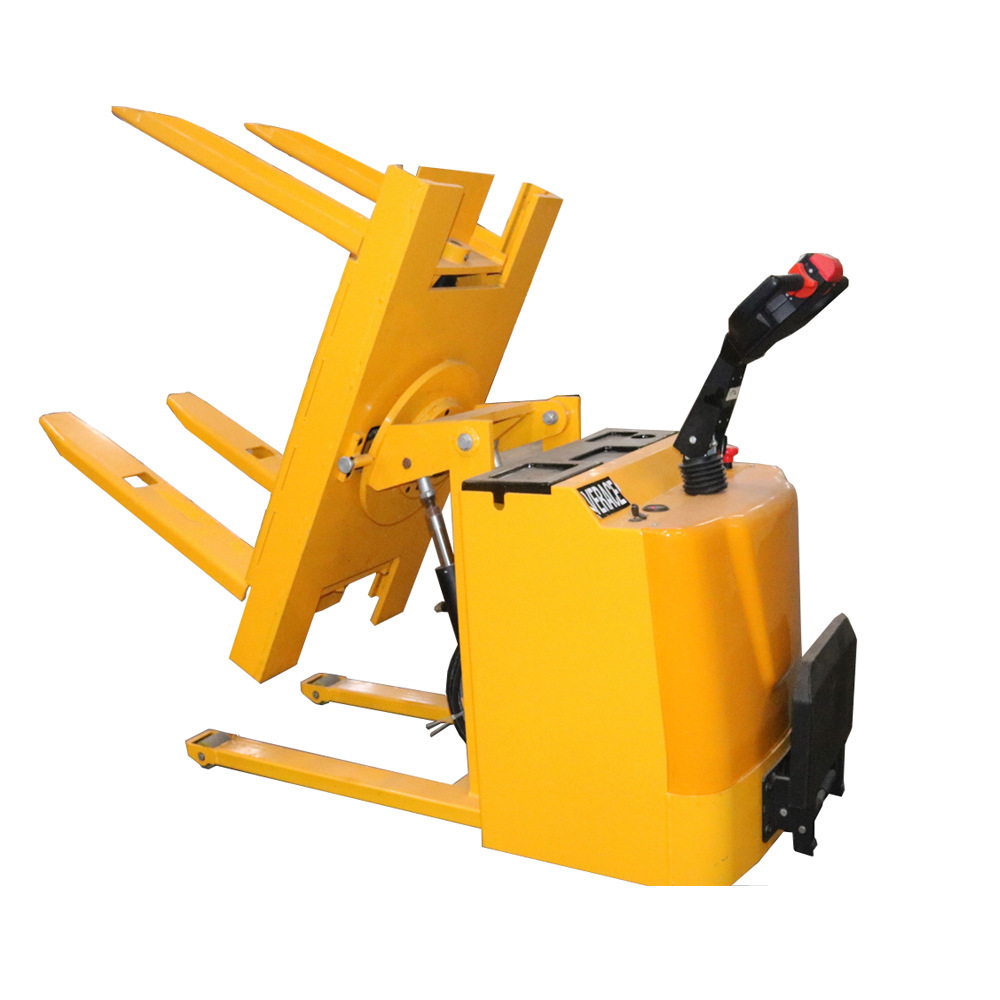
Pallet inverters are key machines that greatly improve warehouse automation and cut down on manual labor needs. They make it easier and safer to switch goods from one pallet type to another, or to replace damaged pallets. This means fewer people are needed for strenuous tasks, and overall warehouse processes become much faster and more reliable. They address the core problems of efficiency, safety, and labor dependence by mechanizing a critical, often manual, step in material handling.
It is clear that the demands on modern warehouses are only growing. Manual processes and outdated equipment can no longer keep up. But what does this mean for your specific operations? Let’s dive deeper into how integrating a pallet inverter can truly transform your warehouse, addressing those core challenges head-on and helping you move towards a smarter, more automated future.
How do pallet inverters boost warehouse efficiency and speed up material flow?
Are your warehouse operations struggling to keep up with high demands? Do you find that pallet changes create bottlenecks, slowing down your entire material flow? I have observed how critical every minute is in a busy distribution center, especially when thousands of pallets move in and out daily. Inefficient pallet switching can quickly lead to costly delays and unhappy customers.
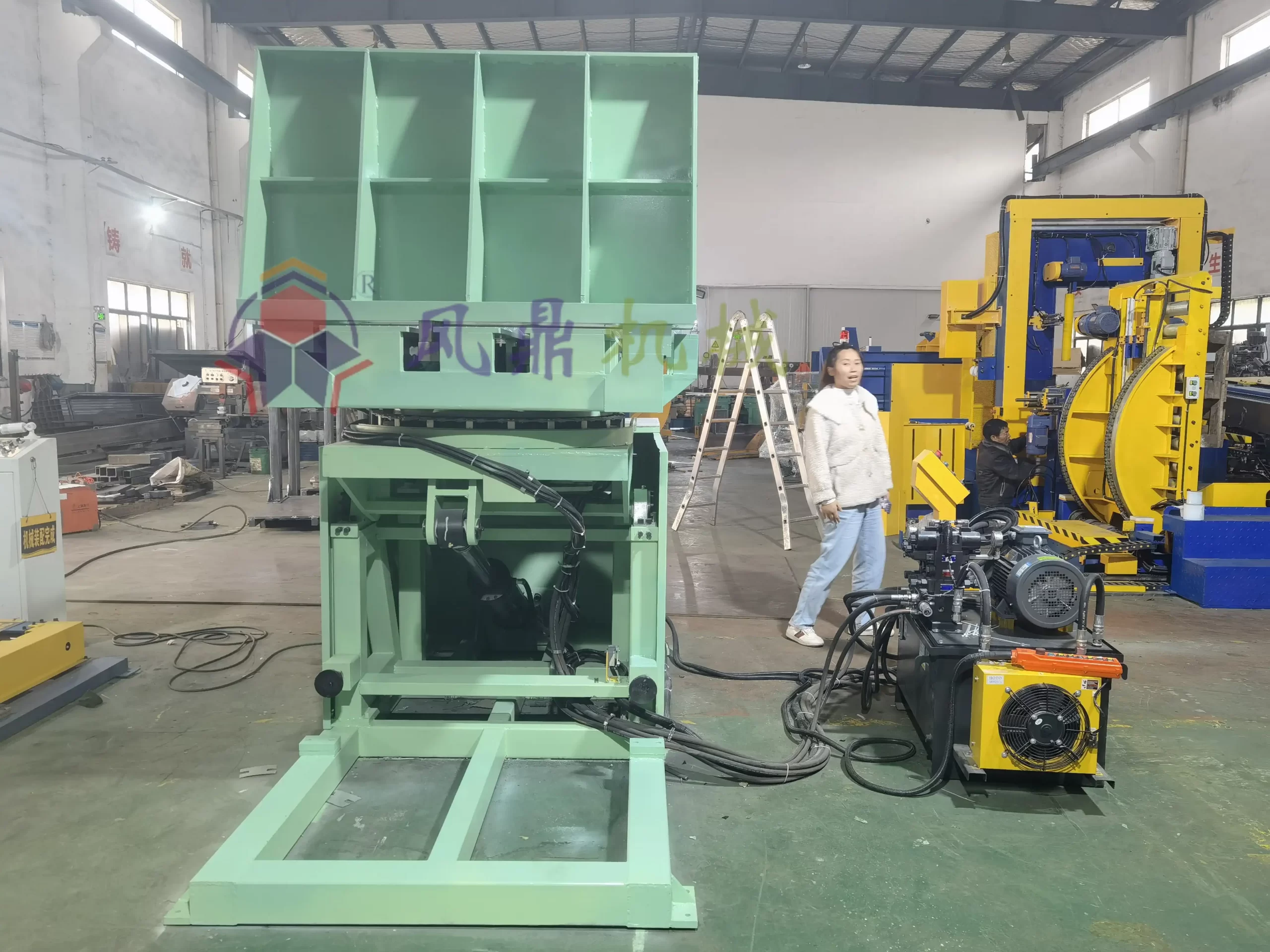
Pallet inverters boost warehouse efficiency by automating the process of transferring goods between different pallets. This eliminates time-consuming manual handling, drastically reduces cycle times for pallet exchange, and ensures a smoother, uninterrupted flow of materials. By streamlining this crucial step, pallet inverters allow warehouses to process more goods faster, directly improving overall operational speed and throughput.
From my experience helping businesses grow, I know that time equals money in logistics. A single bottleneck can cascade into widespread delays, affecting delivery schedules and even leading to contract penalties. Pallet inverters directly tackle this issue by transforming a traditionally slow and labor-intensive task into a swift, mechanical process. This change significantly impacts how quickly products can move through a facility, ensuring that goods are always ready for their next step, whether it is storage or shipping. The efficiency gains are not just theoretical; they are visible in daily operations, allowing managers to better meet strict delivery timelines and maintain high service levels.
1. ⚙️ Streamlining the Pallet Exchange Process
A pallet inverter automates the entire process of transferring goods from one pallet to another. This is often needed when an inbound pallet is damaged, or when products need to be moved to a different type of pallet for outbound shipping.
| Feature | Manual Pallet Exchange | Automated Pallet Inverter Exchange |
|---|---|---|
| Time per exchange | Long (multiple steps, human lifting/manipulation) | Short (machine-controlled, often 60-90 seconds) |
| Labor needed | 2-3 people, often involving forklifts or lifting aids | 1 person to operate the machine |
| Risk of damage | High (due to manual handling, shifting loads) | Low (secure clamping, controlled rotation) |
| Consistency | Varies (depends on worker skill and fatigue) | High (consistent operation every time) |
2. 🚀 Impact on Throughput and Cycle Times
By reducing the time spent on each pallet transfer, a warehouse can handle a much higher volume of goods daily. This is vital for operations dealing with thousands of pallets.
- Faster Loading/Unloading: Goods are transferred to the correct pallet type quickly, meaning trucks can be loaded or unloaded without long waits.
- Reduced Waiting Periods: Other warehouse equipment and staff do not have to wait for manual pallet changes. This keeps the entire operation flowing smoothly.
- Optimized Storage: Products can be immediately placed on suitable storage pallets, freeing up space and avoiding temporary staging areas.
3. 🎯 Eliminating Bottlenecks in Material Flow
Manual pallet changing often creates a choke point in the logistics chain. This is especially true for companies like Carlos’s, which deal with diverse pallet specifications for international exports. An inverter makes this a non-issue. It ensures a continuous flow of goods, preventing backlogs and allowing for more predictable scheduling. This reliable operation means less stress on your team and more consistent service for your clients.
Can pallet inverters really solve labor shortages and improve worker safety?
Are you struggling to find enough workers for physically demanding warehouse jobs? Have you experienced accidents or injuries from manual pallet handling? These are serious concerns that impact both your team’s well-being and your operational costs. In today’s competitive labor market, it is getting harder to fill positions that involve heavy lifting and repetitive strain.
Pallet inverters significantly help solve labor shortages by reducing the need for manual, strenuous tasks, making warehouse jobs more appealing and less physically demanding. They also drastically improve worker safety by replacing risky manual lifting and flipping with automated mechanical operations. This leads to fewer accidents, lower injury rates, and a safer work environment, directly addressing both labor and safety challenges in modern warehouses.
My goal at FHOPEPACK is to share knowledge that helps businesses overcome such challenges. The issue of labor shortage and safety is not just about numbers; it is about creating a sustainable and humane work environment. I have seen how companies struggle with high turnover rates and rising insurance costs due due to accidents. Pallet inverters offer a practical solution. By automating heavy-duty tasks, they not only reduce the physical strain on workers but also drastically lower the risk of injuries. This leads to a happier, healthier workforce, and in turn, more stable operations for your business. It is a win-win for both employers and employees, making your warehouse a more desirable place to work and reducing the financial burden of workplace accidents.
1. 🧑🏭 Reduced Manual Labor Dependency
The primary benefit of a pallet inverter is its ability to take over tasks that traditionally required significant human effort.
- 💪 Less Heavy Lifting: Workers no longer need to manually lift or manipulate heavy pallets or goods. The machine does the work. This reduces fatigue and the risk of strain injuries.
- 🔄 Fewer Repetitive Tasks: The repetitive motion of moving and changing pallets by hand is eliminated. This frees up staff for more skilled, less physically demanding roles within the warehouse.
- 📈 Addresses Labor Shortages: By automating these tasks, businesses can manage higher volumes with fewer personnel. This helps to overcome the challenges of a tight labor market where skilled labor for such strenuous jobs is scarce.
2. 🛡️ Enhanced Safety Protocols
Manual pallet handling, especially with heavy or unstable loads, is inherently dangerous. This is a critical point for managers like Carlos, who have experienced accidents.
- 🚨 Elimination of Accident Risks: Pallet inverters remove the need for workers to physically handle unstable stacks of goods or to manually flip heavy pallets. This greatly reduces the chances of goods overturning, falling, or crushing injuries.
- 🩹 Lower Injury Rates: With automated handling, there are fewer slips, falls, back injuries, and other musculoskeletal disorders associated with manual labor. This directly leads to a healthier workforce and fewer lost workdays.
- 💲 Reduced Insurance and Compensation Costs: Fewer accidents mean lower workers’ compensation claims, reduced insurance premiums, and less money spent on legal fees or settlements. This provides a clear financial benefit in addition to the human one.
3. 🧑💼 Improved Worker Morale and Retention
When jobs are less physically demanding and safer, employees are generally happier and more likely to stay with the company.
- 👍 Better Work Environment: A safer and less strenuous environment makes the job more attractive. This can help in retaining experienced staff and attracting new talent.
- 🤝 Empowered Workforce: Workers can focus on more value-added tasks, such as quality control, inventory management, or operating other specialized machinery. This fosters a sense of growth and development within the team.
- 🧘♀️ Reduced Stress: Knowing that dangerous tasks are handled by machines can reduce stress levels for both workers and management.
How do pallet inverters manage diverse pallet types for global trade compliance?
Is your international trade hampered by the need to switch between different pallet standards? Do you face challenges ensuring your goods are compliant with various country regulations? This is a common hurdle for businesses involved in global logistics, especially when dealing with the thousands of pallets that cross borders daily. Incorrect pallet usage can lead to shipment delays, fines, and even rejection of goods.
Pallet inverters are essential tools for managing diverse pallet types, enabling businesses to seamlessly switch between different specifications like Euro, American, or plastic pallets. This ensures compliance with various international shipping regulations and customer requirements. By providing a flexible solution for pallet exchange, these machines prevent delays, reduce errors, and help maintain the integrity of goods during transfer, which is crucial for smooth global trade operations.

In my work at FHOPEPACK, I have learned that adapting to different standards is not just a logistical detail; it is a fundamental requirement for successful global operations. Companies like Carlos’s, which handle vast amounts of exports, know this reality intimately. The ability to quickly and reliably change pallet types is not just about efficiency; it is about avoiding costly non-compliance. A pallet inverter becomes a critical piece of equipment in this scenario. It provides the flexibility needed to meet diverse international demands without slowing down operations or risking product damage. This adaptability means businesses can confidently engage in international trade, knowing their pallet handling processes are both efficient and compliant.
1. 🌍 Handling Multiple Pallet Standards
International trade requires businesses to use different pallet sizes and materials. Pallet inverters are designed with this flexibility in mind.
- Euro Pallets (EPAL): Common in Europe, these have specific dimensions (e.g., 800x1200mm).
- American Pallets (GMA): Standard in North America, often 48×40 inches.
- Plastic Pallets: Used in various industries for hygiene or specific handling needs.
- Wooden Pallets: Traditional and widely used, but may require heat treatment for international shipping (ISPM 15 compliance).
- Specialized Pallets: Some industries use unique sizes or types. A good pallet inverter can adapt to these too.
The machine can securely hold the product while the original pallet is swapped for a new one, regardless of its type or size (within the machine’s capacity). This versatility is invaluable for businesses operating across different regions with varying regulations.
2. ✅ Ensuring Product Integrity During Transfer
When changing pallets manually, there is always a risk of damaging the goods. This risk is especially high with fragile items or unstable stacks. Pallet inverters are designed to protect the product throughout the transfer.
- Secure Clamping: The machine clamps the load firmly from all sides. This prevents movement or shifting of the goods during the inversion or transfer process.
- Gentle Rotation: The rotation or tipping mechanism is smooth and controlled. This minimizes any jerking motions that could cause damage.
- Reduced Handling: Since the machine does the work, there is less human interaction with the product itself. This further reduces the chance of accidental damage from dropping or mishandling.
By ensuring product integrity, businesses avoid costly returns, claims, and the loss of customer trust. This is a crucial factor for maintaining high-quality service and reputation in competitive markets.
3. 🌐 Compliance and International Trade Benefits
Compliance with international shipping standards is non-negotiable. Failing to meet these standards can lead to severe consequences.
| Aspect | Risk without Pallet Inverter | Benefit with Pallet Inverter |
|---|---|---|
| Shipping Delays | Goods held at customs for non-compliant pallets | Faster customs clearance, timely deliveries |
| Fines/Penalties | Costly fines for violating import regulations | Avoidance of penalties, cost savings |
| Product Rejection | Entire shipments returned or destroyed | Ensured acceptance, reduced waste |
| Reputation Damage | Loss of client trust and business | Enhanced reputation as a reliable supplier |
| Labor Effort | Manual sorting and re-palleting | Automated, less labor-intensive compliance |
Pallet inverters are a strategic investment for any business engaged in international trade. They simplify complex compliance requirements, making global logistics smoother and more reliable.
What long-term cost savings and ROI can pallet inverters offer a busy warehouse?
Are you looking for ways to reduce your warehouse operating costs while also improving your return on investment? In today’s competitive market, every dollar counts, and finding efficient solutions is key to long-term success. Managers like Carlos are constantly looking for strategies to lower expenses, especially in areas like labor, safety, and operational efficiency. The initial cost of new equipment can seem high, but it is important to look at the bigger picture.
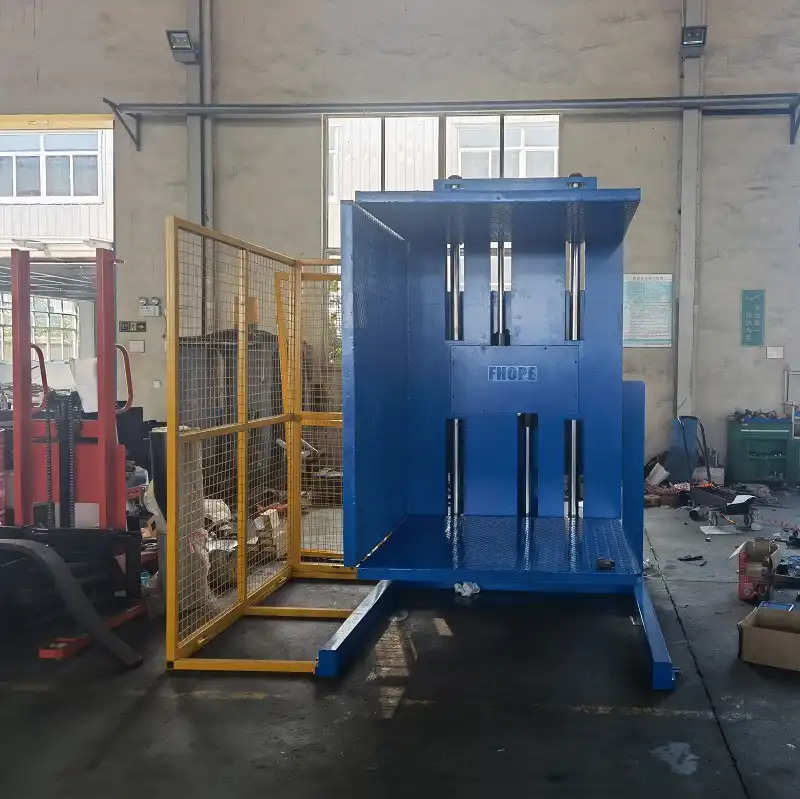
Pallet inverters offer significant long-term cost savings by reducing labor expenses, minimizing product damage, and cutting down on accident-related costs like insurance and compensation. Their robust design ensures durability, providing a strong return on investment through improved operational efficiency, higher throughput, and compliance with international standards. These savings and benefits accumulate over time, making pallet inverters a wise strategic investment for any busy warehouse aiming for financial independence.
Through my journey from an employee to owning a successful packing machine factory, I have learned that smart investments in technology always pay off. They do not just solve immediate problems; they create a foundation for sustained growth and financial stability. For a warehouse manager, investing in a pallet inverter is not just buying a machine; it is buying into a more efficient, safer, and ultimately more profitable future. The benefits extend far beyond the direct savings. They also include better customer satisfaction, fewer penalties, and a more resilient supply chain. Let us explore the various ways a pallet inverter delivers clear and measurable ROI over its lifespan.
1. 💰 Direct Cost Reductions
Pallet inverters contribute to immediate and ongoing reductions in operational expenses.
- Reduced Labor Costs: By automating pallet changes, the need for multiple workers to perform strenuous tasks is eliminated or greatly reduced. This can lead to lower payroll expenses, fewer overtime hours, and better allocation of staff to other value-added roles.
- Lower Material Handling Costs: The faster processing time means less time spent on each pallet, which translates into lower operational costs per unit handled.
- Minimized Pallet Replacement Costs: Pallets that are swapped out because they are damaged can often be reused or repaired. A pallet inverter makes it easy to replace a damaged pallet without disturbing the load, thus saving the cost of new pallets and reducing waste.
2. 🛡️ Indirect Savings and Revenue Protection
Beyond the direct costs, pallet inverters safeguard against losses and protect revenue streams.
- Avoidance of Fines and Penalties: For international shipments, using the wrong pallet type can result in significant fines, delays, and even product rejection. A pallet inverter ensures compliance, preventing these costly issues.
- Reduced Product Damage: Manual handling significantly increases the risk of product damage. The secure and controlled operation of an inverter drastically reduces this risk, saving on the cost of spoiled goods, rework, and customer returns.
- Lower Insurance Premiums and Compensation: Fewer workplace accidents directly lead to lower workers’ compensation claims and potentially reduced insurance premiums for the warehouse.
- Increased Customer Satisfaction and Retention: Faster, more reliable shipments and undamaged goods lead to happier customers. This strengthens client relationships and reduces the risk of customer churn, which is vital for long-term business success.
3. 🤝 Long-Term Investment and Partnership
An investment in a high-quality pallet inverter is a long-term commitment to operational excellence. FHOPEPACK aims to be a partner in this journey, not just a supplier.
- Durability and Reliability: Quality pallet inverters are built to withstand the rigors of high-intensity warehouse environments. With proper maintenance, they offer years of reliable service.
- Scalability: As your business grows, automated solutions can scale with your needs, supporting increased throughput without requiring a proportional increase in labor.
- Strategic Partnership: Choosing a supplier like FHOPEPACK means gaining access to expertise and support. We understand your pain points and offer solutions that are truly flexible and effective, ensuring your investment continues to deliver value for years to come.
Conclusion
Pallet inverters are not just machines; they are strategic assets that drive significant advancements in warehouse automation and greatly reduce labor dependence. By enhancing efficiency, boosting safety, ensuring compliance across diverse pallet types, and delivering substantial long-term cost savings, a pallet inverter proves itself as an indispensable tool for any modern distribution center.








