
How coil wrapping machine in Russia supports manufacturers meeting global standards?
Manufacturing plants in Russia face big challenges. They need to produce more, cut costs, and make sure their products meet high international standards. Old packing methods often slow things down and cause problems. This puts pressure on factory managers like you. You constantly look for better ways to operate.
Coil wrapping machines help Russian manufacturers meet global standards by automating the packing process. They protect products, increase output, improve safety, and reduce damage. This allows factories to deliver high-quality goods faster and more reliably to international markets.
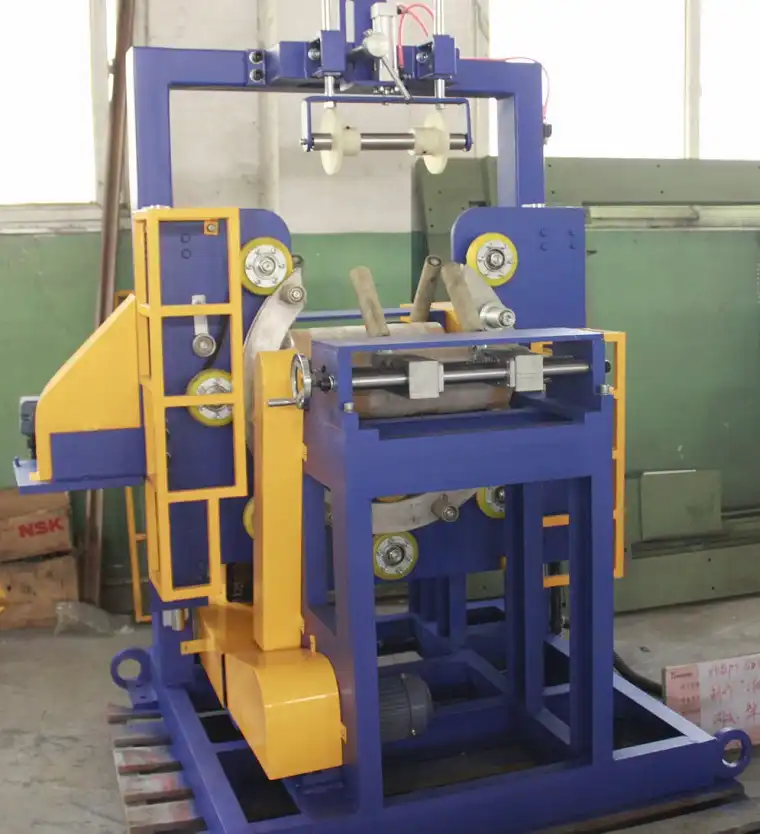
Many factory leaders, just like Michael Chen in Mexico, understand these pressures well. They know that investing in the right equipment is key to staying competitive. Let’s look closer at how modern coil wrapping machines are changing the game for Russian manufacturers and helping them reach global benchmarks.
1. Why are Russian manufacturers looking for advanced coil packing solutions?
Imagine your production line, humming along, only to hit a bottleneck at the very end: packing. Manual methods slow everything down. This is a common pain point for many factories, especially in Russia, where the push for global competitiveness is strong. They cannot afford to lose time or quality.
Russian manufacturers seek advanced coil packing solutions to overcome manual labor bottlenecks, reduce high operational costs, and increase their overall production efficiency. They need these machines to keep up with demand and secure their place in the global market.
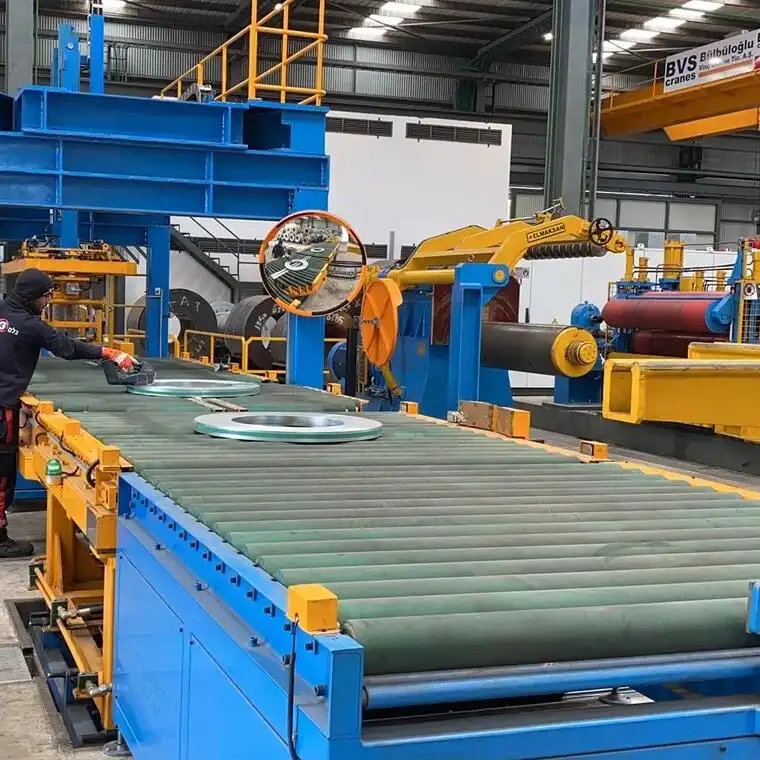
The Shift from Manual to Automated Packing in Russia
Many factories in Russia still rely on old ways of packing. They use a lot of people to wrap heavy coils or wire bundles. This worked in the past. But today, the world moves faster. Customers expect quick delivery. They also want perfect products. Manual packing simply cannot keep up. It causes delays. It costs more money in wages. It also leads to mistakes. These mistakes can harm products. They can also hurt workers.
Russian manufacturers see this clearly. They understand that to sell their goods outside Russia, they need to meet world-class standards. This means their products must arrive in perfect condition. It also means their production process must be efficient. My own journey in the packing machine industry taught me this. I saw how much time and money factories lost with manual methods. That is why I became so passionate about finding better ways.
Advanced coil packing solutions offer a clear path forward. These machines work quickly. They wrap products uniformly. They do this without tiring. They also do not make mistakes. This helps factories produce more. It helps them produce better. This makes them more competitive.
Here are some core reasons for this shift:
- Rising Labor Costs: Wages are going up. Relying on many workers for repetitive tasks becomes very expensive. Automation offers a way to control these costs.
- Demand for Higher Throughput: Global markets demand more products, faster. Manual packing limits how much a factory can produce each day. Automated machines work continuously.
- Need for Consistent Quality: Hand packing can be uneven. It can leave products exposed. Machines wrap every coil the same way. This protects the product better. This leads to fewer customer complaints.
- Global Competition: Factories in other countries use advanced technology. To compete, Russian manufacturers must also adopt modern solutions. They need to show they are just as capable.
- Workforce Challenges: Finding and keeping skilled labor for hard, repetitive packing jobs is getting harder. Machines solve this problem.
This move to automation is not just about technology. It is about a change in mindset. It is about investing in the future. It is about making sure Russian products can stand shoulder to shoulder with the best in the world.
2. How do coil wrapping machines boost production efficiency and cut costs?
Think about the time wasted when workers manually wrap large, heavy coils. It is a slow and difficult job. Every minute counts in a busy factory. Slow packing means slower overall production. This can impact delivery times and customer happiness. This is a big problem that needs a smart solution.
Coil wrapping machines boost production efficiency by automating the labor-intensive packing process, drastically reducing wrapping time per coil. They cut costs by minimizing labor expenses, lowering material waste, and decreasing product damage during handling, leading to higher output and better profits.
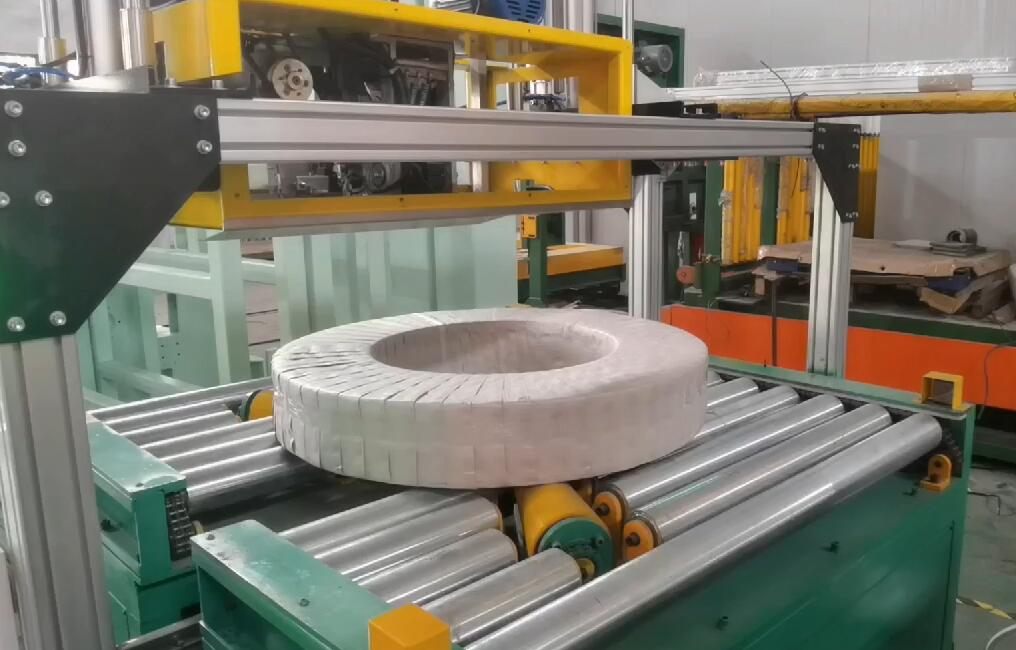
The Economic Impact of Automated Packing
When I first started in the packing machine business, I saw factories struggling with these issues. They had great production lines for steel or wire. But then, the finished goods would pile up at the packing station. It was like running a marathon and tripping at the finish line. I knew there had to be a better way. Automated coil wrapping machines provide that better way.
These machines work fast. They wrap a coil in minutes, not hours. This directly speeds up the whole production line. No more bottlenecks. Products move out the door faster. This means customers get their orders sooner. Happy customers often come back for more.
Cost savings are also a huge benefit. Less reliance on manual labor means lower wage bills. Machines use packing materials very efficiently. They wrap tightly, using just enough film or paper. This reduces waste. Manual wrapping often uses too much material. This costs more. Plus, machines protect products better. This means less damage during shipping. Less damage means fewer returns. It also means fewer complaints. All these things add up to big savings. This improves a factory’s profit margins.
Consider this comparison:
| Feature | Manual Coil Packing | Automated Coil Wrapping Machine |
|---|---|---|
| Packing Speed | Slow, dependent on worker skill and fatigue | Fast, consistent, high throughput |
| Labor Requirement | High, multiple workers needed | Low, often one operator can manage multiple machines |
| Material Usage | Inconsistent, often wasteful | Optimized, minimal waste |
| Product Damage | Higher risk during handling and wrapping | Low, consistent protection |
| Operational Costs | High (wages, insurance, potential rework) | Lower (energy, maintenance, reduced waste) |
| Consistency of Wrap | Varies by worker | Uniform, tight, professional |
The numbers speak for themselves. Automated systems free up workers to do other, more skilled jobs. This is a better use of human talent. The machine handles the heavy, repetitive work. This strategy leads to a more efficient and profitable operation. It sets the stage for higher volumes. It also helps in meeting the tough demands of global markets.
3. What role do these machines play in improving worker safety and product quality?
Manual handling of heavy steel coils or wire bundles is incredibly dangerous. Workers can get severe injuries. Lifting, pushing, and turning heavy objects puts huge strain on their bodies. This leads to accidents. It causes long-term health problems. This is a serious concern for any factory manager. Michael Chen, for example, worries deeply about his team’s safety.
Coil wrapping machines greatly improve worker safety by eliminating the need for manual handling of heavy items, thus reducing the risk of injuries. They enhance product quality by providing a consistent, secure, and protective wrap, preventing damage during transport and storage, and meeting stringent global standards.
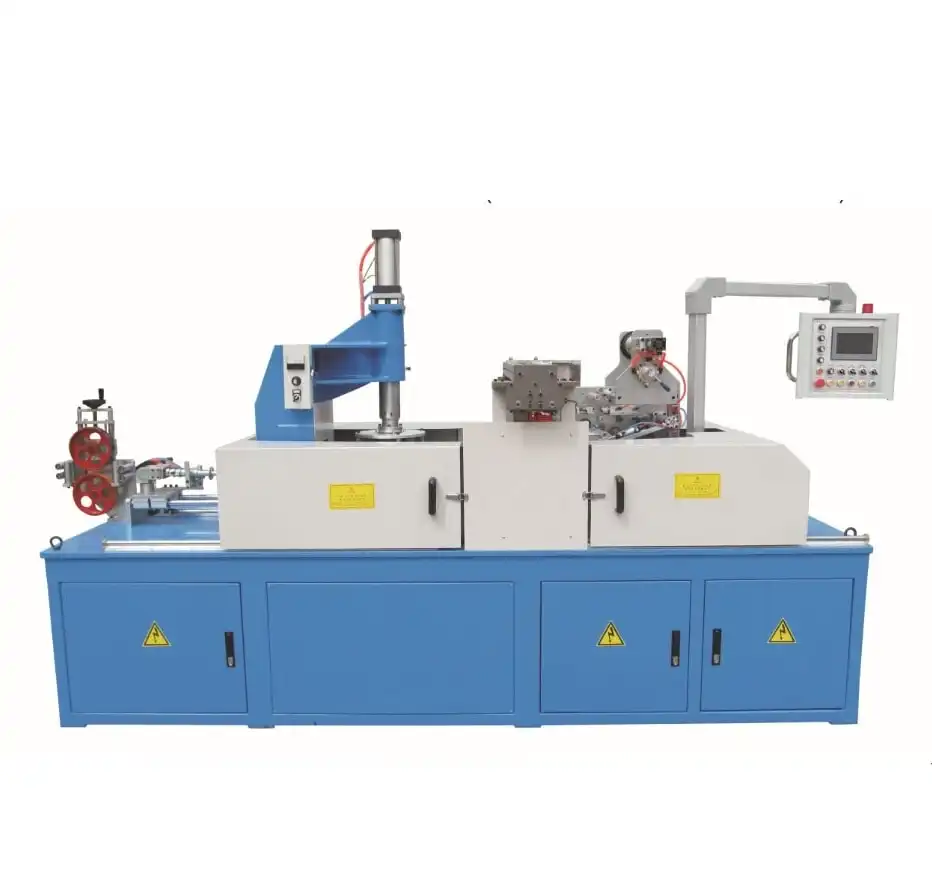
Protecting Both People and Products
When I visit factories, I always look at their safety procedures. I remember a time when I saw workers struggling to manually secure a large coil. The risks were clear. One slip could mean a broken bone, or worse. This is why I believe so strongly in automation. Machines do not get tired. They do not get distracted. They handle the heavy lifting. This keeps people safe.
Automated coil wrapping machines remove workers from hazardous situations. The machine does the wrapping. It secures the product. Workers just load and unload, often with cranes or forklifts. This is a much safer way to operate. Fewer accidents mean lower insurance costs for the factory. It also means a happier, healthier workforce. When workers feel safe, they work better. They stay with the company longer. This builds a strong, stable team.
Beyond safety, product quality sees a major leap. Imagine a steel coil that needs to travel across a country, or even the world. It will face bumps, scrapes, and changes in weather. A proper wrap is vital. Manual wrapping can be loose. It can leave gaps. This makes the product vulnerable. Machines, on the other hand, apply a tight, consistent wrap every time. This creates a strong barrier. It protects against dust, moisture, and physical damage. This means fewer damaged goods. It means fewer customer complaints. It keeps the factory’s reputation strong.
Key aspects of safety and quality improvement:
- Elimination of Manual Lifting:
- Reduces back injuries.
- Prevents crushing accidents.
- Lowers muscle strains.
- Consistent Wrapping Tension:
- Ensures uniform protection for the product.
- Prevents coils from unraveling.
- Secures edges, reducing damage like Michael’s coils often face.
- Protection Against Environmental Factors:
- Seals out moisture and dust.
- Offers UV protection for outdoor storage.
- Keeps products clean and dry.
- Compliance with Standards:
- Professional wrapping meets international shipping requirements.
- Boosts confidence in product integrity for buyers.
- Reduces risk of rejections or penalties.








