
Why do engineers prefer pallet inverters for dangerous goods pallet standardization?
Dangerous goods present unique challenges in warehousing and logistics. One wrong move can lead to severe consequences, from environmental damage to human injury, and substantial financial penalties. If you are managing a busy distribution center, especially one dealing with varied international shipments, you know the constant pressure. You need to ensure every pallet change is safe, compliant, and efficient, especially when dealing with hazardous materials. The stakes are incredibly high, and traditional manual methods simply do not cut it anymore.
Engineers prefer pallet inverters for dangerous goods pallet standardization because these machines offer an unparalleled combination of enhanced safety, strict regulatory compliance, improved operational efficiency, and long-term reliability, significantly reducing risks and manual handling in hazardous environments. They allow for the swift and secure transfer of goods from one pallet type to another, ensuring product integrity and worker safety while meeting diverse international shipping standards.
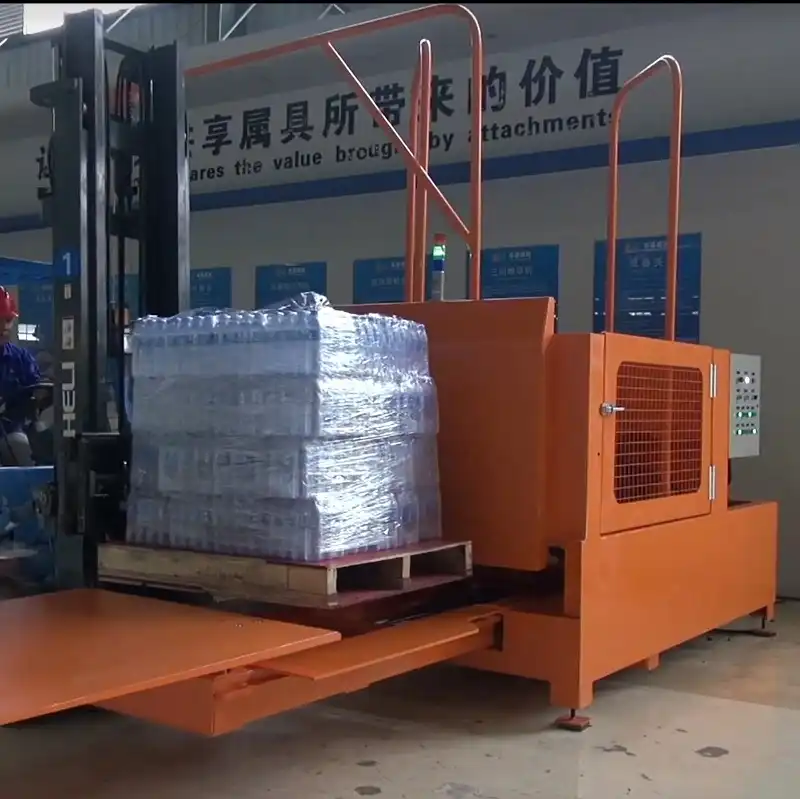
Understanding why these robust machines are becoming indispensable in dangerous goods logistics is crucial. We will explore how pallet inverters address the critical needs of safety, compliance, efficiency, and investment security, making them a preferred choice for forward-thinking logistics professionals.
Mitigating Risks: How do pallet inverters enhance safety for dangerous goods operations?
Are you still relying on manual labor to switch pallets for dangerous goods? If so, you are unknowingly inviting a host of severe risks into your operations. The manual handling of drums, chemicals, or other hazardous materials for pallet exchange exposes your workforce to direct contact, potential spills, and crush injuries. This not only jeopardizes human lives but also leaves your company vulnerable to costly accidents, legal issues, and irreparable damage to your reputation.
Pallet inverters fundamentally transform how dangerous goods are handled, prioritizing safety above all else. They remove the need for direct human interaction with the product during the pallet transfer process. This significantly reduces the risk of accidents and exposure to hazardous substances. The machine does the heavy lifting and turning, keeping your team safe.
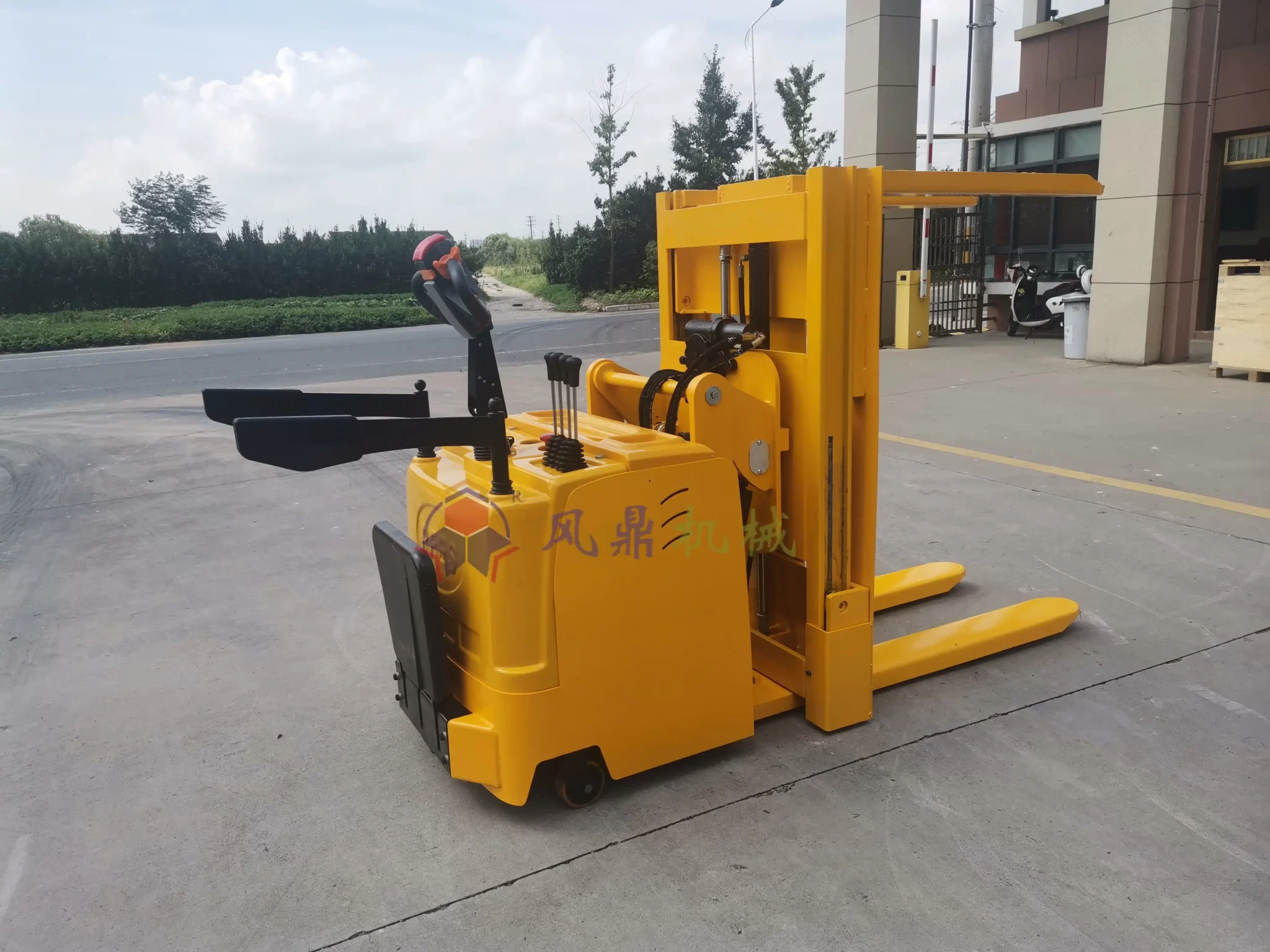
When I started my journey in the packing machine industry, I saw firsthand how even minor mishandling could lead to serious incidents. It impressed upon me the absolute necessity of robust safety protocols and equipment, especially for sensitive cargo. This commitment to safety is a cornerstone of FHOPEPACK’s philosophy. Our designs focus on minimizing human interaction, which is critical when dealing with dangerous goods.
-
1. Reduced Human Exposure:
- Manual methods require workers to physically maneuver or tip heavy, potentially unstable loads. This direct contact greatly increases the chance of accidents. Think about the risk of a drum of chemicals slipping during a manual tilt or lift.
- Pallet inverters secure the load completely before any movement. This means the dangerous goods remain contained and stable throughout the entire transfer process. Workers simply operate the machine from a safe distance, often outside the immediate hazard zone. This physical separation is a major safety advantage, keeping personnel away from potential spills, falls, or crush points.
-
2. Prevention of Spills and Damage:
- Dangerous goods, by their nature, are often stored in specialized containers designed to prevent leaks. However, rough handling or sudden movements during manual pallet changes can compromise these containers. A dropped or improperly tilted container can lead to disastrous spills, contaminating the warehouse, posing environmental threats, and requiring extensive cleanup procedures.
- Pallet inverters handle loads with precision and control. The goods are clamped firmly, preventing any shifting or dropping. The smooth, controlled inversion process ensures the integrity of the packaging. This gentle handling drastically reduces the likelihood of packaging breaches, container damage, or hazardous material leaks. This is vital for maintaining product quality and preventing environmental contamination.
-
3. Ergonomic Safety and Injury Prevention:
- Repetitive lifting, bending, and twisting are common in manual pallet exchange. These actions, especially when performed with heavy or awkward loads, lead to musculoskeletal injuries among workers. For dangerous goods, the added stress of careful handling further compounds these risks. Warehouse labor is already scarce, and injuries only exacerbate this problem.
- Automated pallet inverters eliminate the need for manual lifting and positioning of heavy loads. They take on the physical strain, protecting workers from back injuries, strains, and other common workplace accidents associated with heavy lifting. This not only improves worker well-being but also reduces the associated costs of workers’ compensation claims and lost productivity. It creates a safer, more sustainable work environment for your team.
Meeting Compliance: Can pallet inverters streamline dangerous goods pallet standards globally?
Navigating the complex world of international dangerous goods regulations can feel like a minefield. Each country, and sometimes even different regions within a country, might have specific requirements for pallet types. Imagine shipping hazardous materials from a European facility using Euro pallets to a US destination that mandates ISPM-15 compliant wooden pallets or even specific plastic pallets for hygiene reasons. Manually converting these pallets is not only inefficient but also opens the door to costly non-compliance. These errors can lead to customs delays, fines, rejection of shipments, and damage to your brand’s reputation.
Pallet inverters are invaluable tools for achieving and maintaining compliance with diverse international dangerous goods standards. They provide a quick, efficient, and secure method to switch goods from one pallet type to another without disturbing the load. This ensures that your products meet the exact specifications of the destination country, every single time.
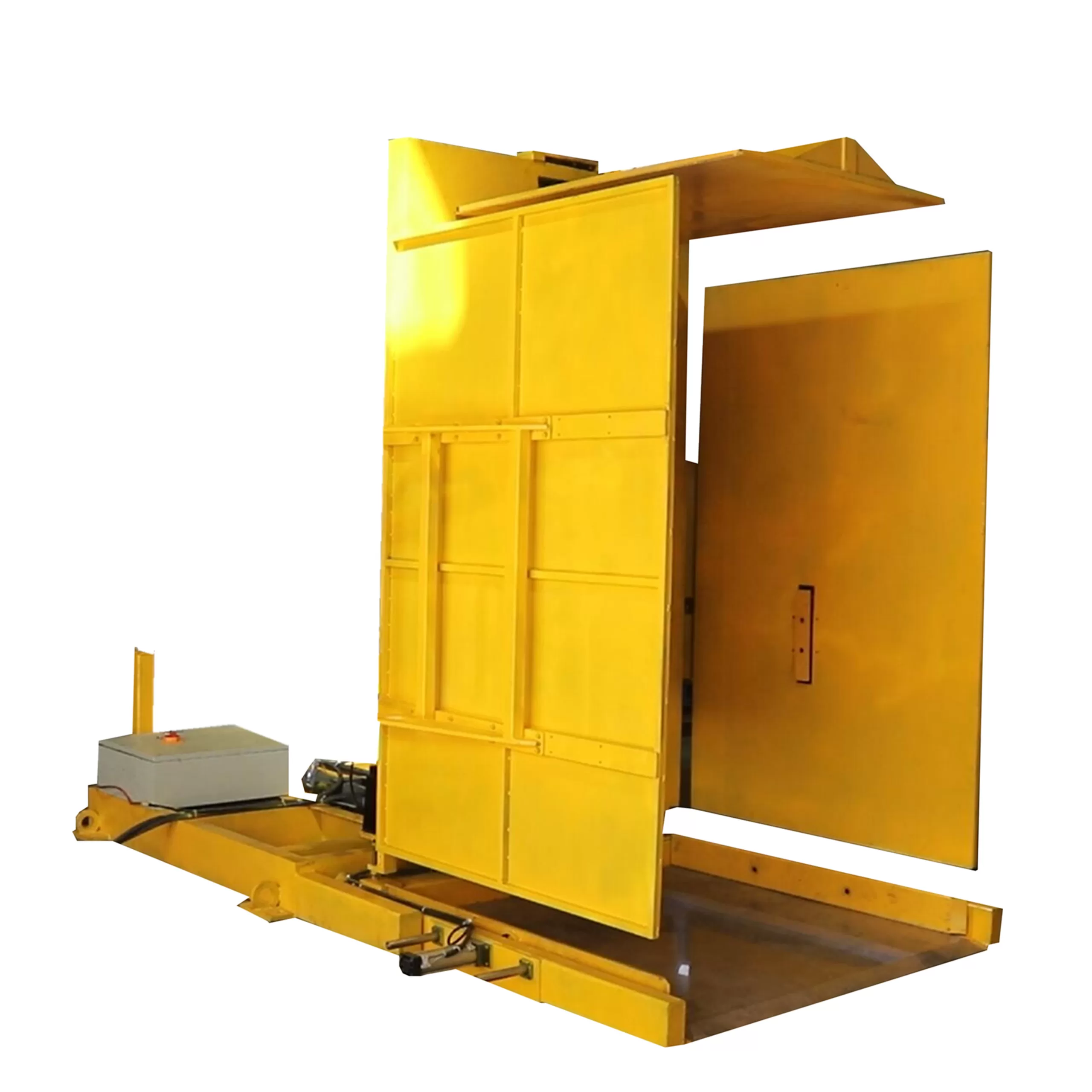
My experience building and running a packing machine factory taught me that compliance is not just about avoiding penalties; it is about building trust and facilitating smooth global trade. For dangerous goods, this is non-negotiable. I have seen how the wrong pallet choice can bring an entire shipment to a halt, costing businesses valuable time and money. That is why we design our machines to be flexible and robust, helping companies stay ahead of regulatory demands.
-
1. Seamless Pallet Type Transition:
- Global supply chains often require switching between various pallet types. For example, some regions might only accept wooden pallets, while others prefer plastic for cleanliness, or specific heat-treated pallets (like ISPM-15 standard) for international shipping to prevent pest contamination. Manually transferring dangerous goods from one pallet type to another is a laborious and risky process, often requiring multiple staff and specialized lifting equipment, all while trying not to compromise the hazardous cargo.
- Pallet inverters excel at this task. They can securely clamp the load and gently invert it, allowing the original pallet to be removed and replaced with the required destination pallet. This process is fast and does not require anyone to directly handle the dangerous goods themselves. It ensures that goods always arrive on the correct, compliant pallet, whether it is a Euro pallet, a US standard pallet, a plastic pallet, or a clean room-specific pallet. This adaptability helps prevent shipment rejections and delays at borders.
-
2. Maintaining Product Integrity for Compliance:
- Dangerous goods often come with strict packaging requirements to prevent leaks, spills, or damage. Any rough handling during a manual pallet exchange can compromise this critical packaging. If a container is punctured or its seal is broken, not only is there a safety risk, but the entire shipment might be deemed non-compliant and rejected. This leads to costly returns, disposal fees, and potential legal issues.
- Pallet inverters ensure that the dangerous goods remain intact and undisturbed during the entire transfer. The consistent and controlled movement prevents shocks, jolts, or excessive pressure on the packaging. This protects the integrity of the primary and secondary packaging, which is crucial for compliance with dangerous goods regulations that often specify packaging standards. By keeping the product secure, businesses can confidently meet regulatory requirements and avoid costly compliance failures.
-
3. Documentation and Audit Trail Support:
- Compliance for dangerous goods often involves extensive documentation, including records of handling, packaging, and transportation. Any deviation from standard operating procedures can be a red flag during audits. Manual processes are prone to inconsistencies and human error, making it difficult to maintain an accurate and traceable record of pallet changes.
- Modern pallet inverter systems, especially integrated ones, can be part of an automated warehouse management system (WMS). This integration can help create an audit trail for pallet changes. While the machine itself does not generate compliance documents, its consistent operation ensures that the pallet change process adheres to defined protocols. This systematic approach supports a more reliable audit trail. It helps demonstrate to regulators that dangerous goods are handled according to strict, controlled procedures, minimizing the risk of discrepancies and simplifying the audit process.
Boosting Throughput: How do pallet inverters drive efficiency in dangerous goods logistics?
In today’s fast-paced logistics world, particularly for food and beverage giants like Carlos’s, efficiency is not just a goal; it is a necessity. Customer demands for shorter delivery cycles are relentless. When you are moving thousands of pallets daily, any bottleneck, especially at the critical pallet exchange point, can create massive delays. Manual pallet switching for dangerous goods is inherently slow and resource-intensive, requiring multiple trained personnel and careful, often time-consuming, handling. This inefficiency directly translates to higher labor costs, slower inventory turnover, and a reduced capacity to meet market demands.
Pallet inverters dramatically enhance the efficiency of dangerous goods logistics operations. They automate and accelerate the pallet exchange process, significantly reducing the time and labor required. This increased throughput helps warehouses meet tight delivery schedules and optimizes overall operational flow.

I remember the early days when we were scrambling to meet production targets, and every minute counted. Manual processes were always the first bottleneck. That is why I became so passionate about automation – it is about giving businesses the tools to move faster and smarter, without compromising quality or safety. For dangerous goods, this efficiency gains are even more profound because manual processes are so painstakingly slow.
-
1. Significant Time Savings:
- Manually changing pallets for dangerous goods is a slow and delicate operation. It often requires stopping the flow of goods, careful repositioning, and multiple steps to ensure safety. For a large distribution center handling thousands of pallets, these minutes add up to hours of lost productivity each day. This slows down the entire supply chain and prevents quick fulfillment of orders.
- Pallet inverters perform the entire pallet exchange cycle in minutes, sometimes even seconds. Once the load is positioned and clamped, the machine handles the rest. This dramatic reduction in cycle time means more pallets can be processed in a shorter period. It allows for much faster order fulfillment and helps to clear bottlenecks in the warehouse. This directly contributes to meeting urgent customer demands and maintaining a competitive edge.
-
2. Reduced Labor Dependency:
- Labor costs are a constant concern, and finding skilled, willing workers for strenuous warehouse tasks, especially those involving dangerous goods, is increasingly difficult. Manual pallet changes typically require at least two, sometimes three, workers to ensure safety and efficiency. This high labor input drains resources and makes operations more expensive.
- A pallet inverter, especially an automated or semi-automated model, can be operated by a single worker, or even integrated into a fully automated line. This frees up valuable labor for other tasks within the warehouse. By reducing the number of personnel needed for pallet switching, companies can lower their operational costs significantly. It also addresses the challenge of labor shortages, making the existing workforce more productive and efficient.
-
3. Streamlined Workflow and Consistent Output:
- Manual processes are inherently inconsistent. The speed and quality of pallet changes can vary depending on the individual worker, their experience, and even their fatigue level. This variability disrupts the predictable flow of a warehouse, making planning difficult and leading to unpredictable delays. For dangerous goods, any inconsistency is a risk.
- Pallet inverters deliver consistent performance every time. Once programmed, they perform the pallet exchange with the same speed and precision, regardless of the operator. This consistency creates a much more predictable and streamlined workflow. It eliminates variability and ensures a steady output, which is crucial for maintaining a smooth, efficient supply chain. This predictability allows for better planning, optimized resource allocation, and overall improved operational control.
Securing Your Investment: Why are pallet inverters a reliable choice for dangerous goods handling?
Carlos, like many seasoned logistics managers, understands that a successful business depends on long-term partnerships and robust, reliable equipment. For dangerous goods, equipment failure is not just an inconvenience; it is a disaster waiting to happen. Investing in cheap, unreliable machinery might save a bit upfront, but it inevitably leads to frequent breakdowns, costly repairs, significant downtime, and potential safety hazards. This erodes profitability and undermines customer trust. You need equipment that is built to last and performs consistently, even under the demanding conditions of a busy warehouse.
Pallet inverters are designed for heavy-duty, continuous operation, making them a highly reliable and sustainable investment for dangerous goods handling. Their robust construction, minimal maintenance needs, and proven performance offer peace of mind, ensuring uninterrupted operations and a strong return on investment over the long term.
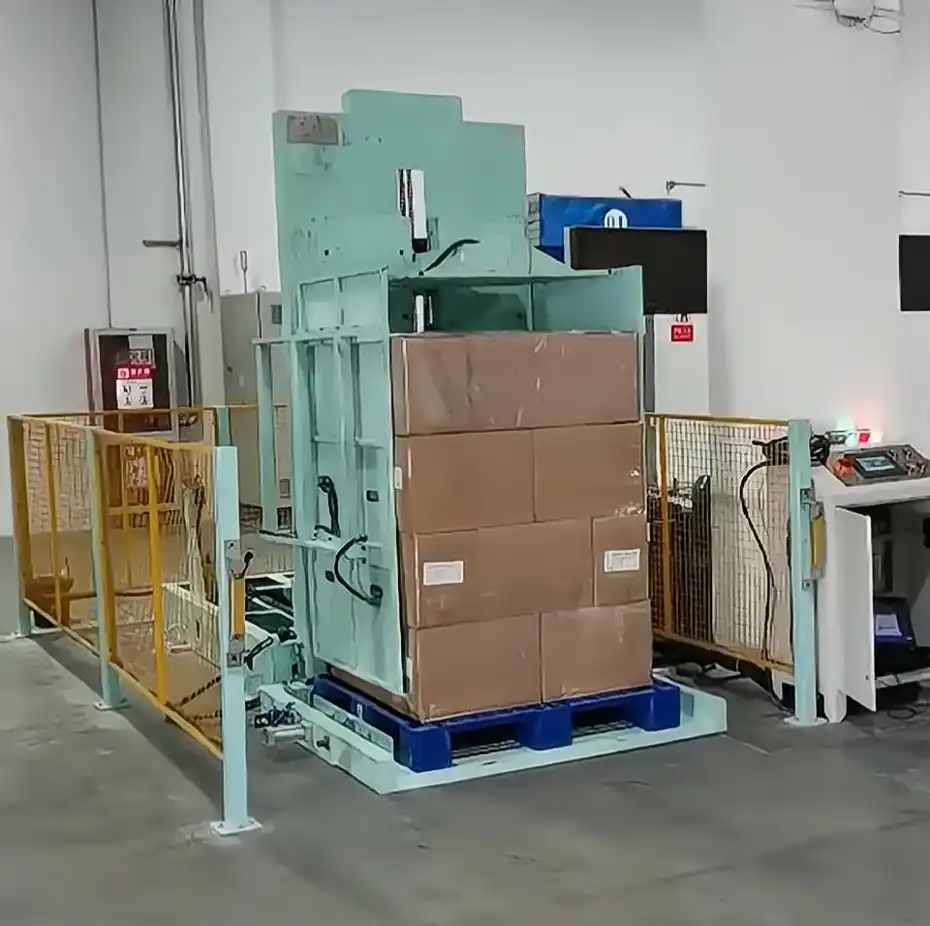
My journey from factory employee to owner taught me that true value comes from durability and performance. We do not just build machines at FHOPEPACK; we engineer solutions that withstand the test of time and demanding environments. For dangerous goods, this commitment to reliability is absolutely critical. Our clients rely on our equipment to keep their operations running safely and smoothly, day in and day out. This focus on enduring quality is how we build long-term relationships, not just sell machines.
-
1. Robust Construction for Demanding Environments:
- Warehouse environments, especially those handling dangerous goods, are challenging. Equipment is subjected to heavy loads, continuous operation, and sometimes harsh conditions. Cheaper machines often use inferior materials and construction methods, leading to premature wear and tear, structural failures, and constant repair needs. This translates to frequent interruptions in dangerous goods handling, which can be catastrophic.
- High-quality pallet inverters are built with heavy-duty steel frames, industrial-grade components, and powerful hydraulics. They are specifically engineered to withstand the stresses of continuous operation with heavy and potentially hazardous loads. This robust construction ensures long-term durability and consistent performance. It reduces the frequency of breakdowns, minimizing costly downtime and ensuring that your dangerous goods operations run smoothly and without interruption.
-
2. Low Maintenance and Operational Longevity:
- Maintenance is a significant operational cost. Machines that require constant adjustments, frequent parts replacement, or complex servicing drain resources and impact productivity. For critical equipment like dangerous goods handlers, extensive maintenance periods can halt entire sections of a warehouse, leading to backlogs and missed delivery deadlines.
- Pallet inverters are designed with simplicity and longevity in mind. Their mechanical design involves fewer complex moving parts compared to some other automated systems. This leads to lower maintenance requirements. Regular preventative maintenance, which is straightforward, extends the machine’s lifespan significantly. This means lower overall operating costs, minimal disruptions, and a more reliable asset for your business. It ensures that the investment continues to pay dividends for many years.
-
3. Adaptability and Future-Proofing:
- The logistics landscape is constantly evolving. New regulations, different pallet standards, and changes in product packaging can quickly render specialized equipment obsolete if it lacks flexibility. An inflexible investment means you might have to purchase new equipment every few years, which is wasteful and inefficient. For dangerous goods, this adaptability is crucial as regulations can change.
- Pallet inverters offer a high degree of adaptability. Many models can accommodate a wide range of pallet sizes and types, and some even offer adjustable clamping pressures for different load sensitivities. This flexibility means your investment remains relevant even as your operational needs or regulatory requirements change. Choosing a reputable manufacturer also ensures access to upgrades and responsive technical support. This makes pallet inverters a future-proof solution, protecting your capital investment and supporting your business growth for years to come.
Conclusion
Pallet inverters are more than just machines; they are strategic assets for dangerous goods logistics. They address critical needs by enhancing safety, ensuring compliance, boosting efficiency, and providing a reliable long-term investment. My journey has shown me how quality equipment like a pallet inverter empowers businesses to thrive safely and effectively in complex environments.








