
Which Pallet Inverter Helps Chemical Factories Cut Downtime and Improve Compliance?
Chemical factories operate in a world of strict rules and high stakes. Every minute of downtime costs a lot. Every compliance error can lead to huge fines or even shutdowns. You might think your pallet handling is just a small part of your operation. But inefficient processes and compliance failures in this area are silent profit killers. This is not just about moving goods; it’s about protecting your team, your products, and your reputation. You need a smarter way to manage your pallets.
The right pallet inverter, specifically a robust, automated, and versatile model designed for industrial use, helps chemical factories cut downtime and improve compliance by streamlining pallet changes, enhancing safety, and ensuring seamless transitions between different pallet types for diverse regulations.
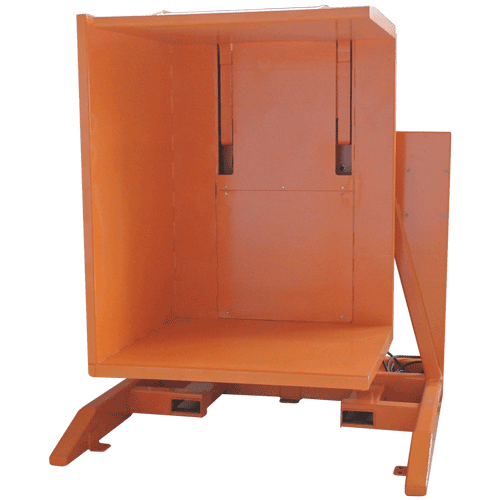
I have seen firsthand how crucial efficiency and safety are in factory settings. From my early days on the packing machine factory floor to building FHOPEPACK, I understand these challenges deeply. Let’s explore exactly how you can tackle them and turn a problem area into a strength.
Are Manual Pallet Operations a Hidden Cost for Chemical Factories?
Many chemical factories still rely on people to handle and switch pallets. This often seems like a cost-saving choice at first glance. However, this approach hides massive expenses. It means slow processes, increased worker injuries, and potential product damage. Manual pallet operations are not just inefficient; they are a significant liability. It is time to rethink this outdated method.
Manual pallet operations in chemical factories are a hidden cost because they directly cause significant downtime, increase labor expenses due to slow processes, introduce severe safety risks for workers handling hazardous materials, and often lead to product damage and compliance breaches.
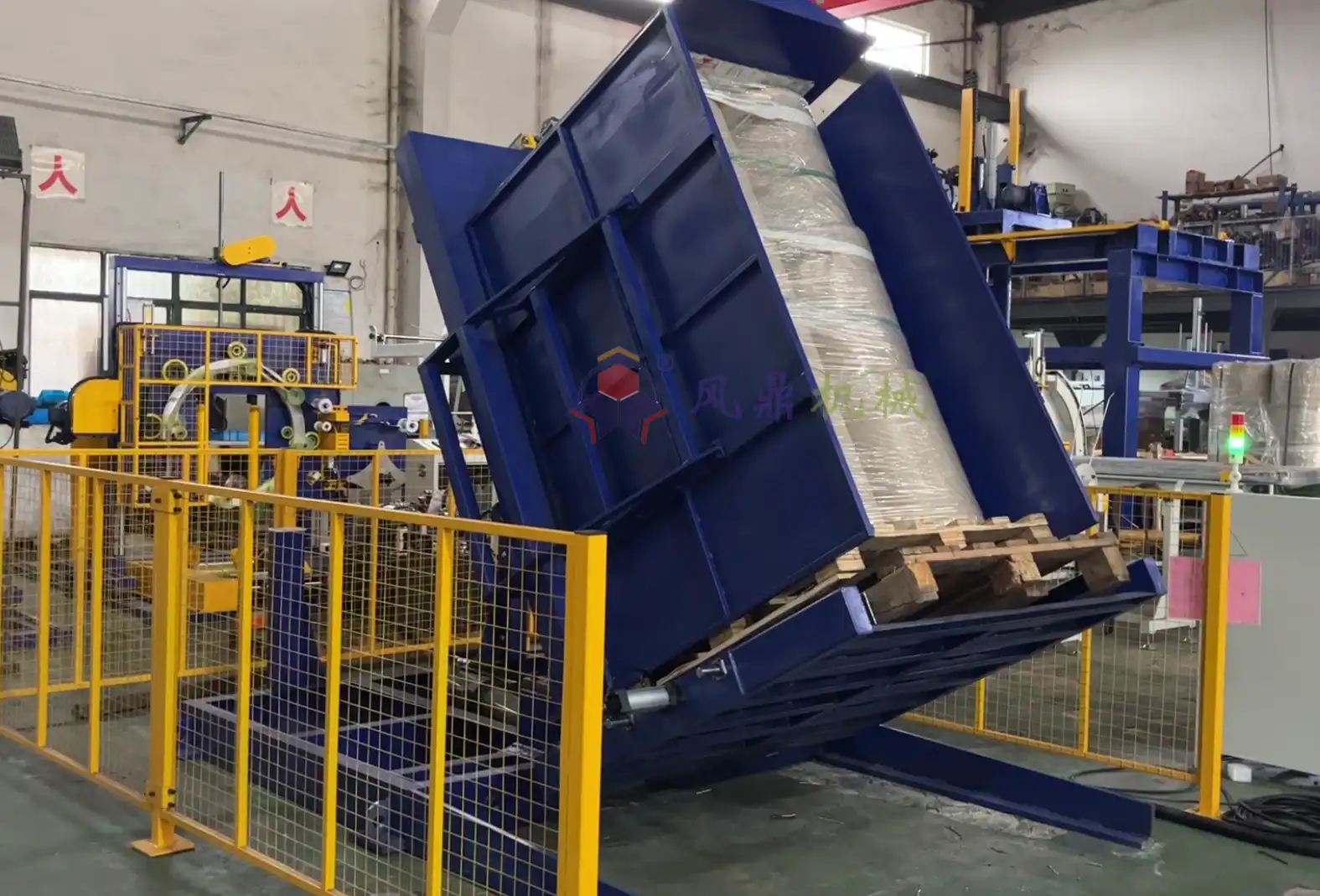
Let’s break down why relying on manual pallet handling can hurt your chemical business more than you realize. I remember early in my career, we had an incident where a forklift operator tried to manually shift a heavy, unstable load. It resulted in a spill and a significant cleanup effort, causing hours of lost production. This memory always reminds me why automation is so important.
The True Costs of Manual Pallet Handling:
- Direct Downtime and Bottlenecks:
- Manual pallet changes are slow. They create bottlenecks in your production line. This means your expensive machinery sits idle while workers struggle with pallets. Every minute of this waiting time costs you money. It disrupts your entire production schedule and shipment timelines.
- For example, switching between a damaged pallet and a good one, or changing from a wood to a plastic pallet for export, can take several minutes per load. Multiply this by hundreds of pallets a day, and you are looking at hours of lost productivity.
- Rising Labor Costs and Shortages:
- Skilled labor is hard to find and expensive. Manual pallet handling is physically demanding work. Younger workers are less willing to do such high-intensity tasks. This pushes labor costs up and makes staffing your warehouse a constant challenge.
- You are paying high wages for tasks that a machine can do faster and safer. This is a clear drain on your operational budget.
- Significant Safety Hazards:
- Working with chemicals already carries risks. Manual pallet handling adds more. Workers face risks like strains, back injuries, and crushing incidents. When products are unstable, or loads are heavy, the risk of spills or dropped goods increases dramatically.
- These accidents lead to worker compensation claims, medical expenses, and lost workdays. More importantly, they put your employees at serious risk.
- Inconsistent Quality and Product Damage:
- Human error is a factor. Manual stacking might be inconsistent. Pallets might not be perfectly aligned. This can lead to product damage during storage or transport. Damaged goods mean financial losses and unhappy customers.
- Chemical products, especially, need careful handling. Any damage can compromise the product or create a safety hazard.
Manual pallet handling is a critical area where many factories bleed money and put people at risk without even realizing it. Replacing these old methods is not just about being modern. It is about being smart and safe.
How Does Pallet Inconsistency Threaten Chemical Supply Chain Compliance?
Chemical products are often shipped across different countries and regions. This means dealing with a maze of pallet regulations. One country might require wood pallets treated in a certain way, while another demands plastic pallets for hygiene reasons. Ignoring these rules is a huge mistake. It leads to rejected shipments, massive fines, and a damaged reputation with your customers. Your entire supply chain can grind to a halt. You must ensure every single pallet meets the exact standard for its destination, every single time.
Pallet inconsistency threatens chemical supply chain compliance because differing international and national regulations (like ISPM-15, Euro pallets, US pallets) for hazardous materials can lead to shipment rejections, costly fines, customs delays, and potential safety hazards if unsuitable pallets are used, directly impacting reputation and profitability.
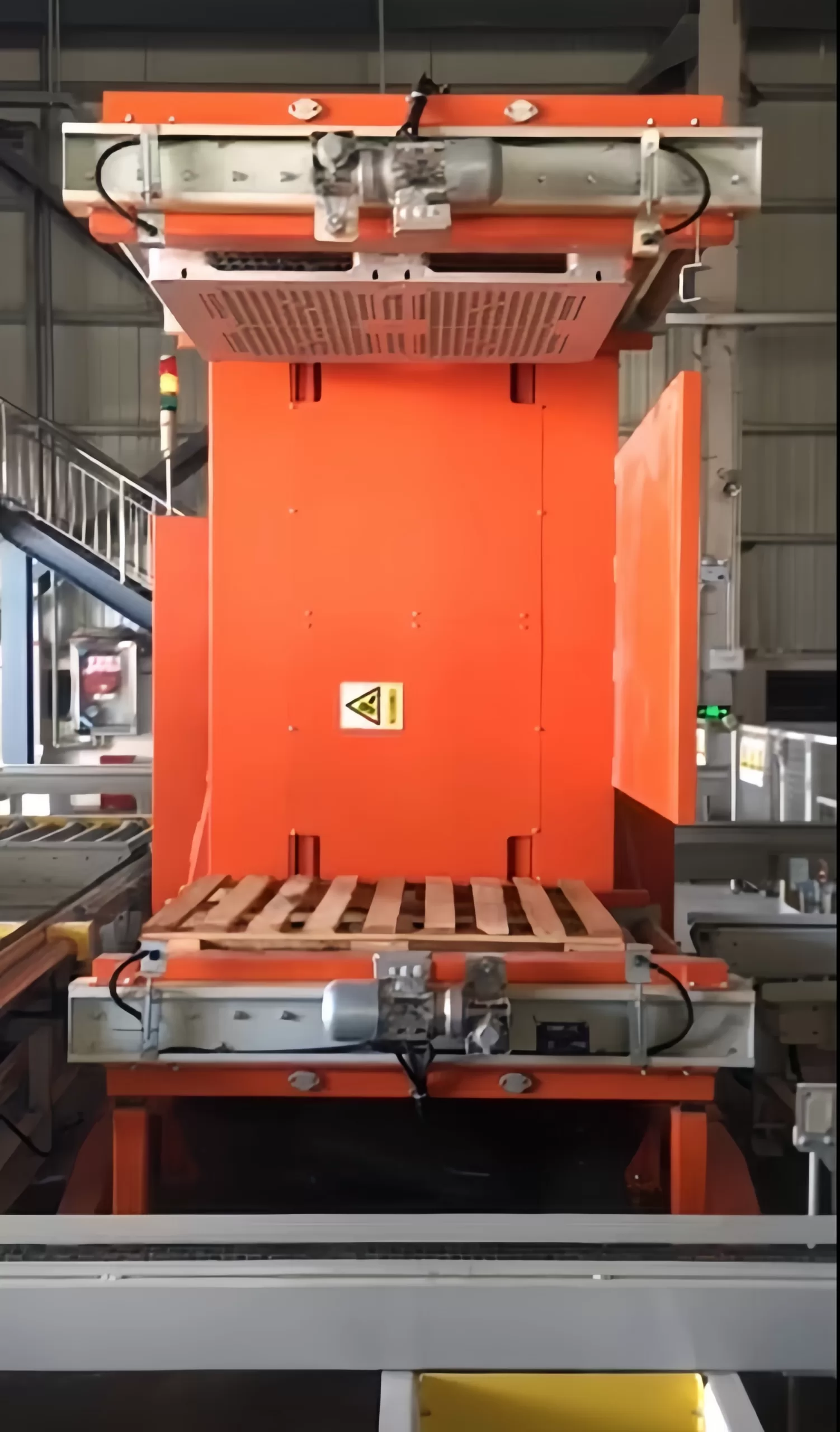
Maintaining compliance in the chemical industry is not just a suggestion; it is a strict requirement. When I speak with clients, they often share stories about shipments held up at customs simply because of the wrong pallet type or untreated wood. These delays are incredibly expensive.
Critical Compliance Risks from Pallet Inconsistency:
- 🌍 International Standards (ISPM-15):
- For wood pallets, the International Standards for Phytosanitary Measures No. 15 (ISPM-15) are crucial. This standard demands that all wood packaging material used in international trade is treated to prevent pest spread.
- If your wood pallets are not ISPM-15 compliant, your shipment can be rejected, quarantined, or even destroyed at the border. This results in huge financial losses and significant delays.
- 🇪🇺🇺🇸 Regional Pallet Types and Sizes:
- Different regions use different standard pallet sizes. For instance, Europe widely uses Euro pallets (1200x800mm), while North America prefers GMA pallets (48×40 inches).
- Shipping goods on the wrong pallet size can cause problems. It can lead to inefficient loading of containers, difficulty with local warehousing equipment, and even refusal of delivery. For chemicals, precise stacking and stability are essential.
- 🧪 Product Integrity and Safety:
- Chemicals often require specific handling conditions and stable transport. Using a pallet that is not strong enough or suitable for the load can lead to pallet failure.
- A pallet failure with chemical products can mean spills, leaks, and potential environmental or safety hazards. This creates a chain reaction of problems, from cleanup costs to regulatory investigations.
- 📋 Audit and Traceability Requirements:
- Regulatory bodies often require clear documentation and traceability for chemical shipments. Consistent pallet use helps in this.
- If your pallet usage is inconsistent, it can complicate audits. It makes it harder to prove that your goods were transported safely and compliantly throughout the supply chain. This opens your business up to potential penalties.
- 🛡️ Risk of Contamination and Hygiene:
- Some chemical environments or products might require plastic pallets due to hygiene rules or to avoid contamination from wood dust or splinters.
- Failing to switch to the correct pallet type can lead to contamination risks. This can affect product quality and even lead to product recalls, which are incredibly costly and damaging to your brand.
Ensuring every pallet meets the necessary compliance standard is not just good practice; it is a fundamental requirement for any chemical factory involved in global trade.
What Pallet Inverter Technology Truly Boosts Safety and Efficiency in Chemical Handling?
You already know that automation is the way forward. But with so many options, how do you pick the right pallet inverter? Which technology truly delivers for the unique challenges of chemical factories? Choosing the wrong machine can be as bad as, or even worse than, sticking with manual labor. A poorly chosen machine can break down often, not fit your specific needs, or even be unsafe. The real answer lies in robust, specific technology built to handle your exact problems, making your operations safer and much more efficient.
Pallet inverter technology that truly boosts safety and efficiency in chemical handling includes automatic 180-degree or 90-degree systems with robust construction, specialized clamping mechanisms for various load types, integrated safety sensors, and the ability to seamlessly switch between diverse pallet specifications (e.g., wood to plastic), minimizing manual intervention and hazard exposure.
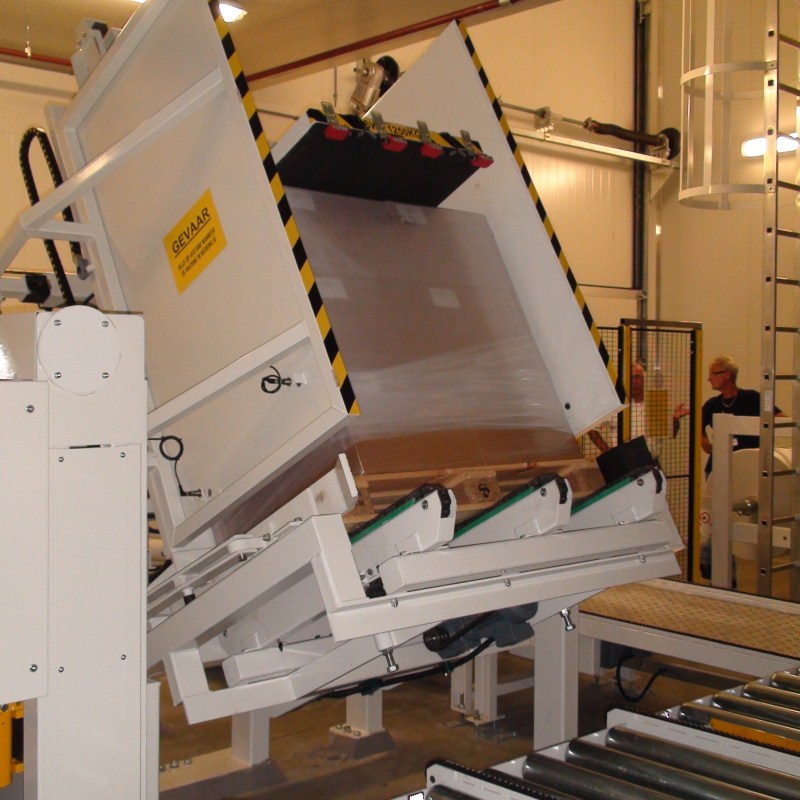
When I started FHOPEPACK, my vision was always about designing machines that truly solved problems. I focused on building equipment that wasn’t just fast, but also incredibly safe and reliable for demanding industries like chemical manufacturing.
Key Pallet Inverter Technologies for Chemical Factories:
- Automated Pallet Inverters:
- Full Automation: These machines take over the entire pallet changing process. This means no manual lifting or handling. This removes human error and the need for workers to be near heavy, moving loads. It is a huge step up in safety.
- Consistent Operation: Automated systems work tirelessly, maintaining consistent speed and precision. This significantly cuts downtime and boosts throughput, far beyond what any manual process can achieve.
- 180-Degree and 90-Degree Options:
- 🔄 180-Degree Pallet Inverters: These machines completely flip the load, allowing you to remove a damaged bottom pallet and replace it with a new one. This is ideal for goods that need to stay upright or for freezer applications where frozen products stick to pallets.
- 📐 90-Degree Pallet Changers: These systems rotate the load on its side. They are perfect for switching pallets where the product itself needs to remain oriented a specific way, or for transferring goods from a standard pallet to a slip sheet for container loading.
- Essential Features for Chemical Handling:
- 💪 Robust, Corrosion-Resistant Construction: Chemical environments can be harsh. The inverter must be built from strong materials that resist corrosion from chemicals, ensuring long life and reliability. Heavy-duty components mean fewer breakdowns.
- 🔒 Advanced Safety Sensors and Systems: This is non-negotiable. Look for machines with light curtains, emergency stop buttons, safety fences, and automatic detection systems. These features prevent accidents by stopping the machine if a person or obstacle is too close.
- 🔄 Versatile Clamping Mechanisms: Chemical loads come in many forms: drums, bags, boxes, and bulk containers. The inverter needs adjustable clamping that can securely hold all these diverse loads without damaging them during the change process.
- ⚡ High Throughput and Speed: In fast-paced chemical factories, the inverter must keep up. High-speed operation and continuous processing capability mean no bottlenecks in your pallet changing area.
- ⚙️ Easy Maintenance and Accessibility: Downtime for maintenance is still downtime. A well-designed inverter allows for easy access to components for quick servicing. This minimizes planned and unplanned stops.
- Reducing Human Error and Injury:
- The core benefit of these advanced systems is removing people from risky tasks. No more manual lifting of heavy pallets. No more dangerous forklift maneuvers to change pallets. The machine does the hard, dangerous work. This directly reduces accidents, injuries, and the associated costs and liabilities.
By choosing the right pallet inverter with these specific features, you are not just buying a machine. You are investing in a safer, more efficient, and compliant future for your chemical factory.
Beyond the Machine: What Makes a Pallet Inverter Supplier a True Partner for Chemical Businesses?
Many suppliers simply want to sell you a machine. Once the sale is done, they disappear. This leaves you stranded when installation problems arise, technical issues surface, or you need ongoing support. Your significant investment quickly becomes a burden instead of a solution. You need more than just a seller. You need a partner. A true partner understands your long-term needs, stands by their product, and helps you achieve continuous operational excellence.
A pallet inverter supplier becomes a true partner for chemical businesses by offering deep industry knowledge, customized solutions tailored to specific operational demands and compliance needs, comprehensive after-sales service including installation and maintenance, and a commitment to understanding and solving unique warehousing challenges, rather than simply selling equipment.

This is exactly why I founded FHOPEPACK. I wanted to build a company that was different. My goal was to partner with clients, not just sell to them. I wanted to use my years of experience to solve real-world problems. For chemical factories, this partnership approach is even more critical.
The Qualities of a True Pallet Inverter Partner:
- Deep Industry Expertise and Consultation:
- A real partner understands the chemical industry. They know about specific challenges like hazardous materials, strict compliance, and high throughput demands. They do not offer generic solutions.
- They take time to understand your unique operation, your specific types of chemicals, your current pallet handling methods, and your future goals. This consultation phase ensures the solution truly fits your needs.
- Customization and Seamless Integration:
- Your factory is unique. A good partner can customize the pallet inverter to fit your existing production lines. This includes specific pallet dimensions, load weights, and even the integration with your warehouse management systems.
- They ensure the machine works perfectly within your current setup, preventing disruptions and maximizing efficiency from day one. This tailored approach is key to long-term success.
- Professional Installation and Comprehensive Training:
- Installation is more than just plugging in a machine. A true partner provides professional installation, ensuring the inverter is set up correctly and safely.
- They also offer thorough training for your staff. This means your team knows how to operate the machine efficiently, troubleshoot minor issues, and follow safety protocols. Well-trained staff maximize your investment and reduce operational errors.
- Ongoing Support and Proactive Maintenance:
- Machines need support. A true partner offers reliable after-sales service. This includes readily available spare parts, prompt technical support, and proactive maintenance plans.
- They help you prevent future breakdowns and minimize downtime. They are there when you need them, ensuring your operations run smoothly for years to come.
- A Proven Track Record of Success:
- Look for a supplier with a history of successful installations in similar industries. Testimonials and case studies show their commitment and capability. My journey building FHOPEPACK, helping many clients grow their businesses by optimizing their packing and handling processes, is a testament to this commitment. We pride ourselves on building lasting relationships based on trust and performance.
Choosing the right supplier means choosing a partner who will help you overcome challenges, achieve your goals, and ensure your investment continues to pay off.
Conclusion
Investing in the right automated pallet inverter is a smart move for chemical factories. It cuts downtime, improves compliance, boosts safety, and secures your supply chain. Choose a partner who truly understands your needs and helps you achieve these vital goals.








