
How do pallet inverters compare in efficiency and safety for explosive material zones?
Handling materials in any warehouse brings challenges. But when you add “explosive material zones” into the mix, the stakes shoot through the roof. I have seen many situations where a simple pallet change becomes a high-risk operation. This is not just about moving goods. It is about protecting people, preventing huge losses, and keeping your business running smoothly. The wrong choice here can lead to disaster.
Pallet inverters drastically improve both efficiency and safety in explosive material zones by automating what would otherwise be a dangerous and slow manual process. They reduce human exposure to hazardous materials, minimize the risk of spills or accidents from manual handling, and ensure consistent, rapid pallet exchanges, which are critical for maintaining tight schedules in high-compliance environments.
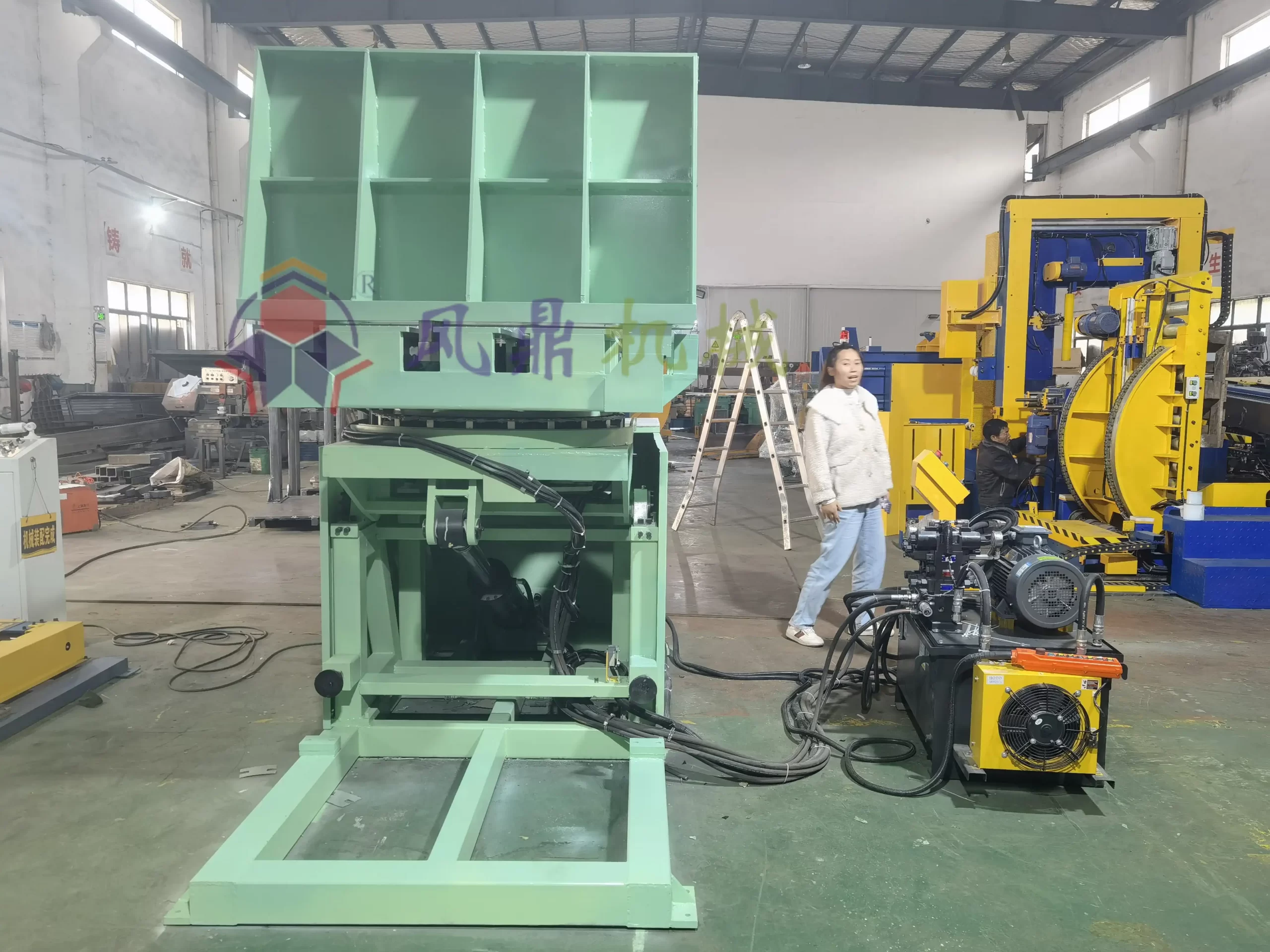
Many people in the packing industry, just like Carlos from Spain, tell me about the constant pressure to optimize warehouse operations. When you deal with explosive materials, this pressure doubles. You need solutions that work. You need to know these solutions are safe. Let us dive deeper into how pallet inverters meet these critical demands.
What makes handling pallets in explosive zones so risky?
Imagine a warehouse where even a small spark can cause a huge explosion. This is the reality of explosive material zones. Managers like Carlos face immense pressure. They must move products quickly and safely. But these environments have unique dangers. This means standard warehouse practices are simply not enough.
Handling pallets in explosive zones is risky because it combines the physical dangers of heavy lifting and moving with the specific hazards of ignitable materials. Manual methods introduce human error, physical strain, and the potential for dropping items. These actions can create sparks, generate static electricity, or damage containers, all of which can trigger an explosion or fire in a sensitive atmosphere.
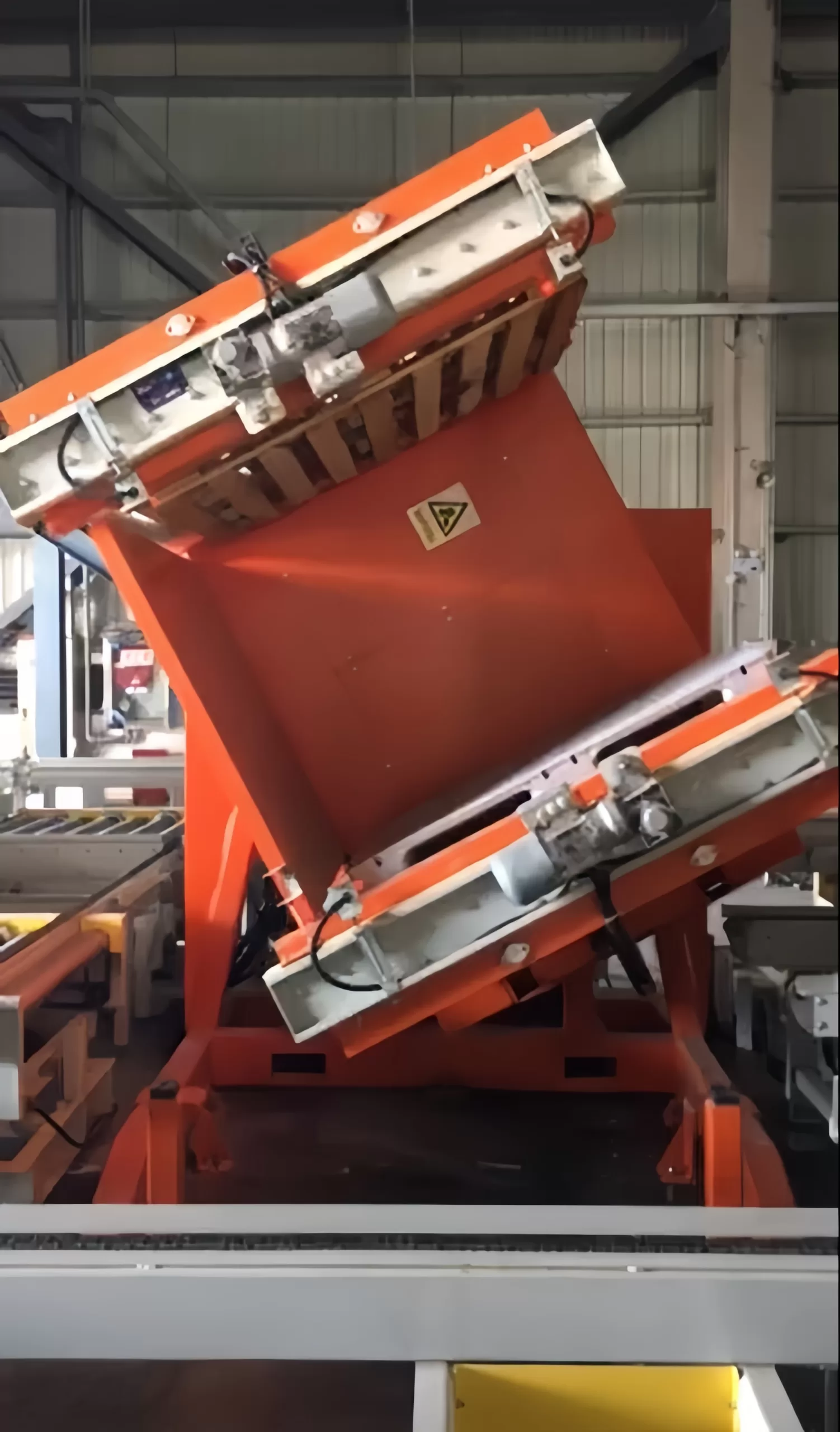
I have walked through many factories and seen the tight regulations in these areas. The rules are there for good reasons. Every step of the process must follow strict guidelines. This is especially true for pallet handling. A pallet inverter can change the game here. It takes away many of the risks that come with human involvement.
- Understanding the “Explosive Zone” Definition Explosive zones, often called ATEX zones in Europe, are areas where flammable gases, vapors, mists, or combustible dusts are present in quantities that can form an explosive mixture. These zones are classified based on how often and how long an explosive atmosphere is present. For example, a Zone 0 or Zone 20 means an explosive atmosphere is always or frequently present. A Zone 2 or Zone 22 means it is only present rarely or for short periods. This classification directly affects the type of equipment you can use and the safety measures you must implement. I often explain this to clients. The risk is not just about the material itself. It is also about the environment. Any equipment used must be certified for the specific zone. This means it has no ignition sources. It must prevent static build-up. It also must not create high temperatures.
- The Dangers of Manual Pallet Handling Manual pallet handling in explosive zones is extremely dangerous. Workers might drop a container. This could cause a spill of hazardous materials. Or, a dropped item could create a spark. Even small impacts can be a problem. Friction from moving pallets can generate static electricity. This can also cause a spark. People can trip or fall. They can hurt themselves. They can also damage the goods. My early days in the packing machine industry taught me that human error is a big factor in accidents. When you combine human error with explosive materials, the potential for catastrophe is very high. Think about what Carlos faces. He needs to move thousands of pallets. If even one manual operation goes wrong, the consequences are severe.
- Compliance and Legal Consequences Operating in explosive zones has very strict legal requirements. Companies must follow international and local safety standards. If an accident happens, the company faces huge fines. They can also face criminal charges. Production stops. The company’s reputation gets damaged. This is a nightmare scenario for any manager. Carlos, like many, needs to ensure full compliance. He knows that non-compliance is not an option. Pallet inverters designed for these zones help meet these strict rules. They ensure operations are safe and documented. This reduces the risk of legal problems. It also protects the business.
How do pallet inverters boost efficiency in high-risk zones?
In any busy warehouse, efficiency is key. In high-risk zones, it is even more critical. Delays are not just costly. They can also prolong exposure to danger. Pallet inverters are a game-changer here. They streamline operations in a way manual processes cannot.
Pallet inverters boost efficiency in high-risk zones by automating the pallet exchange process. This automation removes slow, labor-intensive manual steps. It drastically cuts down the time needed for each pallet swap. This allows for faster material flow. It also reduces bottlenecks at critical points. This means products move out of hazardous areas more quickly and safely.

I have seen firsthand how much time manual pallet changing can eat up. It is not just the physical act. It is also about coordinating people, ensuring safety checks, and dealing with mistakes. A pallet inverter simply gets the job done faster. This frees up valuable time and resources.
- Reducing Processing Time per Pallet Manual pallet changing involves many steps. Workers must prepare the area. They must secure the load. They must carefully lift and rotate the product. Then they must place it on a new pallet. This takes a lot of time per pallet. A pallet inverter, however, performs these actions quickly and automatically. Once the load is positioned, the machine does the rest. It rotates, lifts, or swaps the pallet in minutes. This speed is crucial. For someone like Carlos, who handles thousands of pallets daily, this time saving adds up very fast. It means goods spend less time in hazardous areas. This improves overall throughput. This also reduces the risk.
- Optimizing Labor and Resources Labor is a big challenge for many businesses. Carlos told me about rising labor costs. He also mentioned that young people are less willing to do strenuous jobs. Pallet inverters address this directly. They reduce the need for multiple workers to perform heavy, repetitive tasks. One operator can manage the machine. This means fewer people are exposed to high-risk environments. It also means you can reassign skilled workers to other, more complex tasks. This is a smart way to use your workforce. It makes your operations more lean and cost-effective. It helps with the labor shortage problem.
- Ensuring Consistent Throughput and Flow Manual processes are prone to variations. Some workers are faster. Others are more careful. Fatigue can also affect performance. This leads to inconsistent output. It creates bottlenecks. Pallet inverters provide consistent operation. They perform the task the same way every time. This ensures a steady flow of materials. It makes planning easier. It also makes inventory management more predictable. For businesses with strict delivery schedules, like Carlos’s food and beverage group, this reliability is priceless. It means they can meet customer demands without delays. This also avoids contract penalties.
Do pallet inverters truly make operations safer in explosive environments?
Safety is the number one priority in explosive material zones. Managers need to protect their staff and their assets. Manual pallet handling always introduces risks. Pallet inverters are designed to minimize these risks. This makes them a critical investment for hazardous operations.
Yes, pallet inverters significantly enhance safety in explosive environments by minimizing human interaction with dangerous goods. They use controlled, mechanical movements to handle loads. This removes the risk of manual lifting, twisting, or dropping that can cause spills or sparks. Many models are also ATEX-certified. This means they are built with features to prevent ignition sources, such as spark-proof components and anti-static materials.
I have always believed that the best safety measure is to remove the human element from dangerous tasks. Pallet inverters do exactly that. They create a safer working environment. This protects people. It also protects the business from costly accidents and legal issues.
- Minimizing Human Exposure and Physical Strain Manual pallet changing requires workers to be in close contact with potentially hazardous materials. They must lift, push, and maneuver heavy loads. This puts them at risk of physical injury. It also exposes them to the materials. Pallet inverters keep workers at a safe distance. The machine does the heavy lifting. This reduces physical strain. It also lowers the chance of accidents caused by fatigue or improper lifting techniques. For Carlos, who has seen multiple accidents from manual flipping, this is a major benefit. It means fewer worker compensation claims. It also means a healthier, happier workforce.
- Preventing Spills and Damage to Goods One of the biggest risks in explosive zones is a spill or damage to containers. A dropped box can release flammable liquids or dust. This immediately creates an explosive atmosphere. Manual handling carries a high risk of dropping or mishandling loads. Pallet inverters handle loads with precision. They hold the product firmly. They rotate it smoothly. This reduces the chance of spills or container damage. When I design machines, I always think about how to make them secure the load as much as possible. This is very important in sensitive environments. It helps maintain the integrity of the product and its packaging.
- ATEX Compliance and Spark Prevention Features Pallet inverters for explosive zones are not just any machine. They are specially built. They meet strict ATEX directives. This means they have features to prevent ignition. They use non-sparking materials. They have enclosed electrical components. They have anti-static grounding systems. They also have special motor drives to prevent overheating. These design elements are crucial. They ensure the machine itself does not become a source of ignition. This gives managers like Carlos peace of mind. He knows the equipment he uses will not add to the risk. Instead, it reduces it.
What should you look for in a pallet inverter for hazardous areas?
Choosing the right pallet inverter for a standard warehouse is one thing. Choosing one for a hazardous area is another challenge entirely. You need a machine that is reliable and safe. But it also must meet very specific requirements. Not all pallet inverters are created equal when it comes to explosive zones.
When selecting a pallet inverter for hazardous areas, you must look for ATEX certification for the specific zone classification, robust construction using non-sparking and anti-static materials, and integrated safety features like interlocks and emergency stops. You also need a supplier who understands the complexities of these environments and offers strong after-sales support and customization options to fit unique operational needs.
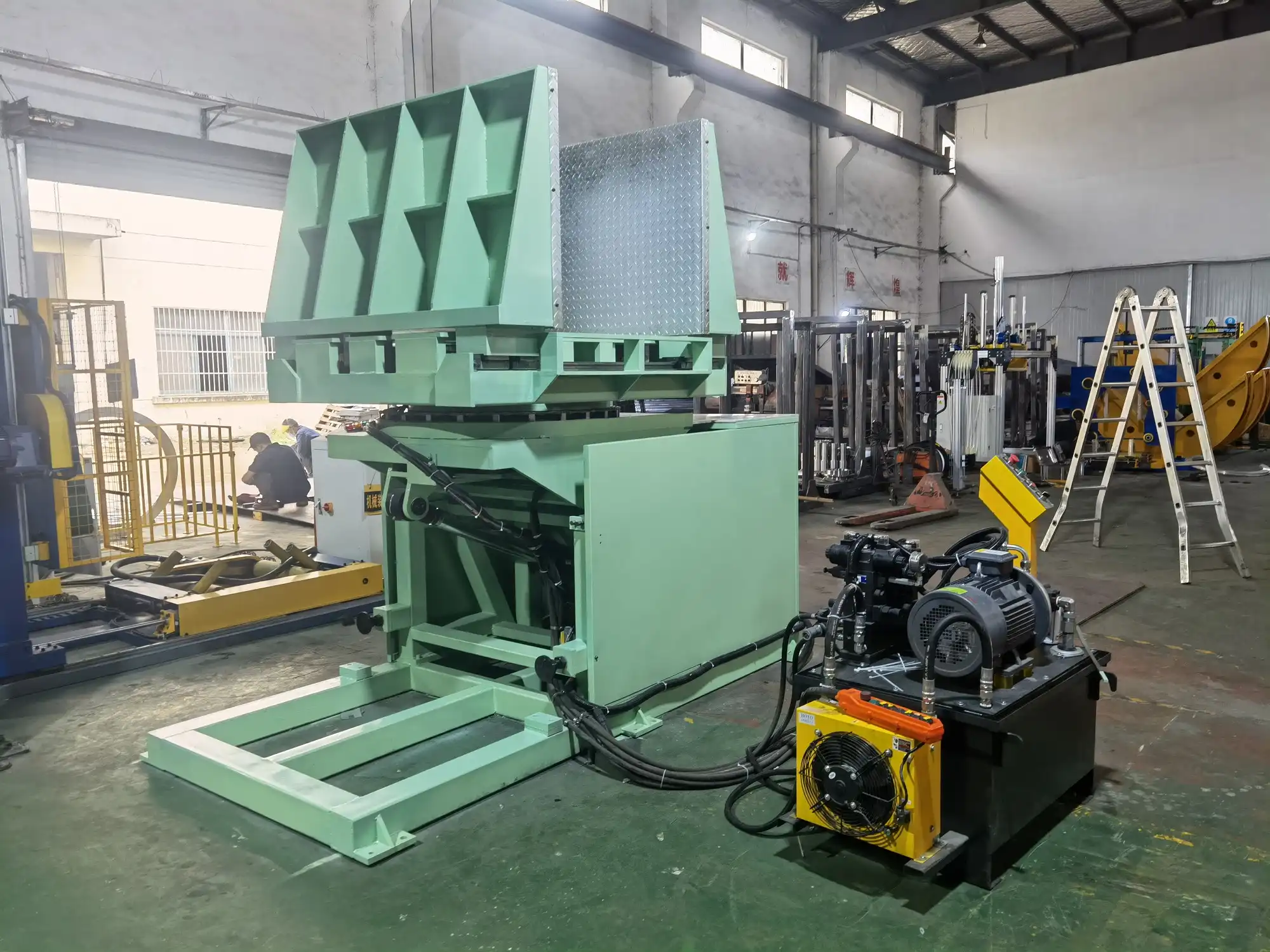
I have always told my clients that buying a machine is not just about the price tag. It is about finding a long-term partner. This is especially true for specialized equipment. Carlos wants a partner who understands his pain points. He does not want a company that just sells machines and forgets about them.
- Specific ATEX Certification and Zone Rating The most important thing to look for is ATEX certification. The pallet inverter must be certified for the specific explosive zone where it will operate. For example, a machine certified for Zone 2 may not be suitable for Zone 1 or Zone 0. You need to know your exact zone classification. Then you must choose equipment that matches it. This certification guarantees that the equipment has been tested and meets the necessary safety standards for that environment. Always ask for proof of certification. Do not settle for anything less. This is non-negotiable for safety and compliance.
- Robust Construction and Material Selection Equipment in hazardous areas must be tough. It must withstand daily operations. It must also resist corrosion from chemicals. Look for pallet inverters made from high-quality, durable materials. More importantly, these materials must be non-sparking. Stainless steel or specific types of aluminum are good choices. All electrical components must be explosion-proof. They need to be sealed to prevent dust or gas ingress. Also, ensure the machine has proper grounding. This prevents static electricity build-up. These details are often overlooked. But they are vital for long-term safety and reliability.
- Integrated Safety Features and User-Friendly Controls Beyond ATEX compliance, a good pallet inverter has other safety features. It should have emergency stop buttons that are easy to reach. It should have safety interlocks. These prevent the machine from operating if guards are open. It should have light curtains or safety scanners. These detect if a person is too close. The controls should be clear and simple to use. This reduces the chance of operator error. Remote control options can further enhance safety. They allow operators to stay even further away from the hazardous area during operation. My team at FHOPEPACK designs our machines with the operator in mind. We want them to be safe and easy to use.
- Supplier Expertise and After-Sales Support Choosing the right supplier is as important as choosing the right machine. You need a supplier who truly understands the needs of hazardous environments. They should have experience with ATEX regulations. They should be able to offer custom solutions. This is important for businesses like Carlos’s. He has diverse pallet sizes and specific operational demands. A good supplier will offer training. They will provide quick and reliable after-sales support. This includes maintenance and spare parts. This ensures your machine runs smoothly for years. It protects your investment. It also keeps your operations safe and efficient.
Conclusion
Pallet inverters are essential for efficiency and safety in explosive zones. They reduce risks, speed up operations, and help meet strict regulations. Investing in an ATEX-certified pallet inverter is a smart move for any business dealing with hazardous materials. It protects your people, your products, and your bottom line.








