
Why Do Engineers Choose Pallet Inverters Over Manual Handling for Heavy Car Parts?
You know the feeling. The pressure is on. Shipments are piling up, and your team is struggling with heavy, bulky items. Maybe it’s engine blocks, maybe it’s transmission systems, or perhaps even large chassis components. Trying to manually move or switch these heavy car parts from one pallet type to another is a recipe for disaster. It is slow, dangerous, and often creates bottlenecks in your entire operation.
Engineers increasingly choose pallet inverters over manual handling for heavy car parts because these machines offer a critical blend of enhanced safety, significant efficiency gains, and long-term cost savings, directly addressing the core challenges of modern logistics operations dealing with weighty and diverse goods.
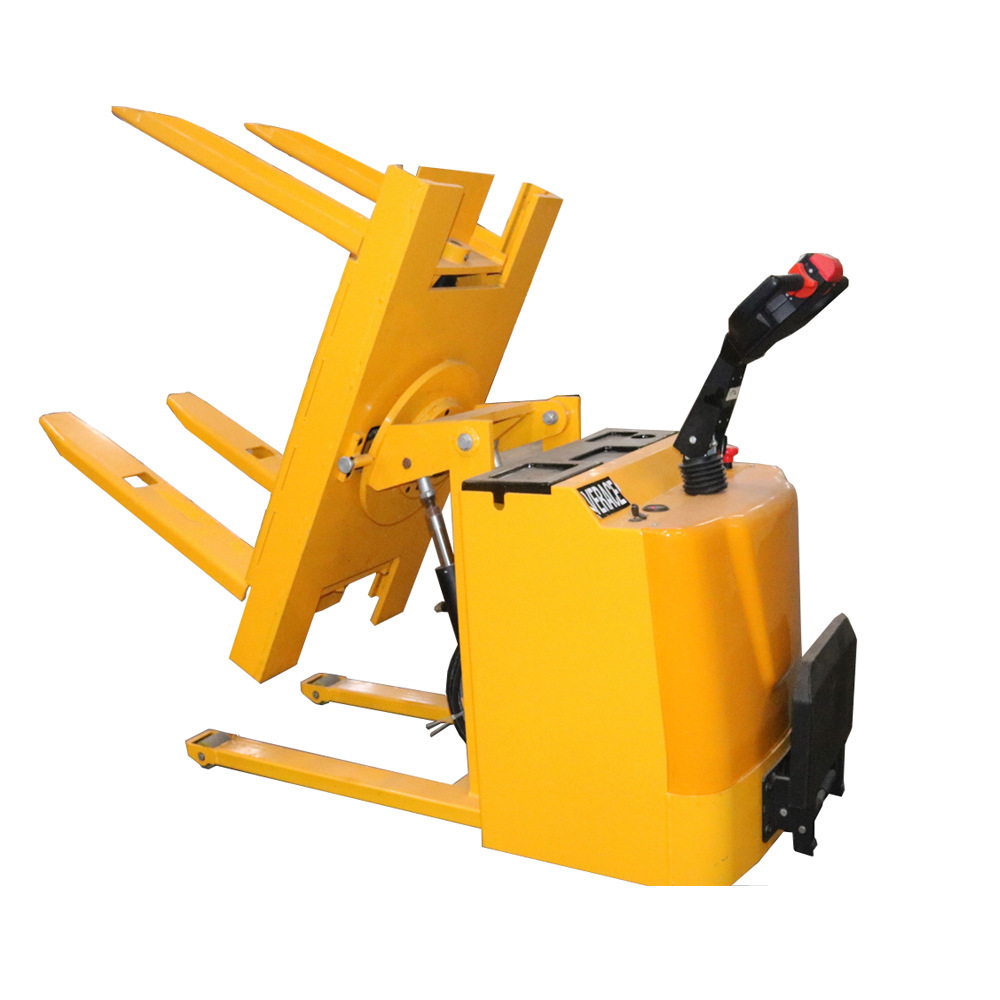
As someone who has spent years in the packing machine industry, from the factory floor to running my own successful business, I have seen these problems firsthand. I have watched operations transform when they embraced the right technology. If you are dealing with similar challenges, keep reading. We will explore why pallet inverters are not just a luxury but a necessity for handling heavy industrial items like car parts in today’s fast-paced supply chains.
Manual Handling of Heavy Parts: Is It Really Costing You More Than You Think?
Think about your warehouse. Picture the scene where workers are manually transferring heavy car parts from a wooden Euro pallet to a plastic US-standard pallet, or perhaps an export-specific one. This task is more than just physically demanding; it carries a cascade of hidden and obvious costs that can seriously erode your bottom line. It is not just about the immediate labor hours. It is about the ripple effect through your entire operation.
Manual handling of heavy car parts, while seemingly simple, brings hidden costs such as increased labor expenses, high rates of workplace injuries, frequent product damage, and significant operational inefficiencies that lead to missed deadlines and customer dissatisfaction.
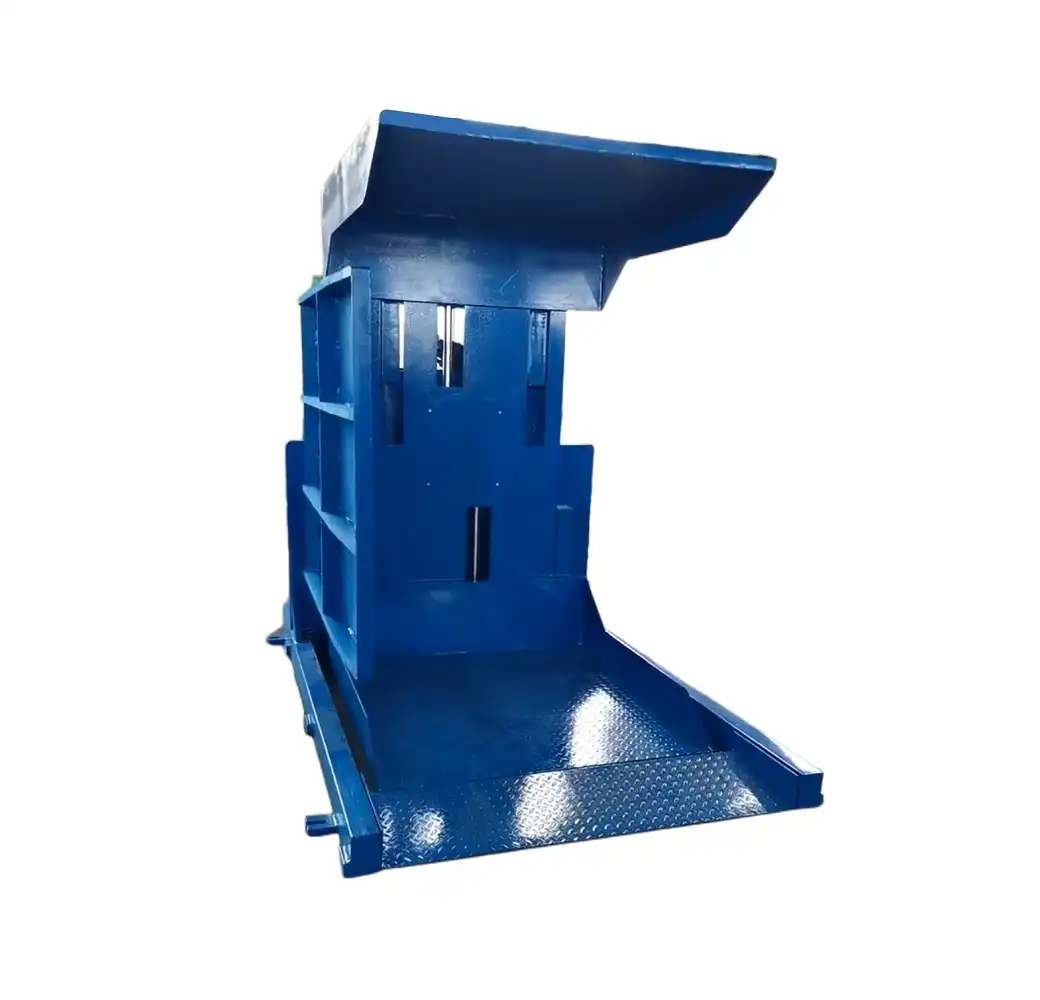
Dive deeper Paragraph: When I first started in the packing machine industry, I saw many factories relying heavily on manual labor for tasks like this. They believed it was cheaper than investing in machinery. But I learned quickly that this mindset often overlooks the true cost. Manual handling introduces several critical challenges that accumulate into substantial expenses.
-
High Labor Costs and Availability Issues
- Rising Wages: The cost of labor is constantly going up. Skilled and even unskilled workers demand higher wages, especially for physically demanding jobs.
- Labor Shortages: Finding people willing to do heavy lifting is getting harder. Younger generations often prefer less strenuous work. This means you might operate with fewer staff than needed, causing delays.
- Overtime Pay: When demand surges, you rely on overtime. This is expensive and can lead to burnout, reducing overall productivity and increasing error rates.
- Staff Turnover: High-intensity manual jobs often have high turnover. Recruiting and training new staff is a continuous and costly process. Each new hire needs time to become efficient, impacting your output.
-
Increased Safety Risks and Associated Costs
- Workplace Injuries: Manually lifting or rotating heavy car parts, often weighing hundreds of kilograms, puts immense strain on workers. Back injuries, crushed limbs, and sprains are common. I have heard too many stories of accidents that could have been prevented.
- Medical Expenses and Compensation: Each injury means medical bills, lost workdays, and potentially workers’ compensation claims. These costs are significant and directly impact your profit margins.
- Insurance Premiums: A history of workplace accidents will inevitably lead to higher insurance premiums for your business. Insurers see you as a higher risk.
- Legal Liability: In severe cases, companies can face legal action, leading to fines and reputational damage. This can be far more costly than any equipment investment.
-
Product Damage and Operational Inefficiency
- Damaged Goods: When transferring heavy, expensive car parts by hand, there is a high risk of dropping or mishandling them. Even a small dent or scratch can render a part unusable, leading to scrap, rework, and financial losses.
- Slow Throughput: Manual pallet changing is inherently slow. Each transfer takes valuable time. This creates bottlenecks in your warehouse, slowing down the entire supply chain.
- Inconsistent Quality: Human performance varies. Some days are better than others. This inconsistency affects the speed and quality of pallet transfers, making it hard to maintain predictable output.
- Compliance Issues: Different countries have different pallet standards. Manually ensuring every pallet meets the correct specification, especially under pressure, can lead to errors and compliance breaches, resulting in rejected shipments or fines.
In my experience, many businesses do not fully account for these hidden costs. They only see the upfront price of a machine. But when you add up lost productivity, injury costs, and damaged goods, manual handling becomes an incredibly expensive choice. It is a drain on resources and a barrier to growth.
How Do Pallet Inverters Boost Efficiency and Throughput in Logistics Operations?
In today’s logistics world, speed and precision are everything. We all face tighter deadlines and higher customer expectations. When you deal with heavy items like car parts, every second counts. This is where pallet inverters shine. They are not just about lifting; they are about transforming your operational flow.
Pallet inverters dramatically boost efficiency and throughput in logistics operations by automating the swift and safe exchange of pallets, eliminating manual bottlenecks, adapting to diverse pallet specifications, and ensuring continuous material flow, even with heavy and complex loads like car parts.
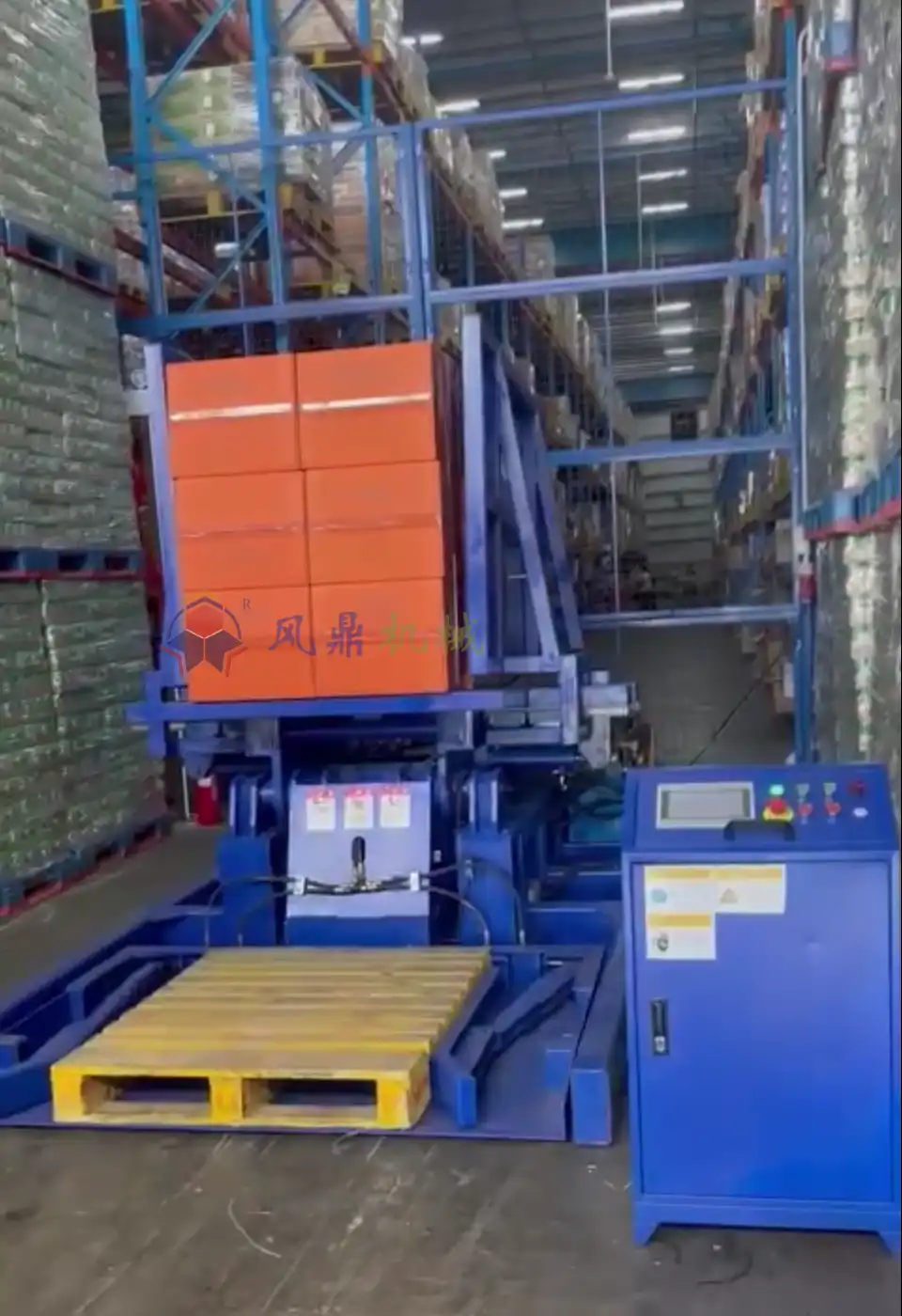
Dive deeper Paragraph: I remember a client who managed a large distribution center for automotive components. They were struggling with an influx of different car parts arriving on various international pallets, needing transfer to their standard warehouse pallets for internal movement and vice versa for export. The manual process was a nightmare, causing constant delays. When they introduced a pallet inverter, the change was almost immediate. It was like watching a logjam break.
-
Rapid Pallet Exchange and Reduced Cycle Times
- Automated Speed: Pallet inverters perform the entire pallet exchange process automatically or semi-automatically. This is much faster than manual methods. What took several workers many minutes can now be done in less than a minute.
- Continuous Flow: By quickly switching pallets, these machines ensure that the flow of goods is uninterrupted. There are no long pauses waiting for manual transfers. This means inbound and outbound shipments can move more smoothly.
- Predictable Operations: The machine performs the task consistently every time. This predictability helps in planning and scheduling, reducing unexpected delays and improving overall supply chain reliability.
- Increased Throughput: With faster cycle times, you can process more pallets per hour. This directly translates to higher throughput, allowing you to handle larger volumes of goods without expanding your physical footprint or workforce.
-
Adaptability to Diverse Pallet Specifications
- Universal Compatibility: Modern pallet inverters are designed to handle a wide range of pallet types and sizes. This includes standard Euro pallets, US pallets, plastic pallets, and even slip sheets. This flexibility is crucial for international logistics.
- Seamless Transitions: The machine can smoothly transition car parts from one type of pallet to another without disturbing the load. This is vital for fragile or oddly shaped components that are difficult to move.
- Reduced Damage Risk: By securely clamping the load and performing a controlled inversion or exchange, the risk of damaging products during the transfer is greatly minimized. This saves on costly reworks or scrap.
- Compliance Assurance: Ensuring that all outgoing shipments meet the specific pallet requirements of different countries or customers is made easy. This avoids costly delays, rejections, and fines at customs or client sites.
-
Optimized Labor Utilization and Resource Allocation
- Reduced Manual Labor: Pallet inverters significantly reduce the need for workers to perform strenuous, repetitive, and risky manual transfers. One operator can manage the machine, freeing up other staff.
- Reallocated Workforce: Instead of dedicating multiple workers to pallet switching, you can reassign them to more value-added tasks within the warehouse. This improves overall productivity and job satisfaction.
- Less Physical Strain: By eliminating heavy lifting, the physical demands on your workforce decrease. This helps in retaining staff and reducing long-term health issues.
- Consistent Performance: Machines do not get tired, distracted, or injured. They provide consistent performance throughout the workday, ensuring steady output regardless of worker fatigue or availability.
Investing in a pallet inverter is not just buying a piece of equipment. It is investing in a more streamlined, predictable, and ultimately more profitable logistics operation. It ensures your heavy car parts move efficiently and without interruption.
Investing in Safety and Compliance: Why Pallet Inverters Are a Smart Choice for Modern Warehouses?
When you manage a warehouse, safety is always a top priority. It is not just about protecting your team; it is about protecting your business from costly accidents and legal troubles. For heavy items like car parts, the risks are even higher. Pallet inverters offer a powerful solution, making your operations safer and ensuring you meet all necessary regulations.
Pallet inverters are a smart choice for modern warehouses because they drastically reduce the risk of human injury and product damage by eliminating manual lifting and handling of heavy car parts, while also ensuring seamless compliance with diverse international pallet standards through automated, consistent transfers.
Dive deeper Paragraph: In my journey building FHOPEPACK, I have always emphasized safety. An accident does not just hurt a person; it hurts the entire team’s morale and trust. When you deal with heavy components, like those found in the automotive industry, the potential for severe injuries is very real. Pallet inverters are designed from the ground up to mitigate these dangers.
-
Significantly Reduced Risk of Workplace Injuries
- Eliminates Manual Lifting: The primary benefit is removing the need for workers to manually lift, tilt, or rotate heavy items. This directly prevents muscle strains, back injuries, and crushing accidents.
- Secure Clamping Mechanisms: Pallet inverters use hydraulic or mechanical clamps to hold the load securely during the entire transfer process. This prevents goods from shifting or falling, which is a major hazard with manual methods.
- Controlled Movement: The machine performs movements in a controlled and predictable manner. There are no sudden drops or uncontrolled shifts that could injure personnel working nearby.
- Reduced Human Error: Fatigue, distraction, or improper lifting techniques are common causes of accidents in manual operations. A machine performs the task with consistent precision, eliminating these human factors. This leads to a safer working environment for everyone.
-
Prevention of Product Damage
- Gentle Handling: Despite dealing with heavy loads, pallet inverters are engineered for gentle handling. The controlled movement prevents impacts and shocks that could damage sensitive or fragile car parts.
- Stable Transfer: The entire load is securely held and moved as a single unit. This stability is crucial for items that could otherwise tumble or get dislodged during manual transfer.
- Reduced Waste: Fewer damaged products mean less waste. This not only saves money on replacement parts and rework but also reduces the environmental impact of your operations.
- Improved Quality Assurance: Consistent, damage-free transfers contribute to overall product quality. This builds trust with your customers and ensures that car parts arrive in perfect condition, ready for assembly or sale.
-
Ensuring Regulatory Compliance and Standards Adherence
- International Pallet Standards: Different countries and industries have specific requirements for pallets, such as ISPM 15 for wood pallets or specific sizes like Euro and US standards. Pallet inverters enable seamless switching to comply with these rules.
- Food and Hygiene Standards: In industries like food and beverage (even if your car parts operation is not, this principle applies to Carlos’s wider knowledge), plastic pallets are often required for hygiene. Pallet inverters make the switch from wooden inbound pallets easy.
- Safety Regulations: Using mechanical aids like pallet inverters helps businesses meet occupational safety regulations. By reducing manual handling, you demonstrate a commitment to worker safety, which can also help with audits and certifications.
- Avoidance of Fines and Penalties: Non-compliance with pallet standards can lead to shipments being held up, rejected, or incurring significant fines. Pallet inverters help you avoid these costly penalties by ensuring every outbound pallet meets the required specifications.
From my perspective, investing in a pallet inverter is not just a cost, but a crucial investment in the long-term health and stability of your business. It is about protecting your people, your products, and your reputation in the market.
Finding the Right Pallet Inverter Solution: What Should You Look for in a Partner?
You have seen the benefits: improved safety, increased efficiency, and reduced costs. Now, the next step is choosing the right pallet inverter. But this is not just about buying a machine; it is about finding a reliable partner. Someone who understands your specific needs, especially when dealing with heavy car parts and diverse logistics demands.
Finding the right pallet inverter solution means looking beyond just the machine itself; it requires a partner who offers proven reliability, customizable options for heavy car parts and diverse pallet types, comprehensive after-sales support, and a deep understanding of your unique warehouse and logistics challenges, ensuring a long-term, valuable collaboration.
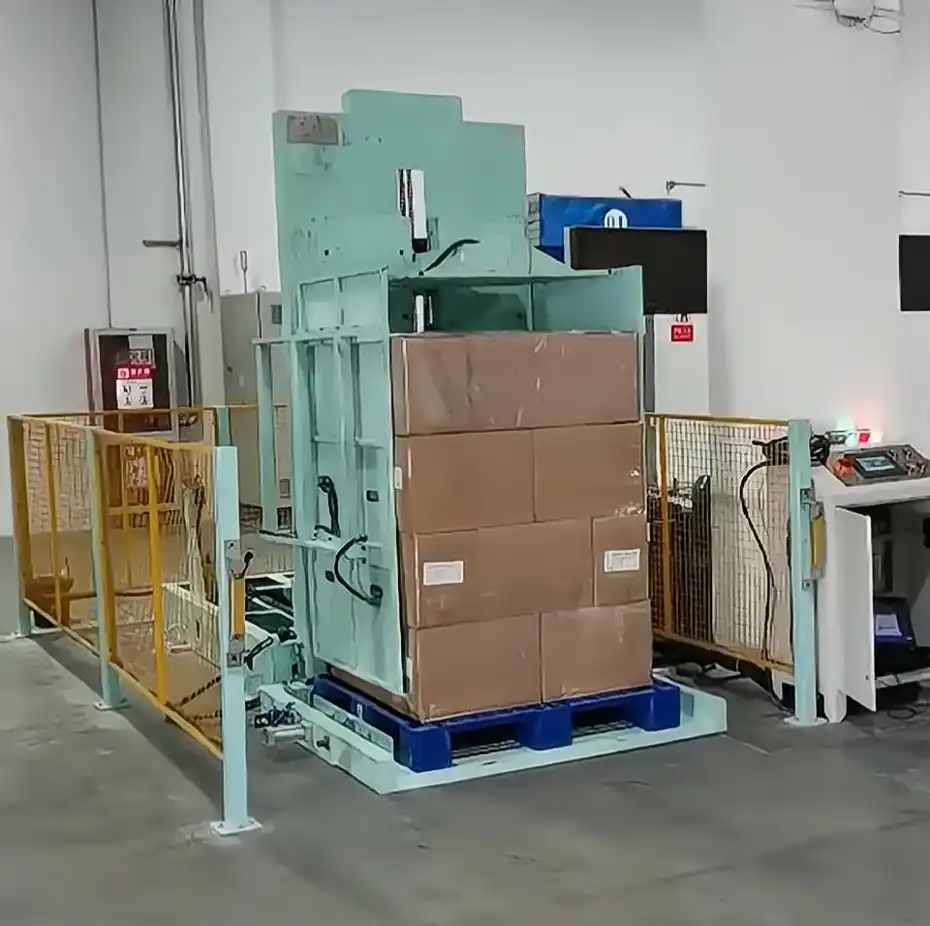
Dive deeper Paragraph: When I started FHOPEPACK, I did so with the conviction that true partnership goes far beyond just selling equipment. I had spent years as an engineer, then building my own factory. I saw firsthand what works and what does not. This perspective shaped how we approach our clients. It is about listening to your challenges and delivering solutions that truly make a difference.
-
Proven Reliability and Robust Construction
- Durable Design: Heavy car parts put a lot of strain on machinery. You need a pallet inverter built with high-quality, heavy-duty materials and components. This ensures it can withstand continuous operation in a demanding warehouse environment.
- Long Lifespan: A reliable machine means less downtime. Look for a track record of durability and longevity. This minimizes disruptions to your operations and maximizes your return on investment.
- Stable Performance: The inverter should consistently perform its task without frequent breakdowns or performance dips. This is crucial for maintaining throughput and meeting delivery schedules.
- Quality Certifications: Check for relevant industry certifications and compliance with international standards. This indicates that the manufacturer adheres to strict quality control processes.
-
Customization and Adaptability for Your Specific Needs
- Variable Load Capacity: If you handle a wide range of car part weights, ensure the pallet inverter can manage both lighter and extremely heavy loads safely and effectively.
- Multi-Pallet Compatibility: Your operations likely involve various pallet types – Euro, US, plastic, wooden. The ideal solution must be capable of switching between these seamlessly without manual adjustments or extensive changeovers.
- Integration with Existing Systems: Consider how the pallet inverter will fit into your current warehouse layout and processes. Can it be integrated with conveyors, automated guided vehicles (AGVs), or other existing systems?
- Specific Operation Modes: Some operations might need a 90-degree tilt, others a 180-degree inversion, or even lateral transfer. A good partner can offer different models or custom configurations to match your exact operational requirements.
-
Comprehensive After-Sales Support and Service
- Installation and Training: The partner should provide professional installation services and thorough training for your operators and maintenance staff. Proper training ensures safe and efficient use of the machine.
- Maintenance and Spare Parts: What is the availability of spare parts? What are the service contracts like? A machine is only as good as its support system. Quick access to parts and skilled technicians is vital to minimize downtime.
- Technical Assistance: A reliable partner offers readily available technical support. When an issue arises, you need fast, knowledgeable assistance to get your operations back on track quickly.
- Long-Term Relationship: Look for a company that values long-term relationships, not just a one-time sale. This indicates they will be there to support you as your needs evolve, offering upgrades or advice.
-
Expertise and Understanding of Your Industry
- Industry Experience: Does the supplier understand the unique challenges of handling heavy car parts, the specific logistics requirements, and the pressures of the automotive supply chain?
- Problem-Solving Approach: A true partner focuses on solving your specific problems, like labor shortages or pallet diversity, rather than just selling you a standard product.
- Consultative Approach: They should take the time to assess your current operations, identify pain points, and recommend the most suitable solution, even if it is not their most expensive option.
- Track Record: Look for testimonials or case studies from other clients, especially those in similar industries. This provides confidence in their capabilities and commitment.
At FHOPEPACK, we pride ourselves on being that kind of partner. My journey from an engineer to a factory owner taught me the importance of practical, reliable solutions. We are not just selling machines; we are sharing expertise and helping businesses like yours master their packing and logistics challenges.
Conclusion
Pallet inverters are a crucial investment for handling heavy car parts, delivering unmatched safety and efficiency compared to manual methods. They tackle labor shortages, prevent injuries, reduce damage, and ensure compliance, ultimately boosting throughput and profitability. For a long-term solution, partner with a supplier who truly understands your needs, just like FHOPEPACK, master of the pallet inverter.








