
How Pallet Inverters Reduce Damage Risks in Exporting Delicate Auto Parts?
Exporting delicate auto parts brings unique challenges. You know the drill: fragile components, long journeys, and the constant worry of damage. This can lead to costly returns, reputation damage, and unhappy clients. Are you tired of seeing valuable parts arrive less than perfect?
Pallet inverters drastically reduce damage risks for delicate auto parts during export by providing a secure, automated, and gentle method for transferring goods between different pallet types, eliminating manual handling dangers and ensuring product integrity across varied international shipping standards.
As a packing machine engineer, I have seen first-hand how much small inefficiencies or risky manual steps can cost a business. Stick with me. We will explore how smart machinery can turn these challenges into strengths.
Are Manual Pallet Changes Endangering Your Exported Auto Parts?
Imagine your valuable auto parts. They are delicate and precisely engineered. Now picture them being manually shifted from one pallet to another for export. Does that make you nervous? It should. Manual handling introduces many risks.
Yes, manual pallet changes pose significant risks to exported auto parts due to human error, physical strain on workers, and the potential for mishandling fragile components during repetitive, labor-intensive transfers.
Years ago, when I was starting in the packing machine industry, I saw many companies rely on brute force. Workers would physically tilt or lift heavy pallets to switch them. This was not only slow but also incredibly dangerous for both the product and the staff. It led to frequent breakages and injuries. For auto parts, especially the delicate ones, even a small bump can cause major issues. Think about engine components or sensitive electronic modules. They cannot withstand rough treatment. Each manual touch is a chance for damage. It is a gamble with your reputation and your bottom line.
1.1 📈 High Risk of Human Error and Mishandling
Manual processes are prone to human error. People get tired. They can lose focus. This is especially true in a busy warehouse setting.
- Fatigue: Long shifts lead to reduced alertness. A tired worker might not secure a load properly.
- Lack of Training: Not everyone receives the same level of training. This creates inconsistencies in how pallets are handled.
- Inattention: A momentary lapse can result in a dropped component or an unbalanced load.
- Improper Lifting Techniques: Workers might use incorrect methods to lift or shift items. This puts both the product and themselves at risk.
This human factor becomes a major weak point when you deal with delicate auto parts. You need consistent, error-free handling every time.
1.2 🚧 Safety Hazards for Workers
The safety of your team is very important. Manual pallet switching is a high-risk activity. It involves heavy lifting and awkward movements.
- Musculoskeletal Injuries: Back strains, sprains, and other injuries are common. They happen from lifting heavy loads or twisting in unusual ways.
- Crushing Injuries: Dropped pallets or shifting loads can lead to serious crushing injuries.
- Falls: Workers can trip or fall when maneuvering around unstable pallets.
- Equipment Accidents: Using forklifts or pallet jacks incorrectly during manual transfers increases accident risk.
These incidents are not just bad for your team. They also lead to increased insurance costs and lost productivity. It is a lose-lose situation.
1.3 📉 Inefficient and Time-Consuming Process
Time is money. Manual pallet changes are slow. They interrupt the flow of your logistics chain.
- Longer Processing Times: Each pallet transfer takes valuable minutes. This adds up quickly when you process thousands of pallets.
- Bottlenecks: Manual stations often become bottlenecks. They slow down the entire export operation.
- Increased Labor Costs: You need more workers to perform these tasks. Labor costs continue to rise.
- Reduced Throughput: Your warehouse cannot handle as many pallets per day. This limits your shipping capacity.
For businesses shipping delicate auto parts globally, speed and efficiency are key. Delays mean missed deadlines and unhappy customers. The challenges of manual handling are clear. There is a better way.

How Do Pallet Inverters Ensure Safe Handling of Fragile Auto Parts?
Pallet inverters are a game-changer for protecting delicate goods. They replace risky manual labor with precise mechanical action. This makes a big difference for fragile auto parts.
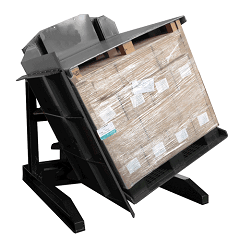
Pallet inverters ensure the safe handling of fragile auto parts by gently clamping the load, then rotating or transferring it smoothly between pallets, eliminating manual lifting, minimizing movement, and reducing any risk of shocks or drops that could cause damage.
When I first learned about pallet inverters, I was amazed by their simplicity and effectiveness. The core idea is to secure the load and then move the pallet, not the product. It is a fundamental shift that removes almost all manual interaction with the actual goods. This method stops damage before it starts. It means your delicate auto parts stay perfectly positioned and protected throughout the pallet exchange process.
2.1 🔒 Secure Clamping and Gentle Rotation
The way a pallet inverter works is very smart. It holds your load firmly. This stops any unwanted movement.
- Even Pressure Distribution: The machine clamps the load with even pressure. This prevents crushing delicate items.
- No Manual Shifting: Once clamped, the goods do not move. Only the pallet under them moves or is exchanged.
- Controlled Movement: The rotation or transfer is smooth and slow. There are no sudden jolts or drops.
- Load Stability: The entire load stays stable from start to finish. This is crucial for parts that cannot handle shifting.
This controlled environment is perfect for auto parts that can chip, bend, or break easily. It takes human variability out of the equation.
2.2 🚫 Eliminating Manual Lifting and Repositioning
One of the biggest benefits is removing people from the direct handling of heavy loads. This boosts safety for both workers and products.
- Reduced Worker Strain: Employees no longer need to lift heavy items or awkward pallet loads.
- No Dropped Goods: Since machines do the lifting and moving, the risk of dropping products is almost zero.
- Consistent Operation: Machines operate the same way every time. This creates predictable and safe outcomes.
- Improved Ergonomics: Workers can focus on operating the machine safely. They do not have to perform risky physical tasks.
By removing manual lifting, you also remove the most common cause of damage during pallet changes. This is a huge win for delicate auto parts.
2.3 🛡️ Enhanced Product Integrity Throughout the Process
A pallet inverter is not just about moving things. It is about keeping things safe and in perfect condition.
- Minimizing Contact Points: The machine interfaces primarily with the pallet and the outer packaging. This avoids direct contact with the delicate parts themselves.
- Preserving Original Packaging: Goods remain in their original packaging during the transfer. This adds another layer of protection.
- Reducing Vibration: Automated systems reduce the vibrations often caused by manual or less stable handling methods.
- Customizable Settings: Many inverters allow for adjustable clamping pressure and rotation speed. You can fine-tune them for the specific fragility of your auto parts.
This careful, controlled process ensures that your delicate auto parts maintain their integrity. They will be in the same condition as when they were packed, ready for their journey abroad.
Can Pallet Inverters Streamline Pallet Transitions for Global Export Standards?
Global trade means dealing with many different standards. Every country seems to have its own preferred pallet size or type. This often creates big headaches for logistics managers.
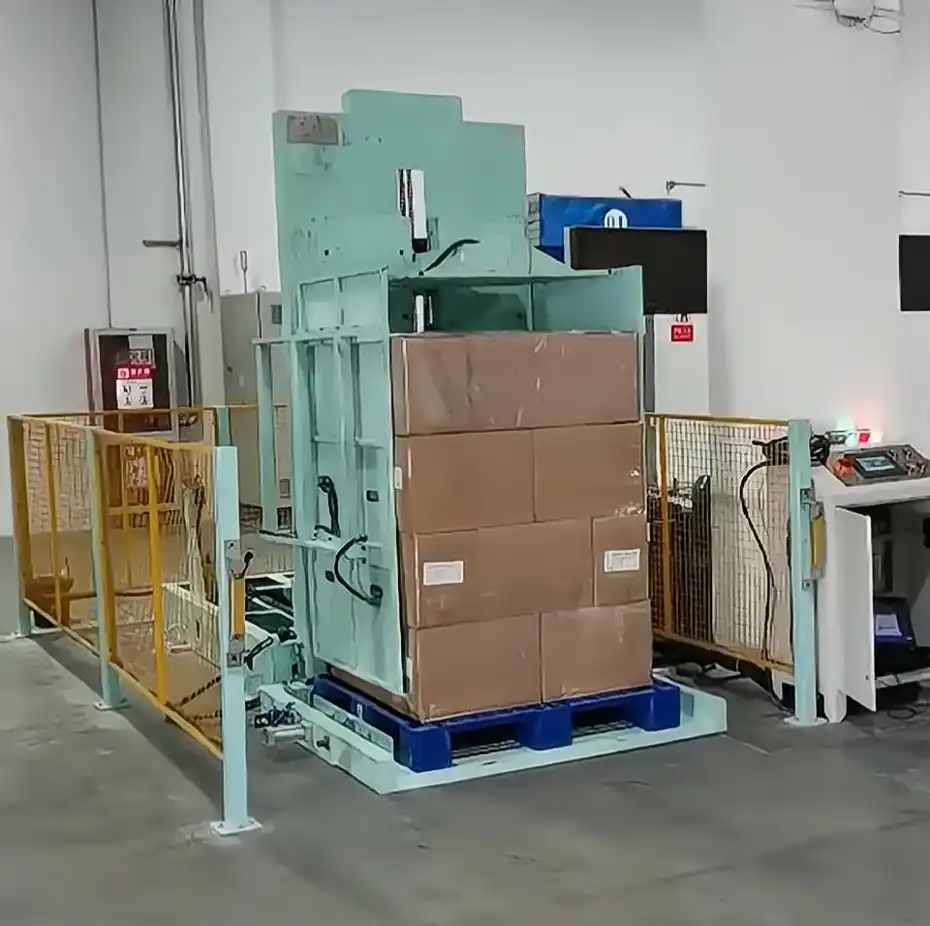
Yes, pallet inverters effectively streamline pallet transitions for global export standards by quickly and safely switching goods between various pallet types, such as Euro and US standard pallets, without disturbing the load, thereby ensuring compliance and smooth international shipping.
I have spoken with many clients who faced this exact problem. They would ship a product on a US standard pallet, but the destination country in Europe required a Euro pallet. The reverse was also common. Before pallet inverters, this meant a labor-intensive, risky, and slow repacking process. But with the right machine, this necessary step becomes a quick, seamless part of the workflow. It is all about adaptability and efficiency in a globally connected world.
3.1 🔄 Adapting to Diverse Pallet Specifications
The world uses many pallet types. A good pallet inverter can handle this variety.
- Euro Pallets (EUR): Common in Europe, often 1200×800 mm.
- US Standard Pallets (GMA): Common in North America, often 48×40 inches (1219×1016 mm).
- Plastic Pallets: Used for hygiene or specific environmental reasons.
- Custom Pallets: Some industries use unique sizes for their products.
A versatile pallet inverter can work with all these types. It lets you switch pallets without ever touching the actual cargo. This is crucial for delicate auto parts that might be going to any corner of the globe. You can move from an in-house pallet to an export-compliant one quickly.
3.2 🌍 Meeting International Compliance Requirements
Following international rules is not optional. It is a must. Different countries have different rules for pallets.
- ISPM 15 Regulations: Many countries require heat-treated or fumigated wooden pallets for international shipping.
- Hygiene Standards: Food or pharmaceutical industries often need plastic pallets for cleanliness.
- Customs Inspections: Using the correct pallet type can speed up customs clearance.
- Customer Preferences: Your clients might have specific demands for pallet types.
Pallet inverters help you meet these rules easily. You can switch to a compliant pallet right before shipment. This avoids delays, fines, and rejected shipments. It ensures your delicate auto parts get to their destination without issues.
3.3 ⚡ Speeding Up Export Logistics Workflow
Time is a critical factor in global logistics. Delays can be very expensive.
- Rapid Pallet Exchange: A pallet inverter can complete a switch in minutes. This is much faster than manual methods.
- Reduced Labor Time: Fewer people are needed for the pallet change process. This frees up staff for other tasks.
- Seamless Integration: These machines can fit into existing production lines. This minimizes disruption.
- Increased Throughput: Faster changes mean you can process more shipments. This meets tight delivery schedules.
By quickly adapting to different pallet standards, you make your export operation much more efficient. This means your delicate auto parts spend less time waiting and more time moving towards their destination. It is a strategic advantage in a fast-paced market.
Beyond Damage Prevention, What Other Gains Do Pallet Inverters Bring to Export Logistics?
Reducing damage is a major benefit of pallet inverters. But these machines offer much more. They address several key challenges in export logistics, especially when handling delicate products.
Beyond preventing damage to delicate auto parts, pallet inverters bring significant gains to export logistics by improving worker safety, optimizing labor utilization, reducing operational costs, and boosting overall warehouse efficiency, creating a more robust and compliant supply chain.
My journey in this industry taught me that true solutions solve multiple problems at once. When I helped a client install a new packing system, they were initially focused on just one problem. Yet, the new machine often brought unexpected benefits across the board. Pallet inverters are a perfect example of this. They do not just protect your products. They also protect your people, your budget, and your entire operation.
4.1 👷 Enhanced Worker Safety and Reduced Injury Risks
The safety of your employees must always come first. Pallet inverters create a much safer work environment.
- Elimination of Manual Lifting: No more heavy lifting means fewer back injuries and strains.
- Reduced Risk of Crushing Accidents: Automated processes remove human presence from dangerous load areas during transfers.
- Stable Operations: Machines operate predictably. This lowers the chance of sudden shifts or falls.
- Compliance with Safety Regulations: Using automation helps you meet workplace safety standards.
By keeping workers out of harm’s way, you protect your team. You also reduce workers’ compensation claims and lost workdays. This creates a healthier, happier, and more productive workforce.
4.2 💰 Significant Reduction in Operational Costs
Investing in a pallet inverter saves money in many ways. It is a smart financial move.
- Lower Labor Costs: Fewer workers are needed for pallet changes. This reduces wage expenses.
- Reduced Damage Costs: Less product damage means fewer returns, replacements, and wasted inventory.
- Lower Insurance Premiums: A safer workplace can lead to reduced insurance costs.
- Increased Efficiency: Faster processing times mean higher throughput without increasing staff.
These savings add up quickly. They make the initial investment in a pallet inverter pay for itself over time. It gives you a strong return on investment.
4.3 🚀 Improved Overall Warehouse Efficiency and Throughput
A smooth warehouse is a productive warehouse. Pallet inverters improve how quickly goods move through your facility.
- Faster Pallet Changes: Automated systems complete changes in minutes. This keeps your workflow moving.
- Reduced Bottlenecks: Pallet change stations no longer slow down your operations.
- Better Space Utilization: Efficient handling can optimize how you use your warehouse space.
- Consistent Flow: Predictable operations lead to a more consistent flow of goods. This is critical for meeting tight shipping schedules.
For delicate auto parts on their way to export, speed and reliability are paramount. Pallet inverters make your entire logistics chain more robust and responsive. This helps you meet increasing customer demands and maintain a competitive edge. It is about more than just a machine. It is about building a smarter, safer, and more profitable operation.
Conclusion
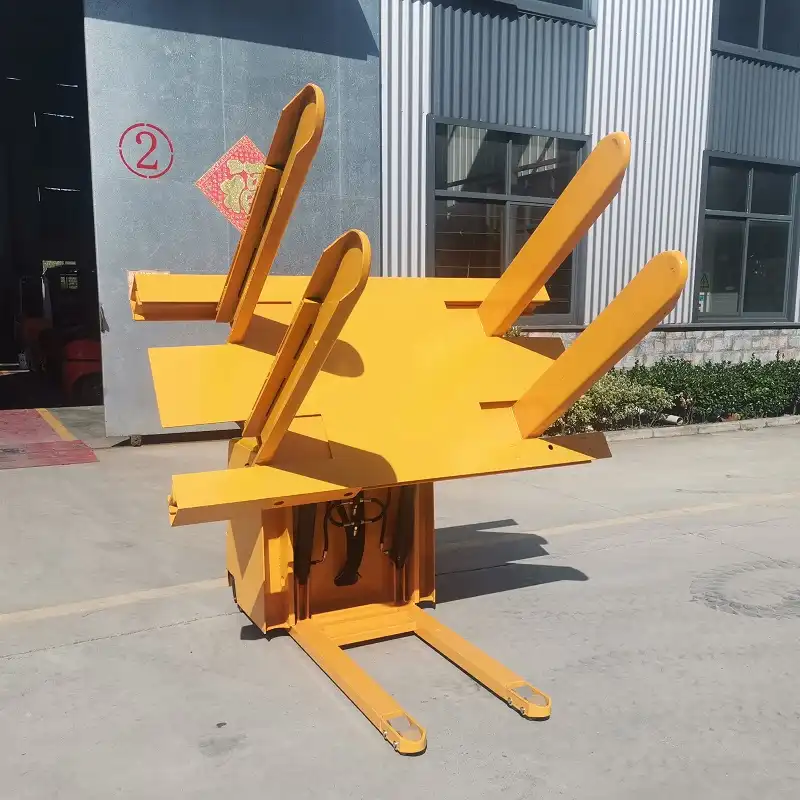
Pallet inverters are vital for protecting delicate auto parts in export. They reduce damage, enhance safety, cut costs, and boost efficiency by making pallet transitions smooth and secure. Investing in a pallet inverter is a clear step towards a safer, more efficient, and compliant export operation.








