
Which Pallet Inverter Supplier Provides Better ROI for Auto Parts Logistics?
Are you a logistics manager in the auto parts industry? Do you constantly battle with inefficient pallet handling, rising labor costs, and the pressure of faster delivery? Many companies in auto parts logistics struggle daily with these issues. They know that poor pallet management can slow down their entire operation and eat into profits.
Finding the right pallet inverter supplier is not just about buying a machine; it is about investing in a solution that brings real return on investment. The best supplier offers reliable, tailored machines, excellent after-sales support, and a deep understanding of auto parts specific challenges, ensuring your operation runs smoothly and profitably.
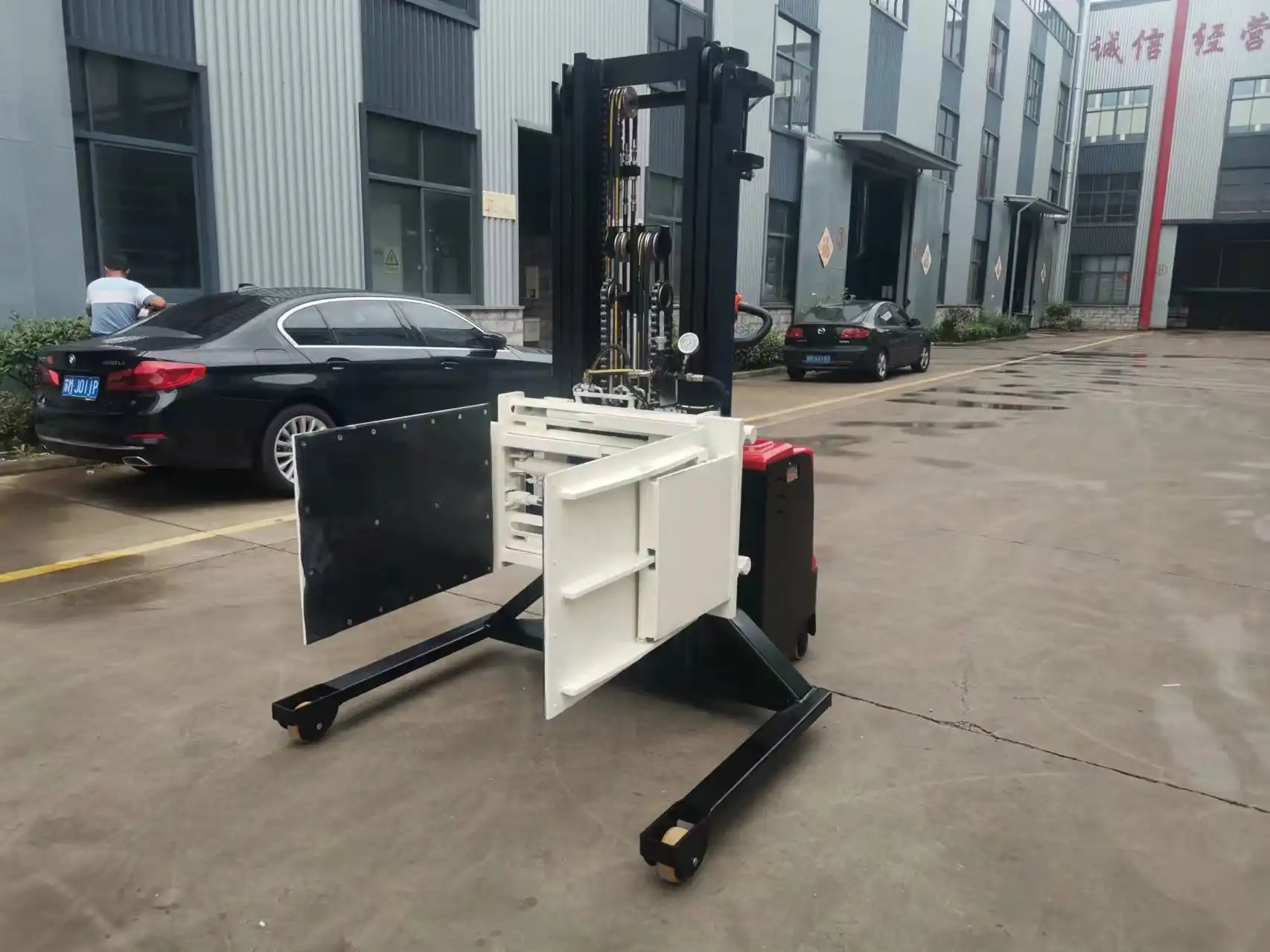
This article will help you understand why pallet inverters are so vital for auto parts, what problems they solve, how they boost your bottom line, and how to pick the right partner. Let’s dig deeper into making smart choices for your logistics.
Why is Pallet Inverter ROI so Important in Auto Parts Logistics?
Do you feel the constant pressure to cut costs and speed up operations in your auto parts warehouse? Many managers I talk to tell me that even small inefficiencies can quickly add up to big problems. This is especially true when you are handling heavy and varied auto parts.
Return on investment (ROI) from a pallet inverter is critical in auto parts logistics because manual pallet handling is a significant source of high costs, safety risks, and operational bottlenecks that hinder efficiency and profitability.
The auto parts industry moves at a fast pace. It has tight margins. Every part of the supply chain must work perfectly. This means that efficiency and cost-effectiveness are not just good ideas. They are absolutely necessary. Pallet inverters help you meet these demands head-on. They transform how you handle goods. They allow you to shift products from one pallet type to another without damage or heavy manual labor. This is important for many reasons. Auto parts often come on specific pallets from manufacturers. They then need to move to different pallet types for shipping to customers or other parts of the supply chain. This could be moving from a damaged pallet to a new one. It could also be moving from a wooden pallet to a plastic one for hygiene or export rules. Every time you touch a product, there is a cost. There is also a risk. Pallet inverters cut these costs and risks. They do this by automating a task that used to be slow, dangerous, and very labor-intensive. Think about the direct costs of labor. Then think about the indirect costs of injuries. Also consider the delays in shipping. All these impact your ROI. A good pallet inverter solution can change this picture completely. It helps your operation become leaner, safer, and more profitable. My journey in the packing machine industry taught me that investing in the right equipment can bring big returns. It helps companies achieve financial independence and grow. This is why I focus on sharing expertise. I want to help others succeed.
What Pallet Handling Problems Do Auto Parts Companies Really Face?
Are your warehouse workers struggling with heavy auto parts, different pallet sizes, and tight deadlines? I often see managers facing these exact challenges. Manual pallet handling in the auto parts sector is tough. It creates many headaches.
Auto parts companies commonly face problems such as diverse pallet specifications, the need to handle heavy and often awkwardly shaped items, labor shortages, significant safety risks from manual handling, and the constant pressure to meet tight delivery schedules.

These problems do not just slow things down. They also increase costs and reduce overall efficiency. Let’s look closer at the specific issues that managers in auto parts logistics deal with every day.
-
Diverse Pallet Specifications: Auto parts logistics often involves a complex mix of pallets. You might receive parts on Euro pallets from European suppliers. Then you need to ship them on US standard pallets to American customers. Or you might switch to plastic pallets for internal hygiene or automated systems. [I will replace this with a personal story about a client’s specific challenge with Euro vs. US pallets for engine blocks later]. Manual changing between these different pallet types is slow and error-prone. It means workers must unload and reload items one by one. This takes a lot of time and effort. It introduces many opportunities for mistakes. It can also lead to shipping delays. These delays result in contract penalties and unhappy customers. A pallet inverter solves this by automating the transfer process. It makes it smooth and quick, regardless of the pallet types involved. This ensures your operations remain compliant with international shipping standards. It also keeps your customers satisfied.
-
Heavy and Awkward Loads: Auto parts are often heavy and have awkward shapes. Think about engine blocks, transmissions, or body panels. These items are not easy to move. Lifting and shifting them from one pallet to another manually is a huge physical strain. It is also very time-consuming. Workers might need special equipment or help from others to handle these parts. This adds to labor costs. It also slows down the entire pallet exchange process. Trying to move heavy items without the right tools also increases the risk of damage to the parts themselves. Pallet inverters are built to handle these heavy and bulky loads with ease. They can gently transfer goods without any manual lifting. This protects both your products and your workers.
-
High Throughput Demands: The auto industry runs on tight schedules. Just-in-Time (JIT) delivery is common. This means warehouses must process thousands of pallets daily. Any slowdown in pallet handling can cause a ripple effect. It can delay assembly lines and impact customer orders. Manual pallet changing cannot keep up with these high throughput demands. It becomes a major bottleneck. This limits how much product you can move. It also increases the risk of not meeting delivery deadlines. Modern logistics requires speed and efficiency. Pallet inverters offer the speed needed to handle high volumes. They ensure that goods keep moving through your warehouse without unnecessary delays. This keeps your supply chain fluid and responsive.
-
Safety Concerns: Manual handling of heavy auto parts carries significant safety risks. Workers face dangers like back injuries, crushed hands, or even falling objects when trying to flip or move pallets. I have seen situations where companies paid high costs because of workplace accidents. These accidents lead to lost workdays, medical expenses, and increased insurance premiums. For one client, a simple manual pallet flip led to a serious injury and a costly investigation. This is why safety is so important. A pallet inverter removes the need for manual lifting or flipping. It creates a much safer working environment. It protects your employees from injuries. It also reduces your company’s liability and related costs. This shift to mechanical handling is a major step toward a safer, more compliant workplace.
-
Labor Shortages and Costs: Labor is becoming harder to find and more expensive. Many young people do not want to do physically demanding warehouse jobs. This creates a big challenge for auto parts logistics. Companies struggle to staff their warehouses. They also face rising wages. Manual pallet changing needs many workers. Automating this task with a pallet inverter means you need fewer people for this specific job. You can then redeploy your existing staff to more skilled tasks. This helps you deal with labor shortages. It also significantly lowers your overall operational costs. Investing in automation is a smart way to manage your workforce more effectively. It ensures your operations stay productive even when labor is scarce.
How Do Pallet Inverters Drive Real Savings and Efficiency for Auto Parts?
Are you wondering how a pallet inverter can actually improve your company’s bottom line? Many logistics managers ask me this. They want to see clear evidence of cost savings and efficiency gains. The good news is that pallet inverters offer very tangible benefits.
Pallet inverters drive real savings and efficiency for auto parts operations by automating labor-intensive tasks, significantly reducing operational costs, enhancing worker safety, preventing product damage, and improving overall warehouse throughput and adaptability.
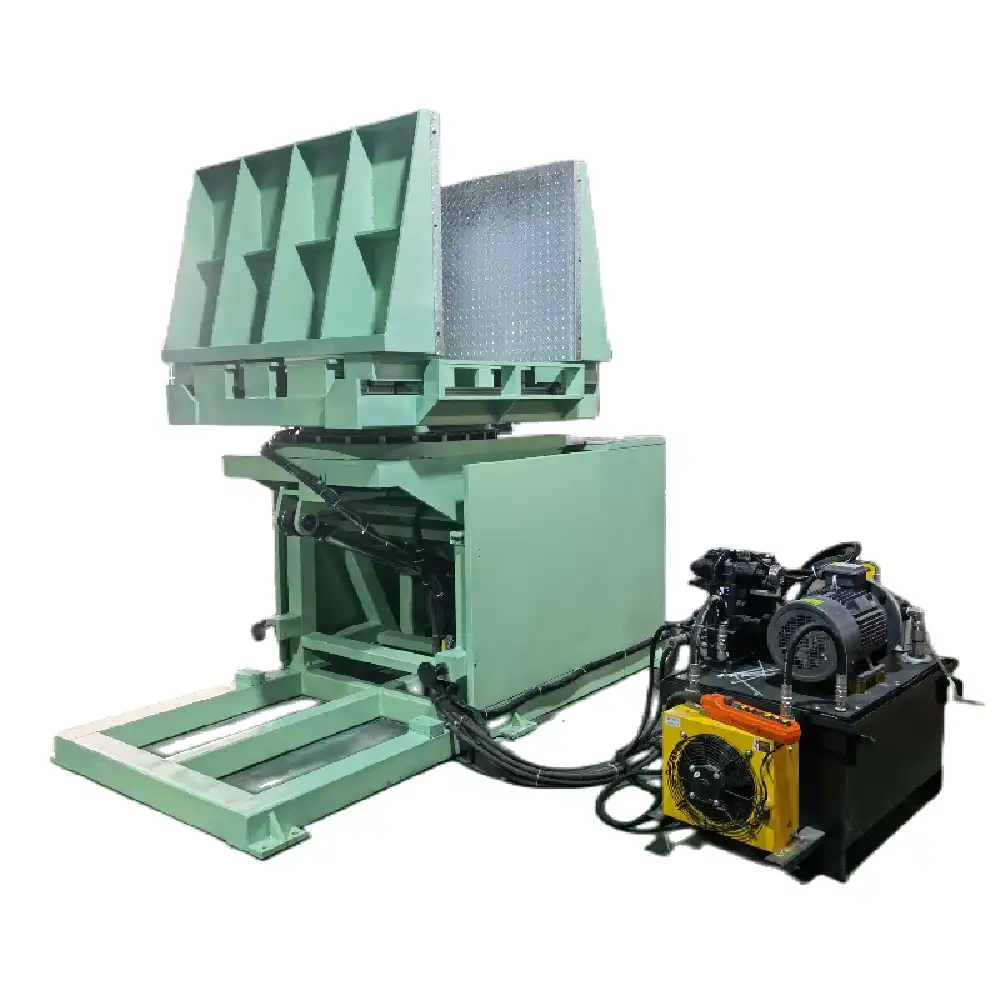
These machines are not just about moving pallets. They are about transforming your entire logistics process. They help you achieve higher productivity with fewer resources. Let me break down how they deliver these important advantages.
-
Labor Cost Reduction: Manual pallet changing requires multiple workers. These workers spend hours doing repetitive, physically demanding tasks. A pallet inverter can do the work of several people. It does this much faster and with greater consistency. This means you need fewer staff members for pallet transfers. You can then reassign these employees to other, more valuable tasks in the warehouse. This directly cuts your labor costs. It also makes your existing workforce more productive. Over time, these labor savings add up. They provide a significant return on your initial investment in the machine. [I will replace this with a personal story about how a client reduced their team for pallet changing and used the savings for other improvements later]. My experience in the packing machine industry showed me that labor is one of the biggest costs. Cutting it effectively always leads to better financial health for a business.
-
Increased Throughput and Speed: In auto parts logistics, time is money. Slow pallet changes can cause delays throughout your supply chain. This means missed delivery windows and unhappy customers. Manual processes are inherently slow. They depend on human speed and breaks. Pallet inverters operate quickly and continuously. They can perform a full pallet exchange in just minutes. This drastically speeds up your throughput. It ensures that products move in and out of your warehouse faster. This improved speed helps you meet tight deadlines. It also improves your overall operational efficiency. It enables you to handle higher volumes without needing to expand your physical space.
-
Enhanced Safety: Worker safety is a major concern. Manual lifting and flipping of heavy auto parts lead to many injuries. These include back strains, sprains, and even crushed limbs. Such accidents cost companies a lot. They lead to medical bills, lost work time, and higher insurance premiums. A pallet inverter removes the need for human physical interaction with heavy loads during the transfer. It performs the entire operation mechanically. This greatly reduces the risk of workplace accidents. It creates a much safer environment for your employees. Investing in a pallet inverter is investing in your team’s well-being. It also protects your company from costly legal and insurance liabilities.
-
Product Integrity: Auto parts are often valuable and delicate. Manual handling increases the risk of damage during transfers. Parts can be dropped. They can be knocked. Or they can be handled improperly when moving between pallets. This damage leads to costly returns, rework, or even scrapped inventory. Pallet inverters are designed to handle products gently and securely. They use clamps or rotating mechanisms that keep the load stable throughout the transfer. This minimizes the risk of damage. It ensures your auto parts arrive at their destination in perfect condition. Protecting your products means fewer losses and higher customer satisfaction. It also means less waste.
-
Compliance and Adaptability: The global auto parts supply chain has many different rules. This includes pallet types and hygiene standards. Manual processes struggle to adapt quickly to these varied requirements. Pallet inverters offer high flexibility. They can switch between different pallet sizes (e.g., Euro, US, plastic) effortlessly. Some models also handle different load sizes. This ensures compliance with all international shipping and hygiene regulations. It also makes your operations more agile. You can quickly adapt to new market demands without major operational overhauls. This versatility is very important for international logistics.
-
Space Optimization: Some pallet inverter designs, like fixed models, can be integrated into conveyor systems. This reduces the need for large staging areas required for manual pallet changes. More compact designs also free up valuable floor space in your warehouse. This space can then be used for more inventory or other productive activities. Efficient use of space is crucial in warehouses where every square meter counts. Pallet inverters can contribute to a more organized and space-efficient layout. This ultimately improves overall warehouse flow and operational cost-effectiveness.
How Can You Choose the Best Pallet Inverter Supplier for Your Auto Parts Operation?
Are you feeling overwhelmed by the many pallet inverter options out there? Choosing the right supplier is a big decision. It goes beyond just looking at the price tag. You need a partner who understands your needs, not just someone who sells machines.
To choose the best pallet inverter supplier for your auto parts operation, you must evaluate their equipment’s reliability and customization, their commitment to technical support, their industry expertise, and their potential as a long-term partner who can grow with your business.
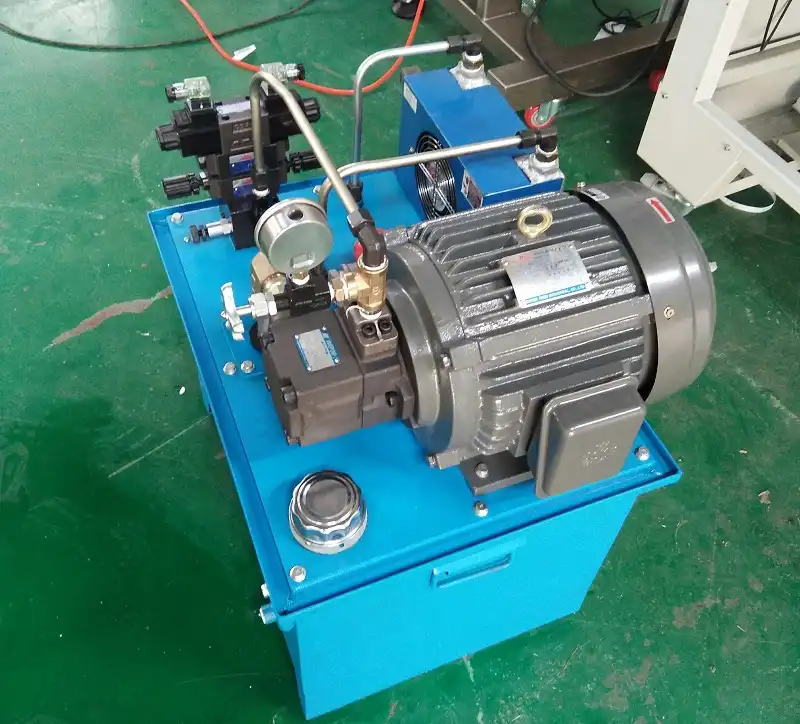
My journey from an employee to owning a packing machine factory taught me that a good supplier is a true asset. They help you succeed. Here are the key factors you should consider when making this important choice.
-
Machine Reliability and Durability: Auto parts logistics often involves continuous, high-volume operations. Your pallet inverter must withstand constant use without breaking down. Look for suppliers who use high-quality materials and robust engineering. Ask about their machines’ expected lifespan. Also, check their track record for reliability. Downtime is very costly. A machine that frequently breaks down will erase any potential ROI very quickly. A durable machine means less maintenance. It also means fewer interruptions to your operations. This ensures a consistent and reliable flow of goods in your warehouse. Make sure the construction is heavy-duty enough for your specific auto parts.
-
Customization and Flexibility: Auto parts come in many shapes, sizes, and weights. Your operation might also use a variety of pallet types. A one-size-fits-all solution might not work. The best supplier offers machines that can be customized or are flexible enough to handle your specific needs. Can the machine handle different pallet sizes? Can it accommodate different load heights and weights without issues? Does it have special features for delicate or oddly shaped auto parts? Flexibility in machine design is very important. It ensures the inverter truly integrates into your unique workflow. This also helps future-proof your investment as your product range might change.
-
Technical Support and Service: Even the best machines need support. What kind of after-sales service does the supplier offer? Look for comprehensive support. This includes installation, operator training, maintenance plans, and readily available spare parts. A supplier who offers quick and efficient technical support is invaluable. It means any issues can be resolved fast. This minimizes downtime. [I will replace this with a personal story about how FHOPEPACK’s quick support saved a client from major production delays later]. Good support also shows a supplier’s commitment to your long-term success. It is a sign of a true partnership, not just a transaction.
-
Industry Expertise: Does the supplier truly understand the unique challenges of auto parts logistics? A supplier with specific industry experience will offer more relevant solutions. They can anticipate your needs. They can also suggest features that you might not have considered. Ask for case studies or references from other auto parts companies they have worked with. This expertise allows them to recommend the most suitable pallet inverter model for your specific products and operational scale. It ensures you are not just buying a machine, but a solution crafted with your industry in mind.
-
Long-Term Partnership and Scalability: Your business will grow and change. You need a supplier who can grow with you. Can they provide different models or upgrade options as your needs evolve? Are they a company that you can build a lasting relationship with? A long-term partner offers stability and peace of mind. They are invested in your success. They will be there to support you as your operations scale up. This kind of relationship is much more valuable than a one-time purchase. It ensures that your pallet handling solutions remain effective for many years to come.
-
Proven Track Record and Testimonials: Look at the supplier’s history. How long have they been in business? What do their existing customers say about them? Check for online reviews, testimonials, and case studies. A strong track record indicates a reliable supplier. It shows they have a history of delivering on their promises. Customer feedback gives you real insight into their product quality, service, and overall reliability. This due diligence helps you confirm that you are making a wise investment with a reputable company. It reduces the risk of choosing the wrong supplier.
Conclusion
Choosing the right pallet inverter supplier is key for auto parts logistics ROI. Focus on a partner who provides reliable, customized machines, excellent support, and deep industry knowledge to boost efficiency, safety, and your bottom line.








